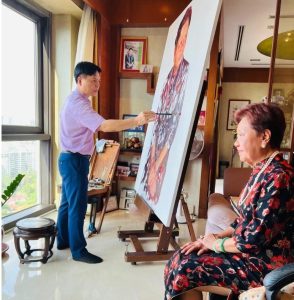
Visual Arts Centre provides professional art courses suitable for art learners of all ages and experiences. Art courses include Drawing and Sketching, Acrylic Painting, Watercolour Painting, Chinese Ink Painting, Creative Kids Art Immersion Course, Private Art Classes and Portfolio Preparation Art Course, Nude Life Drawing, Portrait Drawing course and others.
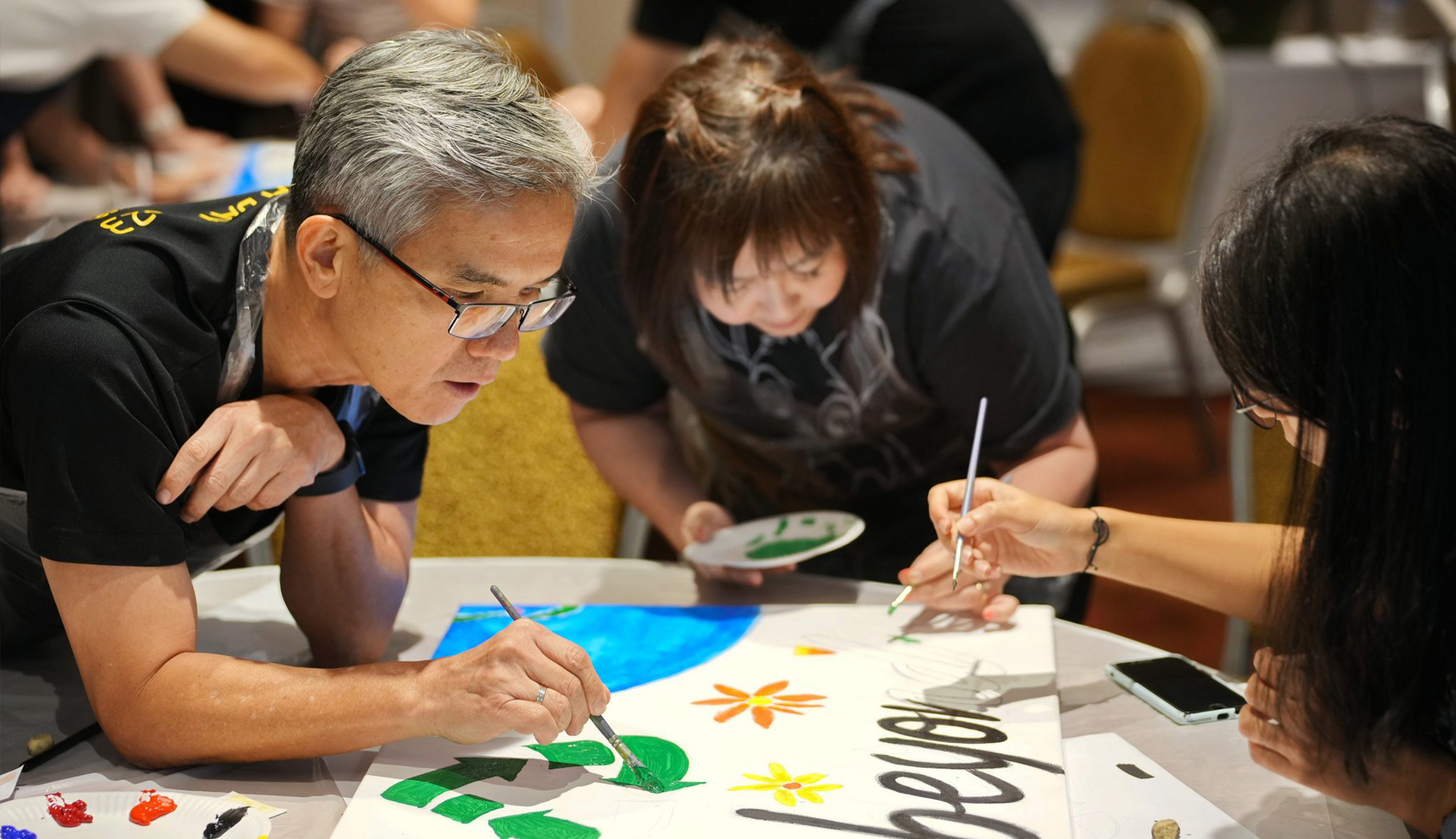
Acrylic Painting on Canvas Team Bonding Art Jamming Singapore Visual Arts Centre
Acrylic Painting on Canvas Team Bonding Art Jamming Singapore Visual Arts Centre
Batik Handkerchief Painting Team Bonding Art Jamming Singapore Visual Arts Centre
Batik Handkerchief Painting Team Bonding Art Jamming Singapore Visual Arts Centre
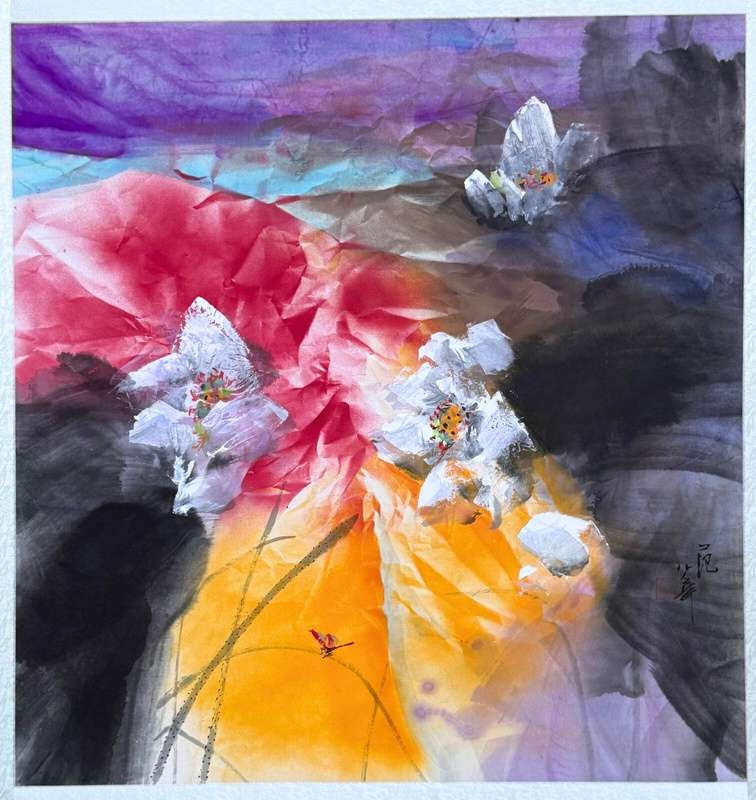
Chinese Ink Painting and Calligraphy Team Bonding Art Jamming Singapore Visual Arts Centre
Chinese Ink Painting and Calligraphy Team Bonding Art Jamming Singapore Visual Arts Centre
Graffiti Spray Painting on Canvas Team Bonding Art Jamming Singapore Visual Arts Centre
Graffiti Spray Painting on Canvas Team Bonding Art Jamming Singapore Visual Arts Centre
Outdoor Urban Landscape Sketching Team Bonding Art Jamming Singapore Visual Arts Centre.
Outdoor Urban Landscape Sketching Team Bonding Art Jamming Singapore Visual Arts Centre.
Acrylic Painting on Canvas Team Bonding Art Jamming Singapore Visual Arts Centre
Batik Handkerchief Painting Team Bonding Art Jamming Singapore Visual Arts Centre
Chinese Ink Painting and Calligraphy Team Bonding Art Jamming Singapore Visual Arts Centre
Graffiti Spray Painting on Canvas Team Bonding Art Jamming Singapore Visual Arts Centre
Outdoor Urban Landscape Sketching Team Bonding Art Jamming Singapore Visual Arts Centre.
Acrylic Painting on Canvas Team Bonding Art Jamming Singapore Visual Arts Centre
Batik Handkerchief Painting Team Bonding Art Jamming Singapore Visual Arts Centre
Chinese Ink Painting and Calligraphy Team Bonding Art Jamming Singapore Visual Arts Centre
Graffiti Spray Painting on Canvas Team Bonding Art Jamming Singapore Visual Arts Centre
Outdoor Urban Landscape Sketching Team Bonding Art Jamming Singapore Visual Arts Centre.
Workshops & Events
Visual Arts Centre offers regular themed art workshops as well as our most popular Team Bonding Art Jamming, Family Day Bonding Art Workshops and various customised creative workshops and art events throughout the year.
The Exhibition Gallery is a modern glasshouse exhibition gallery space for hire of 190square metres at Dhoby Ghaut Green, centrally located in Singapore.
The MacPherson Gallery and Studio is a 140 square metres brightly lit and fully equipped space for hire for meetings, workshops and various functions and gatherings.
모든 부모는 자녀에게 최선을 다하고 싶어 합니다. 자녀의 인격 형성과 양육에 있어 교육의 중요성을 잘 알고 있습니다. 아이들은 어린 시절부터 미술을 접할 수 있으며, 조기 미술 경험은 자신감을 키우고 창의력과 상상력을 키우는 데 도움이 됩니다. 미술은 또한 창의적인 탐구와 예술적 재능 개발을 가능하게 합니다. 따라서 처음부터 자녀에게 적합한 미술 교육 과정을 찾아 올바른 길로 인도하는 것이 중요합니다.
최근 어린이 미술 수업 업체가 급증하고 거의 모든 쇼핑몰에 다양한 미술 수업 브랜드가 생겨나고 있습니다. 자녀에게 맞는 미술 수업을 고르려는 부모들은 혼란스러워합니다. 모두 비슷해 보이는 수많은 미술 수업들 속에서 자녀를 어떤 미술 학교에 등록시킬지 어떻게 선택해야 할까요?
XXXX
최근 어린이 미술 수업 업체가 급증하고 거의 모든 쇼핑몰에 다양한 미술 수업 브랜드가 생겨나고 있습니다. 자녀에게 맞는 미술 수업을 고르려는 부모들은 혼란스러워합니다. 모두 비슷해 보이는 수많은 미술 수업들 속에서 자녀를 어떤 미술 학교에 등록시킬지 어떻게 선택해야 할까요?
자녀에게 맞는 미술 수업을 선택하는 것은 나이, 관심사, 실력 수준, 그리고 자녀의 창의적 성장 목표 등 여러 요인에 따라 달라집니다. 가장 적합한 수업을 찾는 데 도움이 되는 간단한 가이드를 소개합니다.
1. 연령과 발달 단계를 고려하세요 – 5~9세: 이 단계의 과정은 아크릴이나 수채화와 같은 기본 기법과 색상, 형태, 질감과 같은 미술 개념을 소개하는 데 중점을 둘 수 있습니다. 간단한 공예나 명절 테마 프로젝트처럼 직접 체험하고 즐길 수 있는 프로그램이 이상적입니다. 비주얼 아트 센터(Visual Arts Centre)에서는 크리에이티브 키즈 아트 몰입 과정을 제공합니다.
– 10~18세: 디지털 아트, 만화, 캐릭터 디자인 등 고급 기술을 가르치고 아이들이 다양한 매체를 탐구할 수 있도록 하는 프로그램을 선택하세요.수업은 흥미를 유발하면서도 체계적인 지도를 제공해야 합니다.탄탄한 미술 기초를 다지려면 ‘아트 이머전 3 매체 과정 – 드로잉 및 스케치, 아크릴 페인팅, 수채화‘를 추천합니다.진지한 기술 함양에 관심이 있는 청소년이라면 캐릭터 디자인, 디지털 페인팅, 아크릴 또는 수채화 고급 기법 등 특정 분야의 전문 과정을 찾아보세요.이 연령대의 아이들은 더욱 어려운 프로젝트에 도전할 수 있는 경우가 많습니다.
Embark on a captivating journey into the vibrant world of digital art! Our Foundation in Digital Art workshop invites budding creatives aged nine and above to unleash their imagination and hone their artistic skills in a dynamic, supportive environment. From mastering basic digital tools to crafting mesmerizing digital masterpieces, children will explore a spectrum of techniques guided by seasoned mentors. Through hands-on activities and interactive sessions, participants will discover the endless possibilities of digital expression while fostering creativity and critical thinking. Join us for an exhilarating adventure where young artists transform ideas into stunning visual realities, igniting a passion for digital art
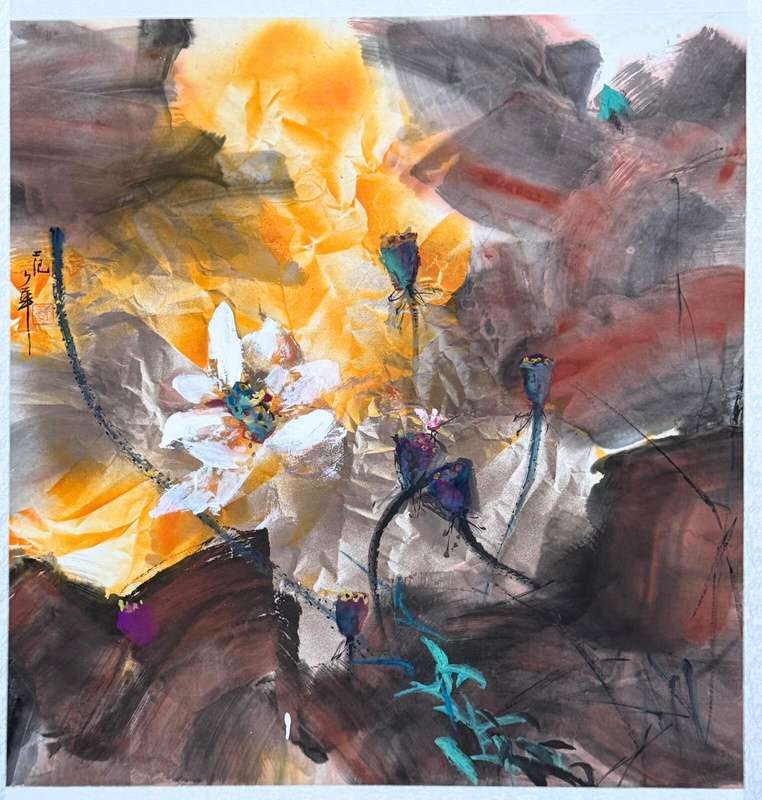
Colour & Texture Exploration With Acrylic Painting & Collage
Prepare to unleash your inner artist in a kaleidoscope of color and creativity with ‘Colour Blast: Acrylic Painting & Collage Techniques’! Dive into a whirlwind adventure where vibrant hues and mesmerizing textures collide in a symphony of imagination. From mastering the art of seamless color blending to discovering the magic of mixed media collage, this journey is a playground for your artistic soul. With each brushstroke, explore new techniques that breathe life into your canvas, transforming it into a vibrant tapestry of expression. Join us and let your creativity run wild as you embark on this colorful escapade!”
World of Manga [Foundation & Styling]
A manga art workshop for children and teenagers sounds like a fantastic idea! Here’s how you might structure it:
Introduction to Manga: Begin by introducing what manga is, its history, and its influence on popular culture worldwide. Show examples of different manga styles and genres to give participants an overview.
Basic Drawing Techniques: Start with the fundamentals of drawing, such as line work, shapes, and proportions. Provide step-by-step instructions on how to draw basic manga characters, focusing on simple shapes that can be built upon.
Character Design: Move on to character design concepts, including creating unique characters, designing their personalities, and developing backstories. Encourage participants to get creative and think outside the box.
Expression and Emotion: Teach how to convey emotions and expressions through facial expressions, body language, and positioning of characters. This can be a fun and interactive exercise where participants practice drawing various emotions.
Storytelling and Paneling: Explore the basics of storytelling in manga, including paneling techniques, pacing, and layout. Show examples of different panel structures and discuss how they affect the flow of the story.
Inking and Coloring: Introduce participants to inking techniques using pens or markers. You can also cover digital inking for those interested. Then, demonstrate basic coloring techniques using markers, colored pencils, or digital software.
Feedback and Collaboration: Provide opportunities for participants to share their work and receive feedback from their peers and instructors. Encourage collaboration by having them work together on short manga projects or collaborative drawings.
Final Showcase: End the workshop with a showcase of participants’ work. This could be in the form of an exhibition, digital gallery, or printed booklet. Celebrate everyone’s creativity and progress throughout the workshop.
Remember to create a supportive and encouraging environment where participants feel free to express themselves and explore their creativity. And don’t forget to have fun! Manga is all about imagination and passion, so let that spirit shine through in your workshop.
Academy Drawing Traditions
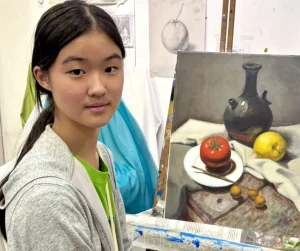
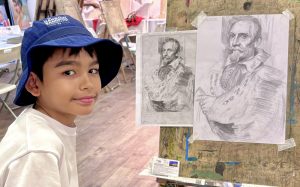
The academy drawing and sketching tradition, rooted in centuries of artistic practice, emphasizes disciplined study of form, proportion, and technique. Originating from Renaissance workshops and formalized by institutions like the Royal Academy, it prioritizes meticulous observation and mastery of fundamental skills. Students progress from basic exercises to complex compositions, learning to depict still life and common objects with precision and expression. This tradition values both classical principles and innovation, encouraging artists to push boundaries while maintaining a deep respect for tradition. Through rigorous training and critique, artists within this tradition cultivate a strong foundation for creative exploration and artistic excellence.
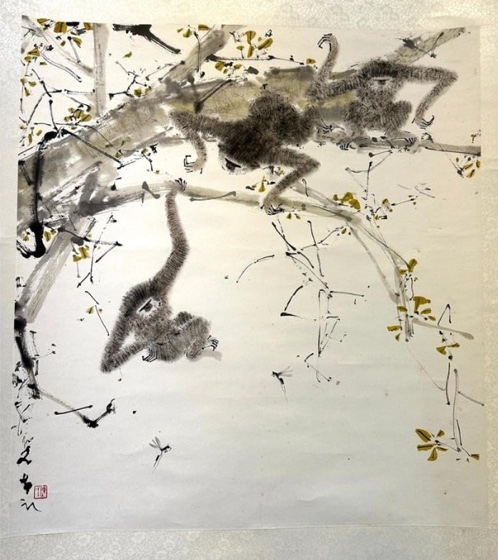
Chinese Ink Painting and Calligraphy
This course on Chinese ink painting and calligraphy introduces young learners to the rich traditions of Chinese art. Through hands-on activities, students explore the basics of brush techniques, ink control, and the delicate art of Chinese script. They learn to appreciate the cultural significance of calligraphy and painting, developing skills in creating elegant strokes and expressive brushwork. The course fosters creativity, patience, and fine motor skills, while also providing insights into Chinese history and aesthetics. By the end, children gain confidence in their artistic abilities and a deeper understanding of Chinese cultural heritage.
Funk with Graffiti
Funk With Graffiti Workshop for children is an engaging and creative program aimed at introducing young artists to the vibrant world of graffiti and funk-inspired street style art. Participants learn the basics of graffiti history, techniques, and safety. Guided by professional graffiti artists, children explore the art of designing their unique tags, emphasizing creativity, expression, and individuality. The workshop includes hands-on activities, from sketching concepts to creating final designs with spray paint on provided surfaces. By the end of the session, children gain confidence in their artistic abilities and an appreciation for graffiti and funk as legitimate forms of street art. Each child completes two original artworks, which they proudly take home, showcasing their newfound skills and personal style.
Batik Tales
In the Batik Introduction Handkerchief Painting workshop, participants will learn the traditional art of batik, a wax-resist dyeing technique originating from Indonesia. The workshop begins with a brief history and overview of batik, highlighting its cultural significance and various techniques. Participants will then observe a demonstration of applying wax with tjanting tools and dyeing the fabric. Following the demonstration, each participant will design and create their own batik handkerchief, applying wax to create patterns and then dyeing their fabric. The workshop concludes with a group discussion, allowing participants to share their creations and reflect on their learning experience.