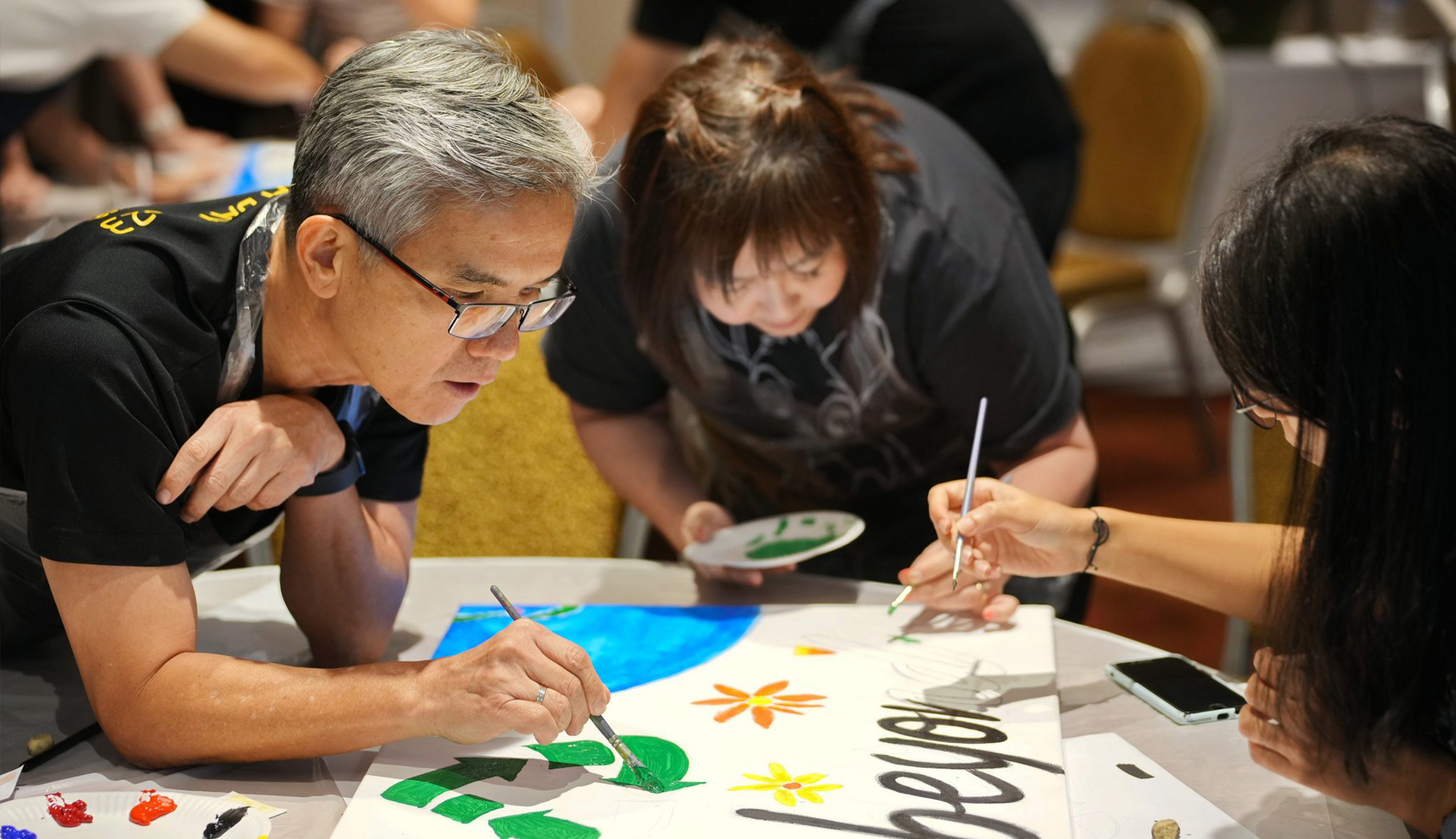
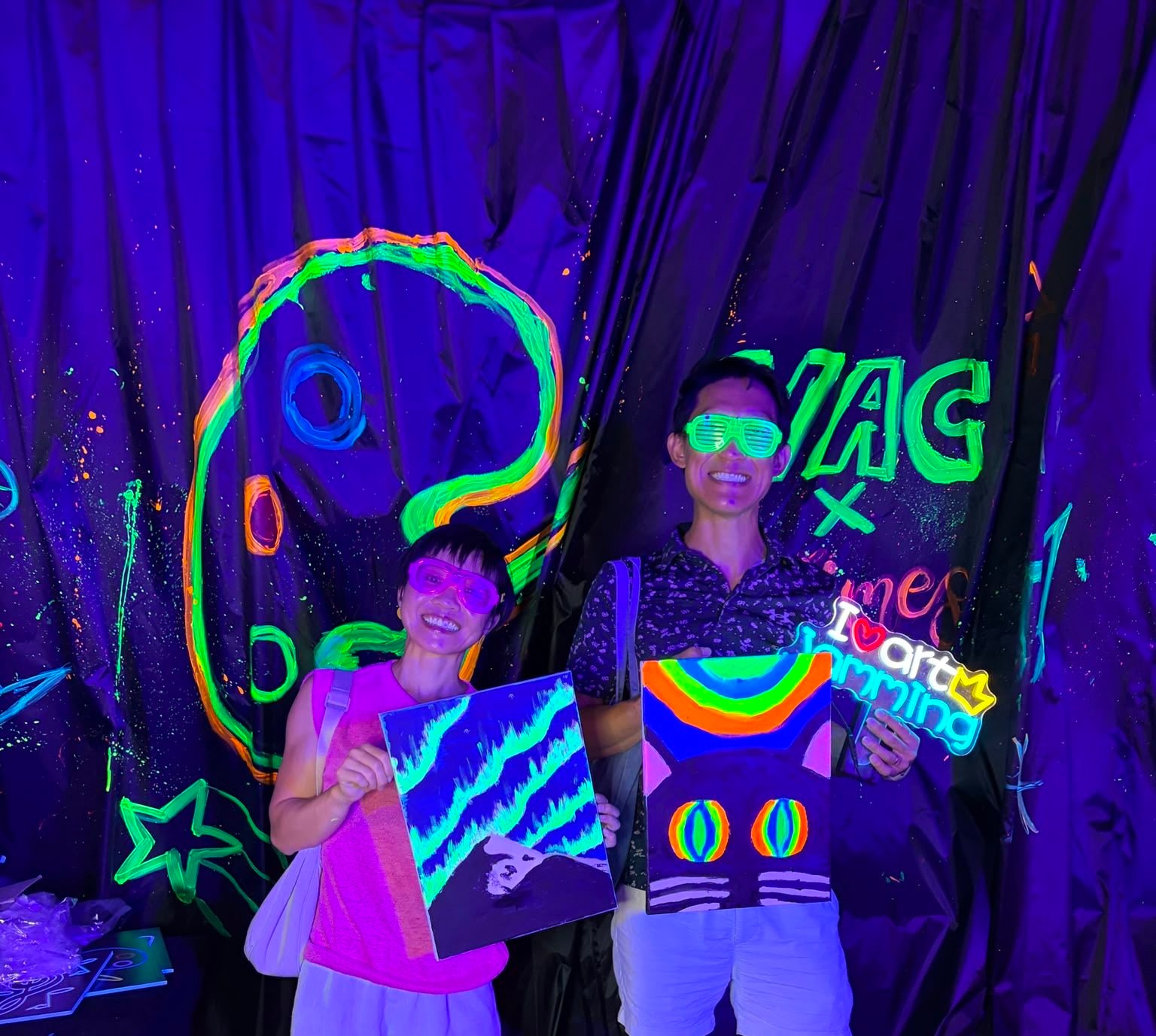
Acrylic Painting on Canvas Team Bonding Art Jamming Singapore Visual Arts Centre


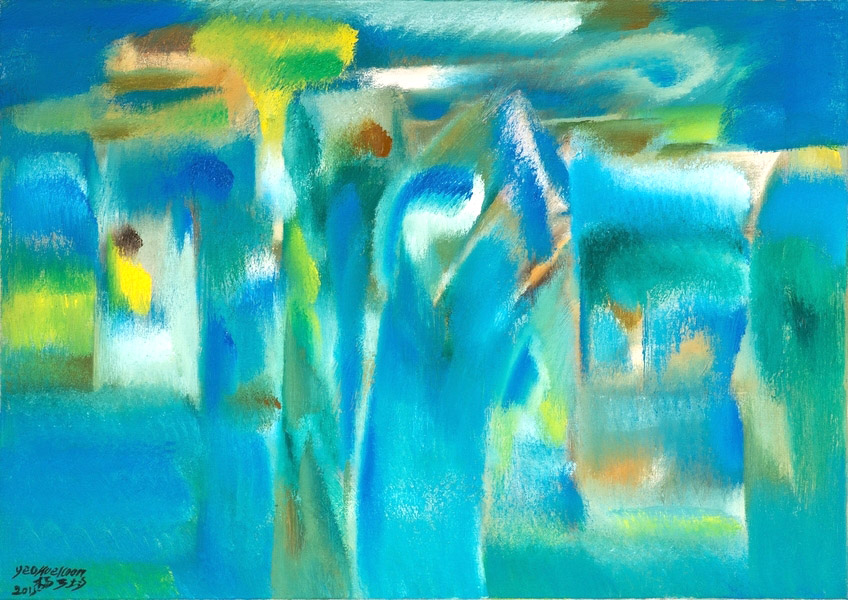
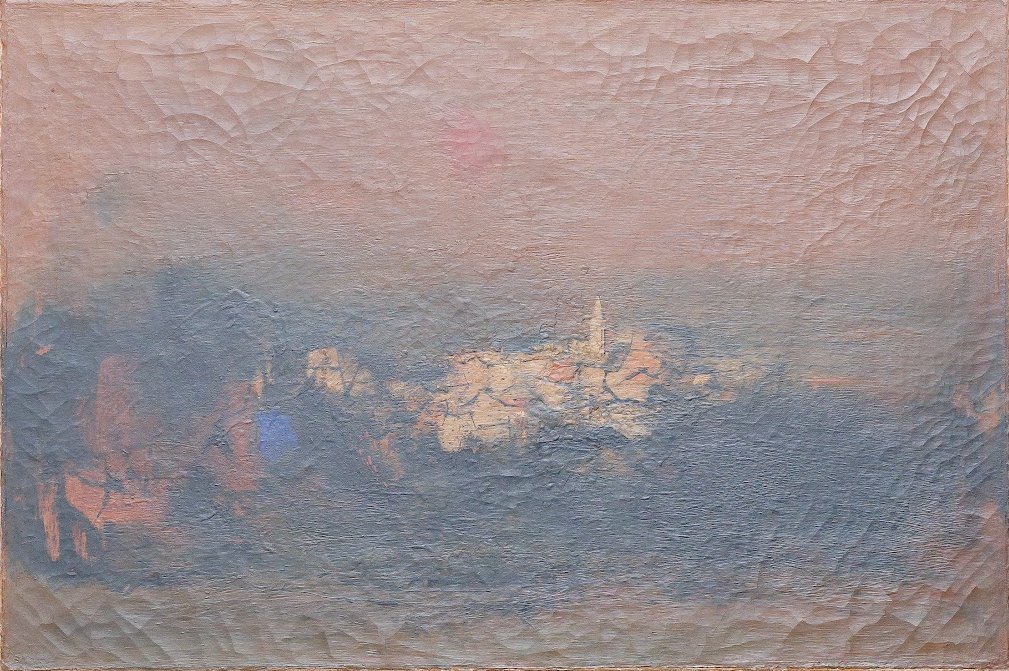
Yeo Hoe Koon
Oil on Canvas
64 x 89.5 cm
Price Range: $16,000 - $20,000
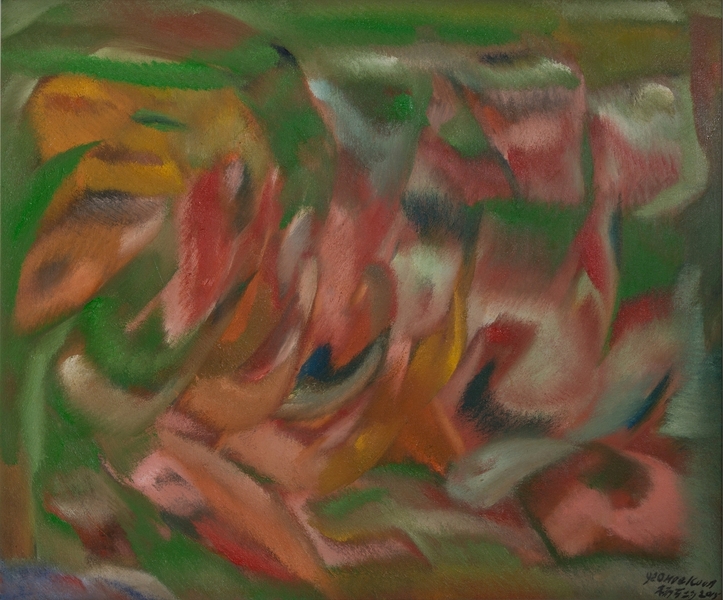
Yeo Hoe Koon
Oil on Canvas
101 x 123 cm
Price Range: $26,000 - $32,000
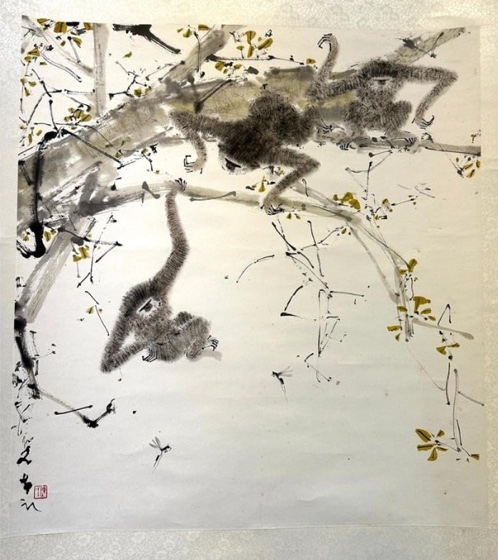
Chen Wen Hsi
Chinese Ink and Color on Paper
50 x 54cm
Price Range: SGD $42,000 - $50,000
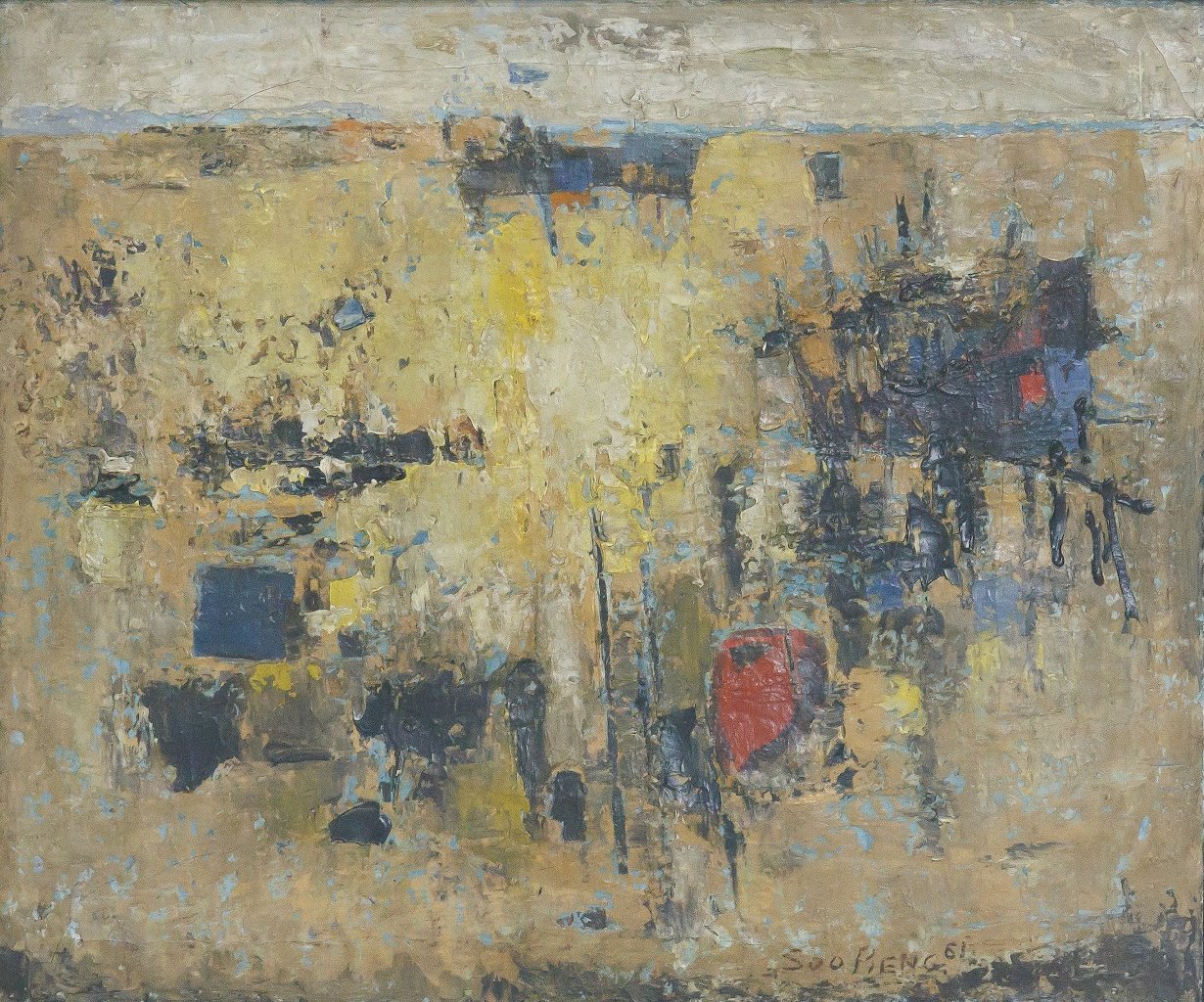
Cheong Soo Pieng
Red Tone
61 x 91.5cm
Price Range: SGD $108,000 - $138,000
Cheong Soo Pieng
Abstract Landscape
50 x 61cm
Price Range: SGD $95,000 -$128,000
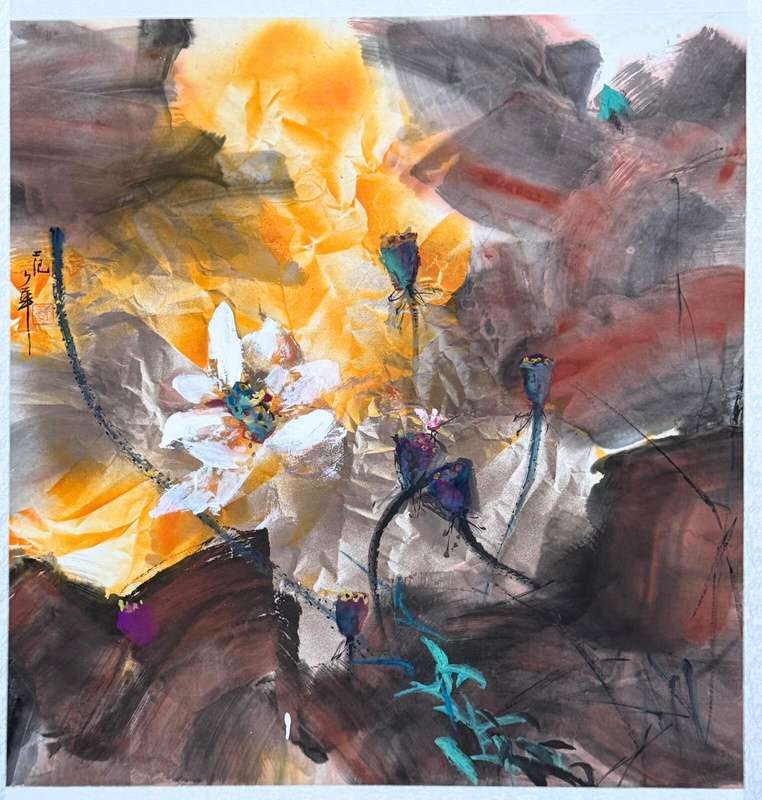
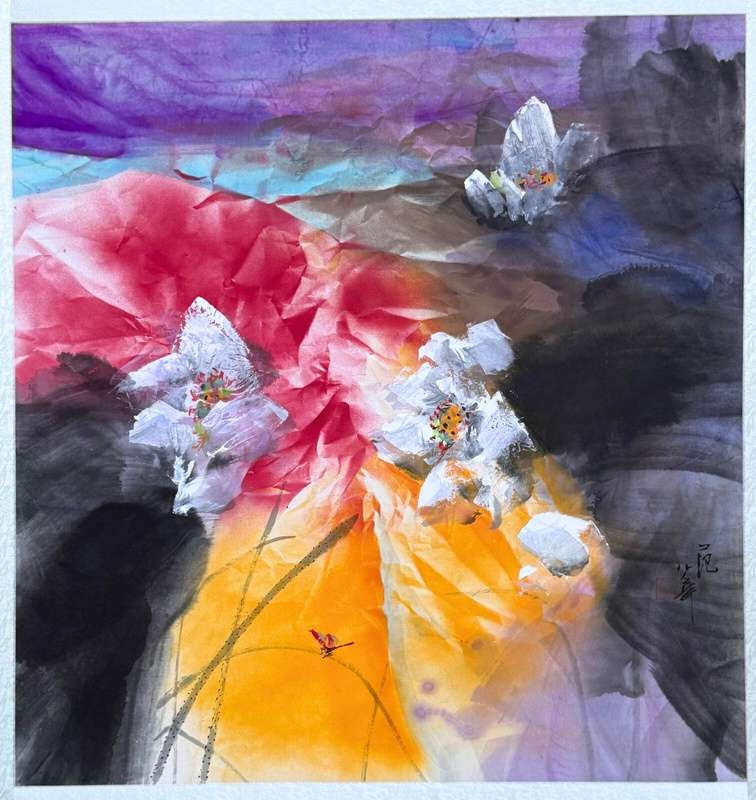
Fan Shao Hua
Chinese Ink and Colour on Paper
100 x 100cm
Price Range: SGD $9,800 - $14,800
Fan Shao Hua
Chinese Ink and Colour on Paper
100 x 100cm
Price Range: SGD $8,800 - $13,800
Do you wish to enter into local or global art schools like NAFA, LASELLE, SOTA, RMIT or ADM in NTU and do not know how to Prepare Art Portfolio ? Various local and international art schools requires art portfolios as an entry requirement. What is an art portfolio? How do I create a portfolio that can help me to get into the art school of my dreams? Is my portfolio good enough?
These are all common questions passionate art students have in mind. Fret not! We will explain to you how to put your portfolio together, as well as what it takes to make your portfolio attractive to art schools. We will also explain to you the courses you can take with us to build a good portfolio.
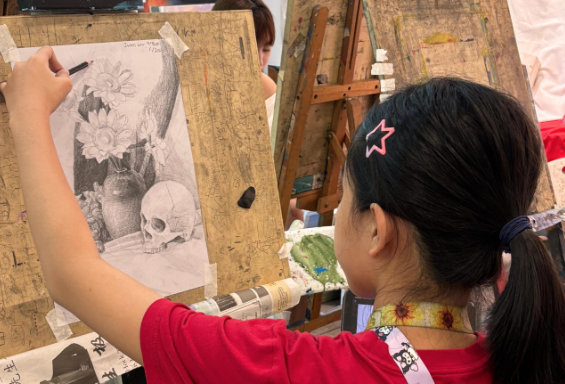
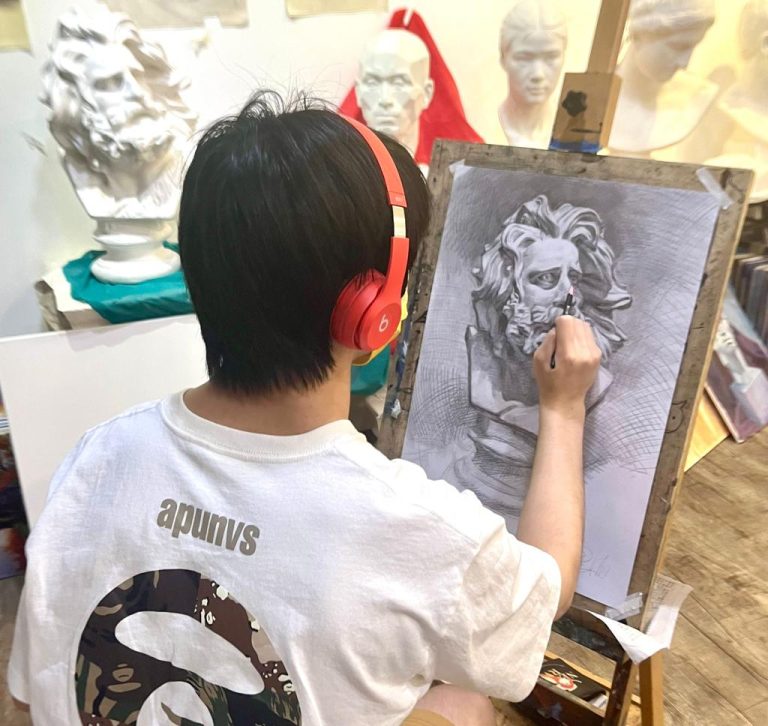
Portfolio Preparation – Our student woking on his still-life drawing and sketching
First of all, what is an art portfolio? According to the University of the Arts London, an art portfolio is basically a collection of your work. It shows how your skills and ideas have developed over a period of time. It should demonstrate your creativity, personality, abilities and commitment as it helps these schools evaluate your potential.
Your art portfolio will be a vital part of your application to any art school. In fact, it will be more important than your grades when applying to art schools, because it lets these schools see your techniques – how well you can utilise various different mediums.
The art portfolio should show your artistic level, innovative thinking, original ability, artistic passion, etc.
Now that you know what an art portfolio is, you must decide which school and what course you are interested in. Different art schools have different requirements and criteria for portfolios. The content of your portfolio will also differ according to the different courses offered. For example, if you are applying to a film school or animation school, your portfolio will likely be digital and consist mostly of work related to that field.
On the other hand, if you are applying to an fine art school, you may have more sketches and drawings to prepare your art portfolio. The format of your portfolio will also differ according to the school you wish to apply. So bear that in mind and research on what type of portfolio you would want to build for the school of your choice! It is best if you can find examples of portfolios from accepted students. This way, you know how a successful portfolio actually looks like.
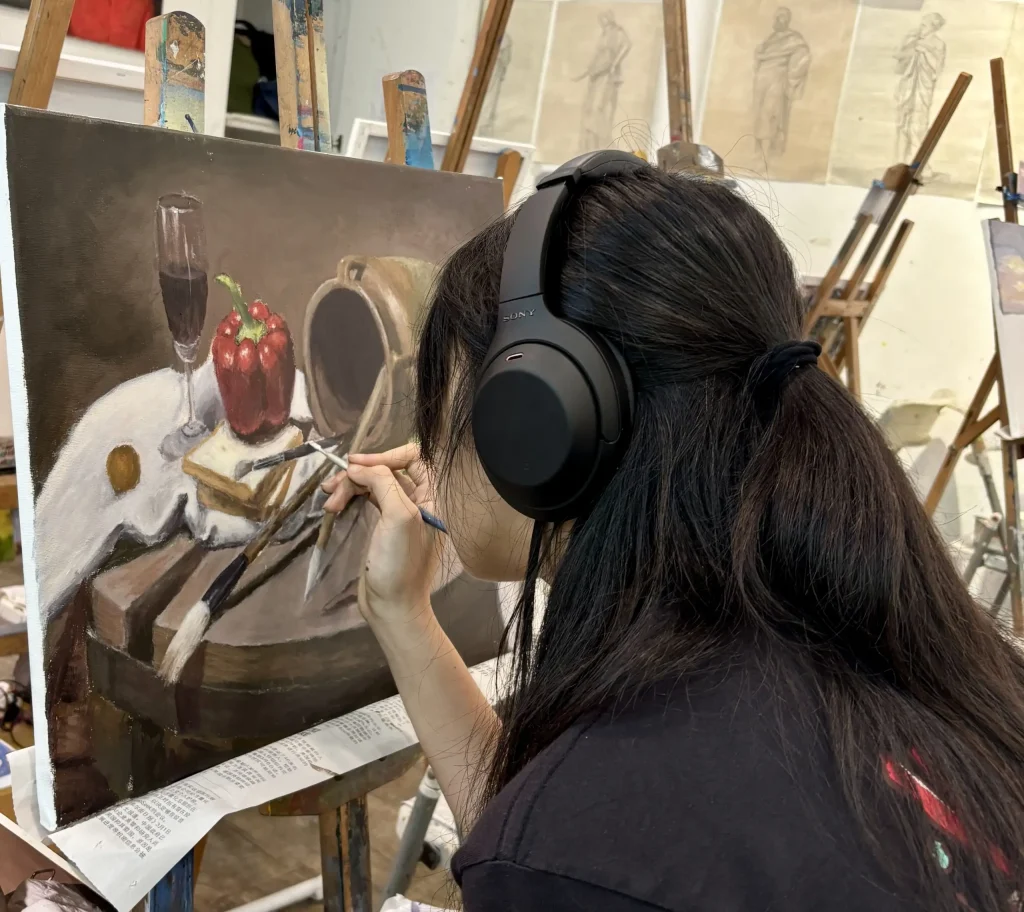
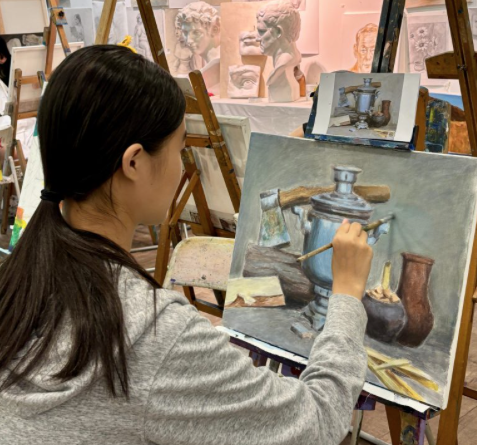
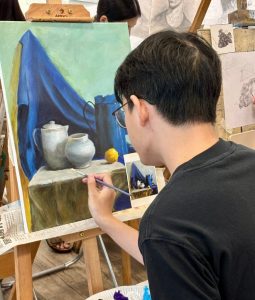
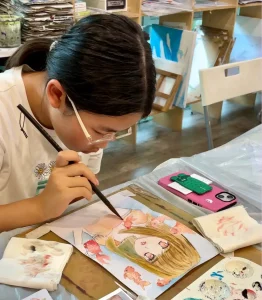
Portfolio Preparation – Student working on her realism acrylic paiting
15-20 of your best works, which should reflect your personal interests, experiences and competencies in the arts. All materials submitted should be original work created by the applicant. Work copied from other sources such as magazines, film, work of other artists, will not be considered. Portfolio pieces may represent classroom assignments or independent projects.
Submissions may include, but are not limited to, two-dimensional, three dimensional, and/or time-based work (e.g. games, audio recording, scripts, website, etc.). Preparatory work such as sketches and concept drawings may be included as components of your portfolio.
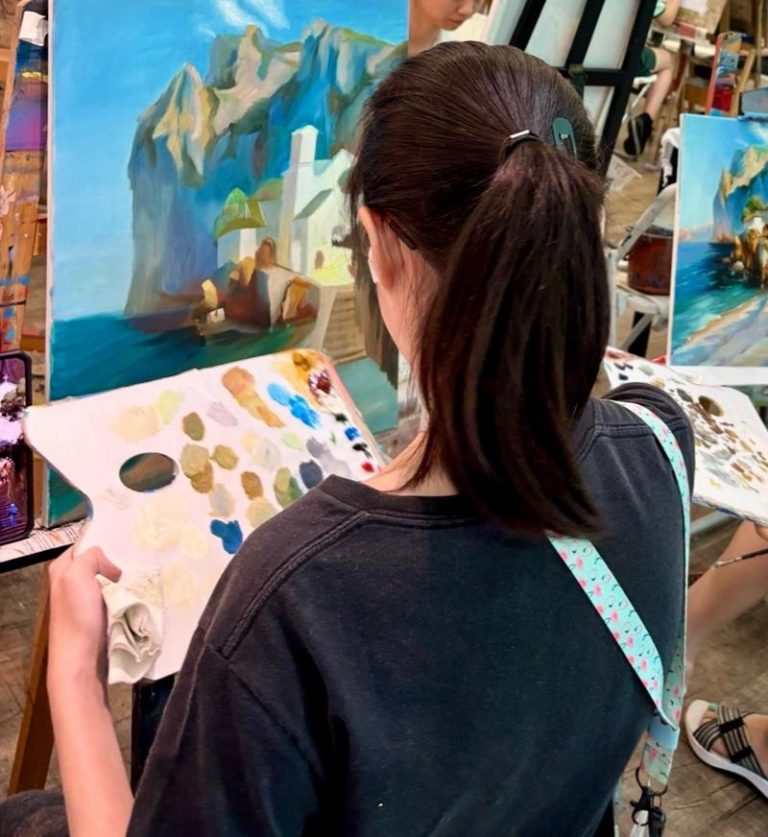
Portfolio Preparation – Foundational Still Life Painting Practice
When looking at a portfolio, the first thing art schools will usually look out for is the student’s technical mastery. This is perhaps the most obvious trait of all, as it shows directly how skilled you are as an artist. Technical mastery includes being able to apply basic and advanced art principals to your work, create work that shows a high level of attention and detail, and complete projects that are free of sloppiness and mistakes.
Art schools will also look at your versatility and variety to judge how you prepare your art portfolio. One reason versatility is important is because the ability to create multiple art forms is a sign of a talented artist and one who can apply their skills in multiple ways. It is also rare for an artist to stick exclusively to one art form. For example, artists who work with ceramics or in fashion design often need to be able to draw accurate designs before they begin their work.
Often, they will also look for your own unique style and personality in your works. The School of the Art Institute of Chicago states on its admissions page that the most important thing they look for in an art portfolio is “[W]ork that will give us a sense of you, your interests, and your willingness to explore, experiment, and think beyond technical art and design skills.” Your style will be the factor that differentiates you from the others, and can be a plus point in art school applications!
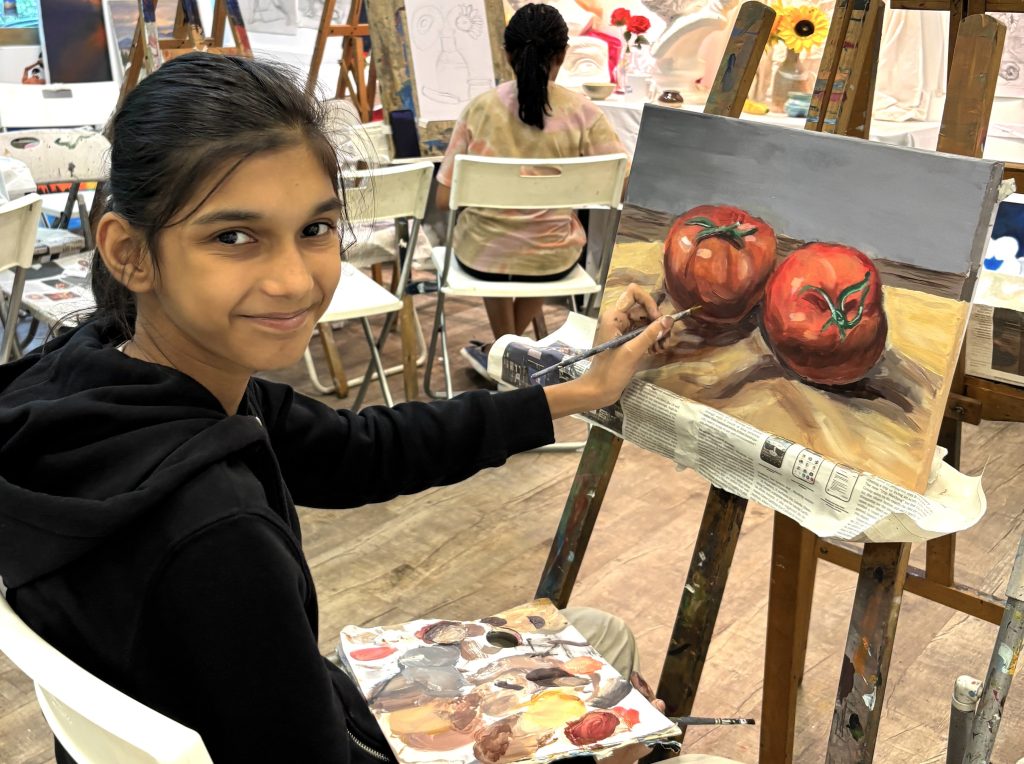
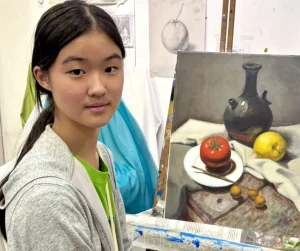
Portfolio Preparation – Foundational still-life fruits acrylic painting
Of course, you can always practice by yourself to improve your artistic skills. However, we strongly recommend a more systematic approach. At Visual Arts Centre, we provide professional courses which will definitely add memorable pieces to your portfolio. Our courses include Professional Oil Painting, Professional Watercolour Painting, Professional Acrylic Painting as well as Professional Drawing and Sketching. We also have a course that focuses more on portfolio preparation on its own!
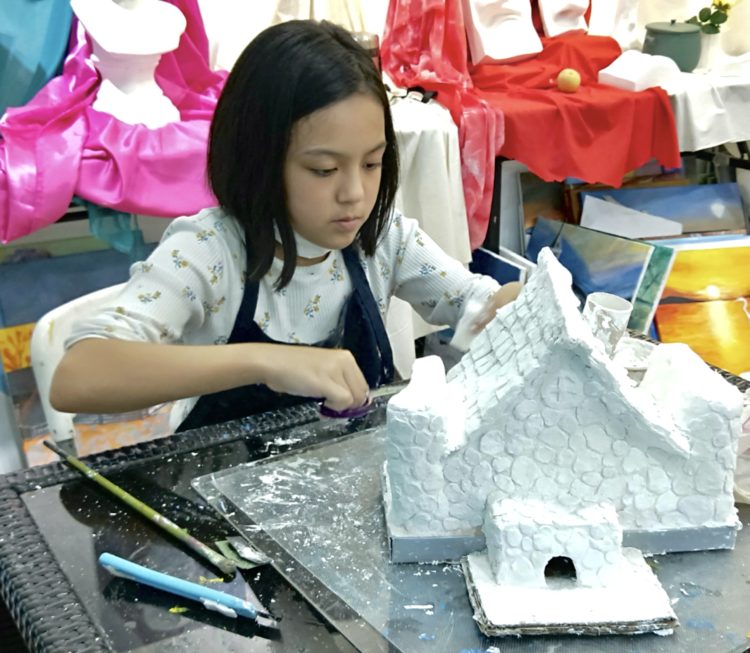
Portfolio Preparation – student working on her 3D scupture work for her portfolio
In our courses, you will be taught painting and sketching techniques through an academy-school approach, with the guidance of our teachers, who are professionally trained artists. You will be taught observation, form and composition, colour mixing and blending, brushwork and a variety of painting and sketching techniques when you embark on your journey with us. These are all very important skills to have when building an art portfolio.
We also provide a Art Immersion 3-Medium Programme, which includes watercolour, acrylic and drawing and sketching. This course will help you to improve on your versatility as we navigate you through the different mediums. In our classes, our teachers encourage you to explore different styles and approaches, so that you can develop your own style. Through our courses, you will be able to churn up many amazing pieces of work to build your portfolio!
We offer 24 and 50 sessions of portfolio building courses, depending on your requirements and skill level. Our teachers will tailor your lessons to your own portfolio needs. Our schedules are also very flexible, and you can come whenever you are free, according to our timings.
Drawing sketching, Colouring, includes still life, landscape
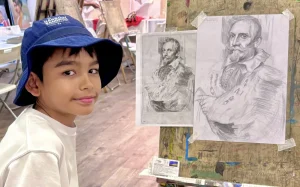
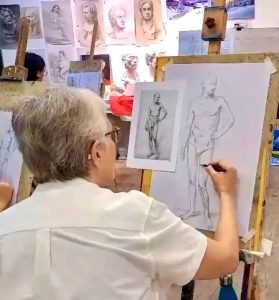
Portfolio Preparation – Life drawing of plaster cast by our student
Portfolio Preparation – Our student working on her realism still-life acrylic painting
Having a reputable art portfolio requires your own original work. You will have to use both your creativity and your drawing techniques to craft out your own original artwork. Many art schools wishes you to create an artwork that is aspiring.
After finishing your artwork, we will teach you how to constantly improve it, making the necessary adjustments before submission. When selecting your best piece of artwork, make sure to remember it is not the quantity that makes up your portfolio but the quality of it.
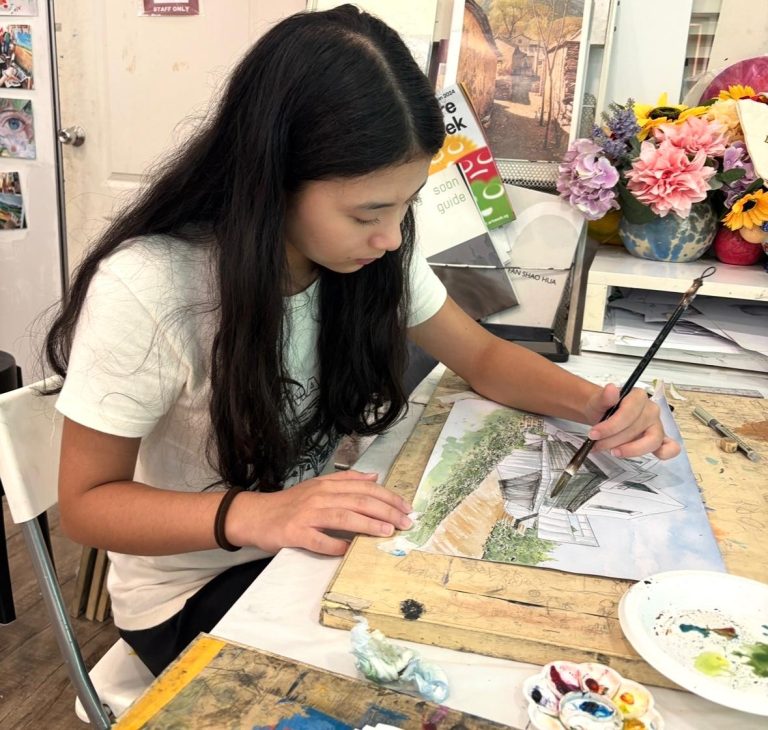
Our student working on her architecture watercolour painting
Learning foundation Art theories and a brief history in Fine Arts as well as how you can use your own artwork to express yourself.
If your child wants to enter the ideal middle school with special artistic talents, build up their artistic talents so they can be admitted successfully through the DSA programme, with a good art portfolio. DSA is also known as direct school admission,it aims to promote holistic education by giving participating schools greater flexibility in selecting students while holding to the key principles of transparency and meritocracy. For example, if your child wants to enter an art school, he or she will need a basic requirement such as the art portfolio as their submission for DSA.
Join the Visual arts centre for children’s art courses to lay a solid foundation in drawing from an early age and prepare for further studies.
Visual Arts Centre provides a free consultation on IB Diploma Programme Visual Arts Course / Diploma/ Degree/ Masters for Art Portfolio Preparation for those who wants to understand how to prepare a art portfolio for their dream school. We provide a service where we can help you to understand what requires of a portfolio preparation – from artworks, to submission dates as well as interview practices.
Do schedule a consultation on Art Portfolio Preparation with us asap as it takes time to create an art portfolio.
|
|
|||||||||||||||||||||||||||||||||||||||||||||||||||||||
SAT |
10:30am - 12:45pm1pm - 3pm
|
SAT |
|
10:30am - 12:45pm1pm - 3pm
|
|
Address:
10 Penang Road, #01-02 Dhoby Ghaut Green,
Singapore 238469
Exit from Dhoby Ghaut MRT Station Exit B and turn left, we are there in 30m!
Address:
AZ@Paya Lebar, 140 Paya Lebar Road, #03-04,
Singapore 409105
Exit from Macpherson MRT Station Exit A and turn left, we are right across the road, 1 minute walk away!
Have any questions? Please drop us an enquiry form and we’ll respond to you as soon as we can!
Click and get to our WhatsApp
Embark on a captivating journey into the vibrant world of digital art! Our Foundation in Digital Art workshop invites budding creatives aged nine and above to unleash their imagination and hone their artistic skills in a dynamic, supportive environment. From mastering basic digital tools to crafting mesmerizing digital masterpieces, children will explore a spectrum of techniques guided by seasoned mentors. Through hands-on activities and interactive sessions, participants will discover the endless possibilities of digital expression while fostering creativity and critical thinking. Join us for an exhilarating adventure where young artists transform ideas into stunning visual realities, igniting a passion for digital art
In the Batik Introduction Handkerchief Painting workshop, participants will learn the traditional art of batik, a wax-resist dyeing technique originating from Indonesia. The workshop begins with a brief history and overview of batik, highlighting its cultural significance and various techniques. Participants will then observe a demonstration of applying wax with tjanting tools and dyeing the fabric. Following the demonstration, each participant will design and create their own batik handkerchief, applying wax to create patterns and then dyeing their fabric. The workshop concludes with a group discussion, allowing participants to share their creations and reflect on their learning experience.