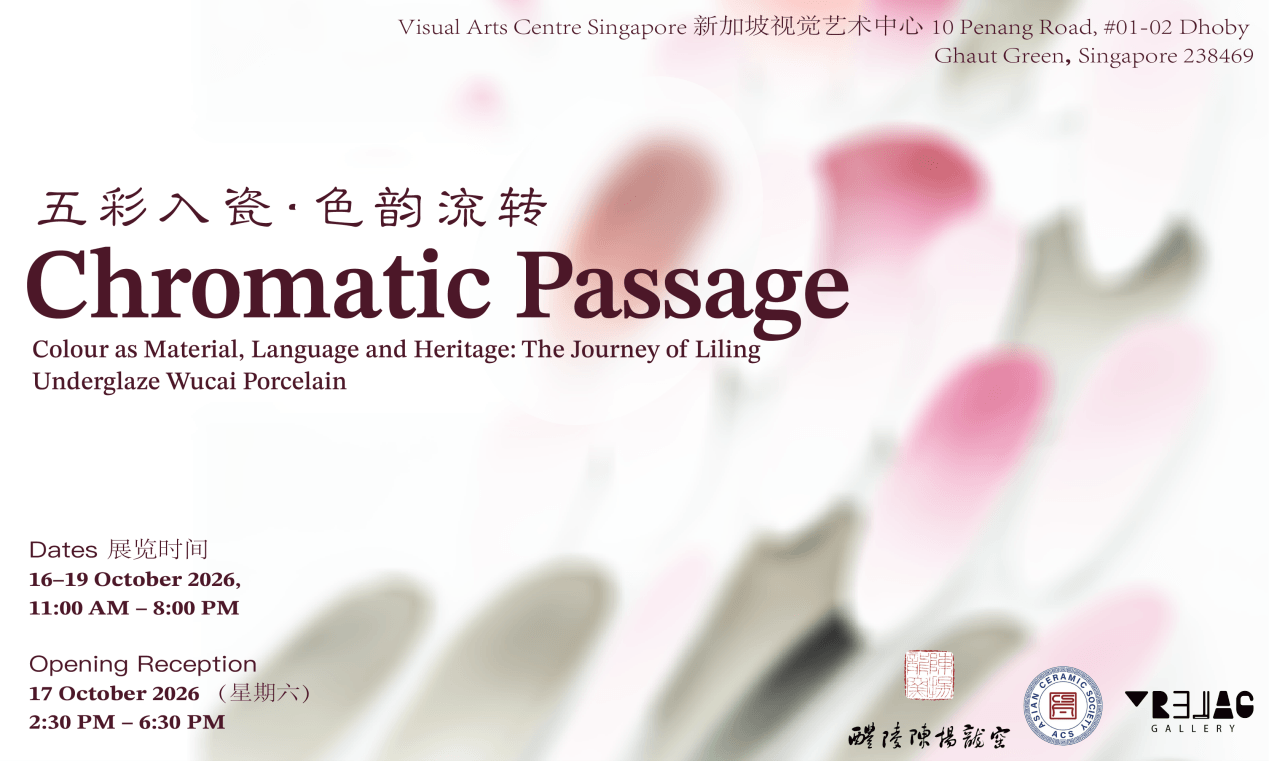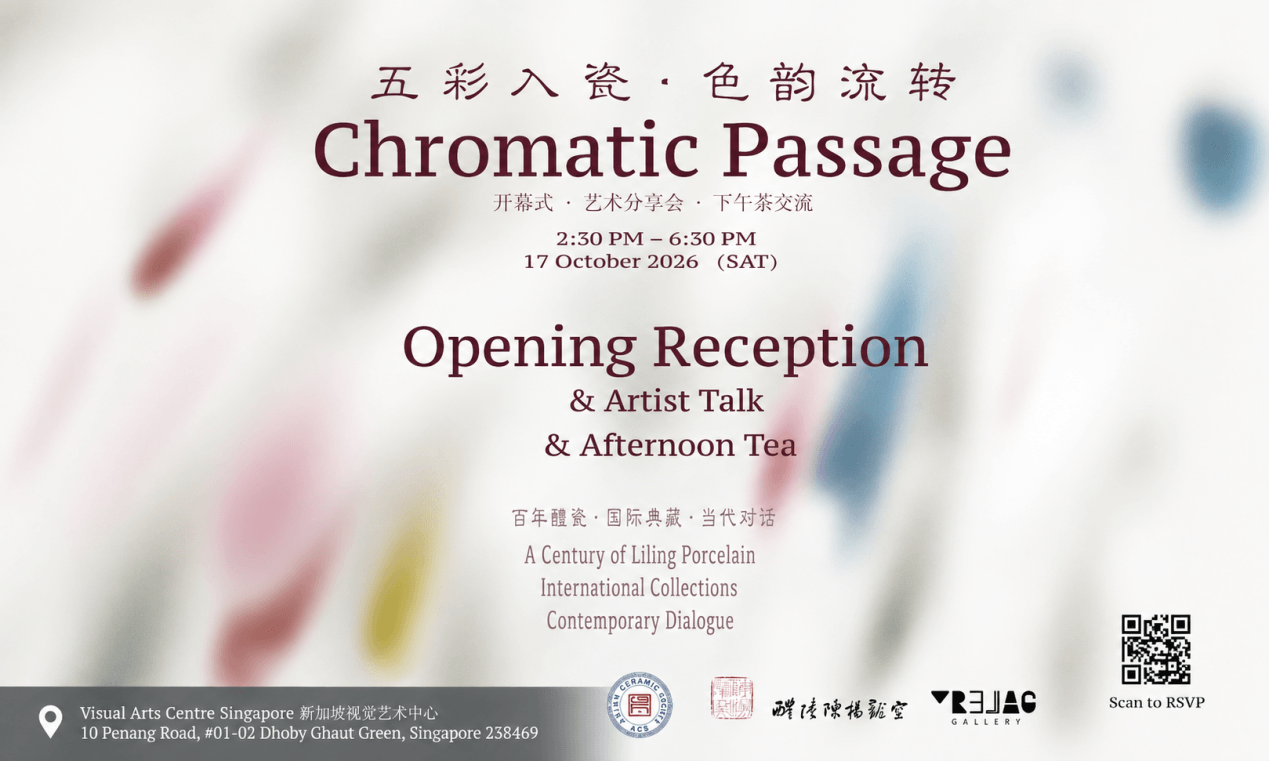
五彩入瓷 · 色韵流转

Chromatic Passage

Colour as Material, Language and Culture

百年醴瓷 · 国际典藏 · 当代对话

A Century of Liling Porcelain · International Collections · Contemporary Dialogue

Synopsis

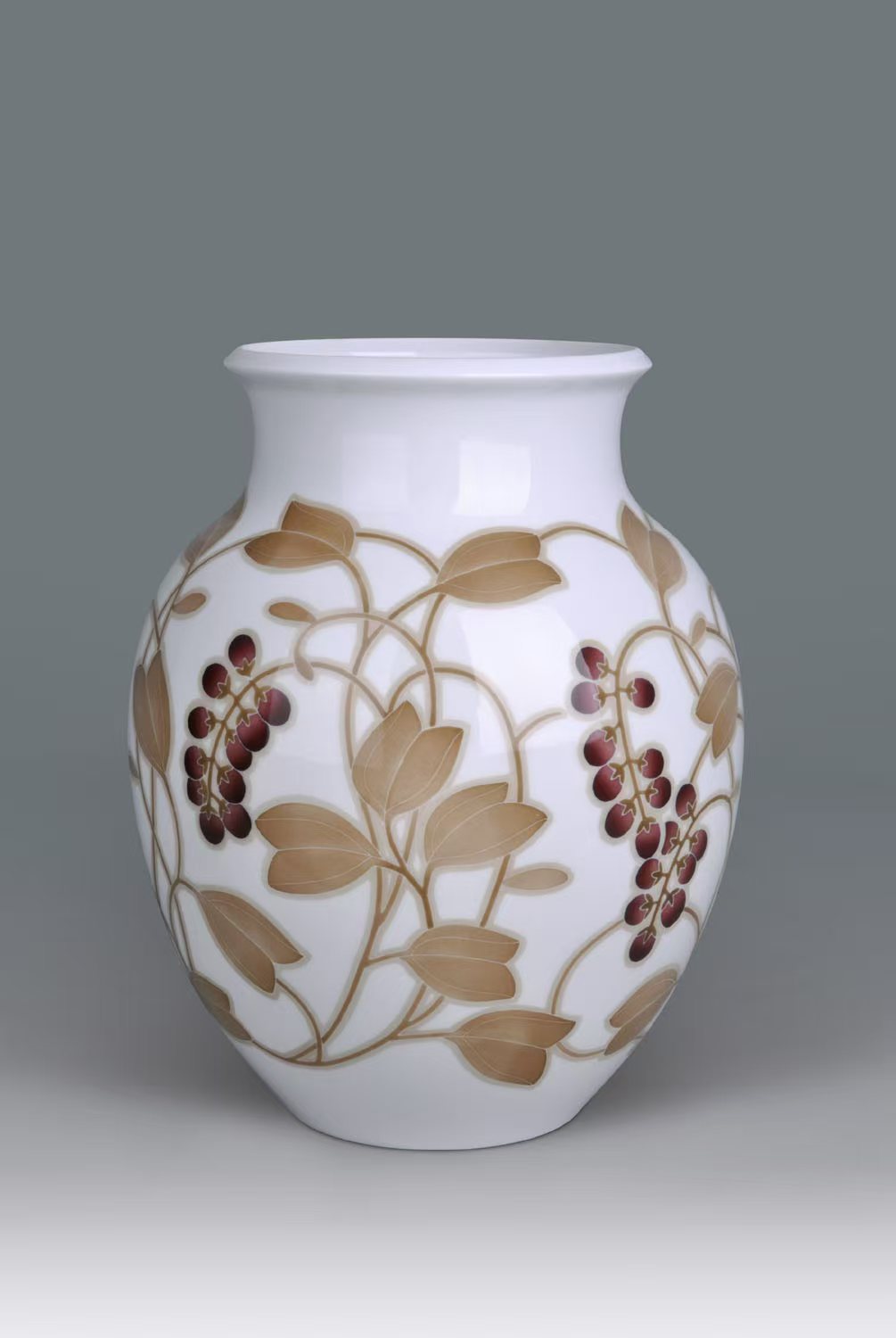
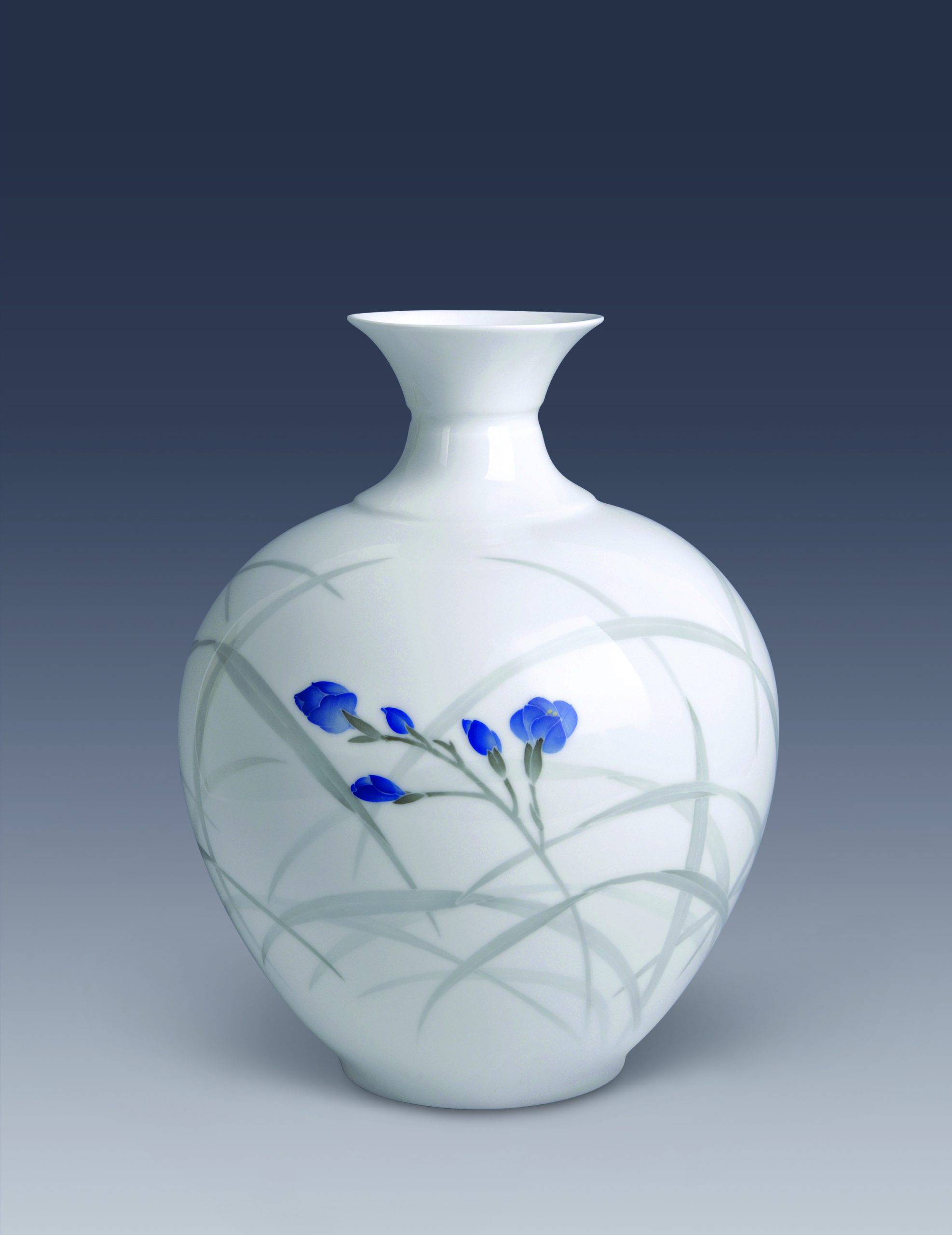
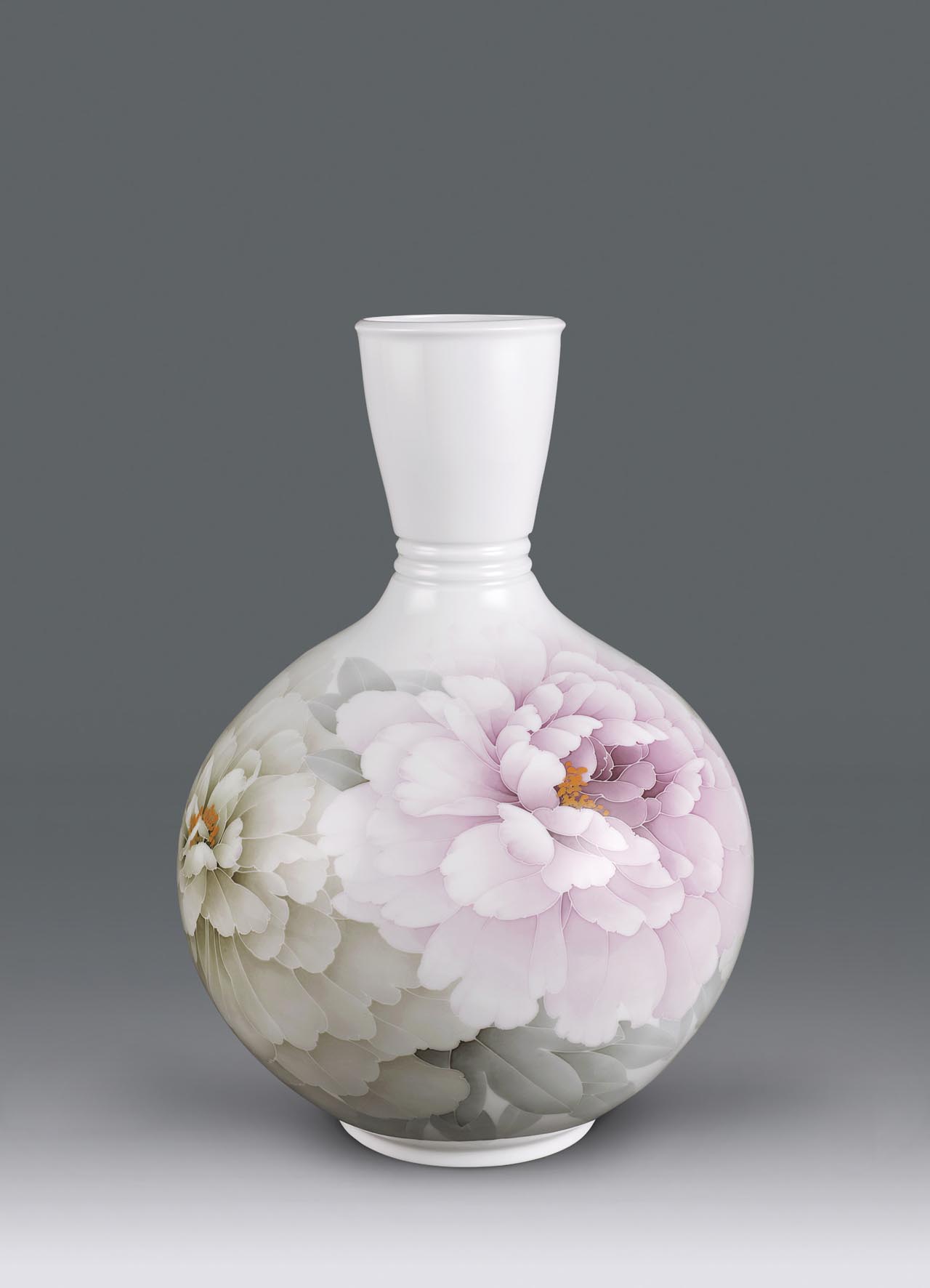
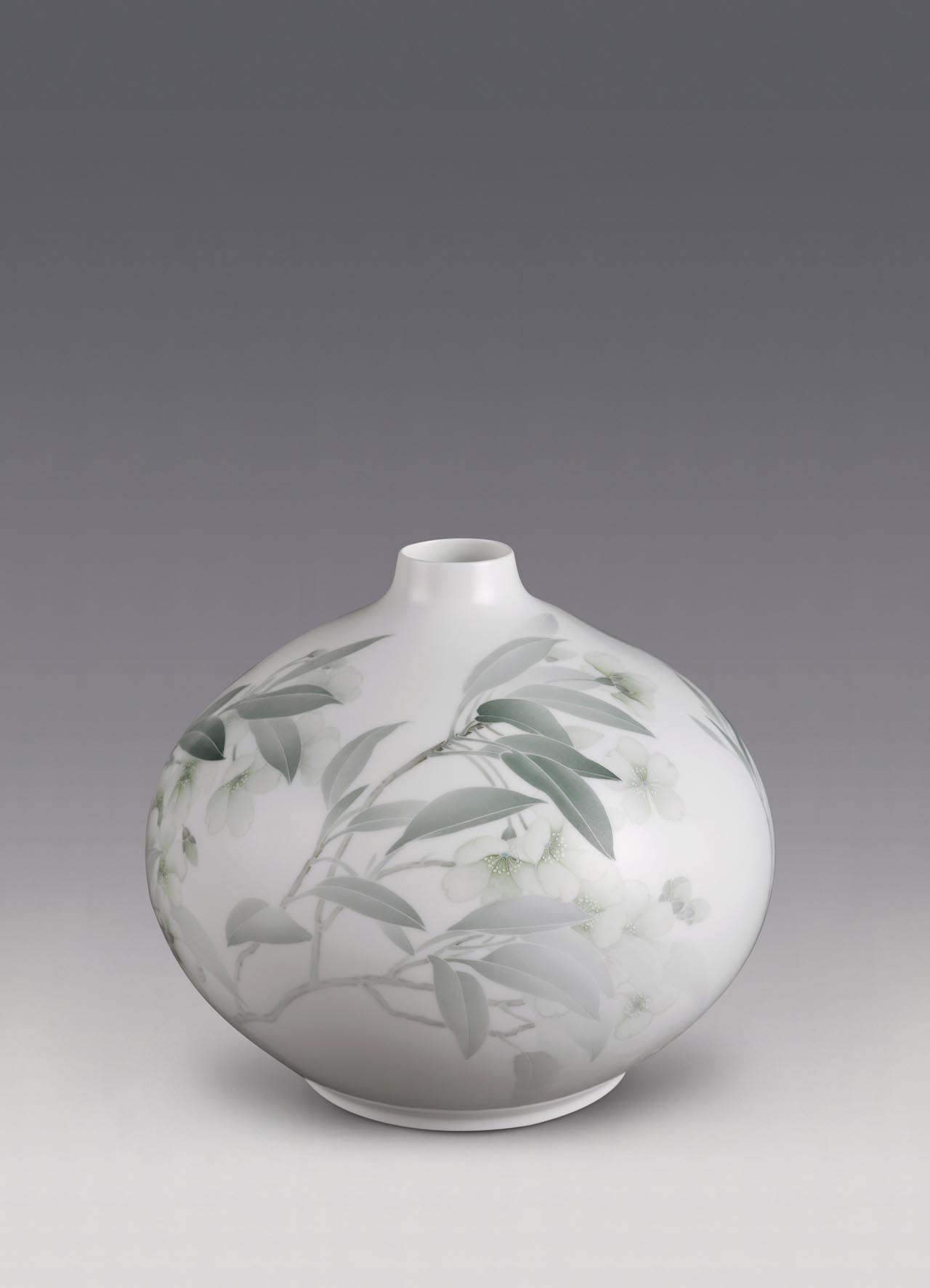
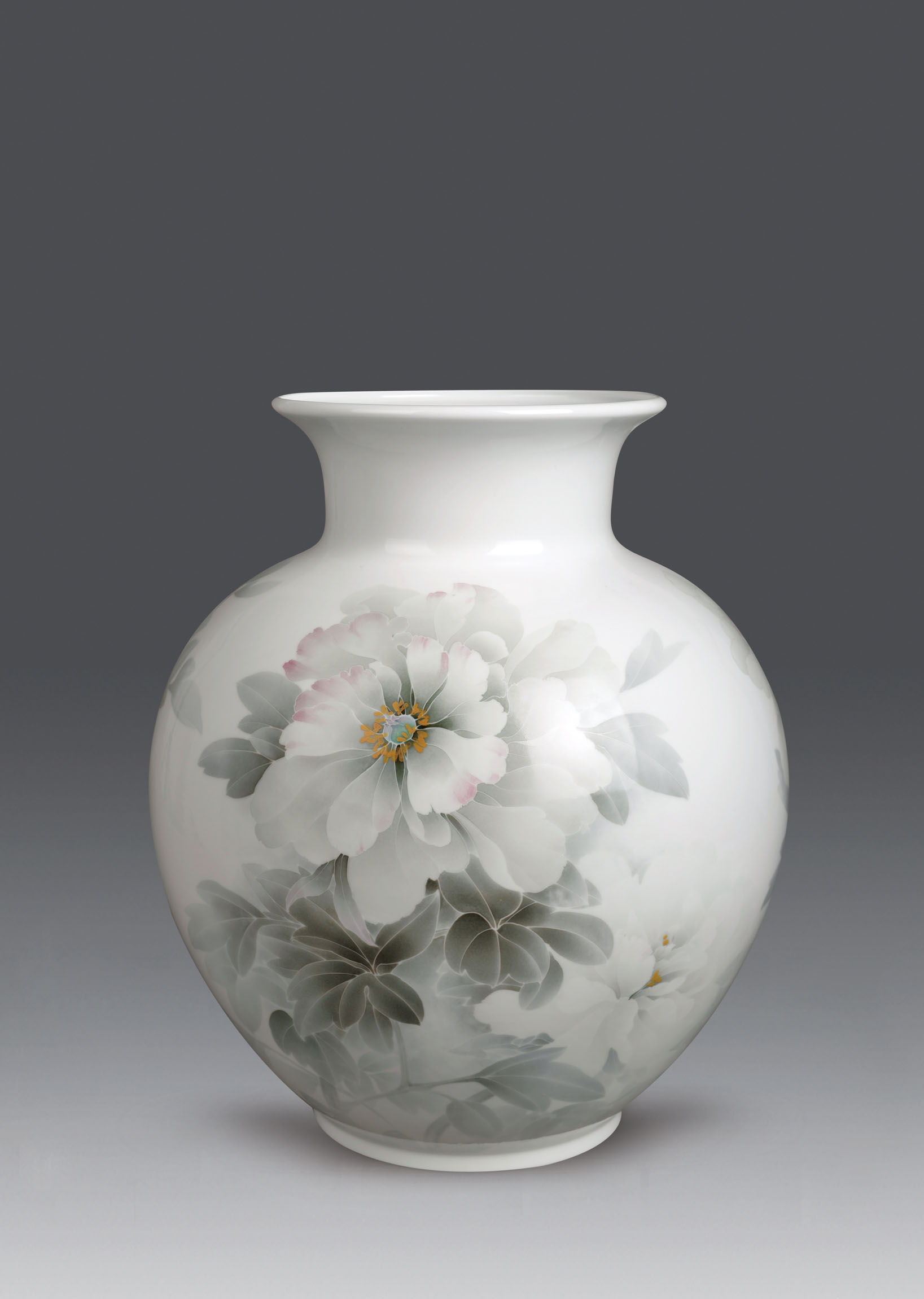
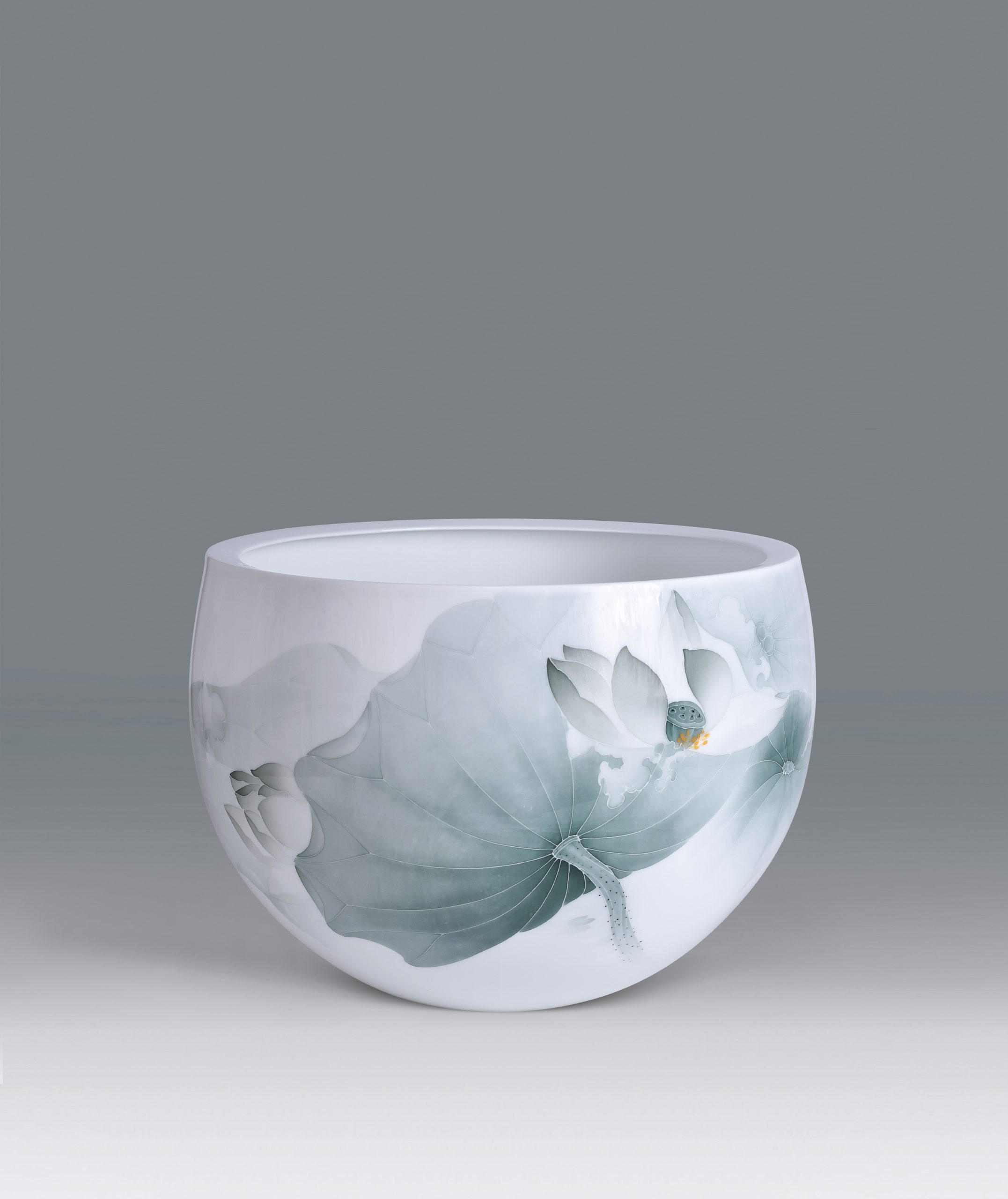
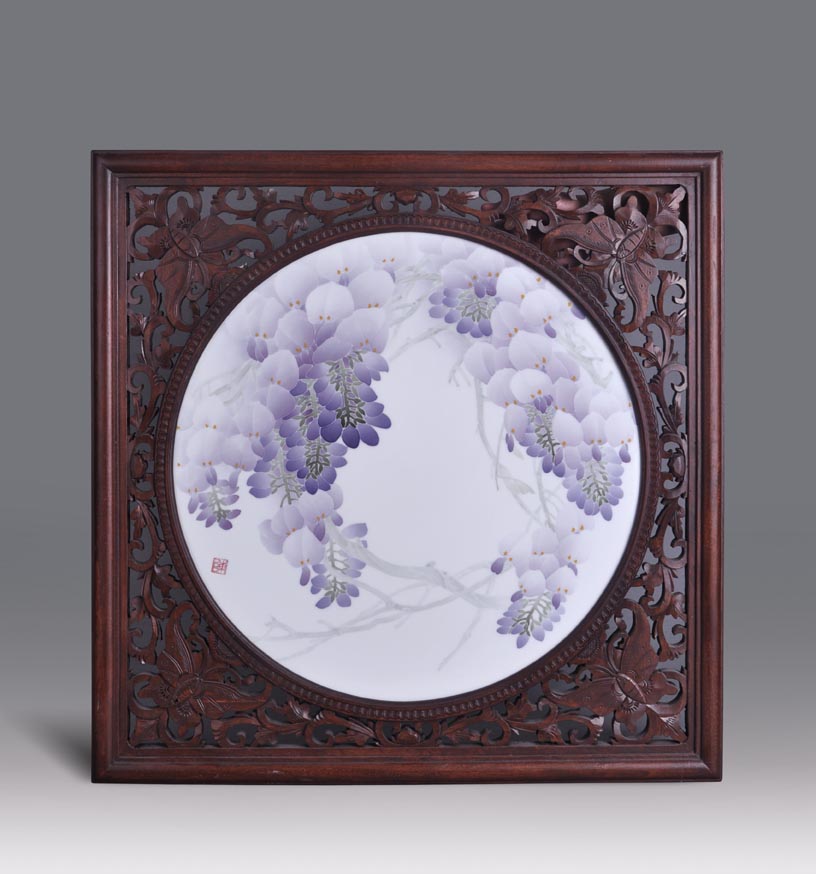
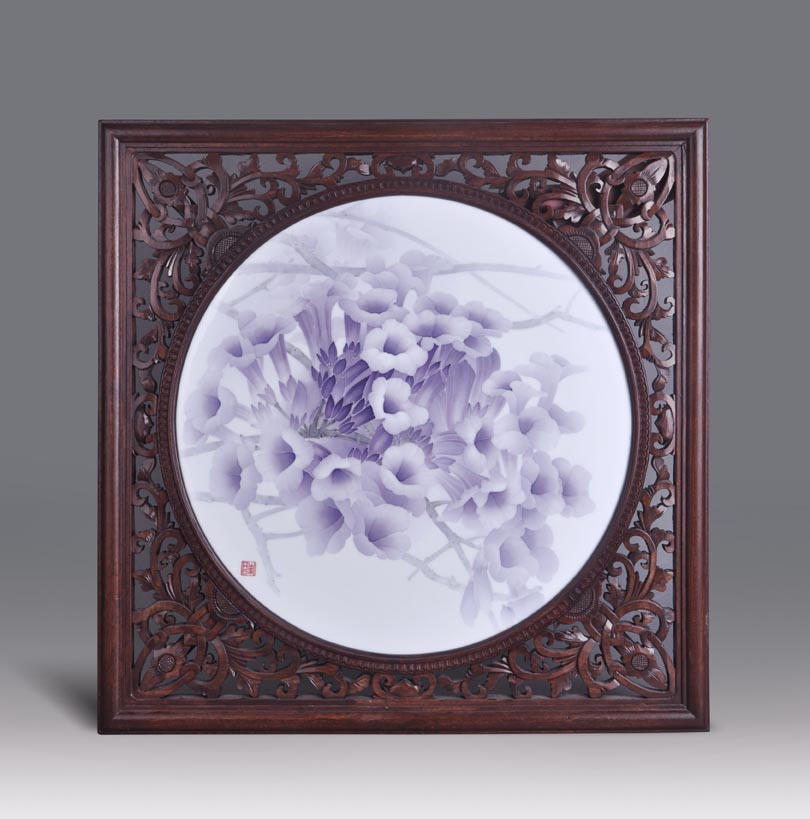
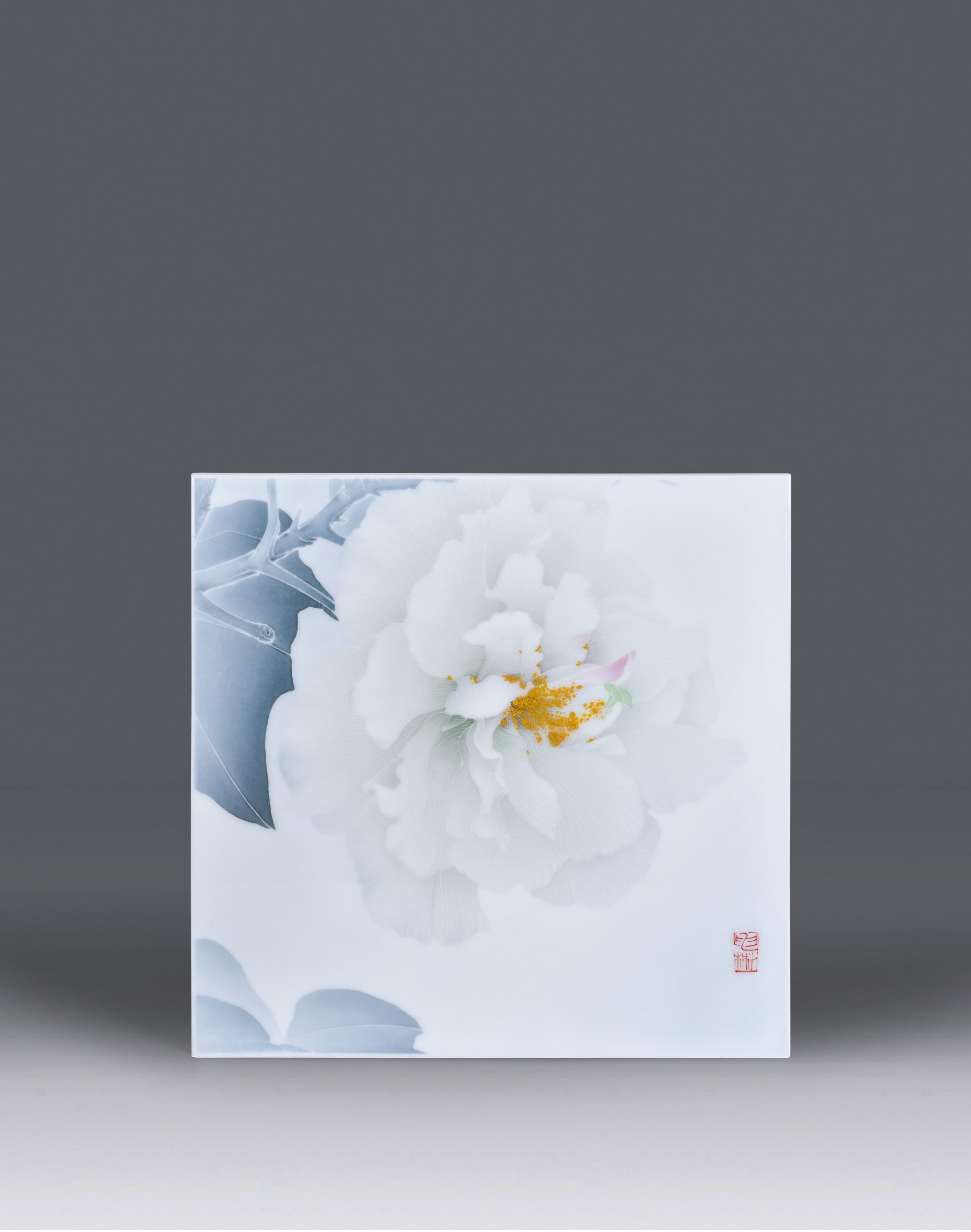
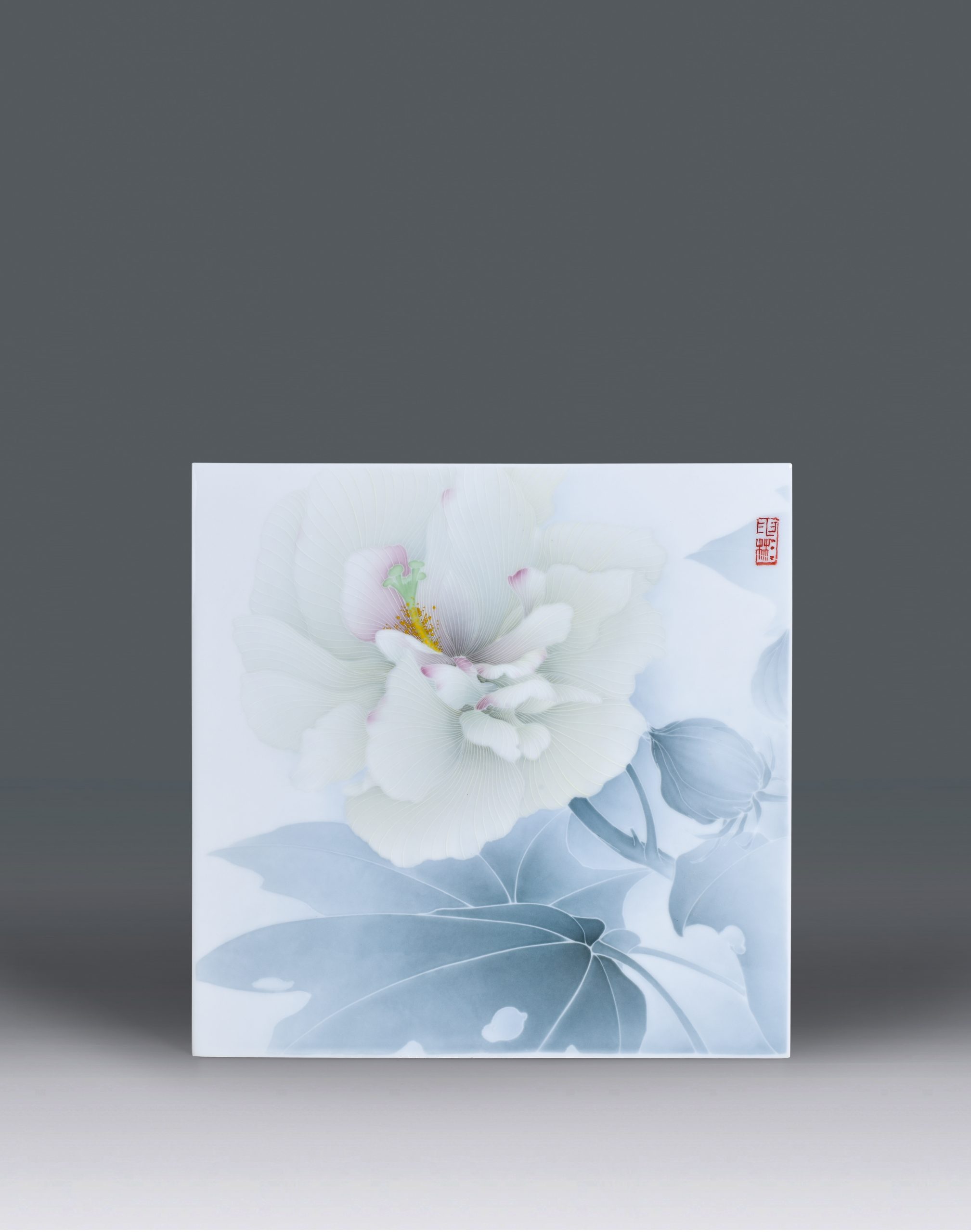
The story of Liling Underglaze Wucai began with a breakthrough in high-temperature ceramic colourants in the early twentieth century. Over more than a century of development, colour has evolved from an early technical experiment into a distinctive visual language, continuously sustained and reinterpreted through family lineage, master–apprentice traditions, and contemporary artistic practice.

This exhibition brings together nearly 40 iconic works by three artists across two generations of the Chen Yanglong Kiln lineage, including representative works held in the collections of major museums and institutions such as the British Museum, the Victoria and Albert Museum (V&A), and the National Museum of China.

From early examples of Underglaze Wucai to Chen Yanglong’s signature technique of “light painting and shallow infiltrating”, and onward to contemporary works by Chen Li and Shen Bin, the exhibition traces how a colour tradition evolved from material experimentation into a mature ceramic language — and how, through successive generations, this language continues to be reinterpreted and rewritten.

醴陵釉下五彩瓷的故事,始于 20 世纪初高温彩料的突破。经过百余年的发展,色彩从最初的工艺实验,逐渐成为一种独特的视觉语言,并在瓷业发展、非遗传承、师徒体系与当代艺术实践中不断延续与重构。

本次展览特别呈现陈扬龙窑两代传承体系中的三位艺术家的近 40 件代表性作品,其中包括大英博物馆、V&A、中国国家博物馆等重要博物馆与机构典藏体系中的代表性作品。

从早期釉下五彩作品,到陈扬龙“薄施淡染”的经典工艺,再到陈利、申彬的当代实践,展览呈现一种色彩传统如何从材料实验走向成熟,又如何在代际传承中不断被重新书写。

Four Chapters, One Journey Through Colour

四个章节,展开一段色彩的旅程

色之生成 · Genesis

Beginning with experiments in high-temperature ceramic colourants, this chapter explores how colour is generated through the interaction of the ceramic body, glaze, and kiln firing.

从釉下五彩高温彩料的色彩实验出发,了解颜色如何在胎、釉与窑火之间生成。

色之书写 · Practic

Through Chen Yanglong’s signature technique of “light painting and shallow infiltrating”, this chapter explores how colour is built up layer by layer, creating a visual language that is fluid, translucent, and rich in spatial depth. Chen Yanglong is a Master of Chinese Arts and Crafts and a National-Level Intangible Cultural Heritage Representative Inheritor of Liling Underglaze Wucai.

通过中国工艺美术大师、醴陵釉下五彩国家级非物质文化遗产传承人陈扬龙的“薄施淡染”技法,观看颜色如何被层层书写,并形成水润、通透而富有空间感的视觉语言。

色之延续 · Continuum

Through family and master–apprentice transmission, alongside the artistic practices of Chen Yanglong Kiln’s fourth-generation inheritors, Chen Li and Shen Bin, this chapter considers how a tradition evolves through inheritance, and how it continues through change.

通过家族与师徒传承,以及陈扬龙窑第四代传承人陈利、申彬的艺术实践,观看一种传统如何在继承中变化,在变化中延续。

色之流转 · Passage

Taking Liling, Hunan, China, as a cultural point of departure, this chapter follows the cross-cultural exhibitions and colour practices of Liling Underglaze Wucai Porcelain from Britain to Southeast Asia. It explores how a visual language travels across time and space, continually translated, reimagined, and given new meanings in different cultural contexts.

以中国湖南醴陵作为文化支点,透过醴陵釉下五彩瓷从英伦到南洋的跨文化展览与色彩实践,探索一种视觉语言如何穿越时间与空间,不断被转译、再造,并产生新的意义。

We warmly invite you to experience the exhibition through the works themselves — to see how colour enters porcelain, enters art, and enters different places and cultures; and to discover how a colour tradition rooted in Liling has, through a century of circulation, continued to evolve and transform, opening new dialogues with the contemporary world.

transform, opening new dialogues with the contemporary world.
我们诚挚邀请您来到展览现场,从一件件器物出发,看色彩如何进入瓷器、进入艺术,也进入不同地域与文化;感受一种源自醴陵的色彩传统,如何在百年流转中不断延续、变化,并与当代世界展开新的对话。

Exhibition Details

Duration|展期

16–19 October 2026

Opening Reception|开幕式

17 October 2026 · Saturday
2:30–6:30 PM

Time|开放时间

11:00 AM–8:00 PM daily

Venue|展览地点

Visual Arts Centre
10 Penang Road, #01-02, Dhoby Ghaut Green, Singapore 238469
Parking available at Plaza Singapura

venue here

Our Visual Arts Centre Exhibition Gallery Venue Hire Calendar For 2026/2027 Is Open!

Foundation In Digital Art

Embark on a captivating journey into the vibrant world of digital art! Our Foundation in Digital Art workshop invites budding creatives aged nine and above to unleash their imagination and hone their artistic skills in a dynamic, supportive environment. From mastering basic digital tools to crafting mesmerizing digital masterpieces, children will explore a spectrum of techniques guided by seasoned mentors. Through hands-on activities and interactive sessions, participants will discover the endless possibilities of digital expression while fostering creativity and critical thinking. Join us for an exhilarating adventure where young artists transform ideas into stunning visual realities, igniting a passion for digital art

Colour & Texture Exploration With Acrylic Painting & Collage
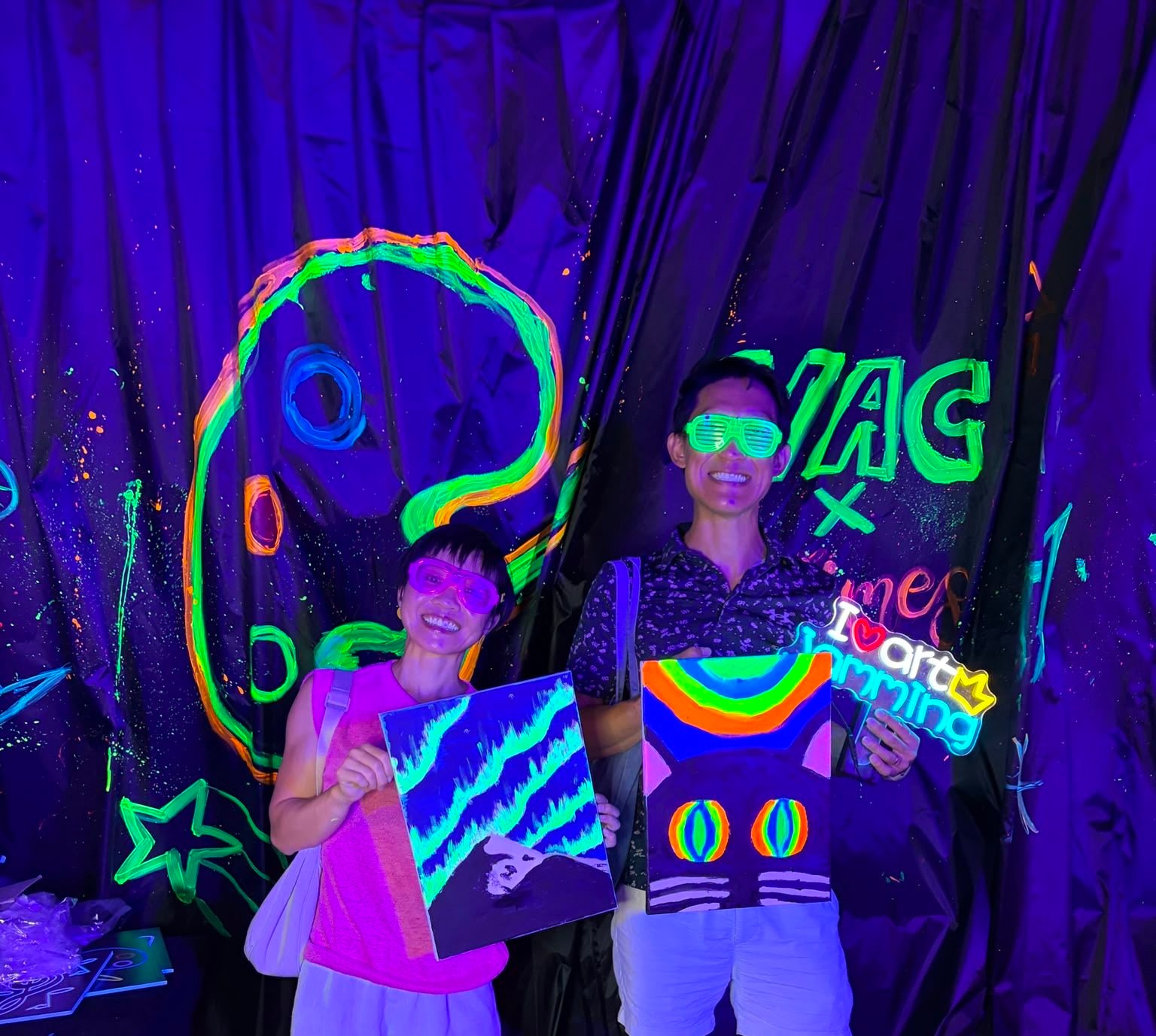
Prepare to unleash your inner artist in a kaleidoscope of color and creativity with ‘Colour Blast: Acrylic Painting & Collage Techniques’! Dive into a whirlwind adventure where vibrant hues and mesmerizing textures collide in a symphony of imagination. From mastering the art of seamless color blending to discovering the magic of mixed media collage, this journey is a playground for your artistic soul. With each brushstroke, explore new techniques that breathe life into your canvas, transforming it into a vibrant tapestry of expression. Join us and let your creativity run wild as you embark on this colorful escapade!”
World of Manga [Foundation & Styling]
A manga art workshop for children and teenagers sounds like a fantastic idea! Here’s how you might structure it:
Introduction to Manga: Begin by introducing what manga is, its history, and its influence on popular culture worldwide. Show examples of different manga styles and genres to give participants an overview.
Basic Drawing Techniques: Start with the fundamentals of drawing, such as line work, shapes, and proportions. Provide step-by-step instructions on how to draw basic manga characters, focusing on simple shapes that can be built upon.
Character Design: Move on to character design concepts, including creating unique characters, designing their personalities, and developing backstories. Encourage participants to get creative and think outside the box.
Expression and Emotion: Teach how to convey emotions and expressions through facial expressions, body language, and positioning of characters. This can be a fun and interactive exercise where participants practice drawing various emotions.
Storytelling and Paneling: Explore the basics of storytelling in manga, including paneling techniques, pacing, and layout. Show examples of different panel structures and discuss how they affect the flow of the story.
Inking and Coloring: Introduce participants to inking techniques using pens or markers. You can also cover digital inking for those interested. Then, demonstrate basic coloring techniques using markers, colored pencils, or digital software.
Feedback and Collaboration: Provide opportunities for participants to share their work and receive feedback from their peers and instructors. Encourage collaboration by having them work together on short manga projects or collaborative drawings.
Final Showcase: End the workshop with a showcase of participants’ work. This could be in the form of an exhibition, digital gallery, or printed booklet. Celebrate everyone’s creativity and progress throughout the workshop.
Remember to create a supportive and encouraging environment where participants feel free to express themselves and explore their creativity. And don’t forget to have fun! Manga is all about imagination and passion, so let that spirit shine through in your workshop.
Academy Drawing Traditions
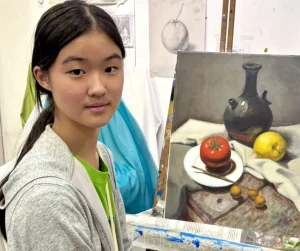
The academy drawing and sketching tradition, rooted in centuries of artistic practice, emphasizes disciplined study of form, proportion, and technique. Originating from Renaissance workshops and formalized by institutions like the Royal Academy, it prioritizes meticulous observation and mastery of fundamental skills. Students progress from basic exercises to complex compositions, learning to depict still life and common objects with precision and expression. This tradition values both classical principles and innovation, encouraging artists to push boundaries while maintaining a deep respect for tradition. Through rigorous training and critique, artists within this tradition cultivate a strong foundation for creative exploration and artistic excellence.
Chinese Ink Painting and Calligraphy
This course on Chinese ink painting and calligraphy introduces young learners to the rich traditions of Chinese art. Through hands-on activities, students explore the basics of brush techniques, ink control, and the delicate art of Chinese script. They learn to appreciate the cultural significance of calligraphy and painting, developing skills in creating elegant strokes and expressive brushwork. The course fosters creativity, patience, and fine motor skills, while also providing insights into Chinese history and aesthetics. By the end, children gain confidence in their artistic abilities and a deeper understanding of Chinese cultural heritage.
Funk with Graffiti
Funk With Graffiti Workshop for children is an engaging and creative program aimed at introducing young artists to the vibrant world of graffiti and funk-inspired street style art. Participants learn the basics of graffiti history, techniques, and safety. Guided by professional graffiti artists, children explore the art of designing their unique tags, emphasizing creativity, expression, and individuality. The workshop includes hands-on activities, from sketching concepts to creating final designs with spray paint on provided surfaces. By the end of the session, children gain confidence in their artistic abilities and an appreciation for graffiti and funk as legitimate forms of street art. Each child completes two original artworks, which they proudly take home, showcasing their newfound skills and personal style.
Batik Tales

In the Batik Introduction Handkerchief Painting workshop, participants will learn the traditional art of batik, a wax-resist dyeing technique originating from Indonesia. The workshop begins with a brief history and overview of batik, highlighting its cultural significance and various techniques. Participants will then observe a demonstration of applying wax with tjanting tools and dyeing the fabric. Following the demonstration, each participant will design and create their own batik handkerchief, applying wax to create patterns and then dyeing their fabric. The workshop concludes with a group discussion, allowing participants to share their creations and reflect on their learning experience.