林子影艺术鉴赏 Art Appreciation – 追忆海派弟子林子影

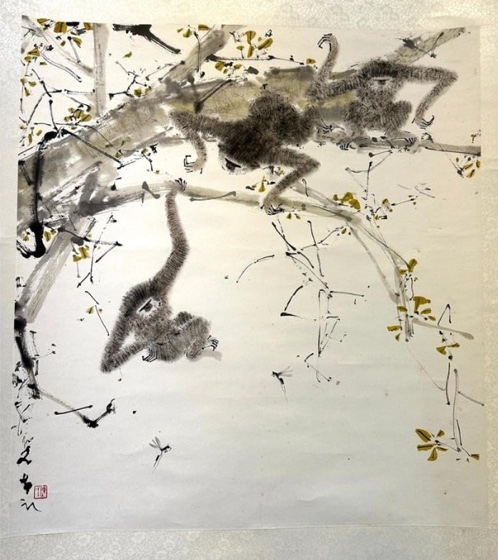
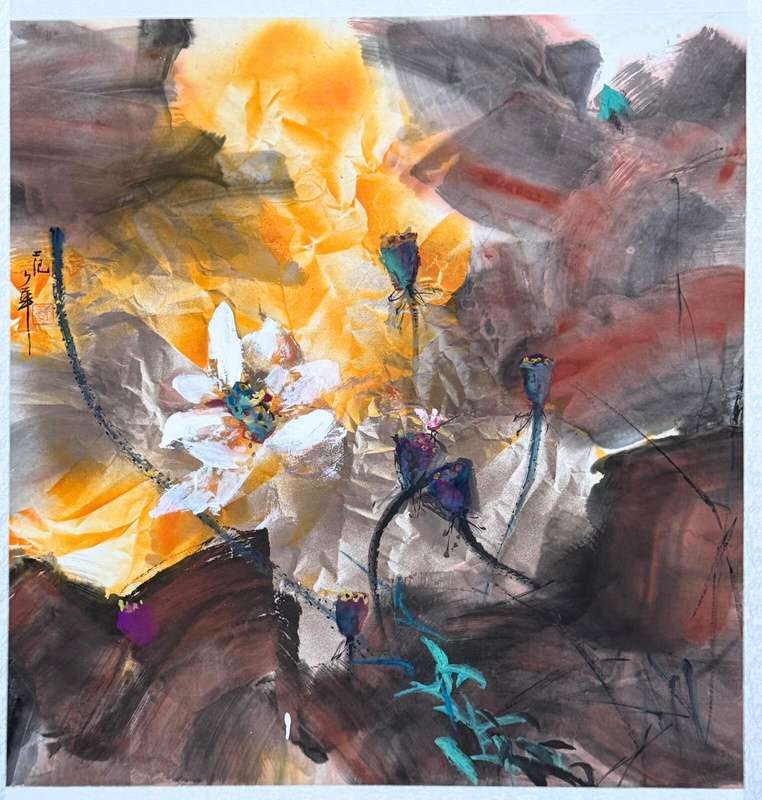
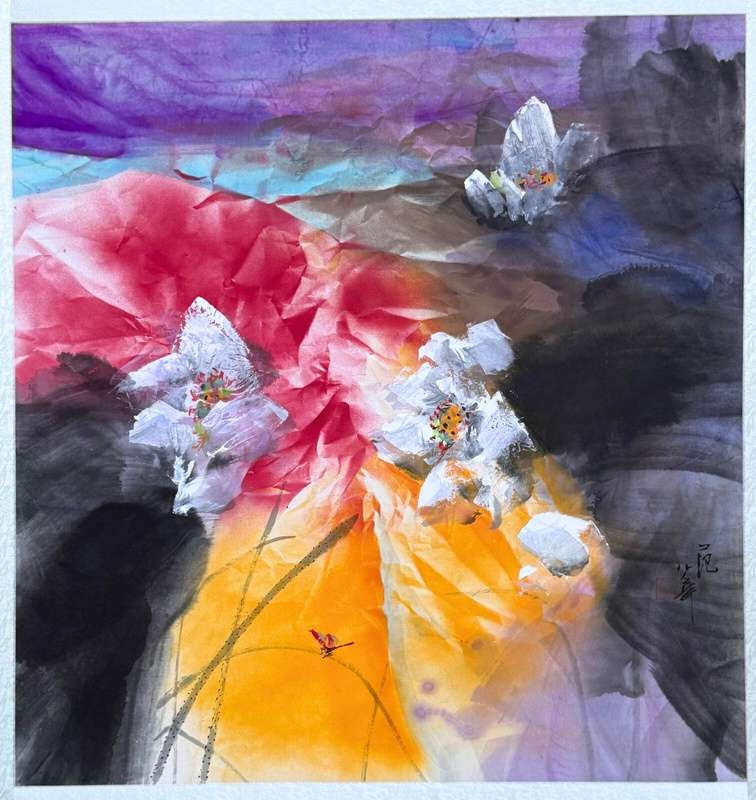
林子影艺术鉴赏 Art Appreciation – 追忆海派弟子林子影 追忆海派弟子林子影 The Art and Life of Acclaimed Singaporean Artist Ling Cher Eng 林子影 林子影 (1940-1995年),新加坡 已故著 名画家,海派新 加坡弟子,师从海 派画家 范昌乾,是范昌乾 大弟子 亦是得 力门生。范昌乾乃 海派大师 王个簃、王一亭 的学生,50年代中 辗转居 民新加坡。1957年范昌 乾在中正中 学担任 美术老师时,林子影正 是青春 年少是便 跟随老 师学艺,林子影 对范 昌乾诗词、书画、篆刻无 不钦佩,下定决 心开始 学习中 国水墨画,他虚心 学习老 师的一招一式,勤学苦练,跟随老师 习画三十 年之久,直到范昌 乾87年过世为止。林子影得到 海派绘 画的真传,通过他 的作品 无论用笔、用墨、用色、布局处处 …

对新加坡人来说,收藏艺术品是一项好的投资`选择吗?

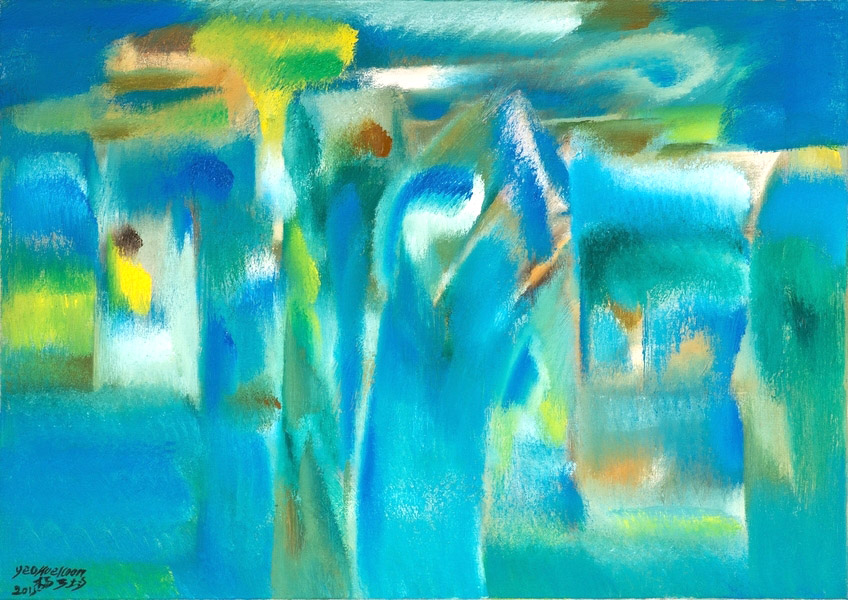
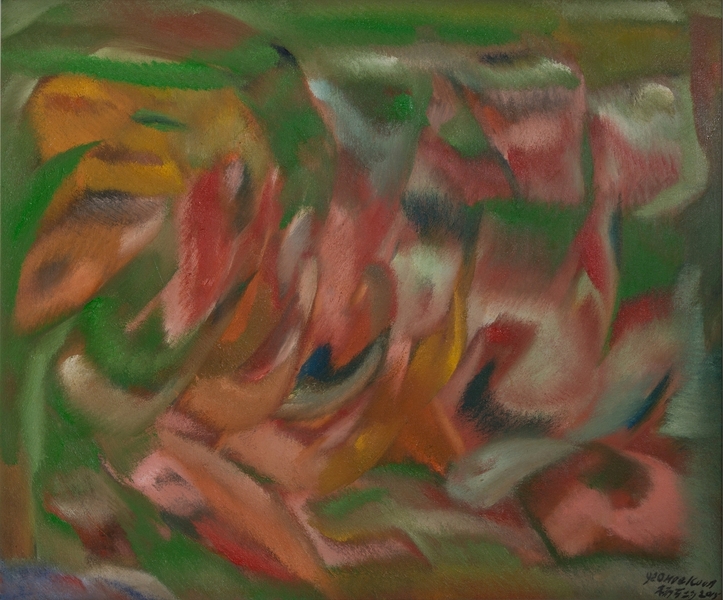
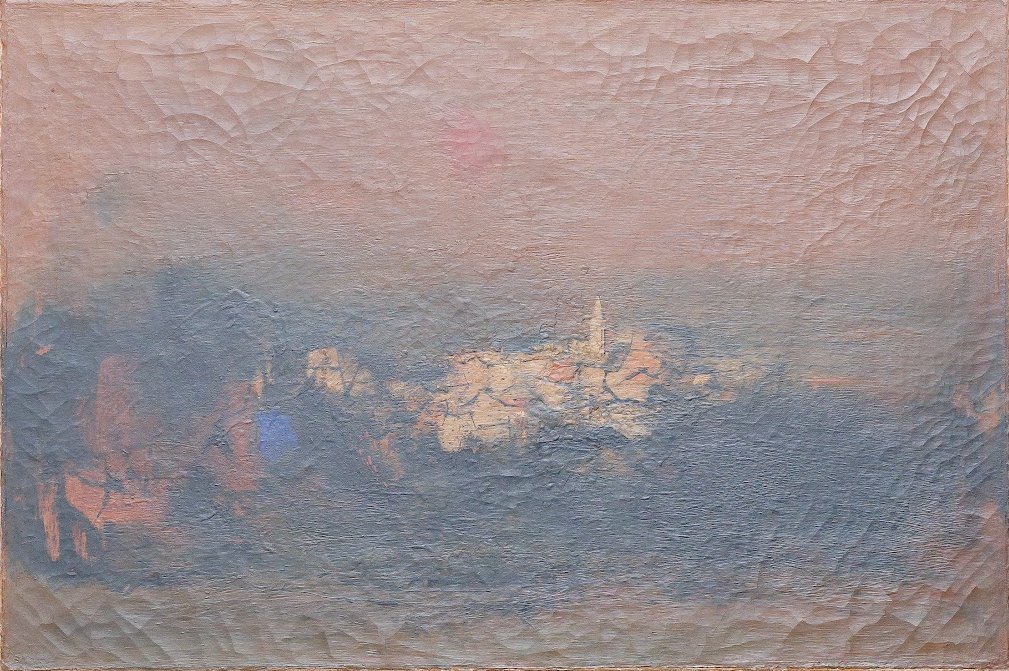
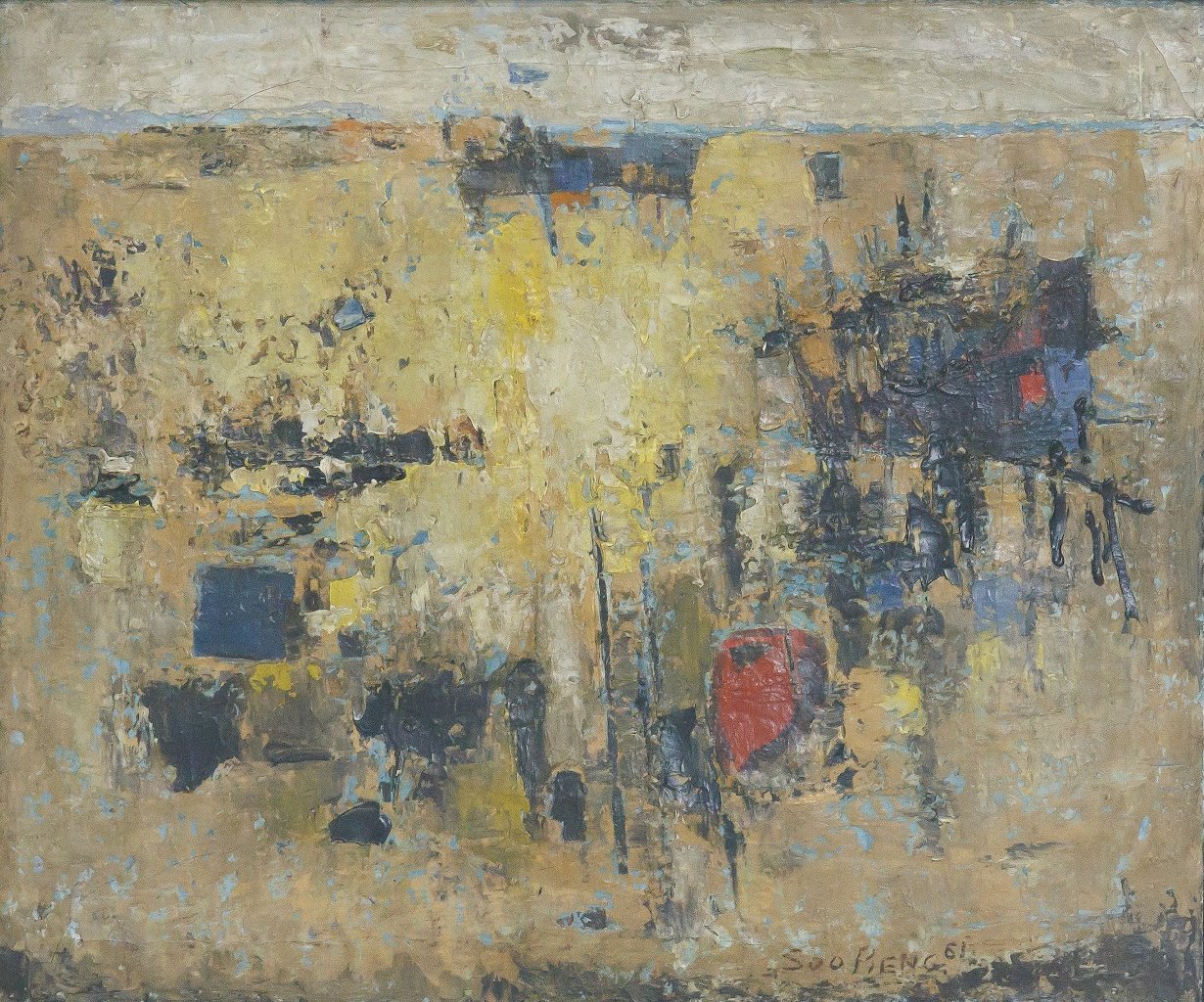
收藏艺术品是好的投资选择吗? Case Study 收藏艺术品是好的投资选择吗? 收藏艺术品是好的投资选择。透过画廊购买艺术品,作品保值又能升值。 艺术品让你学会欣赏和学习艺术,了解艺术,了解历史情怀。认识新加坡第一代,第二代和现代画家有陈文希,范昌乾,潘正培,林子影,刘抗,洪亚弟,王金成,陈楚智,白荣盛,杨可均,范少华等。让我们的专业艺术顾问为你开启投资和收藏艺术品的旅程。 WhatsApp 联系我们! 在新加坡,随着经济的飞速发展,新加坡外来投资移民的增加,新加坡政府的管理系统的完善,使新加坡成为人均收入最高的国家之一,人均国民生产总值(GDP)从2014年开始就已经达到了5万5千美金左右,在全球位居第七位,领先于世界众多国家。新加坡人民生活很富裕,生活水准高,人们对生活品质的要求也相应提高。大多数人有钱就买房、买车、炒股或者买奢侈品等,只有一小部分人选择投资艺术品。艺术品的投资回报率未必比前几样差,那么为什么收藏艺术品至今还是相对小众呢? 钟泗宾 (Cheong Soo Pieng) 作品 收藏其实是人生的一种境界,因为收藏品承载着历史和文化,承载着艺术审美和工艺传承。收藏艺术品有太多益处,通过收藏,增加文化修养和体会艺术品收藏带来的精神享受,同时由于艺术收藏品的稀有性和独特的价值,具有投资升值的功能。其次,通过收藏能结交收藏圈子里志同道合的朋友,有共同语言、共同见解,互相取长补短,相互促进,真正的建立良性的收藏观和认识观,从而更好地传播文化。 王金成 (Ong Kim Seng) 作品 在新加坡60年代和70年代,出现一批收藏家,他们大多是早期移民或者在本土出生,接受过华语教育,他们对中国的传统水墨画感兴趣。当时中国的国画名家作品价格低,新加坡藏家很容易买到价格合理的优秀作品。这些藏品如今的价格已经增长几百倍,甚至千倍,当初那些有眼光的藏家们,若是等到近几年才转手,他们当初的投资将会得到丰厚的回报。 Fan Shao Hua (范少华)作品 Phua Cheng Phue(潘正培)作品 新加坡现在的中年人或年轻人,好多人事业有成,颇有家底,买车、买房之余,也有一部分人买画,收藏艺术品。但是,这一小部分人占新加坡人口比例极少,可能不足人口数量的万分之一,收藏人群少之又少,在新一代新加坡人眼里,收藏还没形成一种文化。在中国凡是有一点学问、地位、身份的人,家中多多少少会挂着几幅名人字画,钱多的就挂名气大的作品;钱少的也至少要挂上本省本市的小名家作品,这种收藏风气在中国代代相传,变成了收藏文化的传承。 Yeo Hoe Koon (杨可均)作品 在新加坡,收藏界有点青黄不接,老一代藏家陆续离场,新一代藏家人数有限,由于新加坡买艺术品的人群少,导致新加坡艺术品价格不高,以区区S$1万至S$5万新币就能买到新加坡第一代或第二代画家的作品。比较在中国、印尼、日本等国家,面对价格惊人的第一代和第二代艺术家作品,人们只能望尘莫及,望而兴叹!能买得起的人微乎其微。可是在新加坡,收藏并不是一件高不可攀的事,如果想收藏本地艺术家的作品,还是有机会入场的,艺术品价格不高,并且具有相当大的升值空间。 Ong Kim Seng (王金成)作品 新加坡虽然是一个小国,但在控制新冠病毒COCID-19的战斗中表现突出,新加坡的的抗疫能力让许多国家视为榜样。新加坡的精英政府更让新加坡人民佩服和信赖,同时也让世界更多人认识新加坡。好多经济学家预测,待疫情过去,世界经济复苏时,新加坡经济已经迅速腾飞。在艺术领域,现在是最好的收藏时机,趁着艺术市场低迷,以非常好的价格收藏几幅心怡的作品,挂在家中做装饰和欣赏,同时作品保值又能升值,这是多么有意义行动,收藏艺术品是不是人生很重要的一件事呢? 来临 <私人收藏名家作品销售II> 欢迎你! 本次展览将展出新加坡与国际著名艺术家 作品100余幅, 有油画、水墨、雕塑等作品。 新加坡画家有陈文希,钟泗宾,刘抗, 林子平等, 国际艺术家有萨尔瓦多· 达利 (Salvador Dalí), 費尔南多·博特罗(Fernando Botero), Coplu 等。作品由私人收藏家提供, …

Who Decides the Price of Artwork in Singapore?

Who Decides the Price of Artwork in Singapore? Who Decides the Price of Artwork in Singapore? Cheong Soo Pieng’s Fishing Village The value of artwork can be impossible to predict. Works that are exquisite in the eyes of some people may possess a lower value on the art market, while other works that are difficult …

Nanyang Style and First-Generation Singapore Artists

Nanyang Style and First-Generation Singapore Artists Nanyang Style and First-Generation Singapore Artists In 2013, Asia Art Collective was established with the support from first-generation art collectors. Our first exhibition — Masterpieces, A Selection of Fine Artworks By Pioneering First-Generation Nanyang Artists (Cheong Soo Pieng, Chen Wen Hsi, Chen Chong Swee, Fan Chang Tien, Lim Cheng …

对南洋画派新加坡第一代艺术先驱作品的印象

对南洋画派新加坡第一代艺术先驱作品的印象 对南洋画派新加坡第. 记得在2013年我们画廊刚成立时,得力于几个新加坡老一代收藏家的大力支持和信任,我们画廊的第一个展览就是汇聚他们藏品的《新加坡第一代艺术先驱》-南洋画派始祖画家画展。这个展览机会让我们通过藏家便进一步了解第一代艺术家的经历和故事。而我们又通过欣赏作品再结合艺术家的故事,进而对南洋画派有了更加深刻的印象。 从2013年至今,我们举办过多次大型画展,有新加坡第一代已故画家遗作展,新加坡第二代画家展览;新加坡当代画家展览;新加坡实力派名家画展;新加坡青年画家展览等。在无数次画展中,通过和画家还有众藏家接触中,新加坡第一代和第二代画家作品还是在人们当中最具分量的。真可谓没有新加坡第一代画家就没有南洋画派;就没有新加坡艺术。 那么,到底什么是南洋画派?南洋画派的代表,新加坡第一代画家领军人物是谁? 我们首先来了解一下“南洋画派”的开山鼻祖之一,新加坡第一代艺术先驱陈文希(1906 – 1992)。 提起陈文希,新加坡新一代年轻人可能并不熟悉,实际上绝大多数新加坡人都接触过他的作品——他的代表作《枯藤双猿图》就印在每张50新币的纸币背面。 陈文希出生于 1906年出生在中国广东省揭阳县, 他中学毕业后,考入上海美专,后转校至新华艺术专科学校,受教于潘天寿等名师。1928年与陈宗瑞等画友合力创办春阳绘画社,并在汕头、广州、香港、上海等城市举行个展。1937年,参与在南京举行的中国第二届全国美展,受到徐悲鸿赏识,同年,被英国画室杂志列入当代中国十大画家之一。1948年,陈文希远道下南洋,先后任教于新加坡华侨中学、南洋美术专科学校(下文统一简称“南洋美专“)。1952年,陈文希和刘抗、钟泗滨、陈宗瑞,结伴到印尼峇厘岛旅游写生创作。次年,四人在新加坡联合举办轰动一时的“峇厘之旅作品展”,此后一种展现南洋地区社会风貌的艺术语言逐步形成——“南洋画派”,奠定了他们“四大先驱画家”的地位。 欲阅览全文,请点击这里。 More Blogs

Art Market Trend Singapore

Art Market Trend Singapore Art market trend singapore, Singapore is the most prosperous country in Southeast Asia, whose culture blends both Chinese and Western influences. With an upright government, efficient bureaucratic system, a beautiful garden-city environment, and as Asia’s financial hub, Singapore draws many foreign investors onto her shores, including multinational companies and leaders of …

Is collecting art a good investment choice in Singapore?

Is collecting art a good investment choice in Singapore? Case Study Tan Choh Tee The average income of Singaporeans is one of the highest in the world. This is due to Singapore’s vibrant economy, the influx of foreign investments into the country, as well as Singapore’s strong and stable government. Since 2014, Singapore’s GDP per …

Finding A Suitable Art Course or Programme For Your Kids

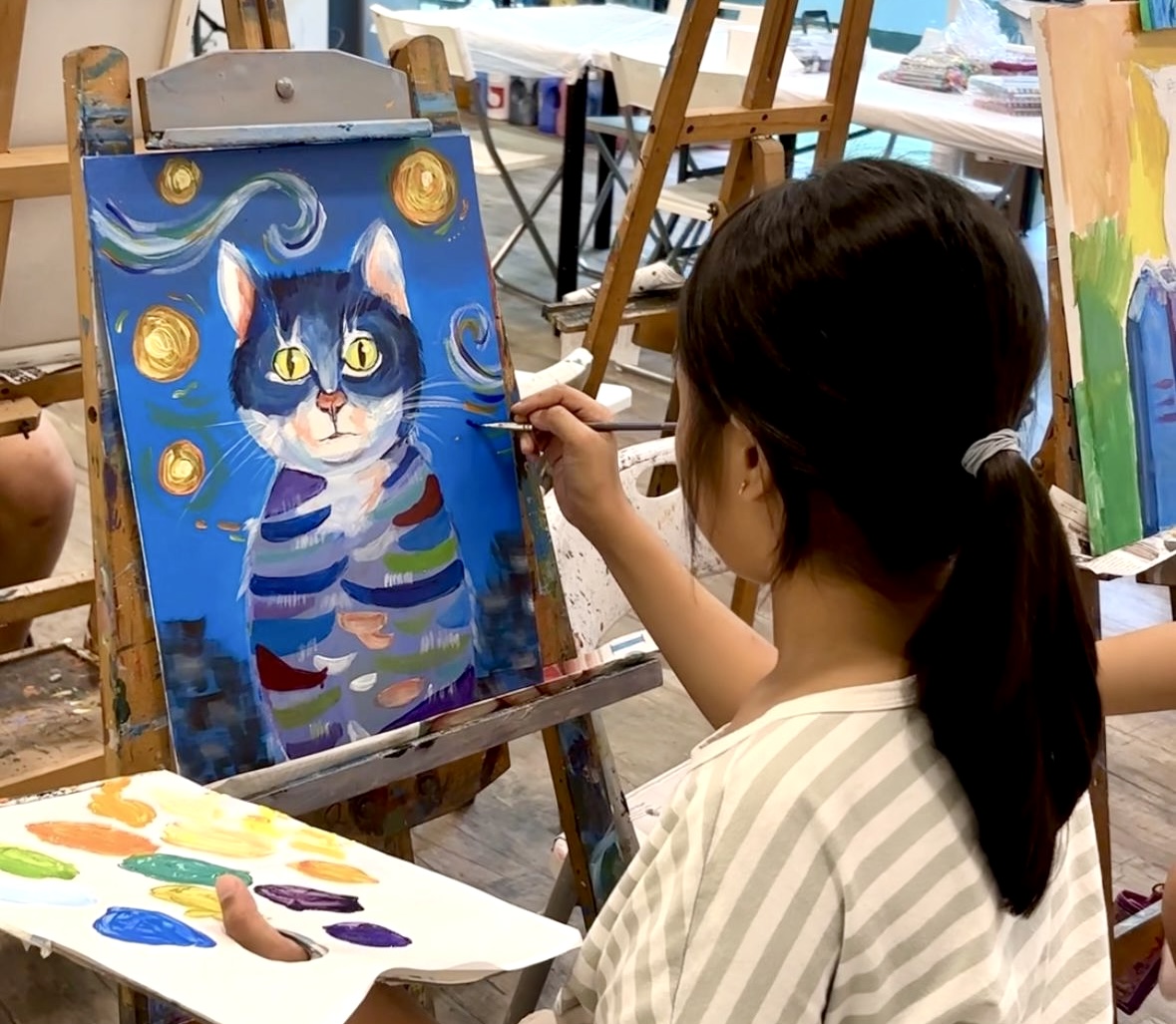
Kids / Children Art Class – Suitable for your child Tips on choosing an Art Course for your child  Your browser does not support the video tag. Kids/Children Art Class – Suitable for your child All parents want to give their kids the best. They understand the importance of education in nurturing and building a …

10 Great Virtual Activities To Do With Your Friends & Family in 2021

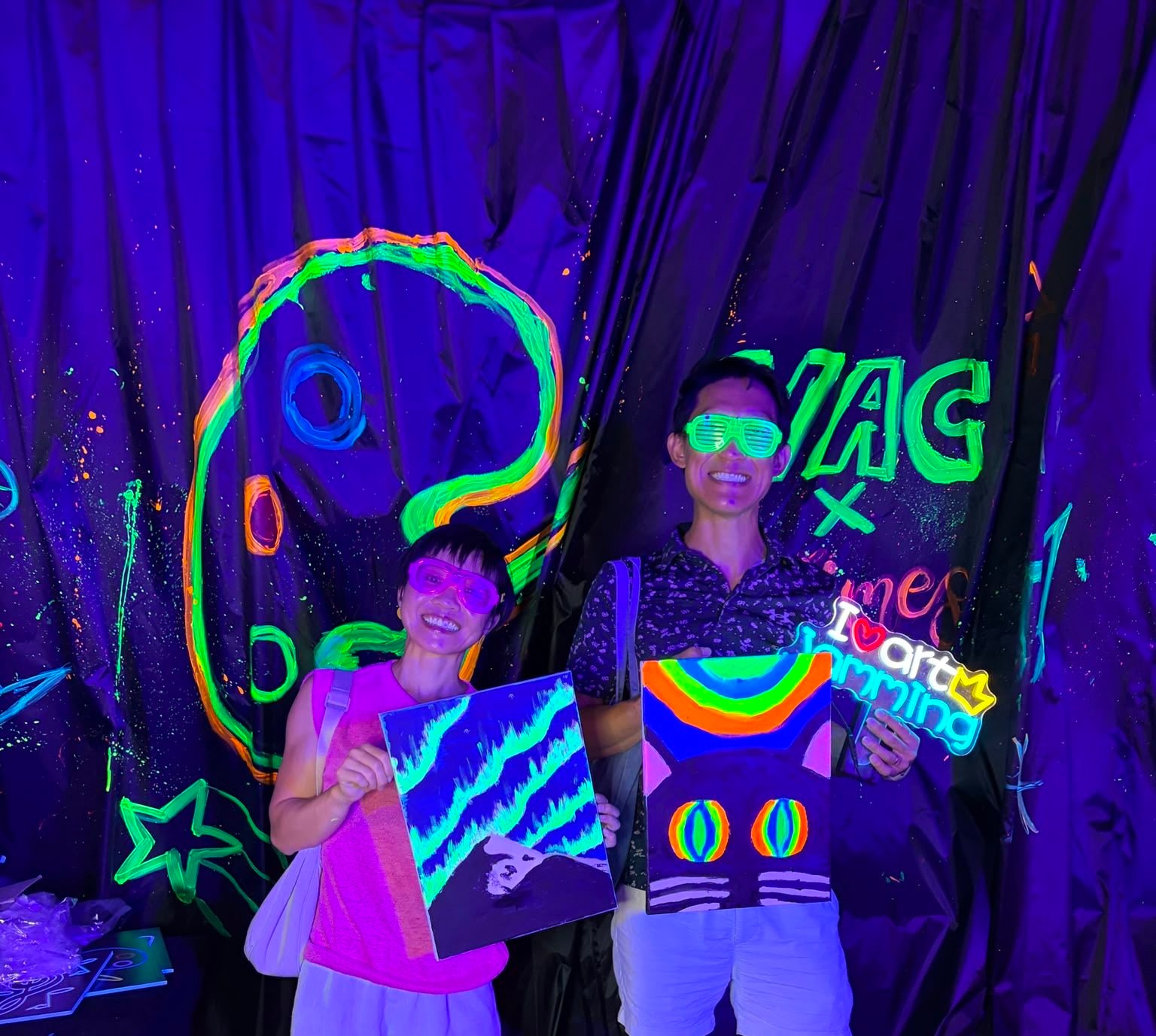
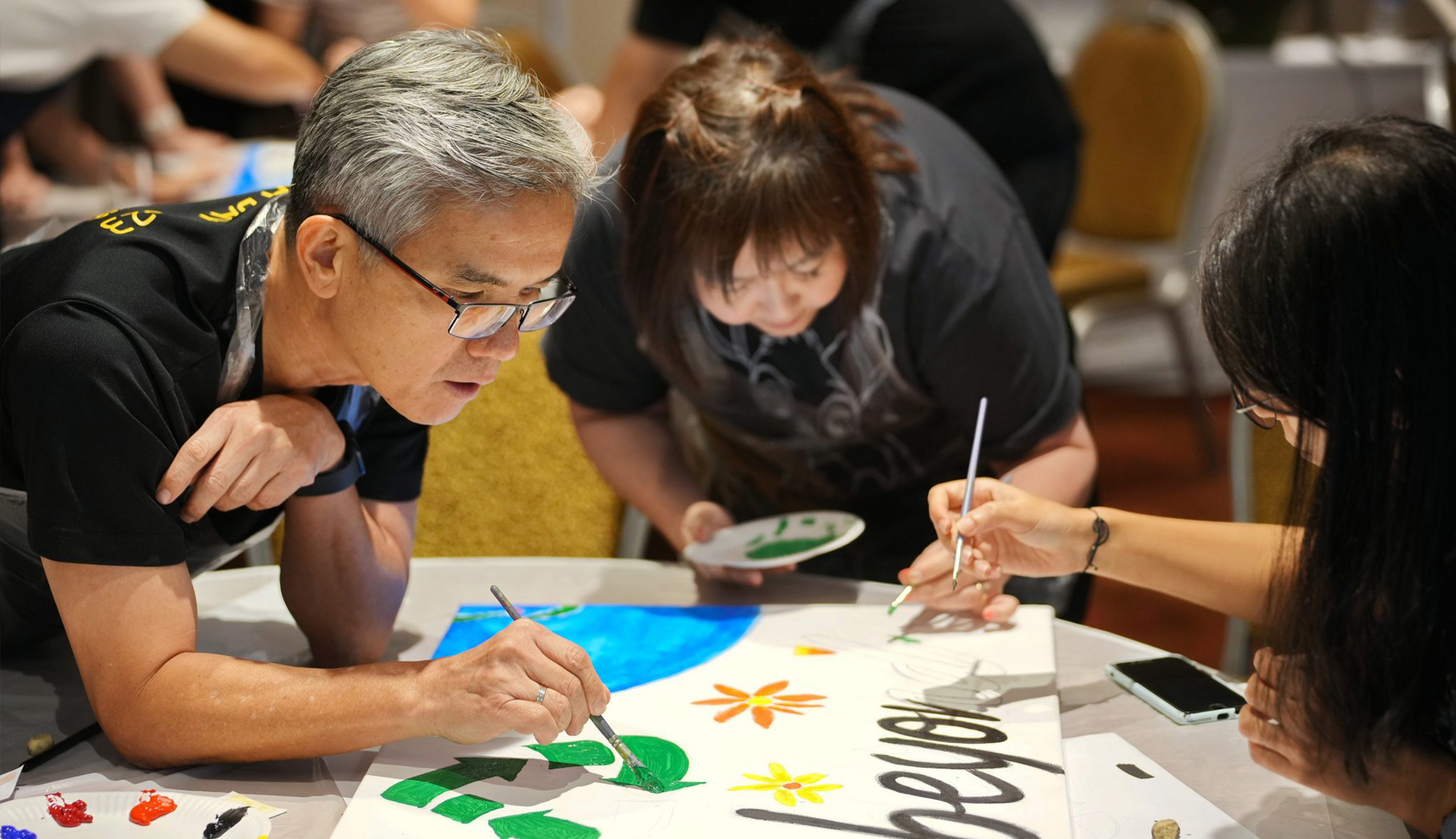
10 Great Virtual Activities To Do With Your Friends & Family in 2021 1.Virtual Art Team building One of the 10 Great Virtual Activities To Do With Your Friends & Family in 2021 is to attend a virtual art team building. Visual Arts Centre will present a unique Virtual Art Jamming Team Bonding experience for …

Fresh New Ways To Organise Your Next Celebration!

Fresh New Ways To Organise Your Next Celebration! Running out ideas to celebrate those special occasions? Let’s face it. No one is going anywhere during the year-end holidays and we areall stuck here in Singapore. Despite the lack of mobility, the party must go on!We are all bored of doing the same old things. Grabbing …

Foundation In Digital Art

Embark on a captivating journey into the vibrant world of digital art! Our Foundation in Digital Art workshop invites budding creatives aged nine and above to unleash their imagination and hone their artistic skills in a dynamic, supportive environment. From mastering basic digital tools to crafting mesmerizing digital masterpieces, children will explore a spectrum of techniques guided by seasoned mentors. Through hands-on activities and interactive sessions, participants will discover the endless possibilities of digital expression while fostering creativity and critical thinking. Join us for an exhilarating adventure where young artists transform ideas into stunning visual realities, igniting a passion for digital art

Colour & Texture Exploration With Acrylic Painting & Collage
Prepare to unleash your inner artist in a kaleidoscope of color and creativity with ‘Colour Blast: Acrylic Painting & Collage Techniques’! Dive into a whirlwind adventure where vibrant hues and mesmerizing textures collide in a symphony of imagination. From mastering the art of seamless color blending to discovering the magic of mixed media collage, this journey is a playground for your artistic soul. With each brushstroke, explore new techniques that breathe life into your canvas, transforming it into a vibrant tapestry of expression. Join us and let your creativity run wild as you embark on this colorful escapade!”
World of Manga [Foundation & Styling]
A manga art workshop for children and teenagers sounds like a fantastic idea! Here’s how you might structure it:
Introduction to Manga: Begin by introducing what manga is, its history, and its influence on popular culture worldwide. Show examples of different manga styles and genres to give participants an overview.
Basic Drawing Techniques: Start with the fundamentals of drawing, such as line work, shapes, and proportions. Provide step-by-step instructions on how to draw basic manga characters, focusing on simple shapes that can be built upon.
Character Design: Move on to character design concepts, including creating unique characters, designing their personalities, and developing backstories. Encourage participants to get creative and think outside the box.
Expression and Emotion: Teach how to convey emotions and expressions through facial expressions, body language, and positioning of characters. This can be a fun and interactive exercise where participants practice drawing various emotions.
Storytelling and Paneling: Explore the basics of storytelling in manga, including paneling techniques, pacing, and layout. Show examples of different panel structures and discuss how they affect the flow of the story.
Inking and Coloring: Introduce participants to inking techniques using pens or markers. You can also cover digital inking for those interested. Then, demonstrate basic coloring techniques using markers, colored pencils, or digital software.
Feedback and Collaboration: Provide opportunities for participants to share their work and receive feedback from their peers and instructors. Encourage collaboration by having them work together on short manga projects or collaborative drawings.
Final Showcase: End the workshop with a showcase of participants’ work. This could be in the form of an exhibition, digital gallery, or printed booklet. Celebrate everyone’s creativity and progress throughout the workshop.
Remember to create a supportive and encouraging environment where participants feel free to express themselves and explore their creativity. And don’t forget to have fun! Manga is all about imagination and passion, so let that spirit shine through in your workshop.
Academy Drawing Traditions
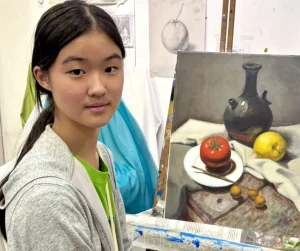
The academy drawing and sketching tradition, rooted in centuries of artistic practice, emphasizes disciplined study of form, proportion, and technique. Originating from Renaissance workshops and formalized by institutions like the Royal Academy, it prioritizes meticulous observation and mastery of fundamental skills. Students progress from basic exercises to complex compositions, learning to depict still life and common objects with precision and expression. This tradition values both classical principles and innovation, encouraging artists to push boundaries while maintaining a deep respect for tradition. Through rigorous training and critique, artists within this tradition cultivate a strong foundation for creative exploration and artistic excellence.
Chinese Ink Painting and Calligraphy
This course on Chinese ink painting and calligraphy introduces young learners to the rich traditions of Chinese art. Through hands-on activities, students explore the basics of brush techniques, ink control, and the delicate art of Chinese script. They learn to appreciate the cultural significance of calligraphy and painting, developing skills in creating elegant strokes and expressive brushwork. The course fosters creativity, patience, and fine motor skills, while also providing insights into Chinese history and aesthetics. By the end, children gain confidence in their artistic abilities and a deeper understanding of Chinese cultural heritage.
Funk with Graffiti
Funk With Graffiti Workshop for children is an engaging and creative program aimed at introducing young artists to the vibrant world of graffiti and funk-inspired street style art. Participants learn the basics of graffiti history, techniques, and safety. Guided by professional graffiti artists, children explore the art of designing their unique tags, emphasizing creativity, expression, and individuality. The workshop includes hands-on activities, from sketching concepts to creating final designs with spray paint on provided surfaces. By the end of the session, children gain confidence in their artistic abilities and an appreciation for graffiti and funk as legitimate forms of street art. Each child completes two original artworks, which they proudly take home, showcasing their newfound skills and personal style.
Batik Tales

In the Batik Introduction Handkerchief Painting workshop, participants will learn the traditional art of batik, a wax-resist dyeing technique originating from Indonesia. The workshop begins with a brief history and overview of batik, highlighting its cultural significance and various techniques. Participants will then observe a demonstration of applying wax with tjanting tools and dyeing the fabric. Following the demonstration, each participant will design and create their own batik handkerchief, applying wax to create patterns and then dyeing their fabric. The workshop concludes with a group discussion, allowing participants to share their creations and reflect on their learning experience.