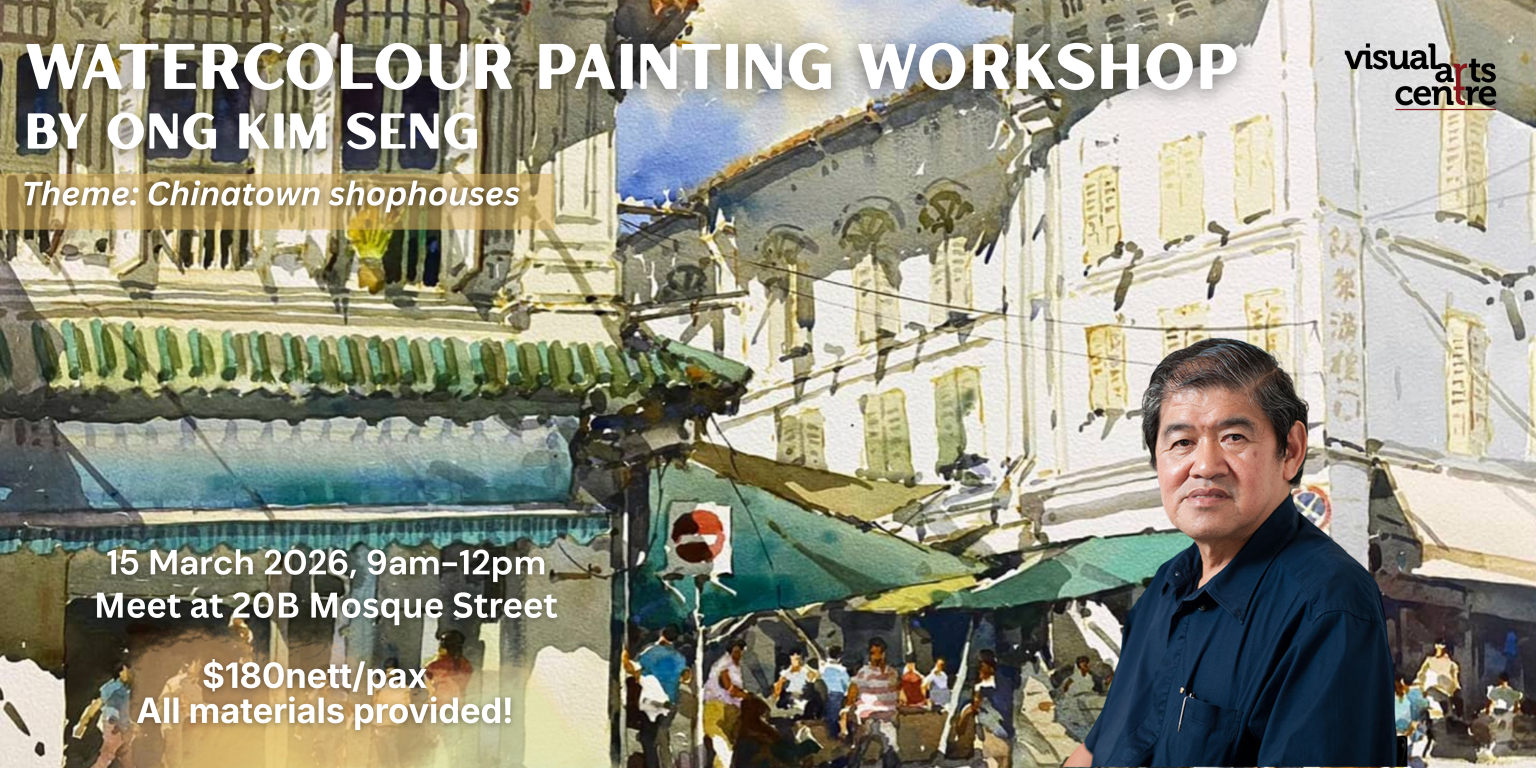
Acrylic Painting on Canvas Team Bonding Art Jamming Singapore Visual Arts Centre

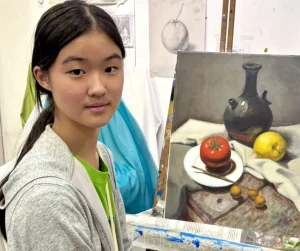


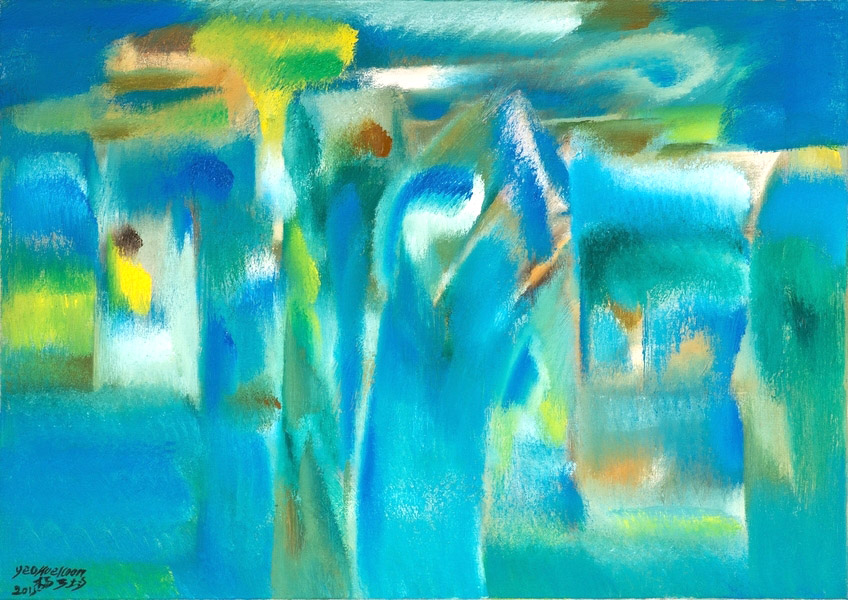
Yeo Hoe Koon
Oil on Canvas
64 x 89.5 cm
Price Range: $16,000 - $20,000
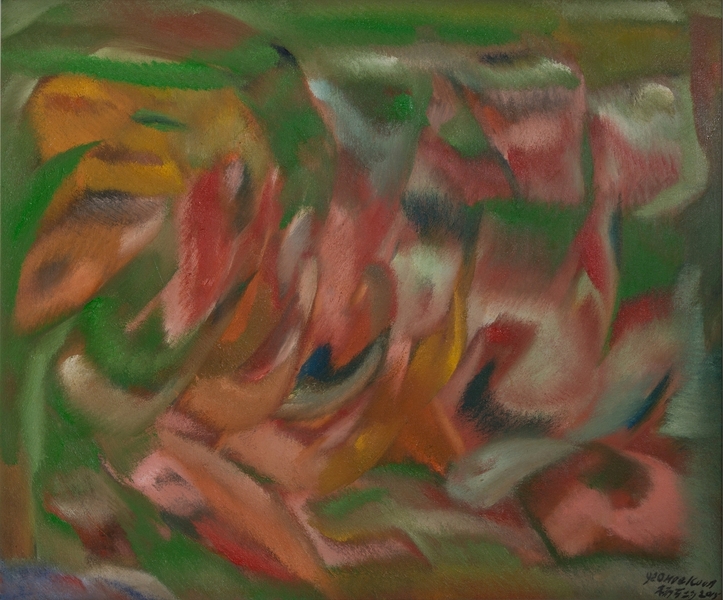
Yeo Hoe Koon
Oil on Canvas
101 x 123 cm
Price Range: $26,000 - $32,000
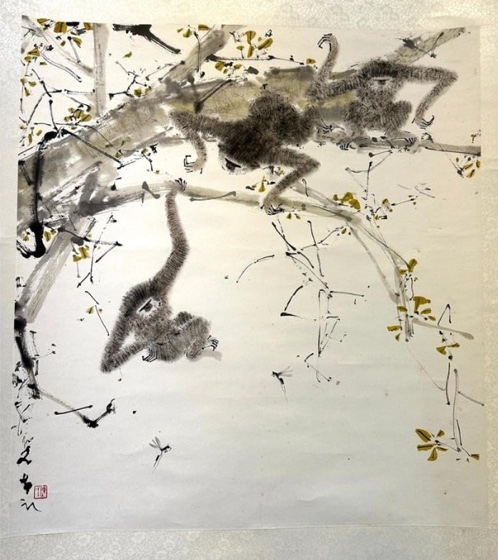
Chen Wen Hsi
Chinese Ink and Color on Paper
50 x 54cm
Price Range: SGD $42,000 - $50,000
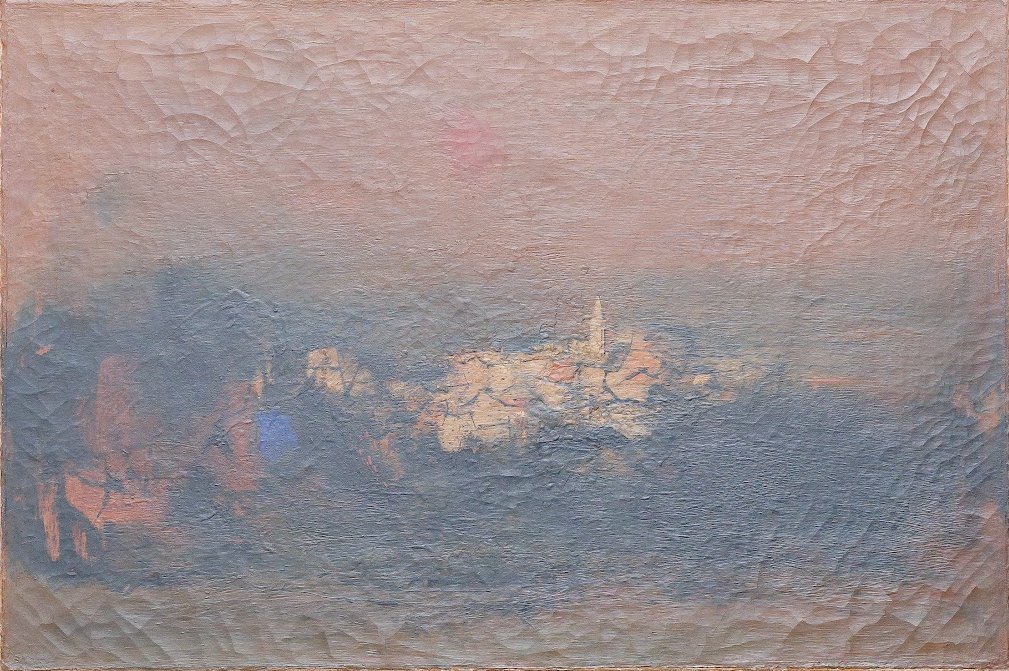
Cheong Soo Pieng
Red Tone
61 x 91.5cm
Price Range: SGD $108,000 - $138,000
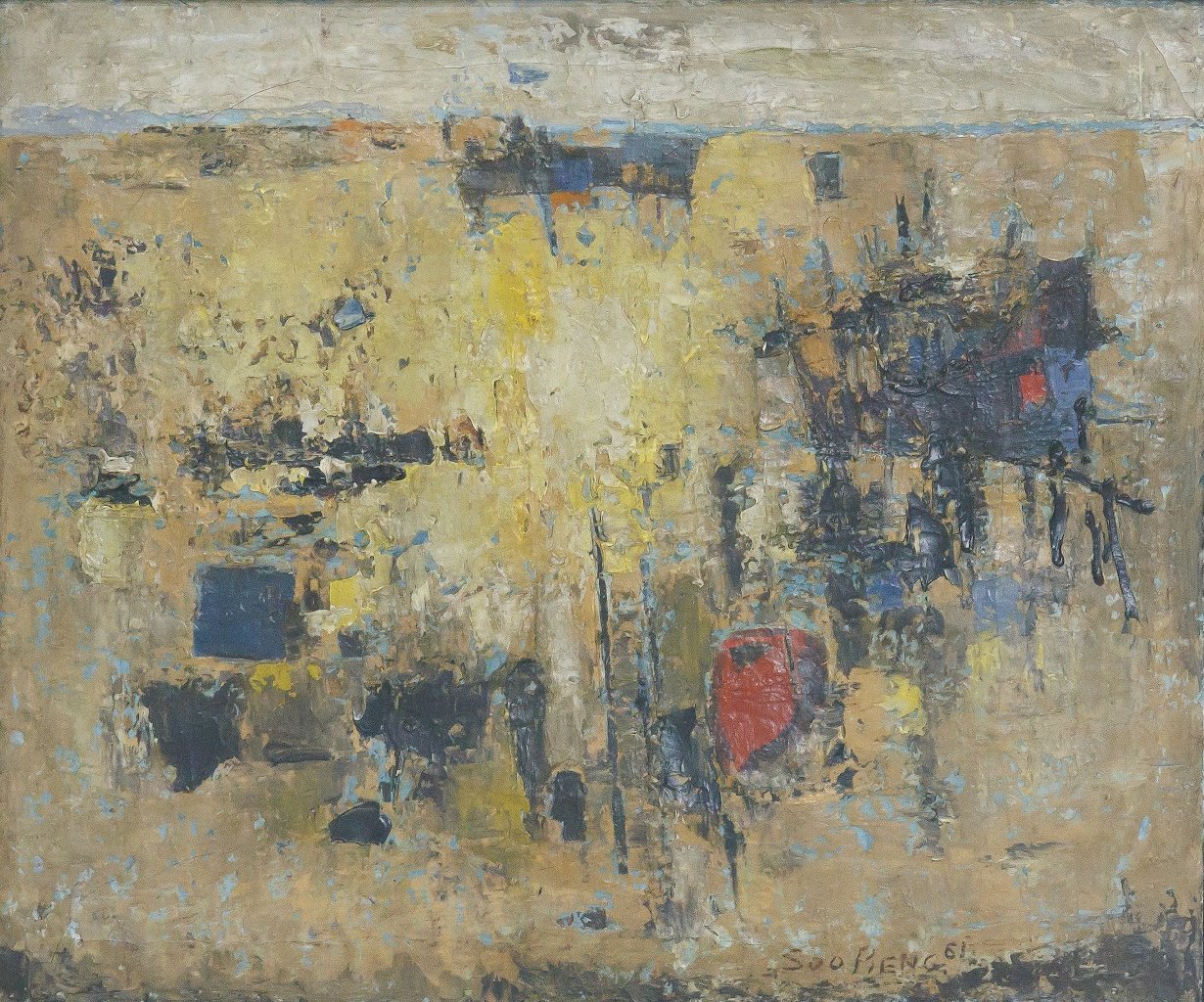
Cheong Soo Pieng
Abstract Landscape
50 x 61cm
Price Range: SGD $95,000 -$128,000
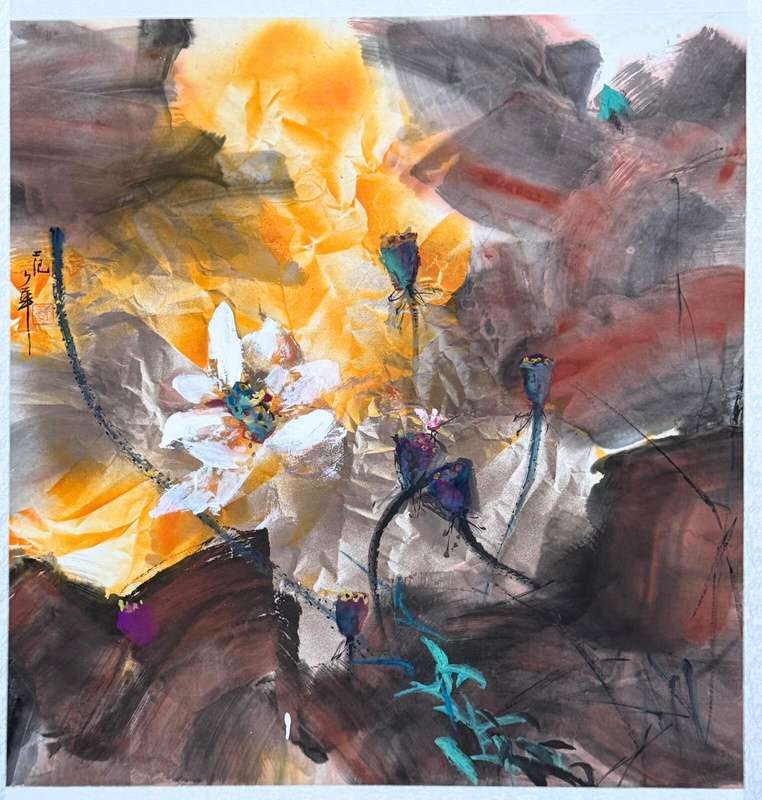
Fan Shao Hua
Chinese Ink and Colour on Paper
100 x 100cm
Price Range: SGD $9,800 - $14,800
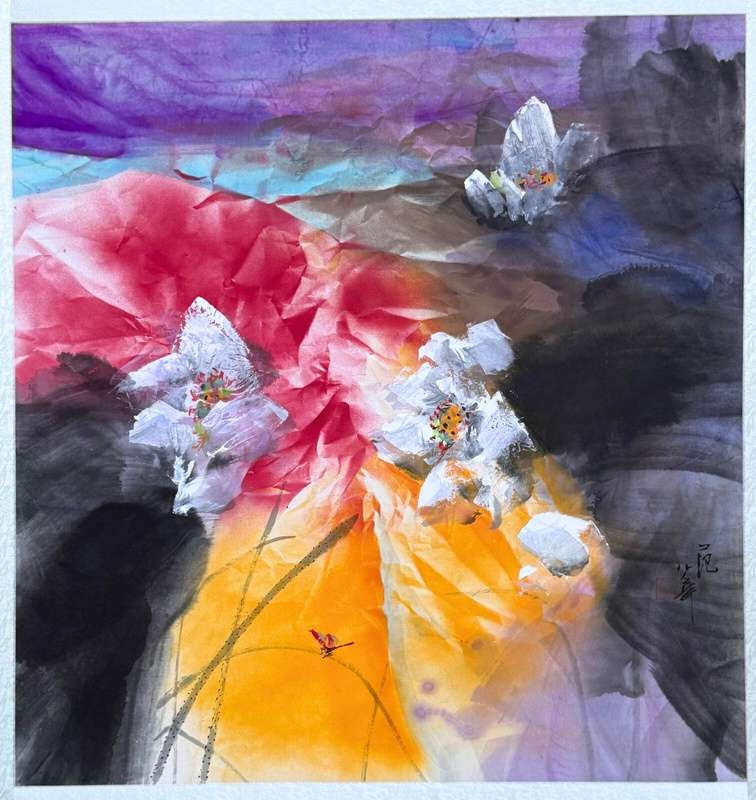
Fan Shao Hua
Chinese Ink and Colour on Paper
100 x 100cm
Price Range: SGD $8,800 - $13,800
Ong Kim Seng grew up in post-war Singapore in modest circumstances. He did not have formal art training; instead, his art education was one of self-discipline, observation, and continuous self-improvement. He joined informal painting groups such as what became known as the “Sunday Group” and learnt through practice, critique, and study of masters. From these grassroots beginnings, Ong gradually developed a distinctive voice as a realist watercolourist, with sensitivity to light, structure, and the atmospheric quality of scenes.
He officially became a full-time artist in 1985, leaving behind other work to devote himself entirely to his painting. This turning point allowed him to refine his style, travel more, and expand his subject matter.
Ong’s watercolours are best known for their elegant balance between realism and the expressive fluidity that the medium allows. He frequently depicts architectural forms (old shophouses, temples, colonial buildings), landscapes (especially in Singapore, Bali, Nepal), street scenes, and waterways. His paintings often evoke a sense of calmness, light, and the interplay of shadows and reflections.
His style has been described as “naturalist cum impressionistic” — meaning that while he captures realistic detail, he does not shy away from expressive color, loose washes, and atmospheric moods. He is adept at rendering both the solid structure of masonry and the ethereal effects of sky, light, foliage, and water. In his hands, even ordinary, everyday scenes become quietly poetic.
A hallmark of his technique is his control of water, pigment, and negative space. He often leaves portions of untouched white paper to function as highlights or to allow the painting to breathe. His layering of washes, modulation of tone, and subtle transitions are executed with confidence.
Because he is self-taught, his approach is less bound by dogmatic adherence to academic rules; instead, his art reflects instinct, experimentation, and a lifelong dialogue with his medium and subjects.
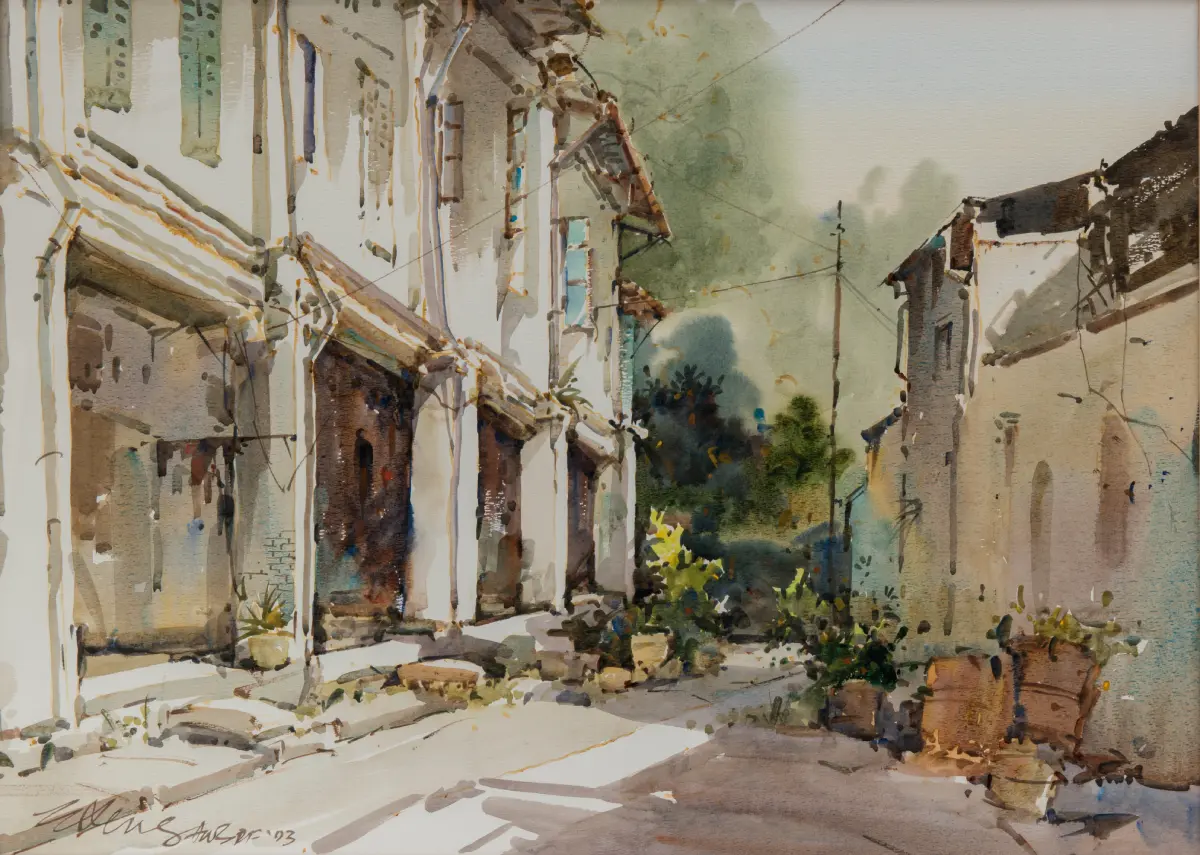
A street or lane in Singapore This likely showcases a local lane (Mackenzie Road) with its architecture, trees, overhead wires, and parked cars or pedestrians. The scene is probably observational and quotidian, yet elevated by skillful use of light, shadow, and perspective to bring a poetic quality to everyday Singapore.
Ong has participated in many solo and group exhibitions both locally and internationally — in the United States, China, United Kingdom, Japan, Australia, Belgium, France, Middle East, Taiwan, Hong Kong, and across Southeast Asia.
He achieved a significant milestone when he became the first Asian (outside the U.S.) to be admitted as a member of the American Watercolor Society (AWS) in 1992. Over his career, he has won six awards from the AWS (including the Paul B. Remmy Memorial Award in 1983, Lucy B. Moore Award 1988, Clara Stroud Memorial Award 1989, Barse Miller Memorial Award 1992, Winsor & Newton Award 2000, and Ida Wells Memorial Award 2001). These awards attest to his technical mastery and international peer recognition.
In Singapore, he has also greatly contributed to the local art community. He served as President of the Singapore Watercolour Society from 1991 to 2001, after which he became Honorary President. In recognition of his contributions to the arts, he was awarded the Cultural Medallion (Singapore’s highest arts honour) in 1999 (some sources note the year as 1990) for visual arts.
Ong’s work has also found its way into museum collections and public institutions, such as the Singapore Art Museum, Neka Museum in Bali, the Maritime Museum (Sentosa), and even galleries overseas.
In terms of commercial success, Ong has broken personal auction records. In 2017, his painting Nepal sold for HK$725,000 (≈ S$130,540) at Sotheby’s Hong Kong. Other works have appeared in auctions across Asia and beyond.
Some of Ong’s iconic series include his works on Nepal, Bali, and Singapore. In his Nepal series, he captures timeless temple courtyards, market squares, ancient stone carvings, and the interplay of light in mountainous contexts. His Bali works often explore temples, tropical foliage, and cultural architecture bathed in warm light. In his Singapore scenes, he revisits heritage shophouses, old quarters, waterfronts, and the Singapore River — preserving a sense of nostalgia even as the city modernizes.
For example, Singapore River is among his well-known works: a watercolour on paper showing boats, reflections, and the cityscape. Another is Afternoon by Boat Quay (2019), which combines architectural elements with dynamic light and shadow along the riverside. His Chinatown Singapore works highlight the charm of shophouses, narrow lanes, and human presence in an evolving urban fabric.
Through such paintings, he strikes a balance: these are not purely documentary, but rather imbued with mood, atmosphere, and the poetic interplay of light.
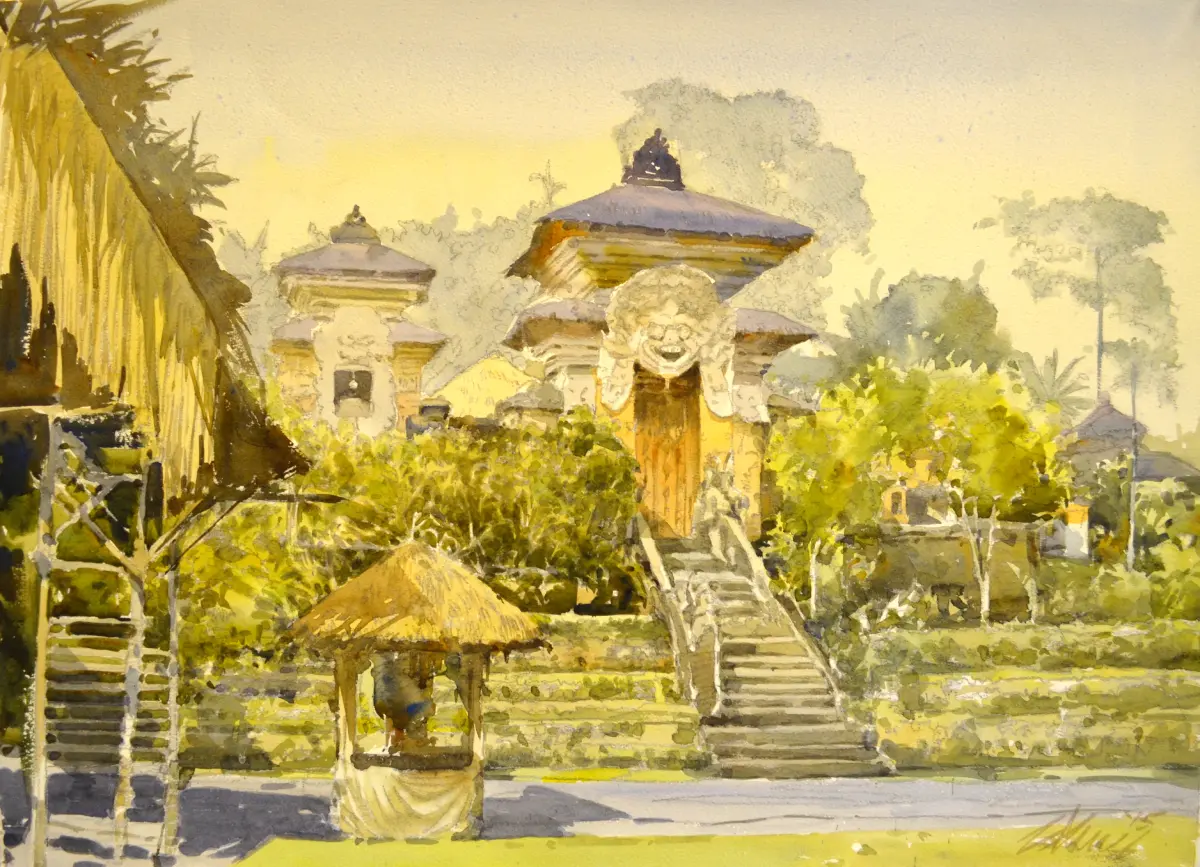
Temple architecture in Bali Here, ornate temple gateways, tiered roofs, stone carvings, and tropical surroundings would take centre stage. The contrast of dark roof silhouettes against sky or ambient light, plus foliage framing, may be key features. The painting likely balances structural detail with soft washes of sky or greenery.
Ong Kim Seng’s journey from self-taught beginnings to the pinnacle of recognition offers an inspiring story for many artists. He demonstrates that discipline, perseverance, and a deep respect for one’s medium can enable mastery without formal schooling.
As President (and later Honorary President) of the Singapore Watercolour Society, he played a role in shaping the local watercolour community, nurturing younger artists, organizing exhibitions, and promoting watercolour as a serious artistic discipline. He also served as an art advisor to Singapore’s National Arts Council, and has participated in major art events and fellowships.
Over time, his work and reputation helped elevate the status of watercolour in Singapore’s art scene, which sometimes has been overshadowed by oil, acrylic, or mixed media.
However, an artist working in watercolour also faces inherent challenges: watercolour is notoriously unforgiving (mistakes are hard to correct), and achieving both luminosity and structure takes high technical control. Ong’s success underscores his mastery over that tension. His ability to maintain freshness and spontaneity even in complex compositions is part of what makes his work resonate.
In the context of Singapore’s rapid modernization, his paintings of older areas also carry a historical and emotional value: they help preserve the memory of places that may have changed or disappeared. In that sense, his work is part painterly artistry, part cultural archive.
Through involvement in art organizations, community outreach, and visibility, he inspires both amateur and aspiring professional artists. His story emphasizes that formal training is not the only path to excellence in art.
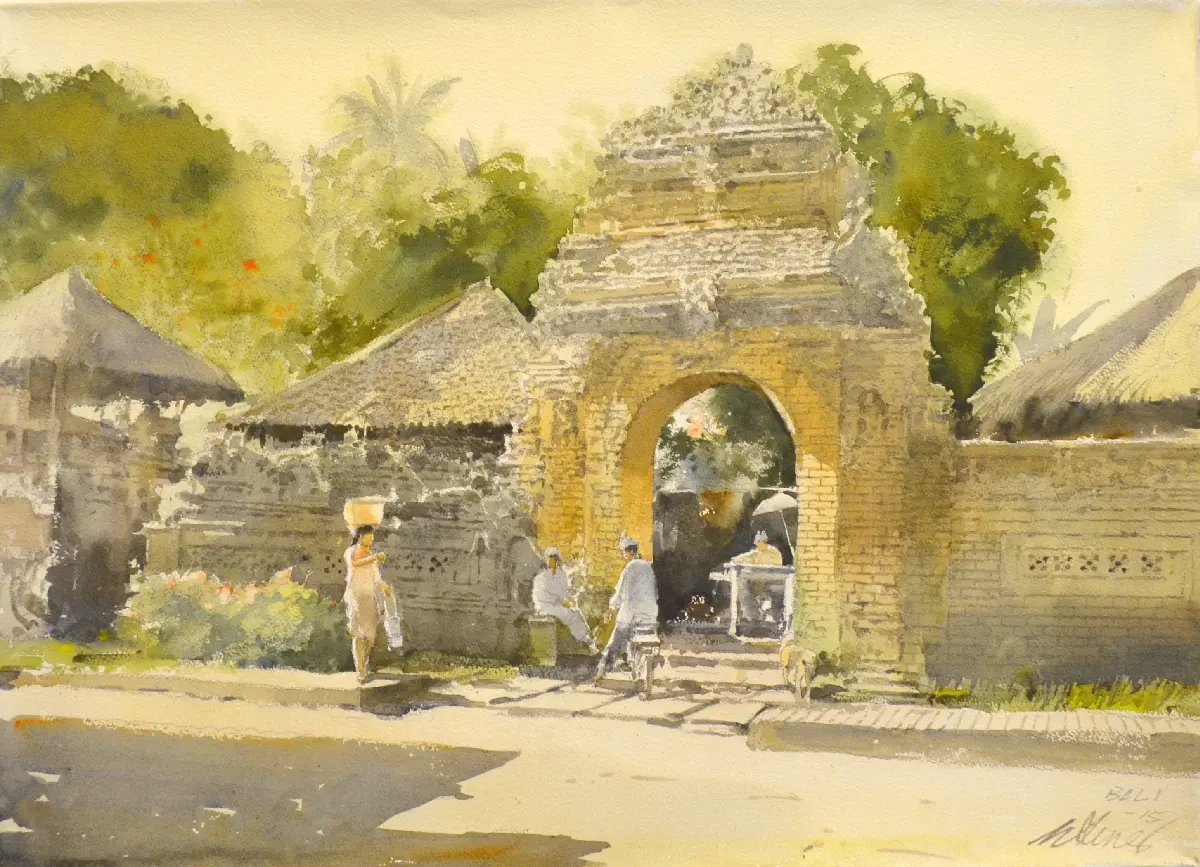
Balinese palace / temple architecture
Ubud, in Bali, is rich in temple structures, ornate gateways, and tropical foliage. In Ubud Palace, Ong would likely emphasize temple roofs, carved stone, shadows among columns, and tropical trees around. The scene would blend solidity (stone, roof lines) with softer elements (plants, dappled sunlight) to evoke a sense of place and atmosphere.
Ong Kim Seng remains one of Singapore’s most beloved and respected watercolour artists. His life and work testify that passion, perseverance, observation, and a sensitive hand can transform humble scenes into poetic reflections of place and memory.
His legacy is not just the beautiful paintings he leaves behind, but the example he sets: that in the delicate medium of watercolour, one can imbue solidity, emotion, light, and narrative — even without formal schooling. For Singapore, he stands as a cultural icon, bridging art and identity, and reminding all who look at his works that even in everyday corners, there is beauty waiting to be seen.
Click and get to our WhatsApp
Embark on a captivating journey into the vibrant world of digital art! Our Foundation in Digital Art workshop invites budding creatives aged nine and above to unleash their imagination and hone their artistic skills in a dynamic, supportive environment. From mastering basic digital tools to crafting mesmerizing digital masterpieces, children will explore a spectrum of techniques guided by seasoned mentors. Through hands-on activities and interactive sessions, participants will discover the endless possibilities of digital expression while fostering creativity and critical thinking. Join us for an exhilarating adventure where young artists transform ideas into stunning visual realities, igniting a passion for digital art
In the Batik Introduction Handkerchief Painting workshop, participants will learn the traditional art of batik, a wax-resist dyeing technique originating from Indonesia. The workshop begins with a brief history and overview of batik, highlighting its cultural significance and various techniques. Participants will then observe a demonstration of applying wax with tjanting tools and dyeing the fabric. Following the demonstration, each participant will design and create their own batik handkerchief, applying wax to create patterns and then dyeing their fabric. The workshop concludes with a group discussion, allowing participants to share their creations and reflect on their learning experience.