Acrylic Painting on Canvas Team Bonding Art Jamming Singapore Visual Arts Centre


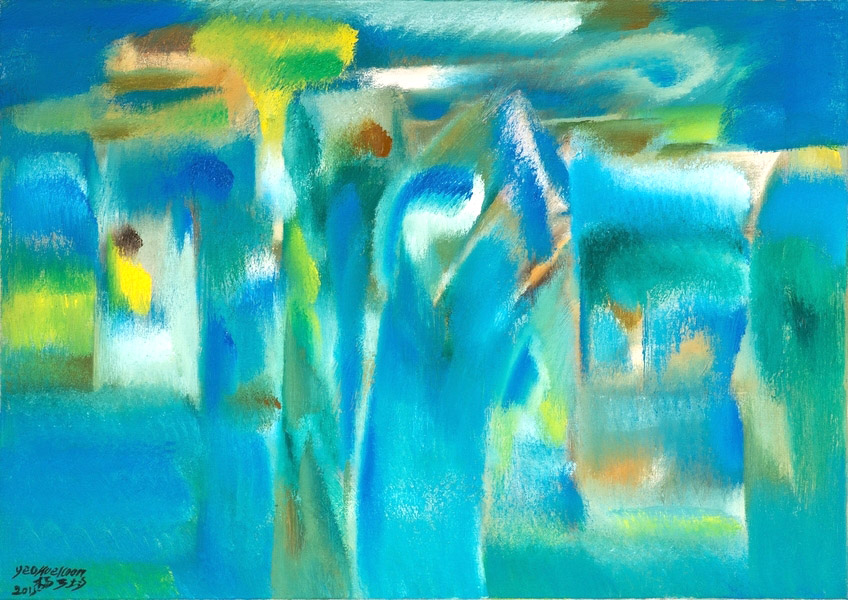
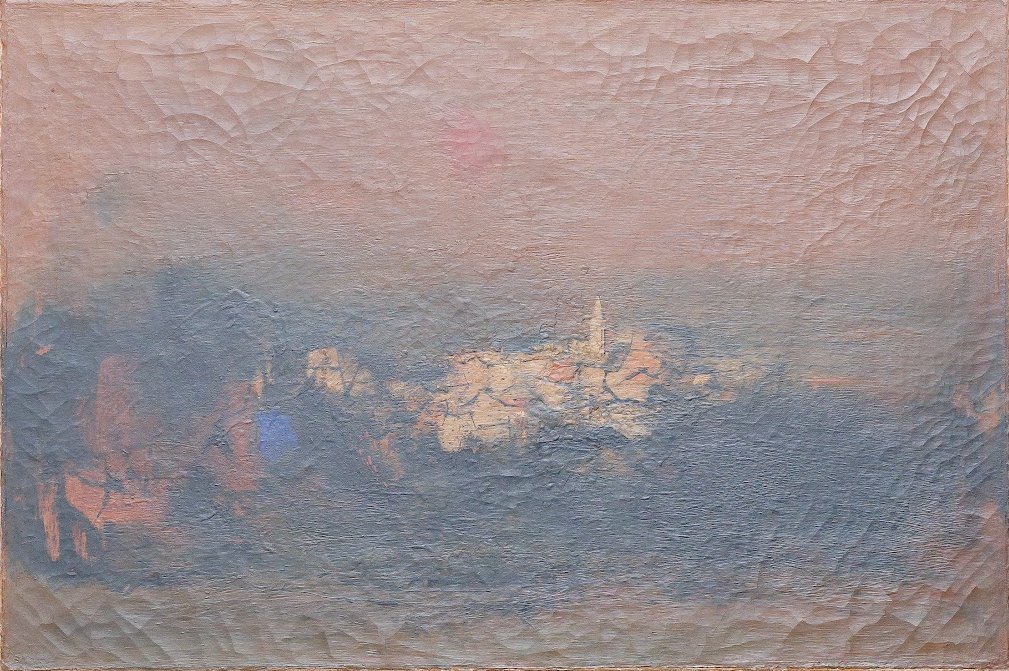
Yeo Hoe Koon
Oil on Canvas
64 x 89.5 cm
Price Range: $16,000 - $20,000
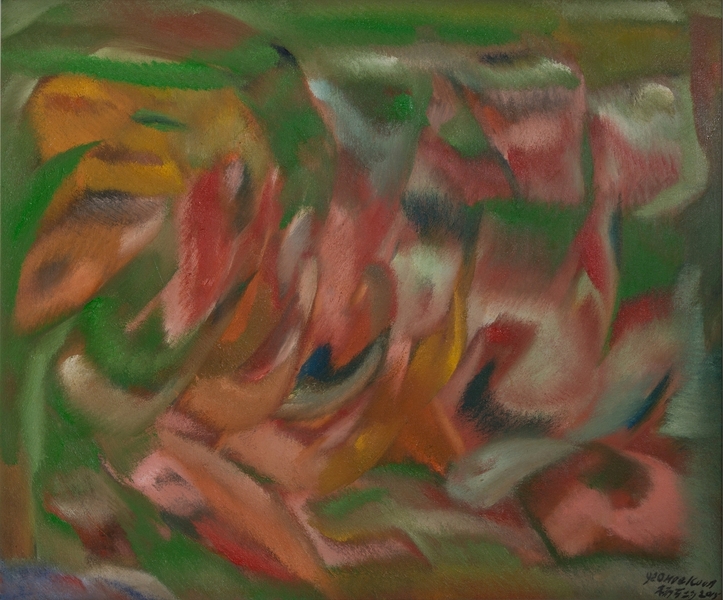
Yeo Hoe Koon
Oil on Canvas
101 x 123 cm
Price Range: $26,000 - $32,000
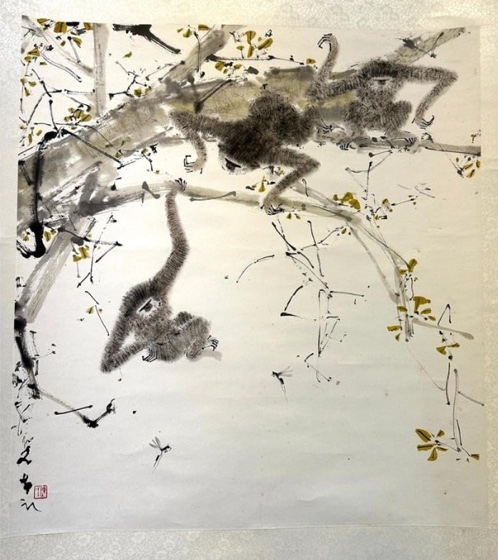
Chen Wen Hsi
Chinese Ink and Color on Paper
50 x 54cm
Price Range: SGD $42,000 - $50,000
Cheong Soo Pieng
Red Tone
61 x 91.5cm
Price Range: SGD $108,000 - $138,000
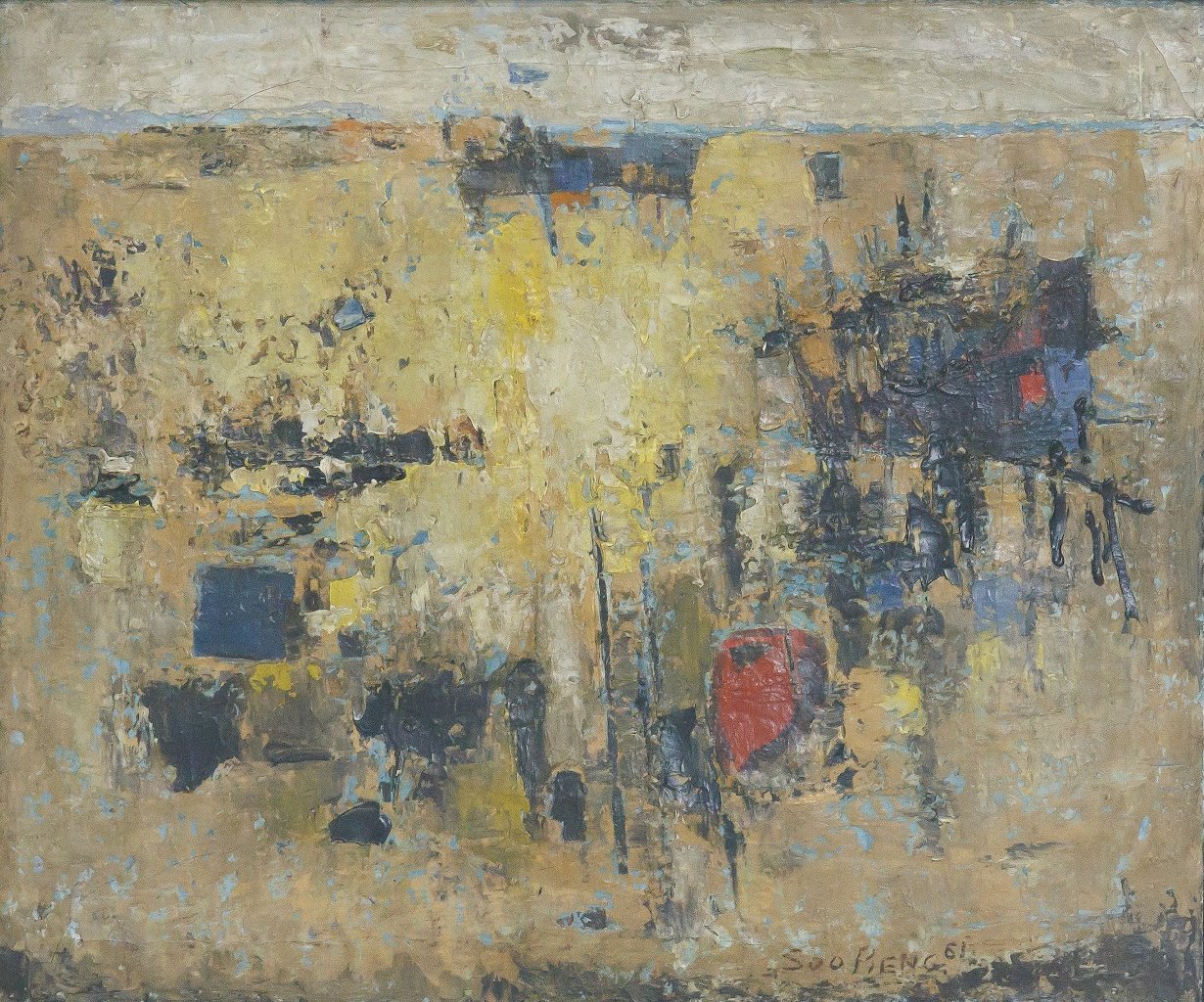
Cheong Soo Pieng
Abstract Landscape
50 x 61cm
Price Range: SGD $95,000 -$128,000
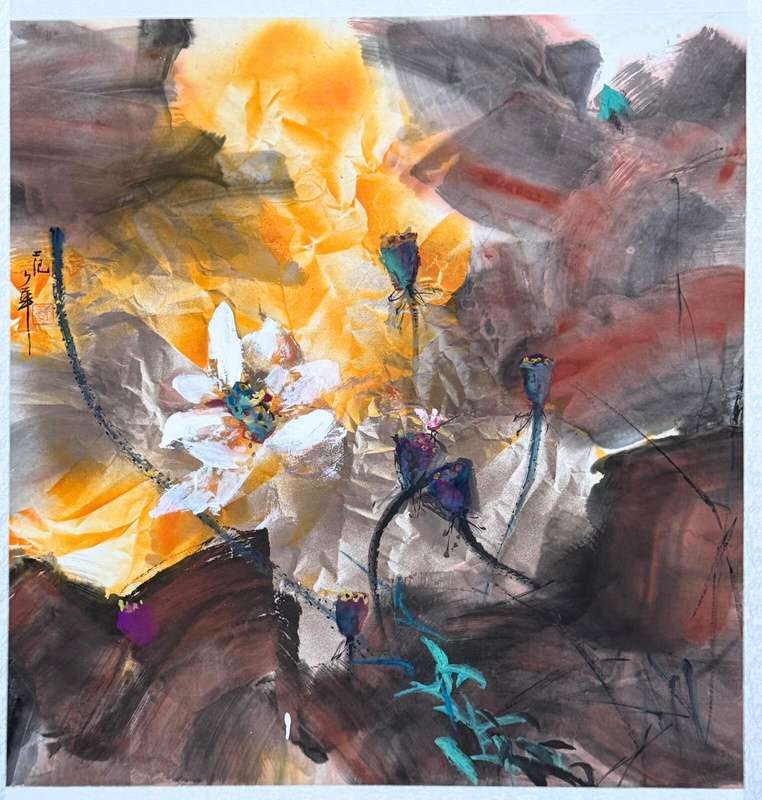
Fan Shao Hua
Chinese Ink and Colour on Paper
100 x 100cm
Price Range: SGD $9,800 - $14,800
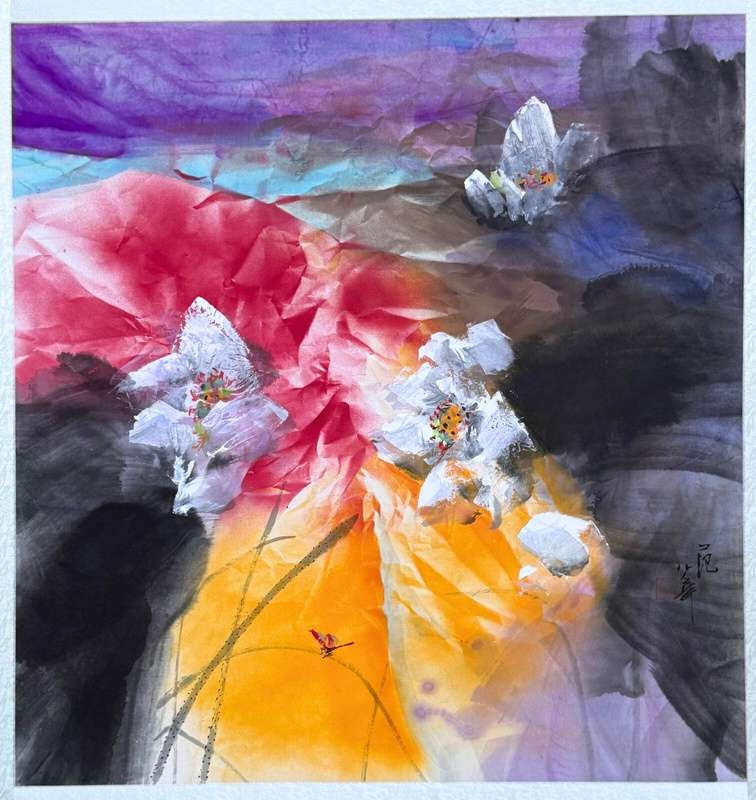
Fan Shao Hua
Chinese Ink and Colour on Paper
100 x 100cm
Price Range: SGD $8,800 - $13,800
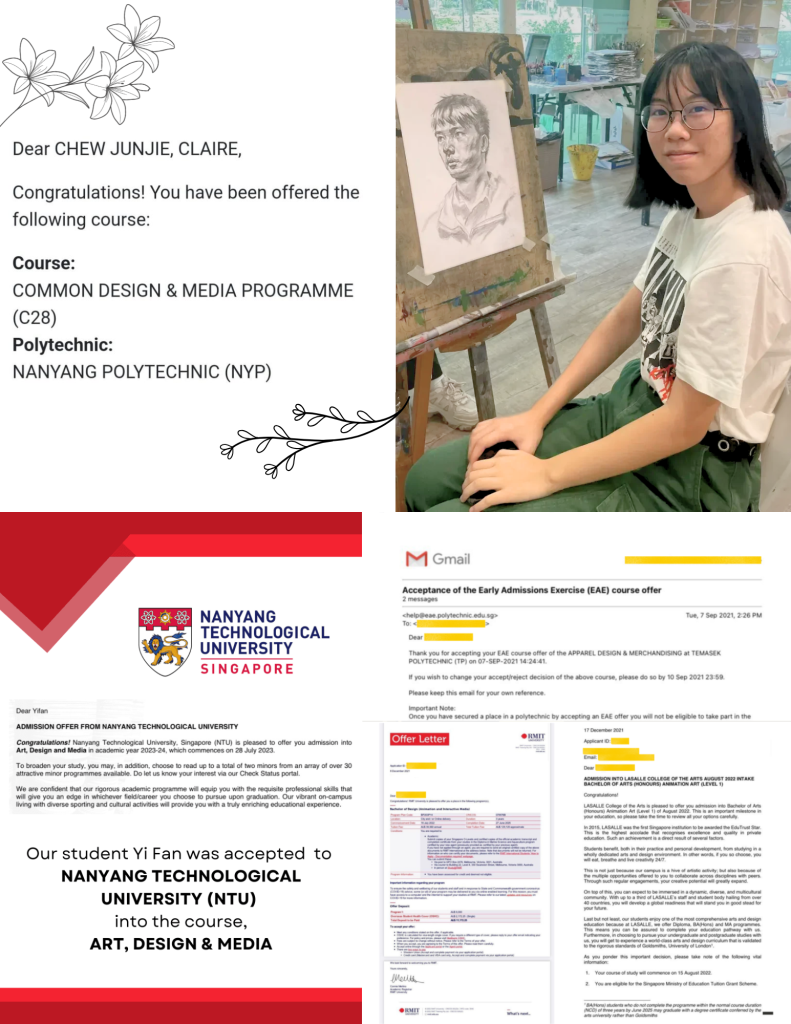
Navigating the EAE-Polytechnic, EAE-NAFA, EAE-Lasalle (Early Admission Exercise) admission process in Singapore can be complex, with each school setting its own expectations and standards. This complete guide breaks down the key visual art/design portfolio requirements for both EAE applications, giving you a clear understanding of what schools are really looking for, from artwork selection and structure to process work and interview readiness. Whether you are just starting or refining your visual arts/design portfolio, this guide will help you build a submission that stands out.
EAE (Early Admission Exercise) is similar to DSA (Direct-School Admission). It is an exercise where students are admitted into a school based on their aptitude and attitude towards the relevant course and not on academic grades. EAE is great for students who want to secure a spot in their preferred choice of study and school without competing against JAE (Joint Admissions Exercise) students. The application period usually is early May to late May for Lasalle, mid to late June for NAFA and late June to early July for Polytechnic. For ITE students specifically, EAE for Polytechnic opens in mid to late June. Acceptance will usually be announced in late August to early September.
Animation, Games & Visual Effects | Nanyang Polytechnic (C29)
Common Design Programme | Temasek Polytechnic (T71)
Fashion Management & Design | Temasek Polytechnic (T20)
Media, Arts & Design | Singapore Polytechnic (S29)
Architecture | Nanyang Polytechnic (C38)
Architecture | Singapore Polytechnic (S66)
Interior Architecture & Design | Temasek Poly (T22)
Fine Arts | Lasalle (TGS-2017504657)
Animation | Lasalle (TGS-2017504663)
Illustration Design with Animation | NAFA (C81)
Graphic Communication | NAFA (C79)
Fine Art | NAFA (C76)
Fashion Design | NAFA (C78)
Students applying for EAE-Polytechnic, EAE-NAFA & EAE-Lasalle will be required to submit a Visual Arts Portfolio. Specifically for EAE-Polytechnic, students will submit their portfolio after passing Stage 1 when their write-up gets accepted by the school they are applying to or after passing the school’s Stage 2 aptitude test. Polytechnics will also typically do a Stage 3 which would be the final interview stage.
These portfolios will require the student to have relevant artworks or projects related to their choice of study. Generally most schools will require them to show their technical skill, creativity, originality, and ability to communicate ideas visually.
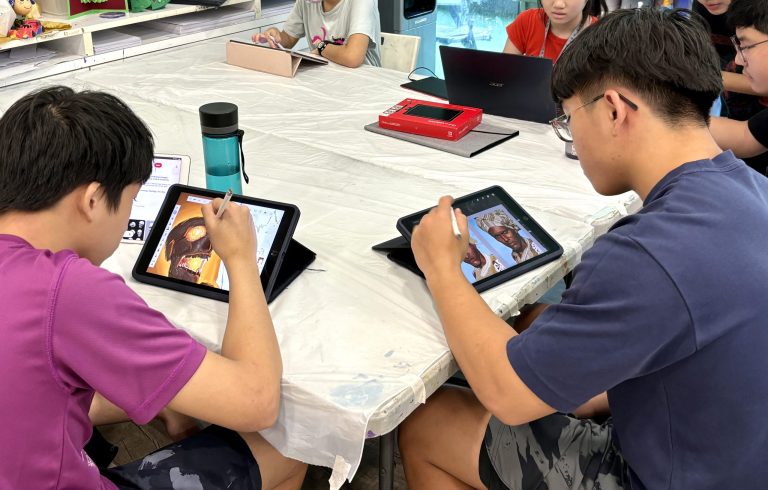
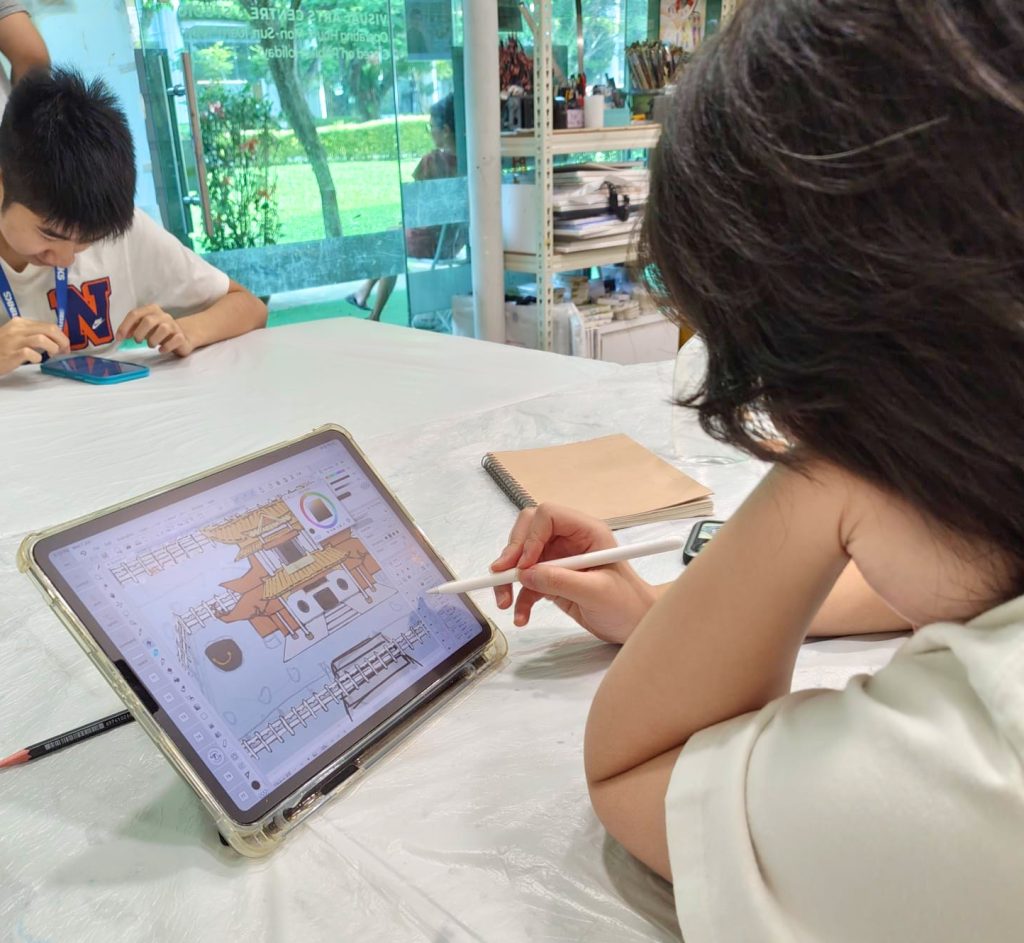
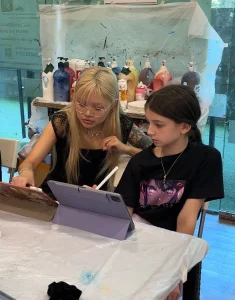
Our Teen students doing Digital Drawing & Painting
A strong EAE-Poly, EAE-NAFA & EAE-Lasalle Visual Arts Portfolio should show:
A good EAE-Poly write-up should include three key aspects.
Write-ups also have a limit of 600 characters, inclusive of punctuation.
A simple introduction of your interest, it can be your childhood story, why you discovered the interest, where you developed it from, etc
2. Awards/Contribution/Training
What you have done related to the course of study or art that is notable
3. Career Goal
Sample:
I was introduced to anime from a young age by my father. Ever since then, I grew a strong interest in drawing and started practising art. To develop my technical artistic skills, I have been studying Digital Drawing and Painting and Drawing and Sketching at Visual Arts Centre for 3 years. In school I take O-Level Art and contribute to my school as a senior artist in a student led magazine. I was also top in Cohort for art at Secondary 2. I have been posting my art online regularly since 2019 and reached a peak of 200 followers. I hope to become an animator and concept artist if I get into C29. (600 characters)
A well-prepared DSA-SOTA & DSA-MOE visual arts portfolio should include the following key components, aligned with both SOTA and MOE expectations.
1. Number of Artworks required in EAE-Poly, EAE-Lasalle & EAE-NAFA Visual Arts Portfolio
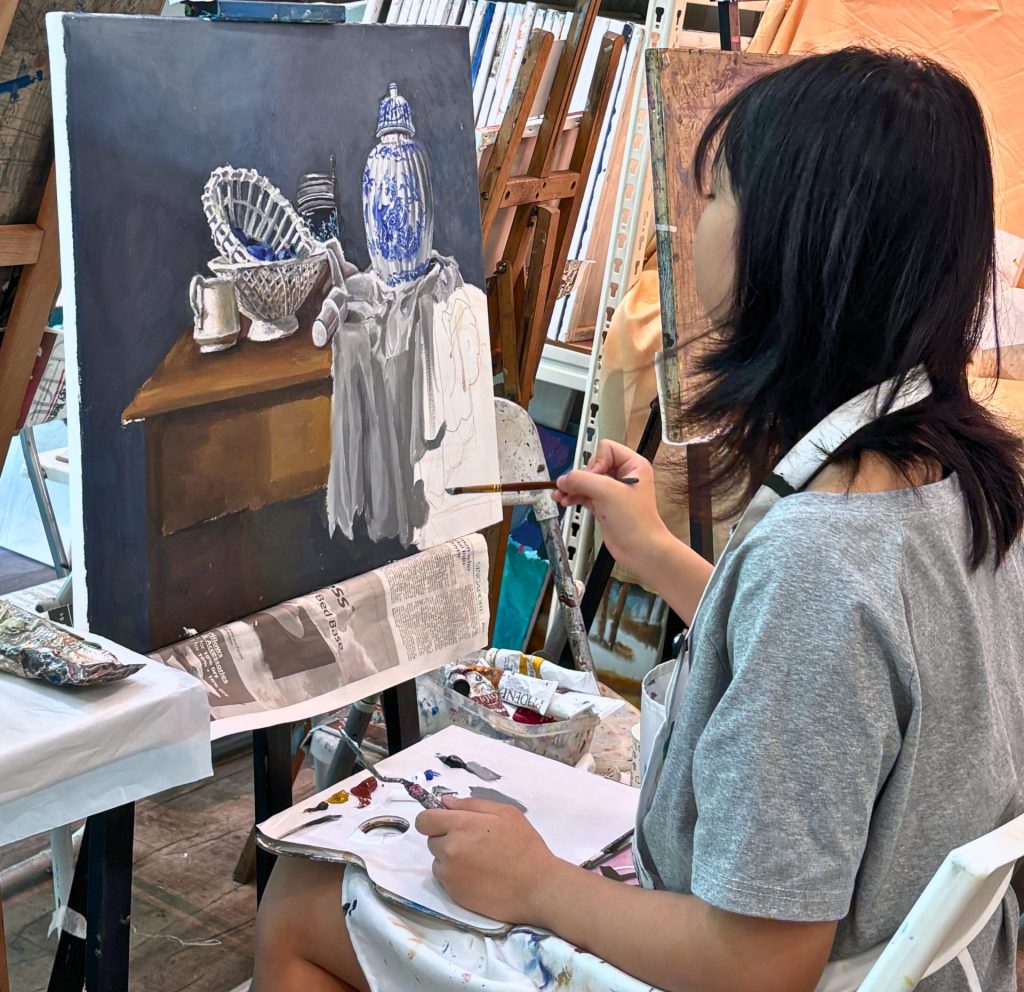
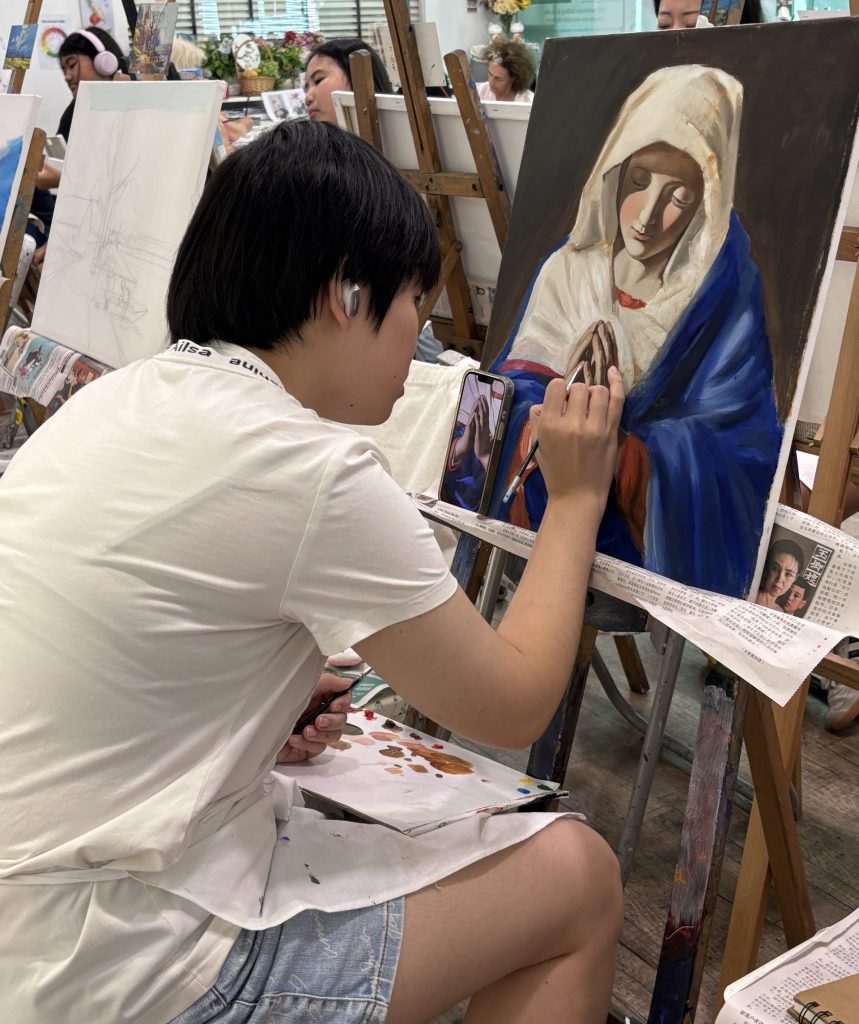
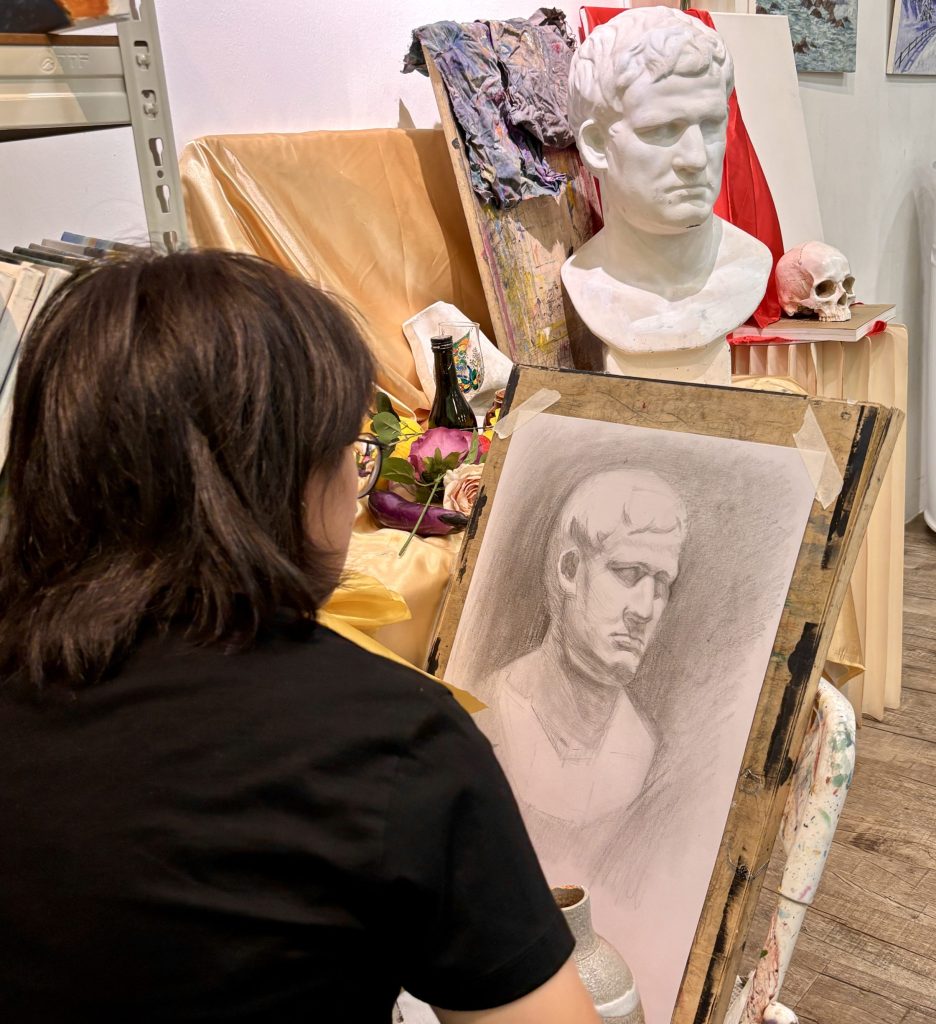
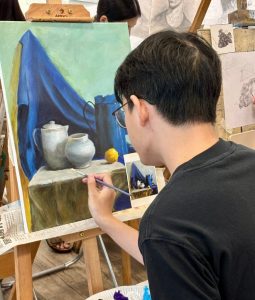
Portfolio Preparation – Our Visual Arts Centre EAE (Teens) Portfolio student working on their Oil Painting
2. Types of Artworks
Observational Drawings
Observational drawings, such as Still Life Drawings, Landscape Drawings, Gesture Drawings and Figure Drawings, are essential in visual art portfolios, as they showcase the student’s understanding of proportion, perspective, light and shadow, and accurate observation.
Schools also expect to see a mix of sketches and finished work. For quick sketches, we would recommend gesture drawings.
Original Artworks/Designs
Original artworks or designs that relate to the course of study you are applying to. For example, if you are applying to Animation, you will need: Storyboards, Concept Art, Animation Cycles, Animation studies, Character Designs. A mix of original traditional work and digital work would be good, but you will need to consider the course of study. If it is a Fine Art Course, a mix focusing more on Traditional would be more appropriate. If it is Graphic Design, Animation, Games, Visual Communication Design or courses of study that are usually done digitally, a mix with more Digital Pieces is better.
Variety of Mediums
A good portfolio should show a range and versatility in the mediums they use, such as Pencil Drawing, Acrylic Painting, Watercolour Painting, Digital Art, Mixed Media, etc. However, it is okay if the portfolio is geared towards a medium of specific specialisation. For example, if you are applying to Interior Design, a portfolio with only Linework, Pencils, and Digital Linework is appropriate.
Most courses do prefer having some variety. Key mediums we recommend are Drawing & Sketching pieces and mediums relevant to the course of study.
3. Process Work
Many schools value the sketches, drafts, development process, and idea exploration of your artworks. These processes showcase your thinking ability, your artistic growth over time, and your problem-solving skills.
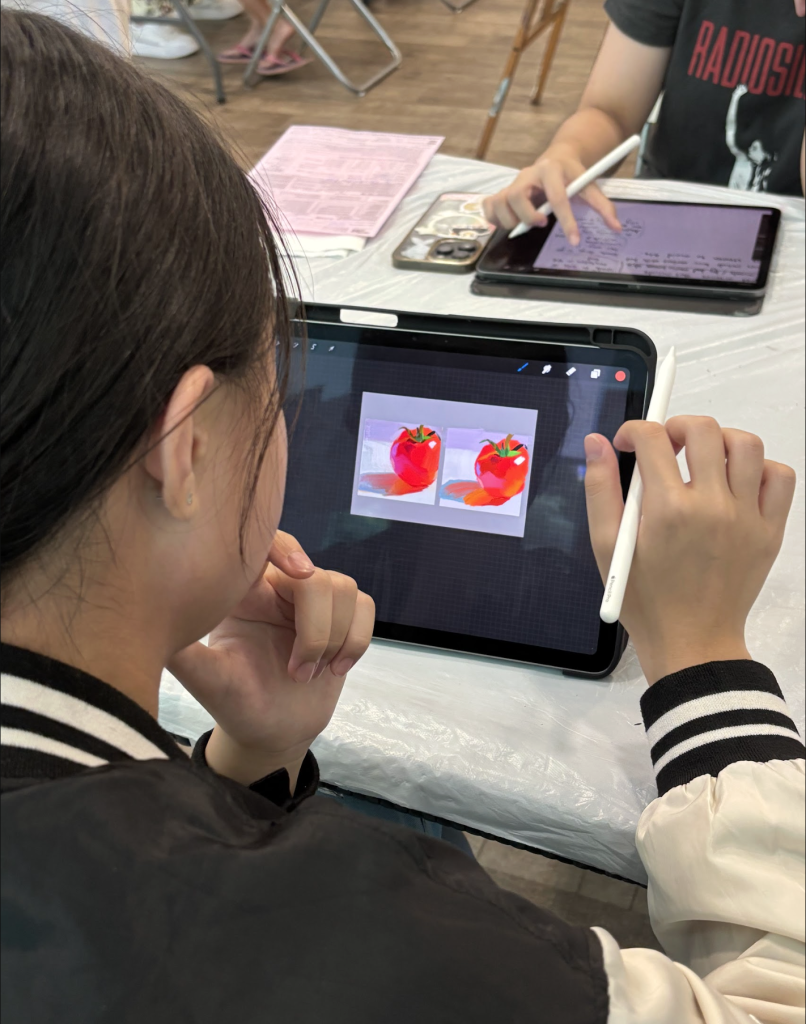
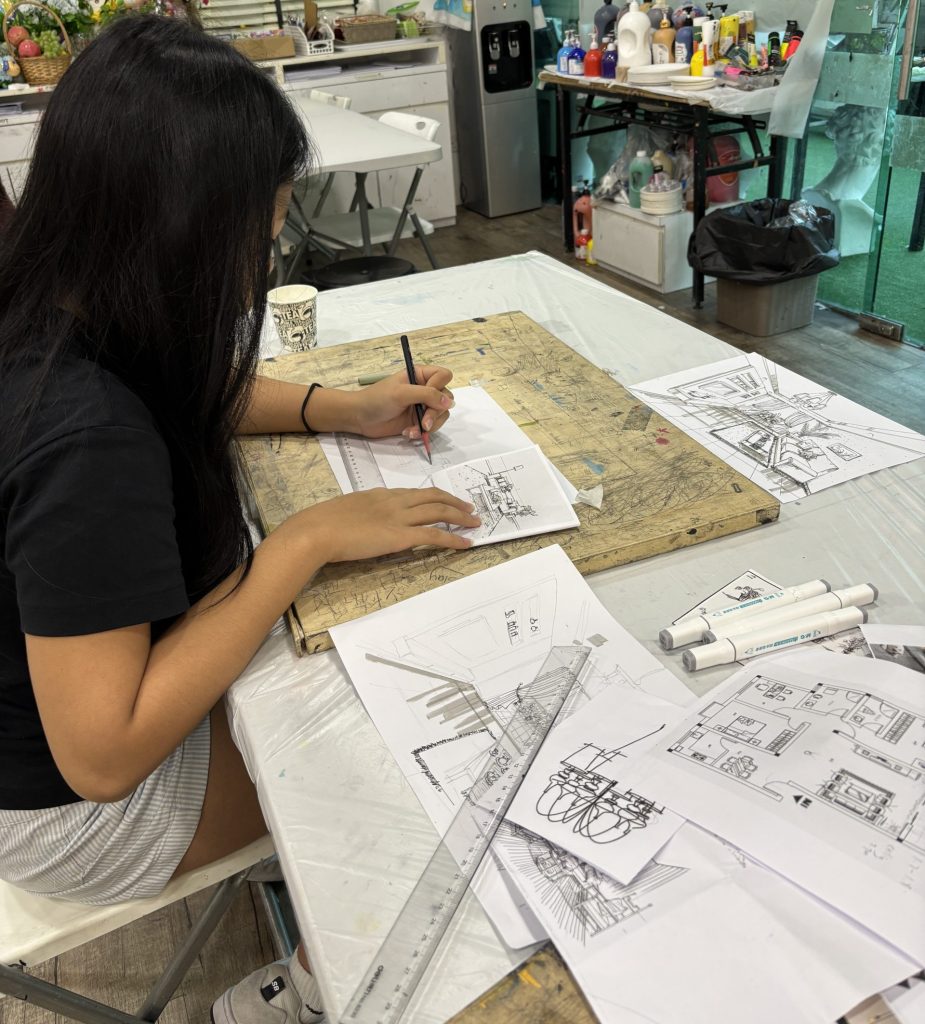
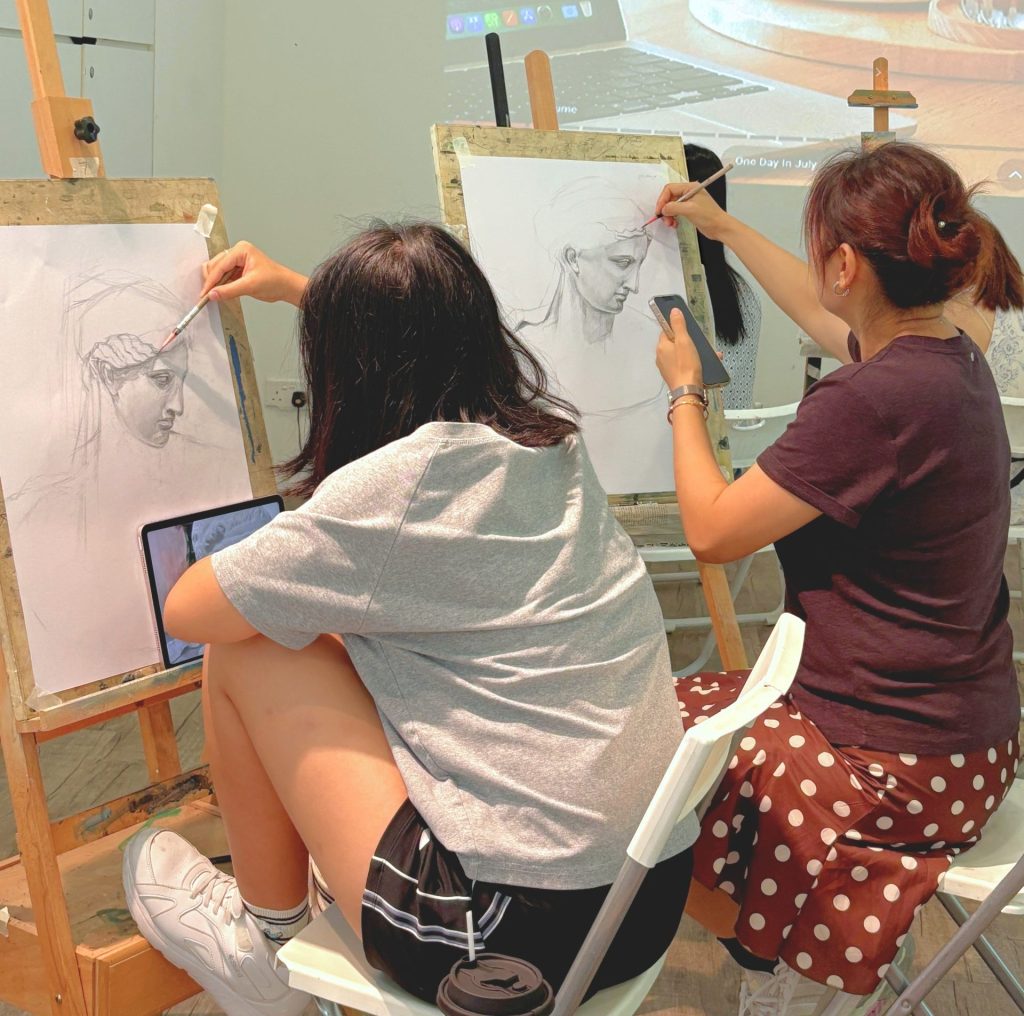
Portfolio Preparation – Our Visual Arts Centre EAE (Teens) doing a digital painting of still-life
4. Thematic / Cohesive Direction
A student’s visual art portfolio should not be a random mix of scattered works. Instead, their visual arts portfolio should be cohesive and show a theme, artistic direction and be relavant to course of study.
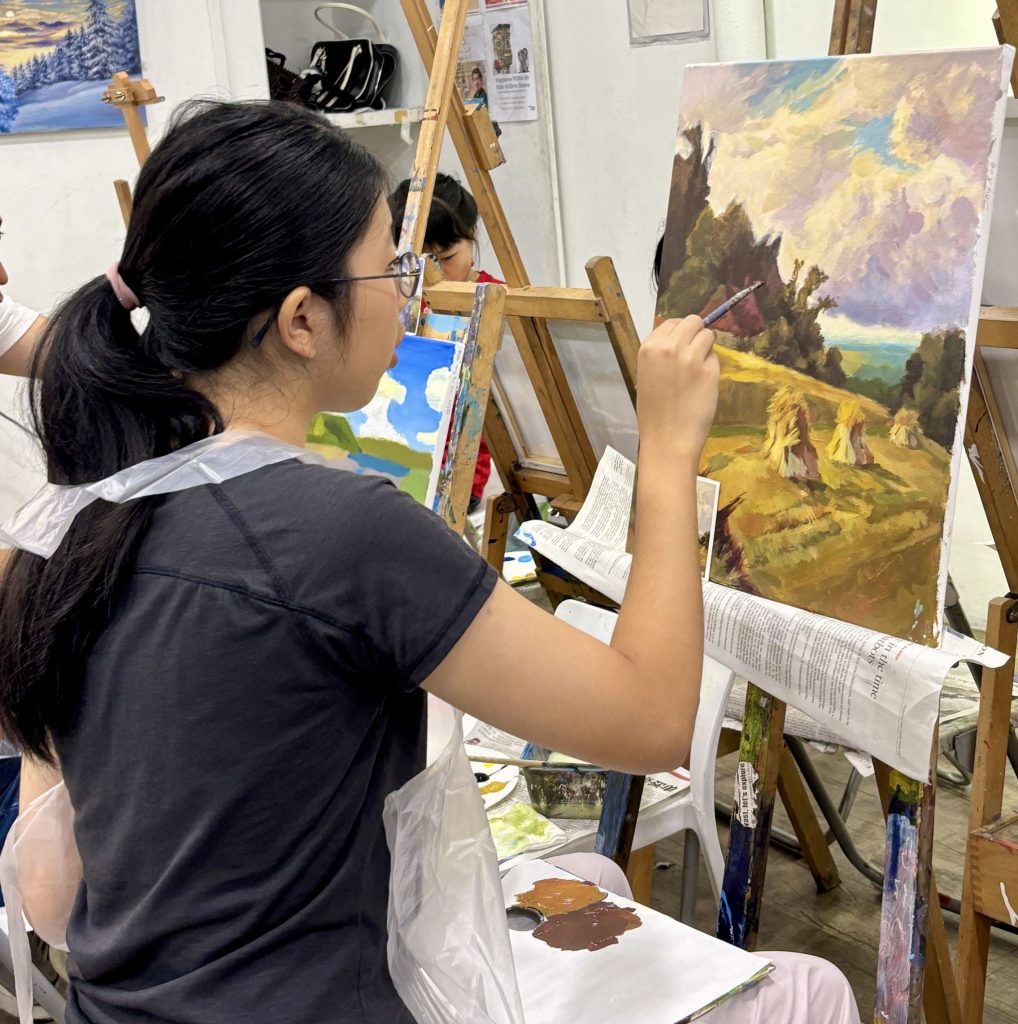
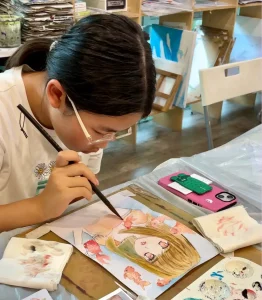
Portfolio Preparation – Our Visual Arts Centre EAE (Teens) Portfolio student working on her acrylic landscape painting
Your visual arts portfolio should be clearly organized and professionally presented to ensure your work is easy to understand and assess.
1. Artwork Labelling
Each of the students’ artwork in their visual arts portfolio should include the title, size and date of their art piece, the medium that they used, and a short description of what they created.
2. Visual Arts Portfolio Format
Depending on the school they want to apply to, students are usually asked for a digital PDF Portfolio; some schools may also request a website or video introduction + best work highlights through email or form submissions.
3. Quality & Organisation
The student’s visual arts portfolio must show a clear layout, clean presentation, logical sequencing of their artworks, and display a strong first impression to the schools of their choice.
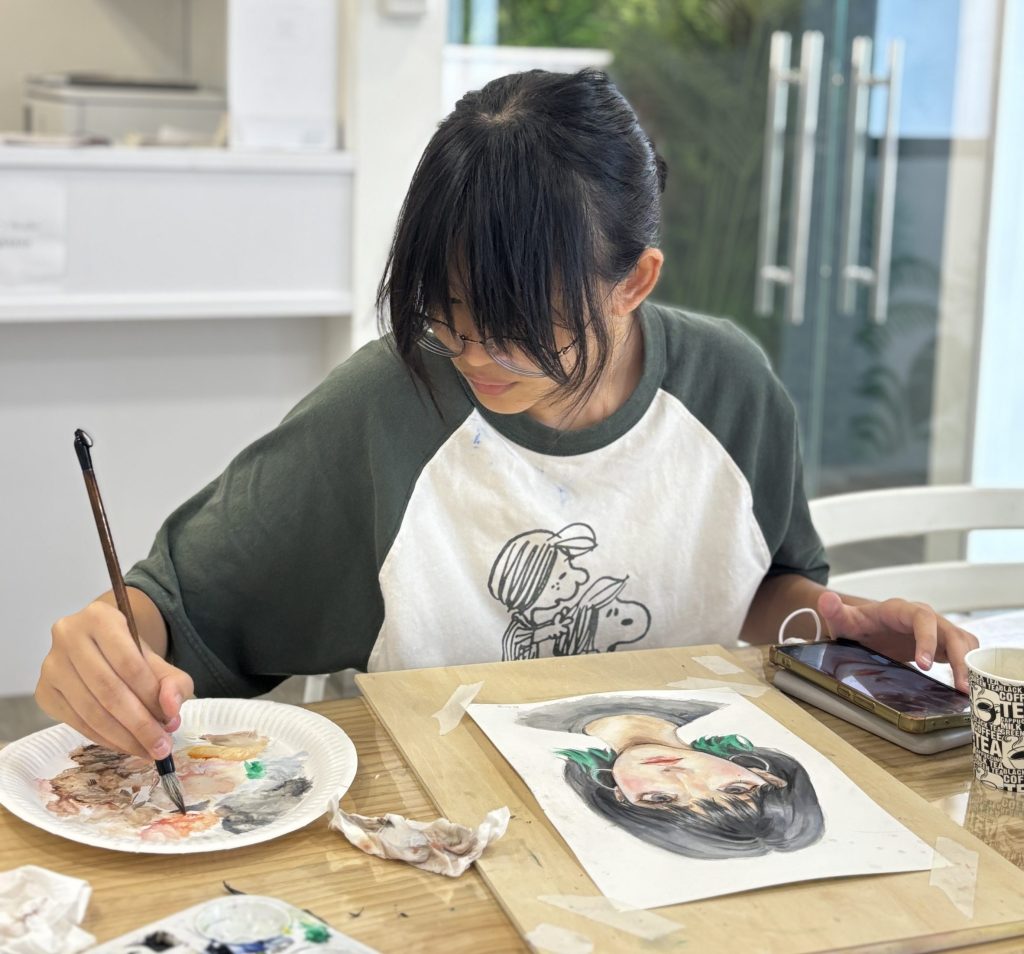
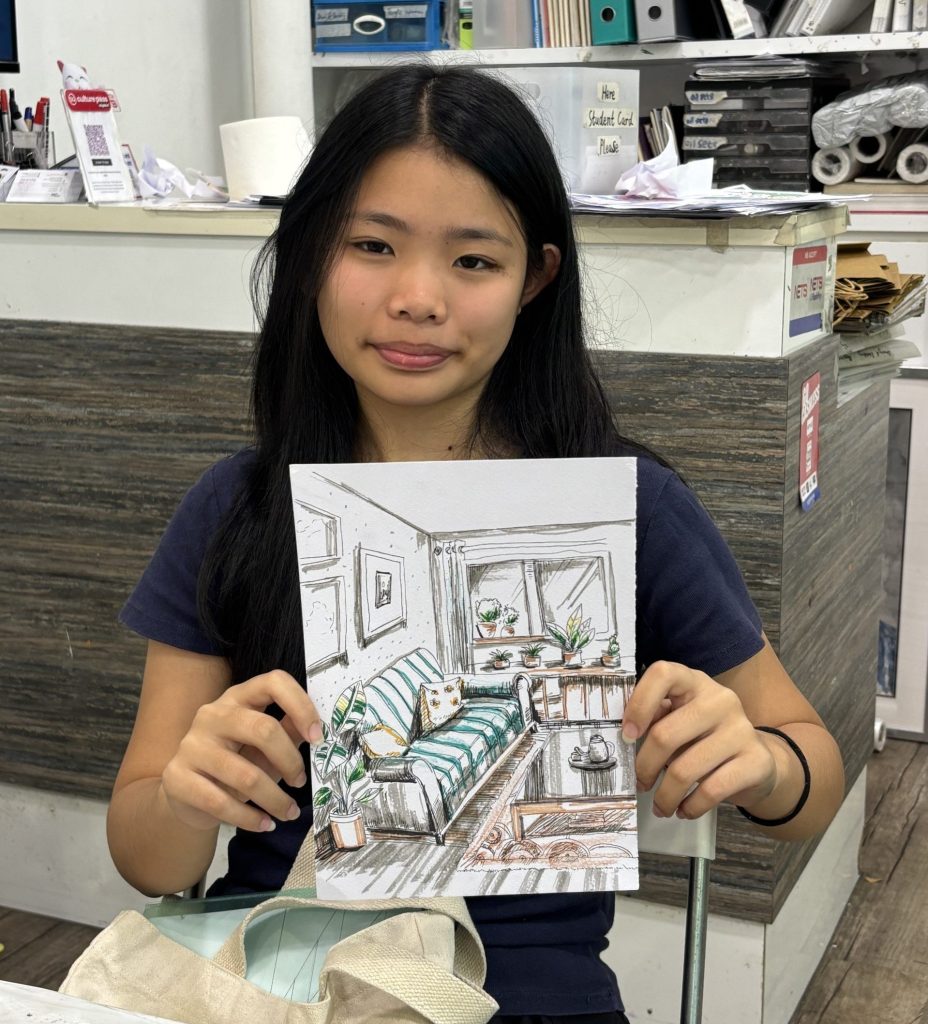
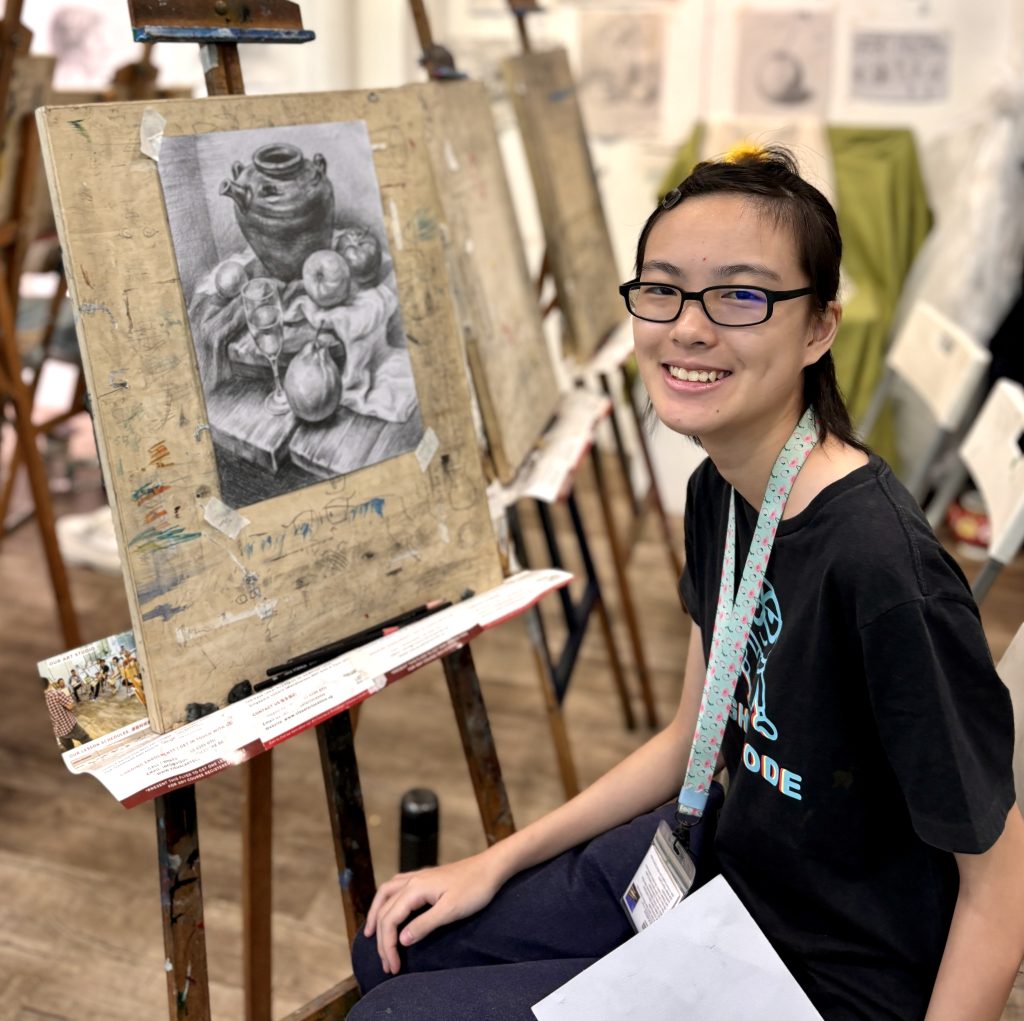
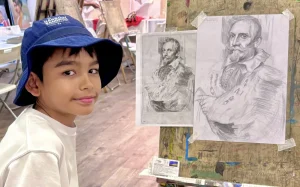
Portfolio Preparation – Our Teen student with her finished Drawing & Sketching Portrait
In addition to the student’s visual arts portfolio, many schools require additional materials such as the student’s art achievements, certificates, school testimonial or referral letter, or records of participation in art activities.
During the EAE-Poly, EAE-NAFA & EAE-Lasalle Visual Arts Application, most students will go through
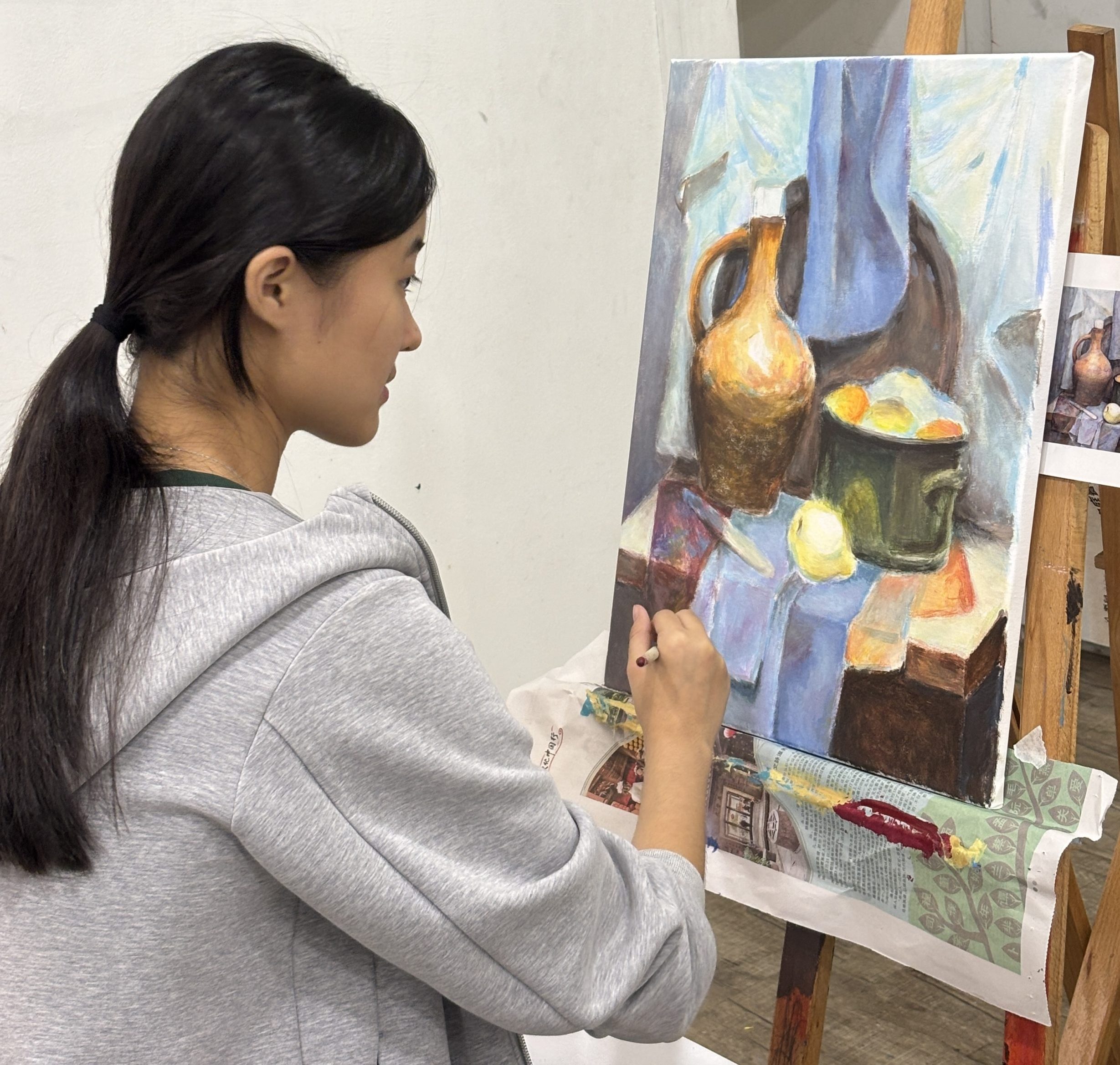
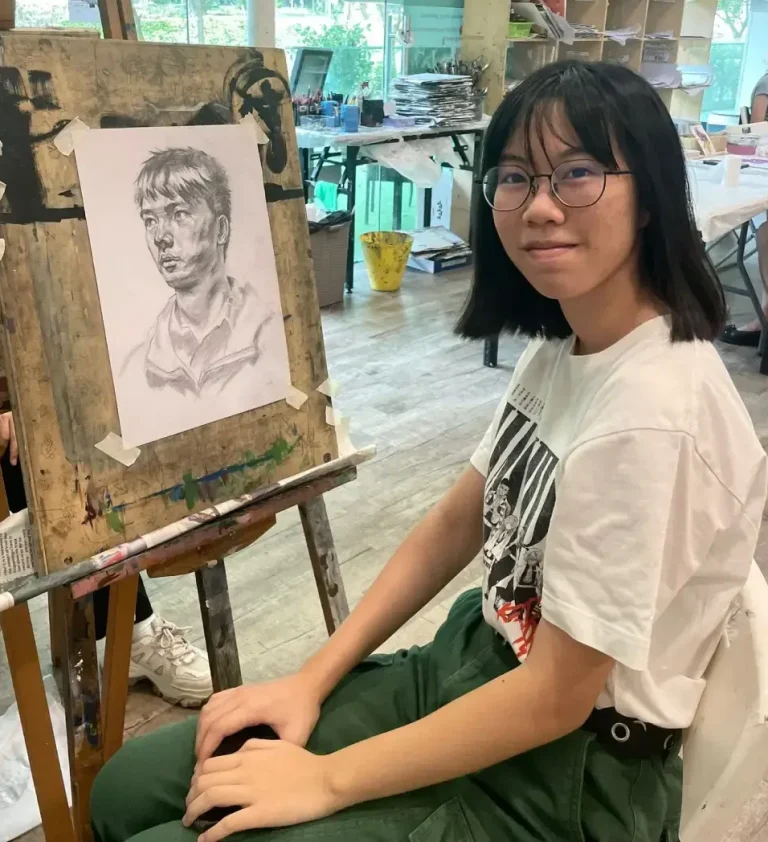
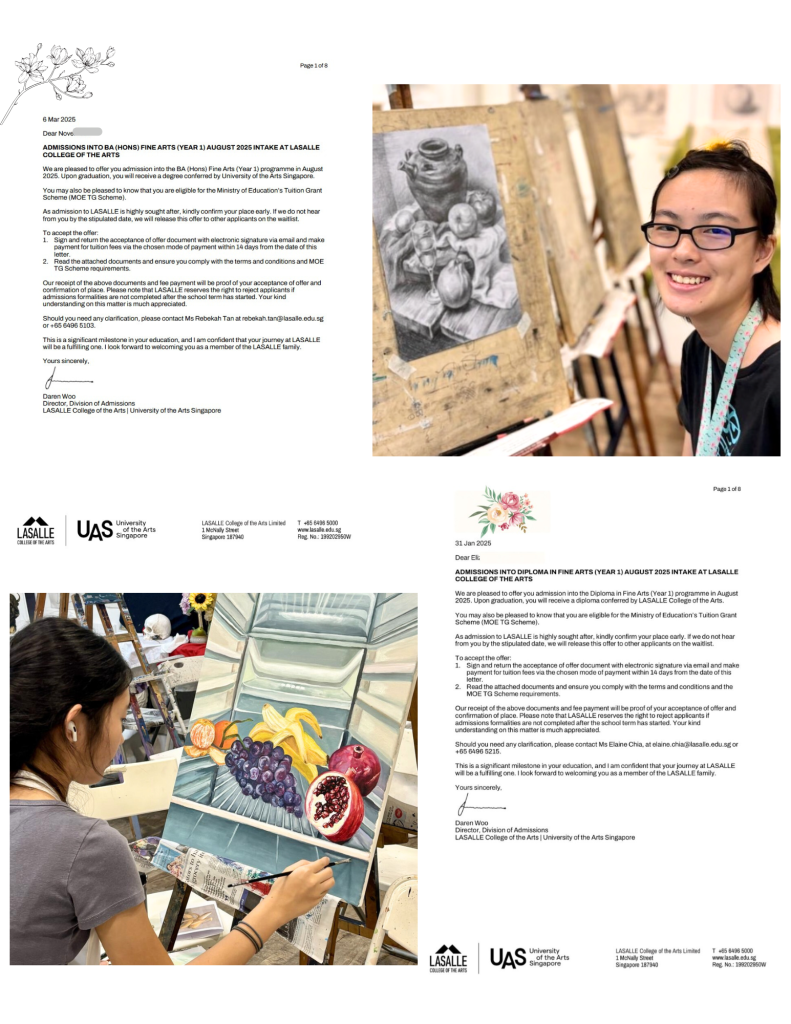
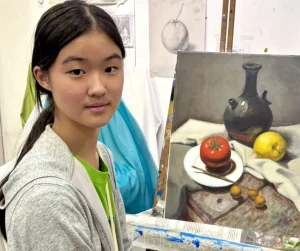
Portfolio Preparation – Our student completing her still-life acrylic painting
Students may be asked the following:
Possible tasks:
Live drawing (still life/theme-based/motif)
Creative task within time limit
Problem-solving artwork
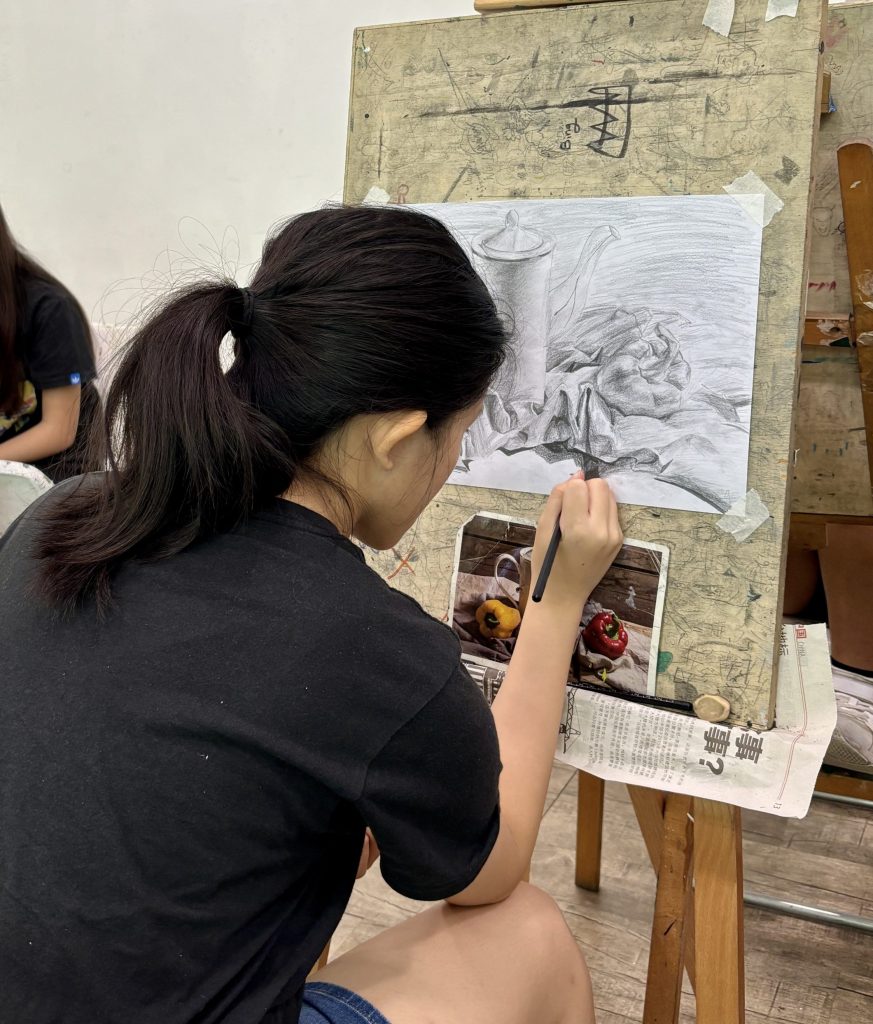
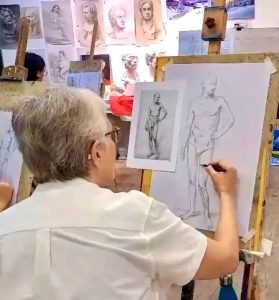
Our Teen student doing Drawing & Sketching in her One-to-One Private Art Class
Address:
10 Penang Road, #01-02 Dhoby Ghaut Green,
Singapore (238469)
Exit from Dhoby Ghaut MRT Station Exit B and turn left, we are there in 30m!
Address:
20B Mosque Street, Singapore (059500)
*2 minutes walk from Chinatown MRT Station Exit A
Take a left turn upon exiting the Chinatown MRT Station Exit A (Pagoda Street). Turn right to go to Mosque Street. Finally, walk towards 20B, we’re on the 3rd floor of the shophouse.
Click and get to our WhatsApp
Embark on a captivating journey into the vibrant world of digital art! Our Foundation in Digital Art workshop invites budding creatives aged nine and above to unleash their imagination and hone their artistic skills in a dynamic, supportive environment. From mastering basic digital tools to crafting mesmerizing digital masterpieces, children will explore a spectrum of techniques guided by seasoned mentors. Through hands-on activities and interactive sessions, participants will discover the endless possibilities of digital expression while fostering creativity and critical thinking. Join us for an exhilarating adventure where young artists transform ideas into stunning visual realities, igniting a passion for digital art
In the Batik Introduction Handkerchief Painting workshop, participants will learn the traditional art of batik, a wax-resist dyeing technique originating from Indonesia. The workshop begins with a brief history and overview of batik, highlighting its cultural significance and various techniques. Participants will then observe a demonstration of applying wax with tjanting tools and dyeing the fabric. Following the demonstration, each participant will design and create their own batik handkerchief, applying wax to create patterns and then dyeing their fabric. The workshop concludes with a group discussion, allowing participants to share their creations and reflect on their learning experience.