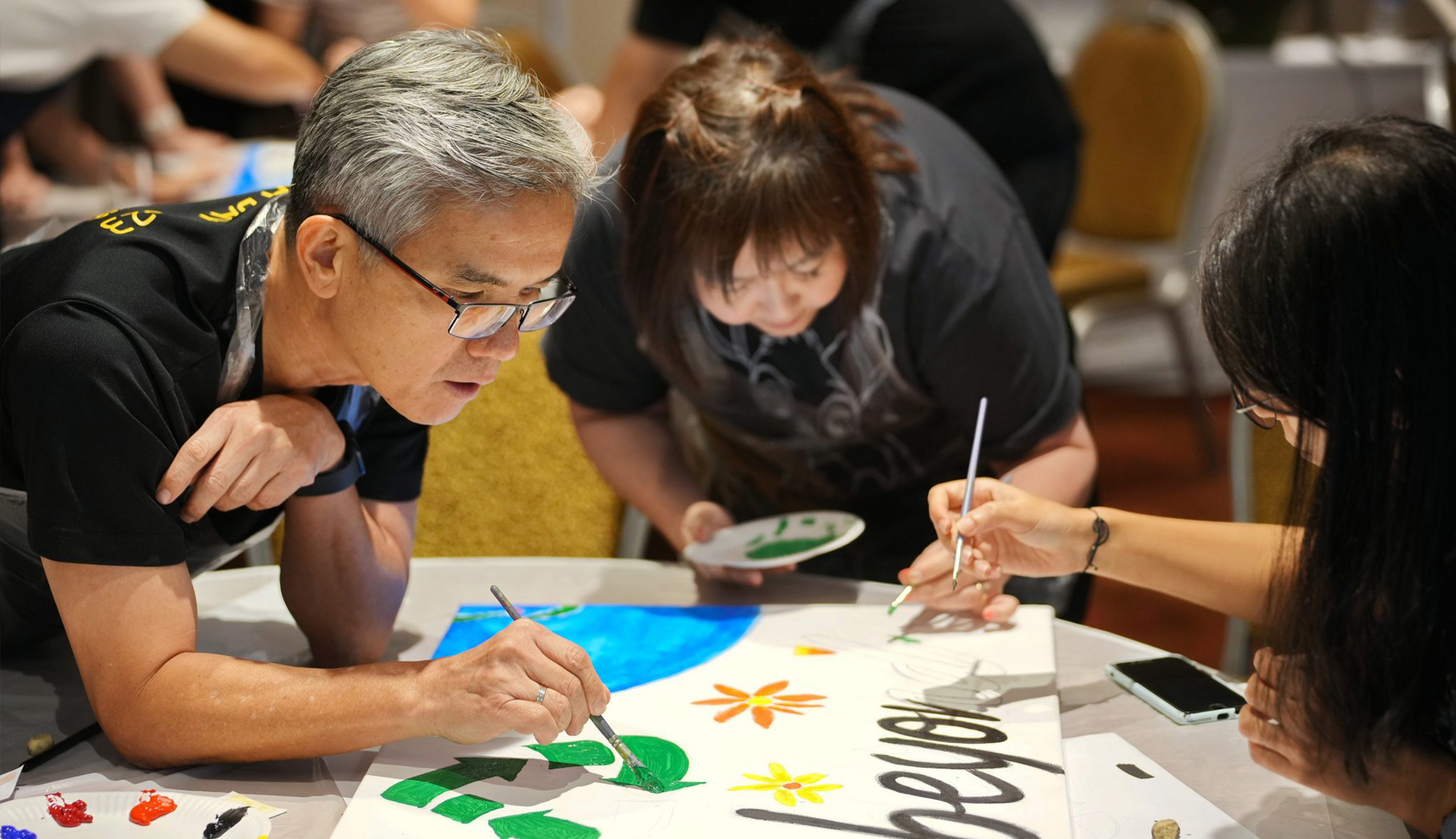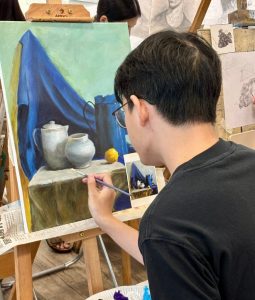
Acrylic Painting on Canvas Team Bonding Art Jamming Singapore Visual Arts Centre


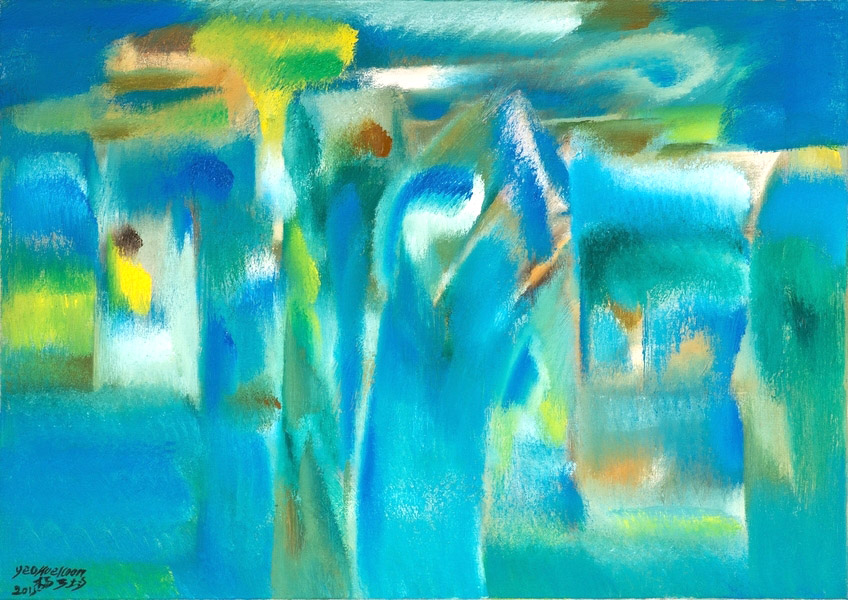
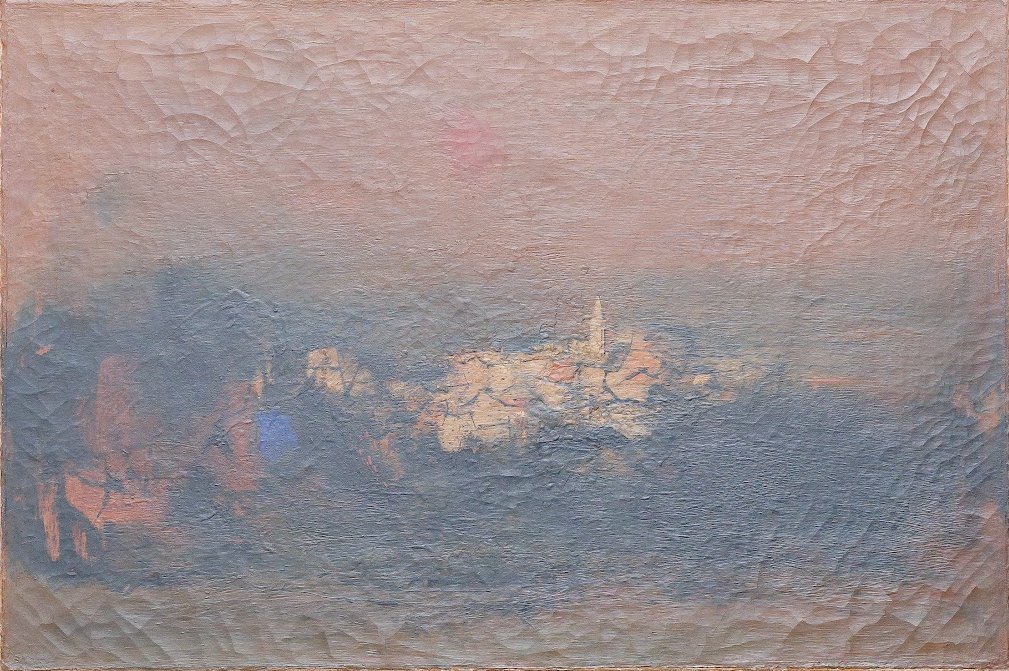
Yeo Hoe Koon
Oil on Canvas
64 x 89.5 cm
Price Range: $16,000 - $20,000
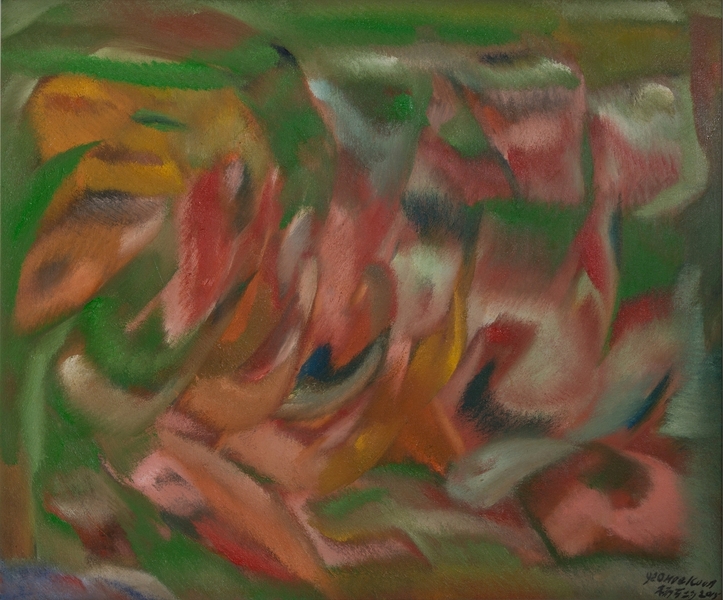
Yeo Hoe Koon
Oil on Canvas
101 x 123 cm
Price Range: $26,000 - $32,000
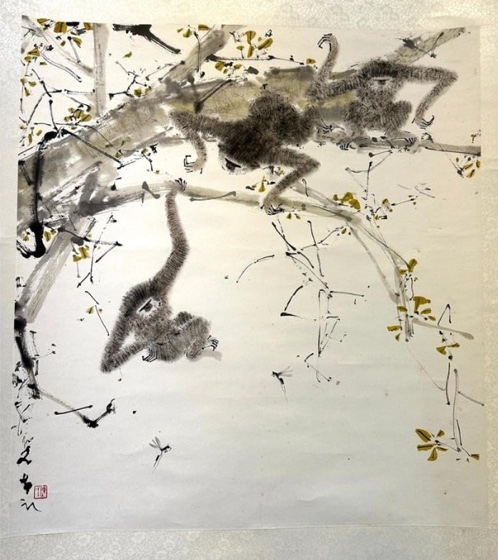
Chen Wen Hsi
Chinese Ink and Color on Paper
50 x 54cm
Price Range: SGD $42,000 - $50,000
Cheong Soo Pieng
Red Tone
61 x 91.5cm
Price Range: SGD $108,000 - $138,000
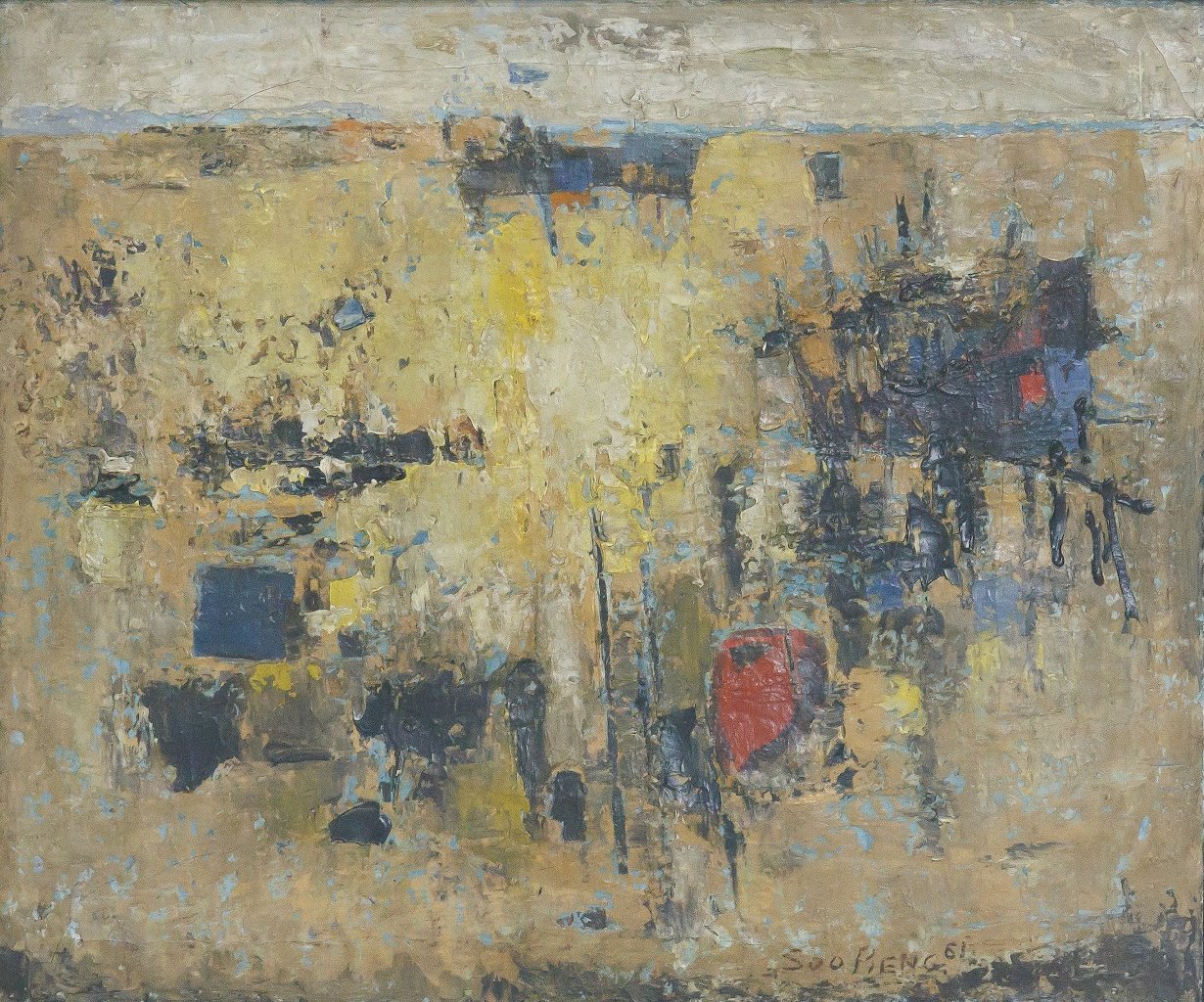
Cheong Soo Pieng
Abstract Landscape
50 x 61cm
Price Range: SGD $95,000 -$128,000
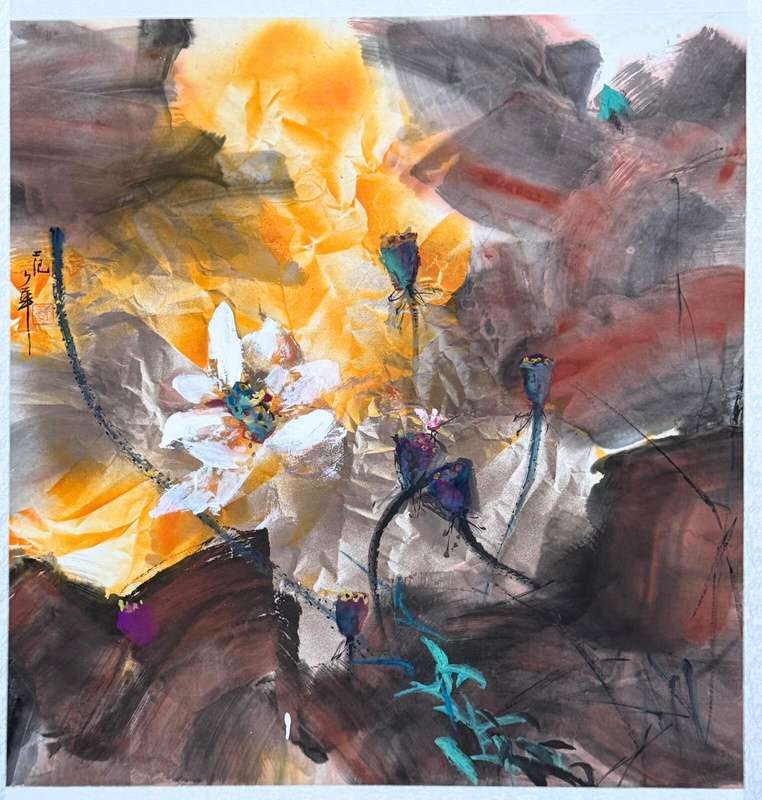
Fan Shao Hua
Chinese Ink and Colour on Paper
100 x 100cm
Price Range: SGD $9,800 - $14,800
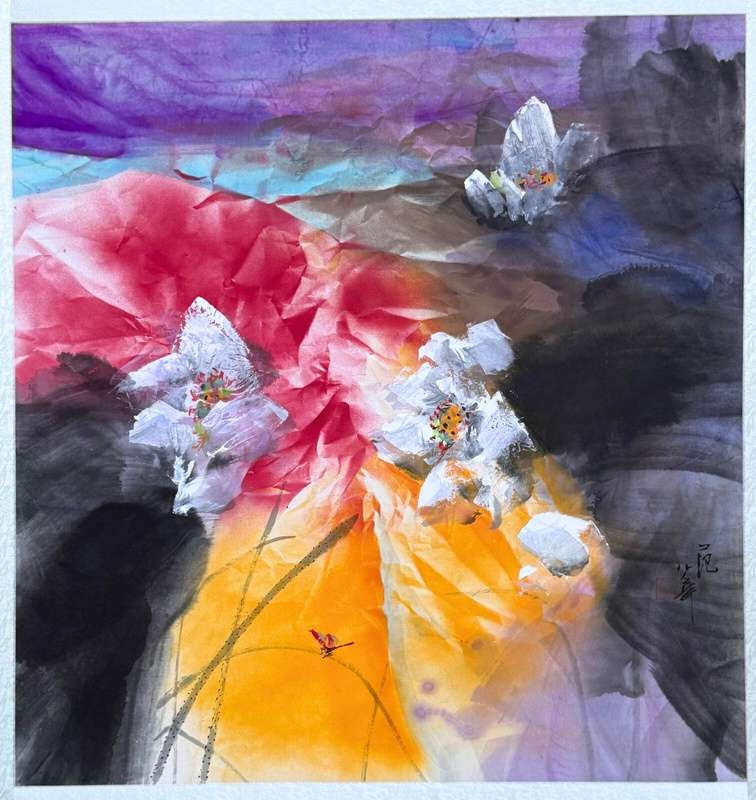
Fan Shao Hua
Chinese Ink and Colour on Paper
100 x 100cm
Price Range: SGD $8,800 - $13,800
Did you know that most of the world’s most famous and recognized art pieces are created by oil painting.
Giotto – Madonna and Child
Tempera! Tempera was a protein-based material that was commonly made by mixing colored pigments with a binder such as egg yolk.
2. The founder of the modern day oil paints is known to be a famous Belgian painter – Jan van Eyck.
Jan van Eyck – Arnolfini
He invented the first modern day oil paints by mixing pigments with oil from nuts and linseed. His paints are more vibrant and dries quicker.
3. In the past, before the invention of paint tubes, people used animal bladders.
Animal bladders were cheap and readily available then.
4. In 1841, oil paints became readily available. They are now found in metal tubes and ready to be used.
In the past, artists had to be their own scientists, to grind and mix pigments of their own to create paint. As such, artists often hired apprentices to help them with this chore.
5. What are oil paints made up of?
3 main ingredients – pigments: brings colour, thinner: makes the paint runny and binder: connects the two together.
6. To find out the age of the oil painting, chemists can analyze the work by examining the chemicals used in the artwork, the cracks on the paint or even the types of varnish used.
This is a way to find out if the painting is authentic or not, and if it dates back to the year it claims to be painted.
Interested to find out more about oil painting and have a hand in this art form?
Come join us in our studio sessions! We have oil painting classes from Monday to Sunday (except Tuesdays and Fridays).
This art course is suitable for learners of all levels!
Find out more about our oil painting classes here! | Visual Arts Centre Oil Painting Art Course
This art course is suitable for learners of all levels!
Find out more about our oil painting classes here! | Visual Arts Centre Oil Painting Art Course
|
|
|||||||||||||||||||||||||||||||||||||||||||||||||||||||
SAT |
10:30am - 12:45pm1pm - 3pm
|
SAT |
|
10:30am - 12:45pm1pm - 3pm
|
|
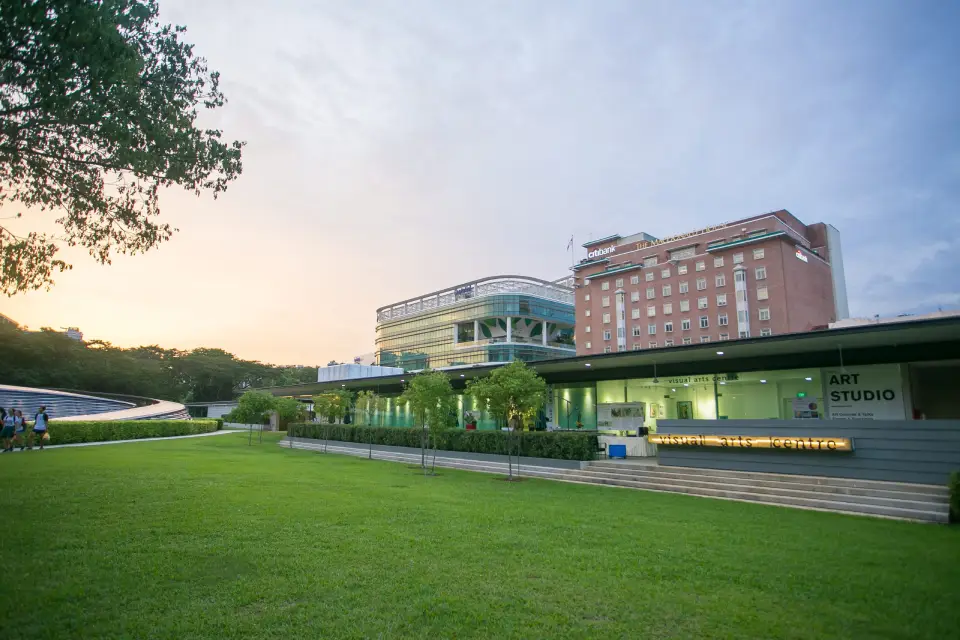
Address:
10 Penang Road, #01-02 Dhoby Ghaut Green,
Singapore 238469
Exit from Dhoby Ghaut MRT Station Exit B and turn left, we are there in 30m!
Address:
20B Mosque Street, Singapore (059500)
*2 minutes walk from Chinatown MRT Station Exit A
Take a left turn upon exiting the Chinatown MRT Station Exit A (Pagoda Street). Make a right turn at Fragrance Bak Kwa store to go to Mosque Street. Finally, walk towards 20B, we’re on the 3rd floor of the shophouse.
Have any questions? Please drop us an enquiry form and we’ll respond to you as soon as we can!
Click and get to our WhatsApp
Embark on a captivating journey into the vibrant world of digital art! Our Foundation in Digital Art workshop invites budding creatives aged nine and above to unleash their imagination and hone their artistic skills in a dynamic, supportive environment. From mastering basic digital tools to crafting mesmerizing digital masterpieces, children will explore a spectrum of techniques guided by seasoned mentors. Through hands-on activities and interactive sessions, participants will discover the endless possibilities of digital expression while fostering creativity and critical thinking. Join us for an exhilarating adventure where young artists transform ideas into stunning visual realities, igniting a passion for digital art
In the Batik Introduction Handkerchief Painting workshop, participants will learn the traditional art of batik, a wax-resist dyeing technique originating from Indonesia. The workshop begins with a brief history and overview of batik, highlighting its cultural significance and various techniques. Participants will then observe a demonstration of applying wax with tjanting tools and dyeing the fabric. Following the demonstration, each participant will design and create their own batik handkerchief, applying wax to create patterns and then dyeing their fabric. The workshop concludes with a group discussion, allowing participants to share their creations and reflect on their learning experience.