Acrylic Painting on Canvas Team Bonding Art Jamming Singapore Visual Arts Centre



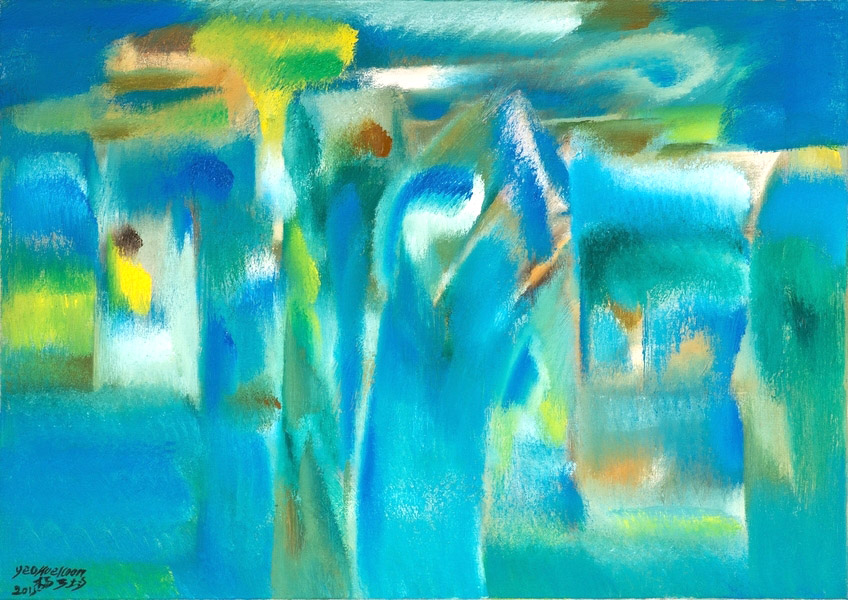
Yeo Hoe Koon
Oil on Canvas
64 x 89.5 cm
Price Range: $16,000 - $20,000
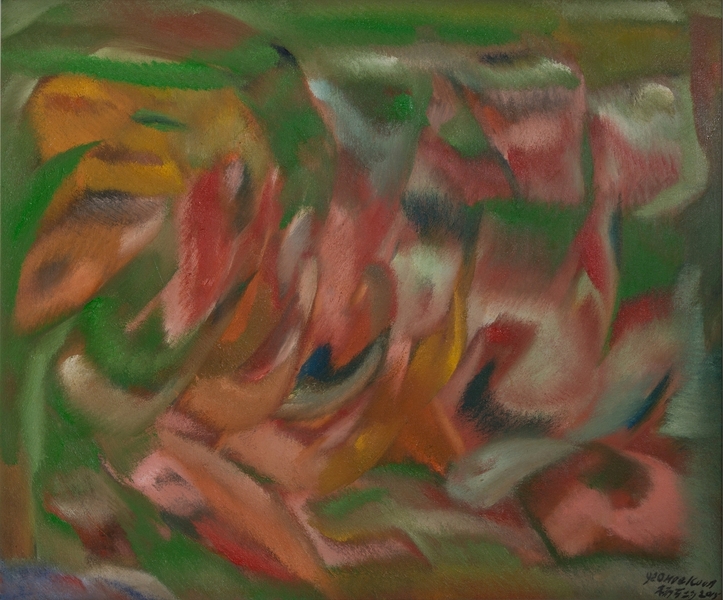
Yeo Hoe Koon
Oil on Canvas
101 x 123 cm
Price Range: $26,000 - $32,000
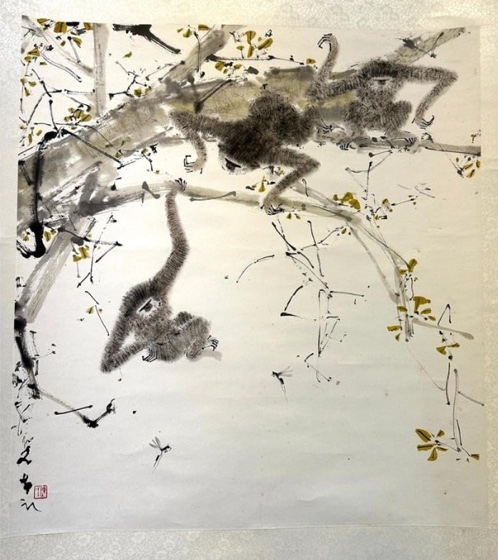
Chen Wen Hsi
Chinese Ink and Color on Paper
50 x 54cm
Price Range: SGD $42,000 - $50,000
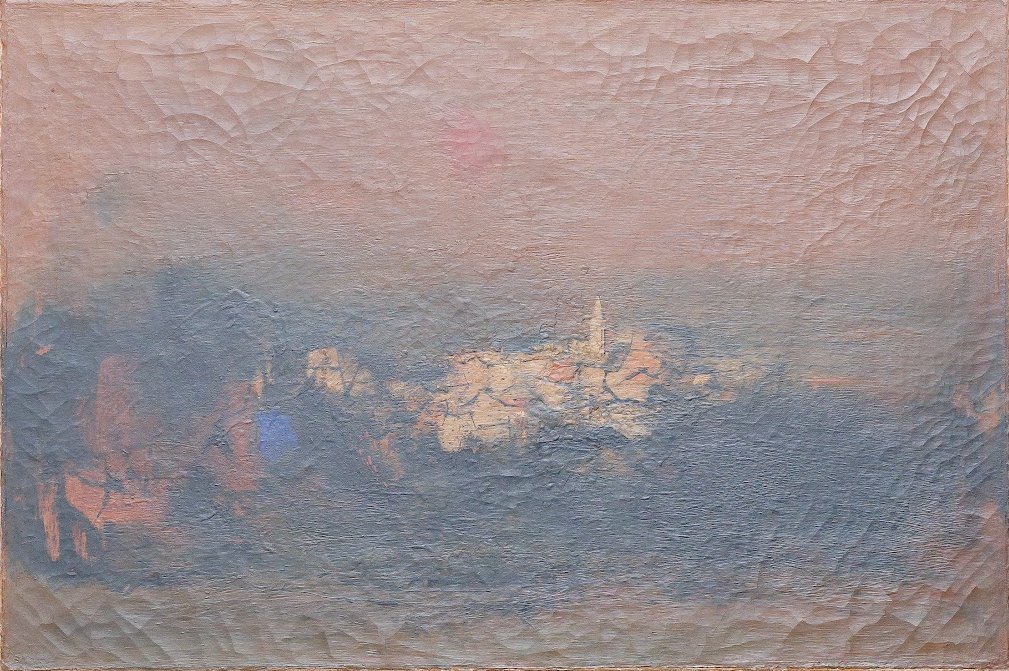
Cheong Soo Pieng
Red Tone
61 x 91.5cm
Price Range: SGD $108,000 - $138,000
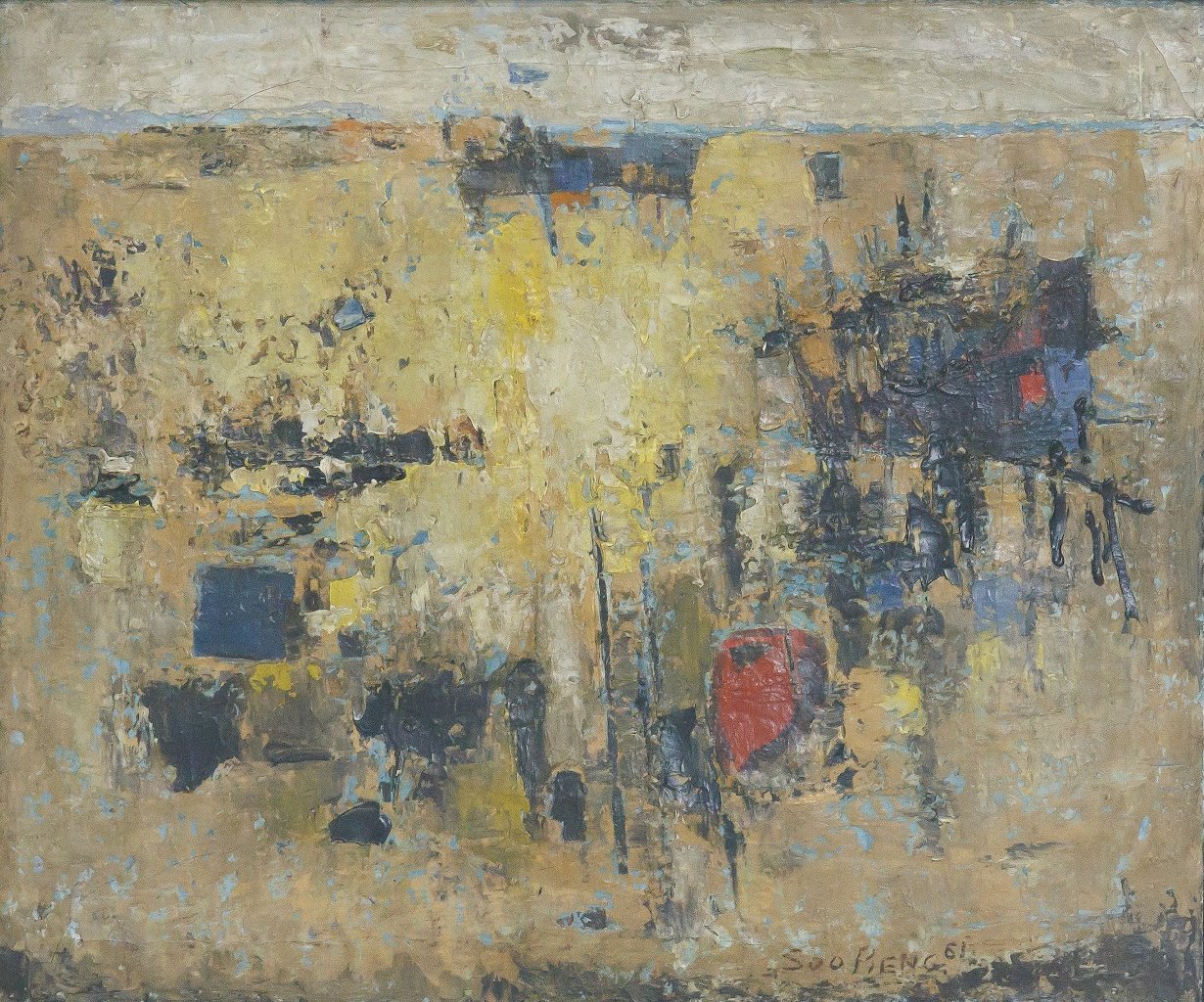
Cheong Soo Pieng
Abstract Landscape
50 x 61cm
Price Range: SGD $95,000 -$128,000
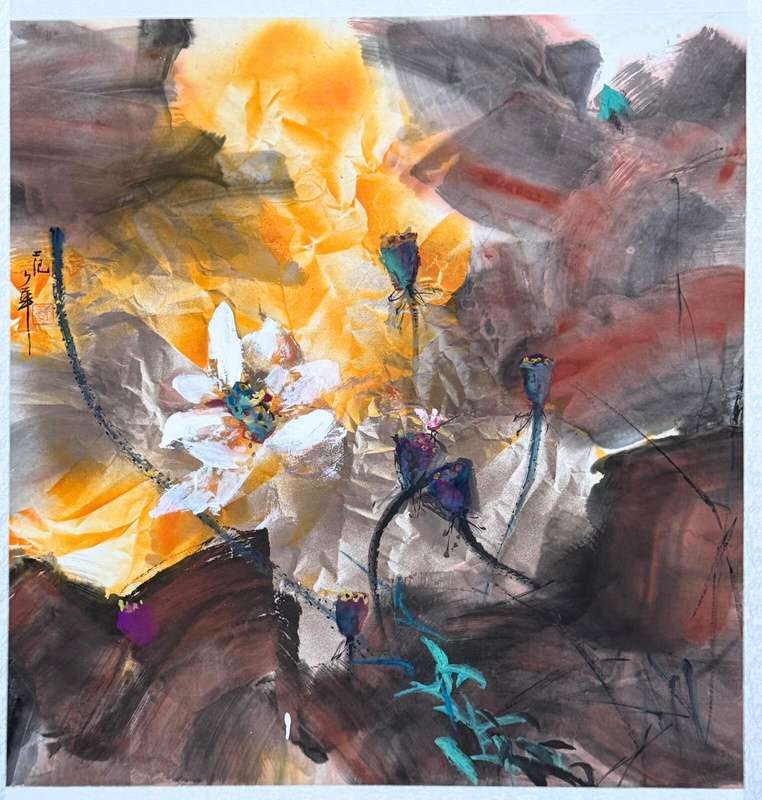
Fan Shao Hua
Chinese Ink and Colour on Paper
100 x 100cm
Price Range: SGD $9,800 - $14,800
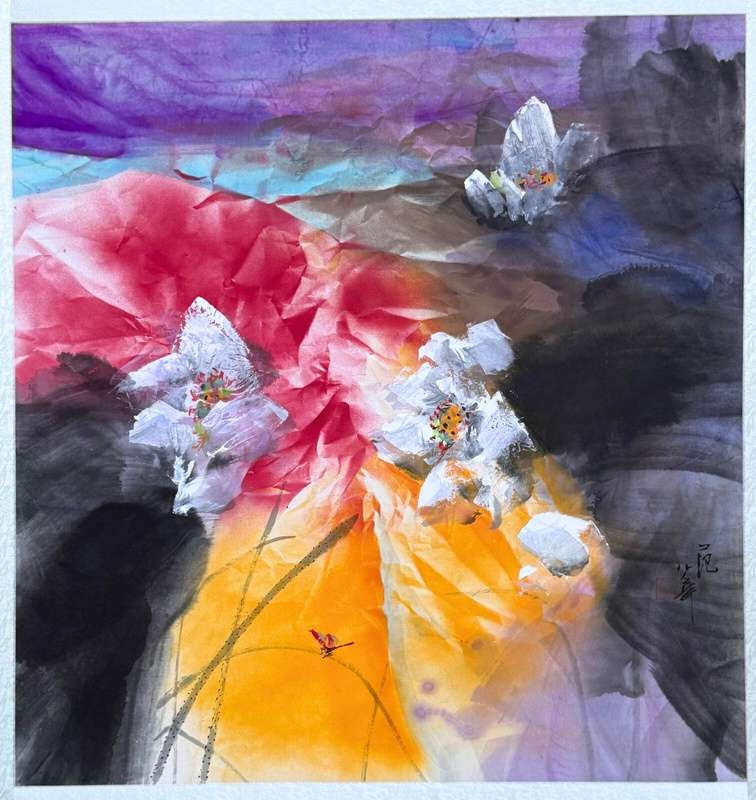
Fan Shao Hua
Chinese Ink and Colour on Paper
100 x 100cm
Price Range: SGD $8,800 - $13,800




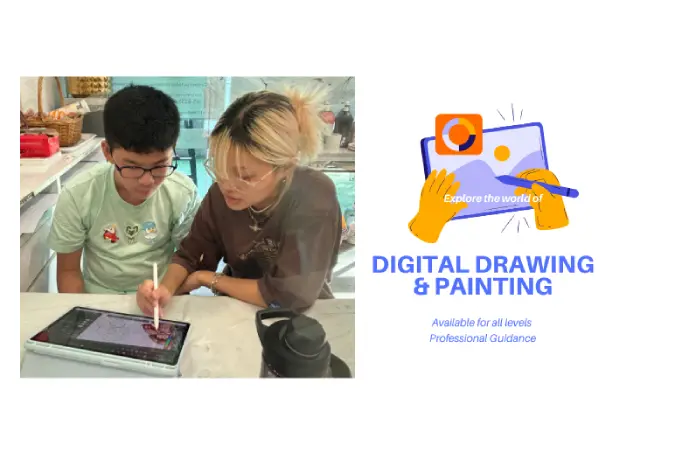
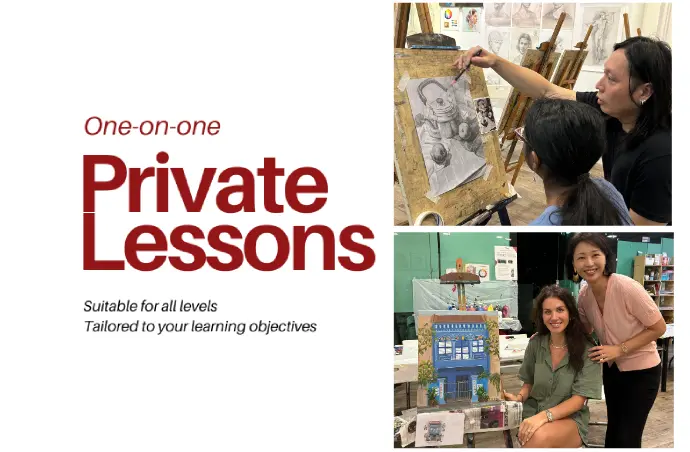


Children/Kid/Teenager Art Class | Art Course (Professional) – Drawing & Sketching
Children (7-9YO), Kid (10-12YO), Teenagers (13-17YO)
(Beginners friendly | All art materials are provided | Full professional teachers guidance)
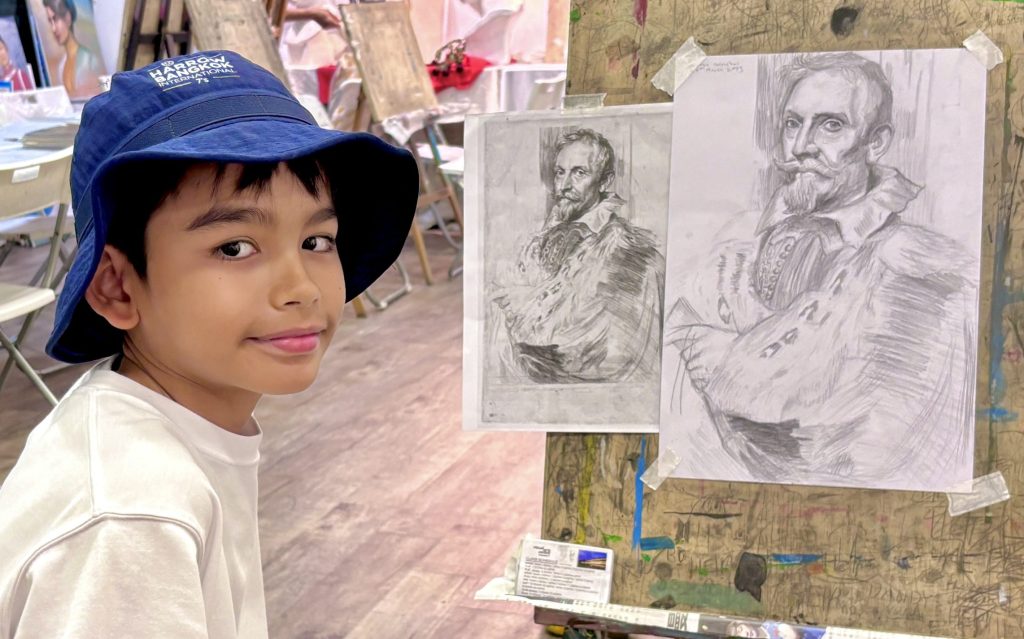
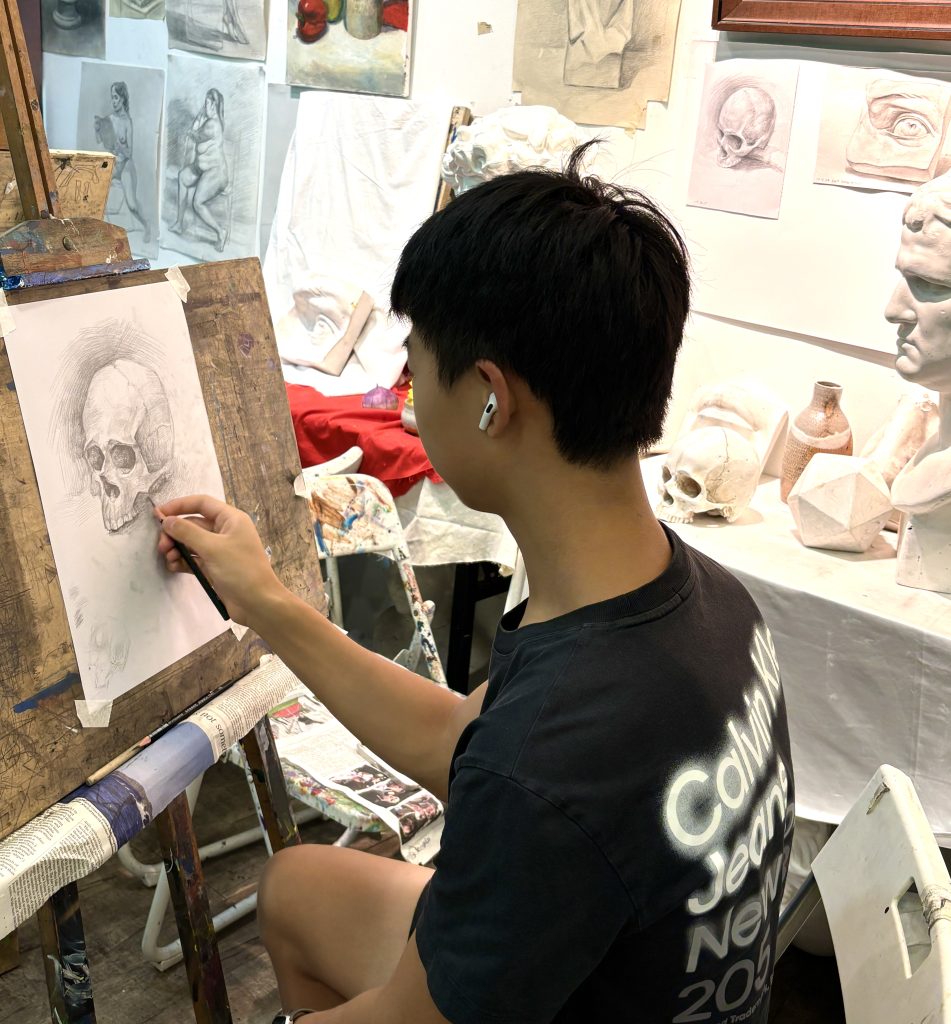
Our student (child/kid) with his portraiture drawing & sketching artwork
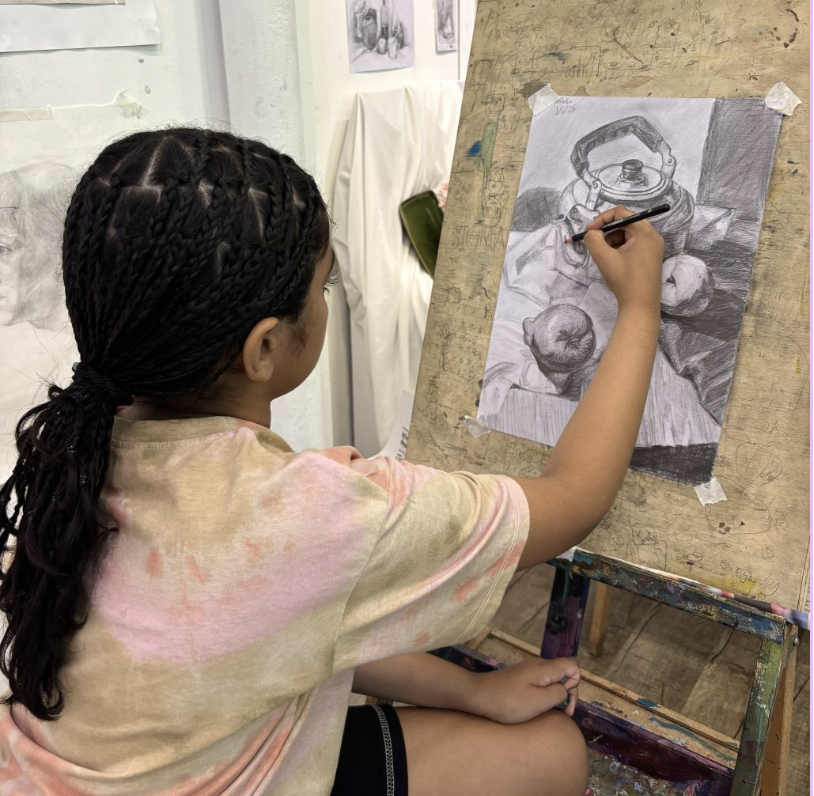
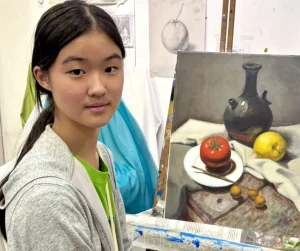
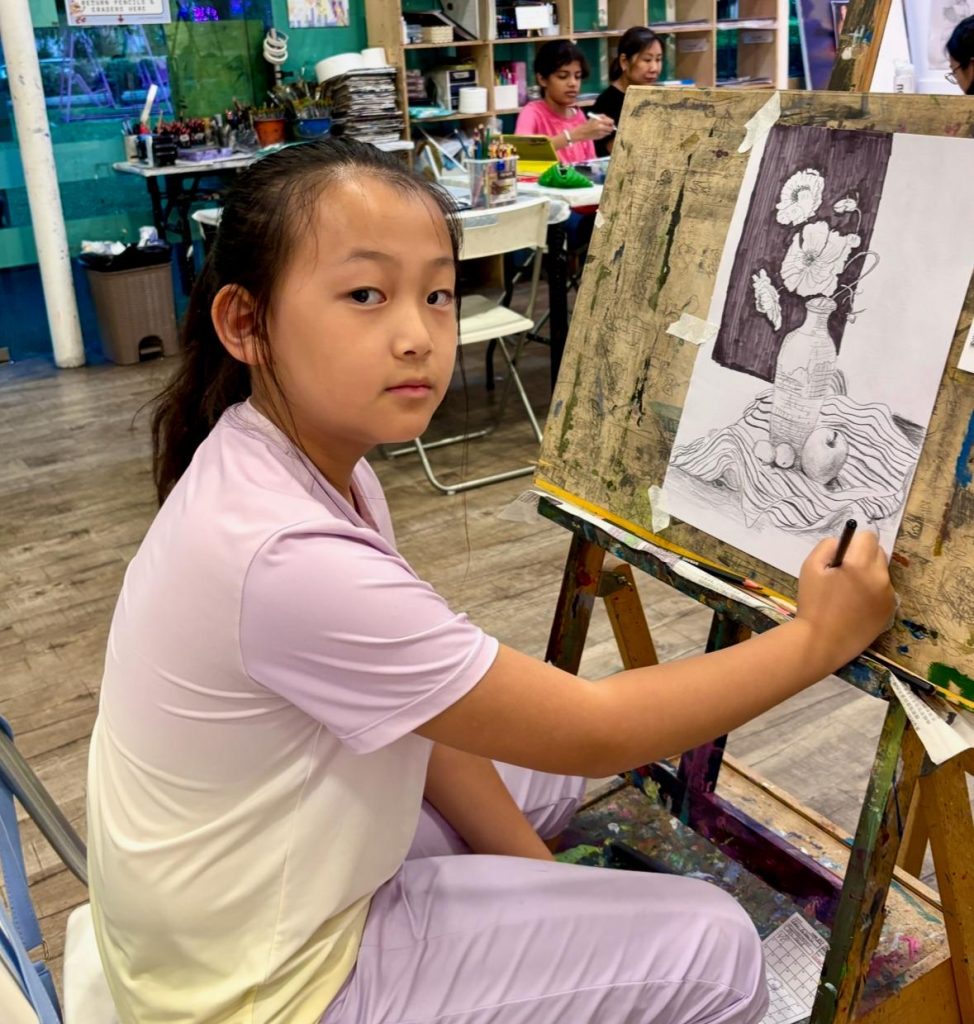
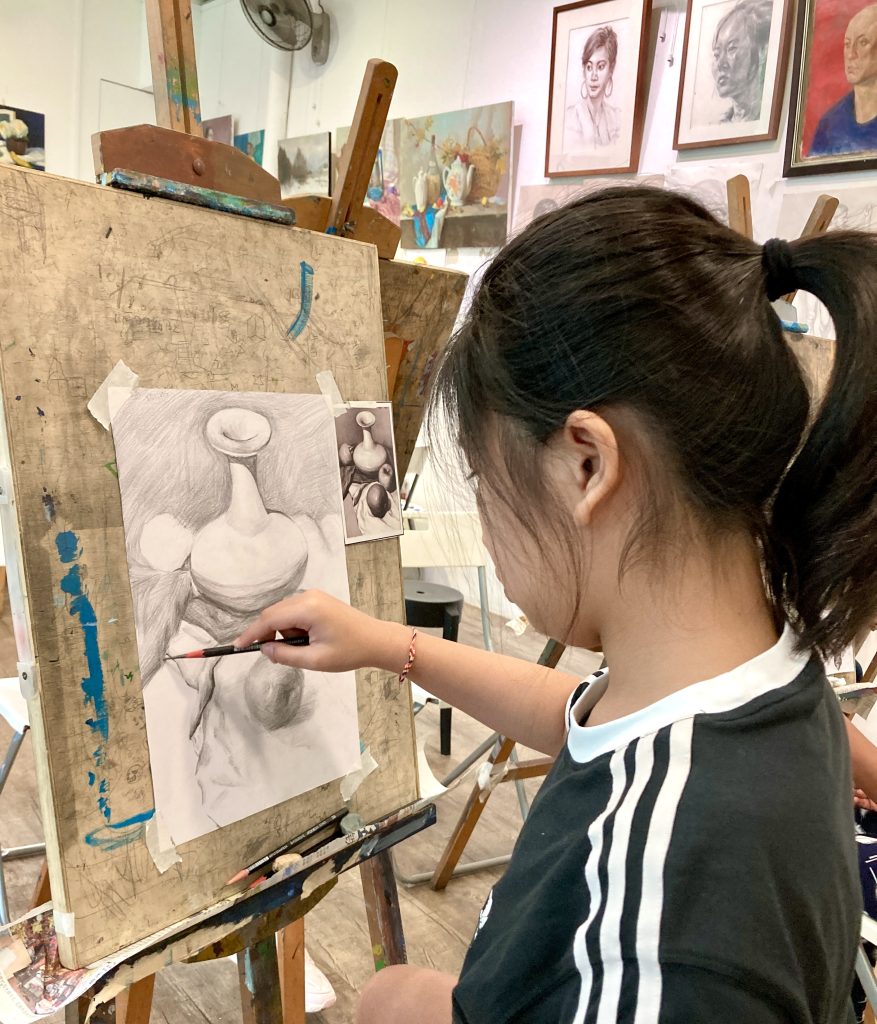
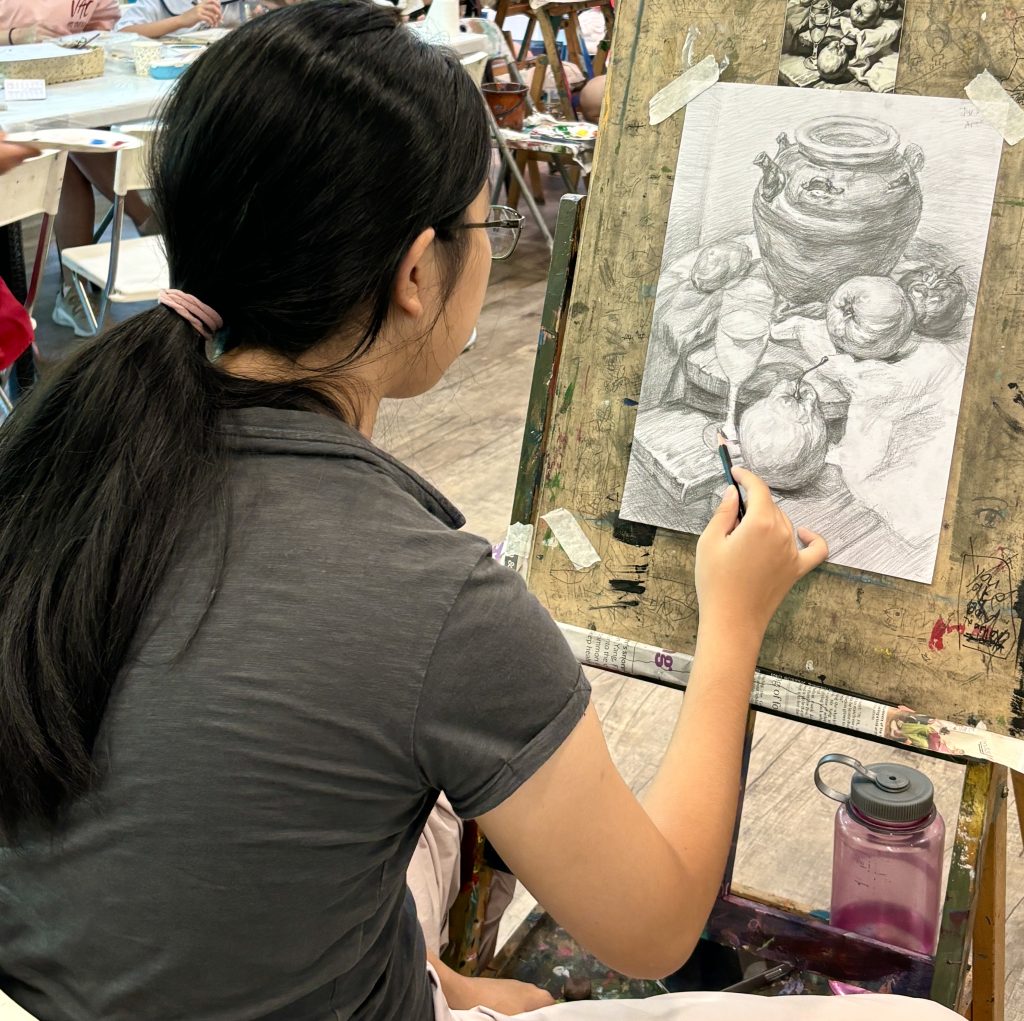
Our student (child/kid) with her still life drawing & sketching artwork
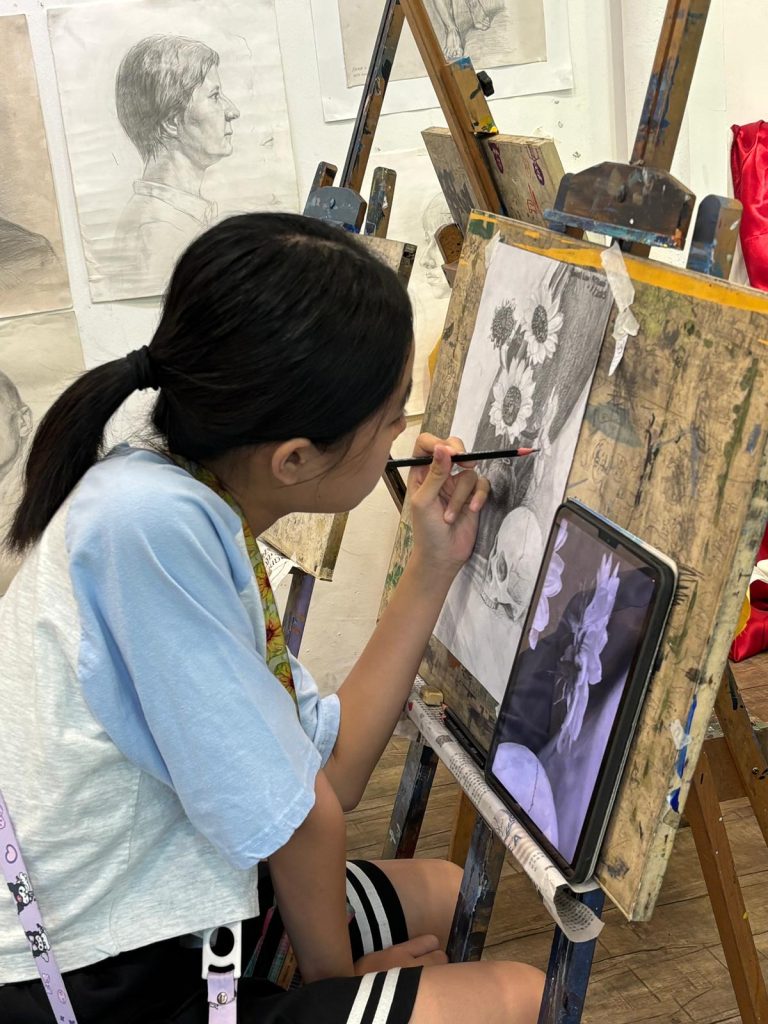
Our student (child/kid) is with her still life drawing & sketching artwork
For children/kids learning drawing and sketching, the most important goals are to cultivate interest, develop observation skills on different drawing & sketching subjects, and build patience, rather than pursuing techniques too early. Professional drawing and sketching art course/ art class training is generally recommended for kids from 9YO as children/kids at this stage have more developed spatial awareness, logical thinking, and motor control. For younger children/kids, it is more appropriate to start with basic doodling, line drawing exercises, and creative drawing and sketching.
Our student (child/kid) is doing still-life drawing & sketching artwork
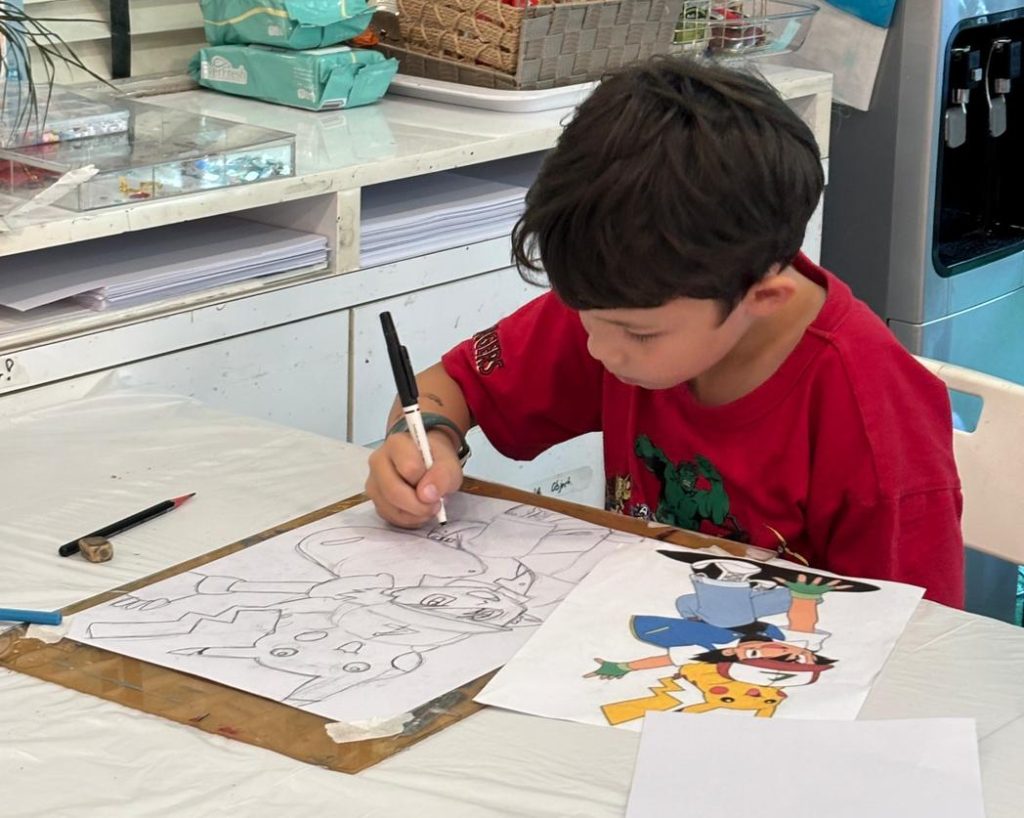
Our student (child/kid) is doing his line drawing & sketching manga artwork
Age 7–9: Fun Sketching & Observation Foundations
Goal: Build interest, establish basic line/shape recognition, and develop observational habits.
Learning Content:
Lines & Pencil Control: Practice straight, curved, wavy, and varied line weights. “Line Transformation” games help students associate lines with everyday objects.
Geometric Shapes: Deconstruct objects into basic geometric forms (e.g., apple = circle; book = rectangle). Use shapes to draw small items such as stationery, fruits, and toys.
Intro to Light & Shadow: Observe changes in light using a flashlight. Learn simple shading techniques and distinguish light vs. dark areas. Colour pencils may be used to make learning more engaging.
Creative Expansion: Add playful details to drawings (e.g., giving apples faces, adding patterns to cups) to stimulate creativity and imagination.
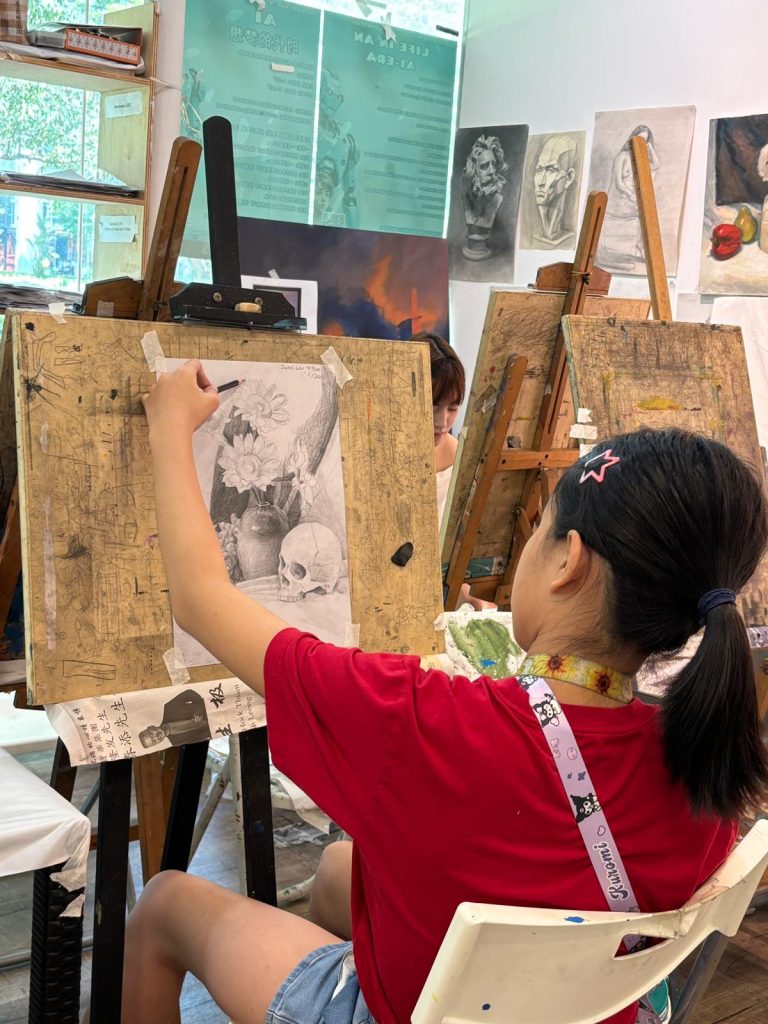
Our student (child/kid) doing her still-life drawing & sketching artwork
Steps to start Professional Drawing & Sketching for Kids/Children:
Learning objectives of Children/Kids Art Class | Art Course (Professional) – Drawing & Sketching:
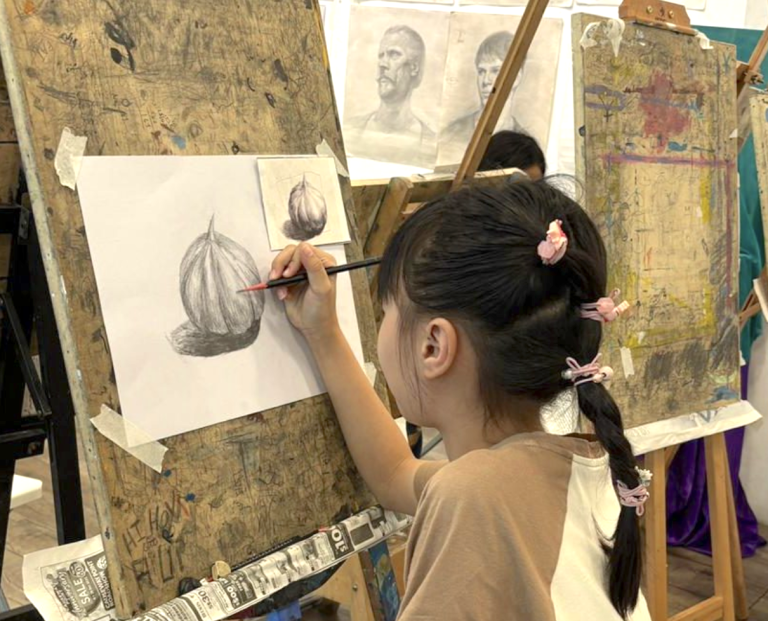
Our student (child/kid) is doing her life drawing & sketching artwork
Our student (child/kid) is with their still-life drawing & sketching artwork
Age 10–12: Sketching Fundamentals (Progressive Level)
Goal: Strengthen modeling ability, understand perspective & shading, and improve observational drawing.
Learning Content:
Intro to Perspective: Learn one-point perspective (e.g., road receding, interior room layouts) and apply it to boxes and cylinders. Understand the visual rule of “near = large, far = small.”
Five Values of Light: Study highlight, light, mid-tone, dark, and cast shadow using 2B–6B pencils to render plaster geometric forms (cube, sphere, cone) with volume.
Still Life Composition: Move from single objects to grouped still-life (apple + cup + book). Learn composition methods (triangular, diagonal) and object hierarchy.
Quick Sketching: Train speed and line efficiency through timed object sketches.
Our student (child/kid) with her still-life drawing & sketching artwork
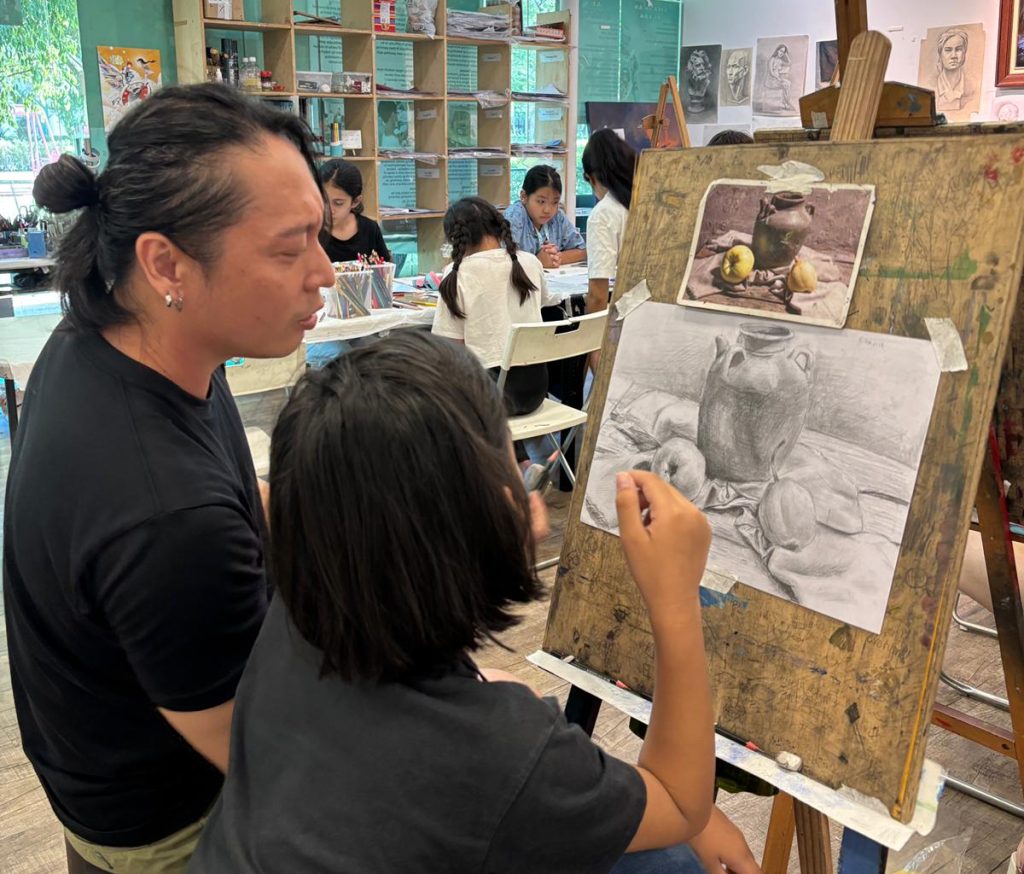
Our student (child/kid) is learning still-life drawing & sketching under our professional teacher’s guidance
Learning contents of Children/Kids Art Class | Art Course (Professional) – Drawing & Sketching:
1. Simple still life drawing and sketching: Create studies of single objects such as fruits (e.g. apples, oranges) or simple containers.
2. Composition and grouping: Combine 2–3 objects and learn how to arrange a balanced composition in drawing and sketching, with a clear focal point.
3. Texture rendering: Learn different drawing and sketching techniques like hatching and cross-hatching to depict different materials & surface textures.
4. Light and form: Use light and shadow in drawing and sketching to express the three main tonal areas. Observe cast shadows, reflected light, highlights, core shadows, and transitions to create a sense of volume.
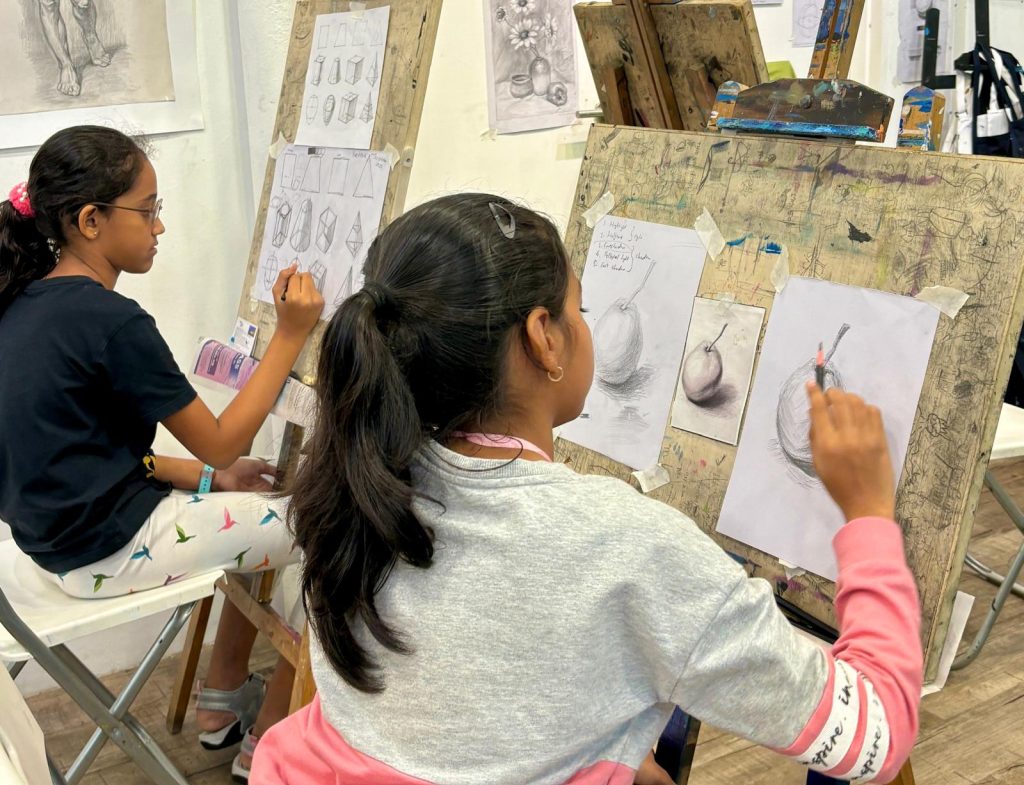
Our student (children/kids) with her still-life drawing & sketching artwork
In addition, when children are learning the fundamentals of drawing and sketching, line drawing training should be strengthened. This helps develop observation skills, enabling children to quickly capture the main characteristics of an object and draw and sketch it efficiently. Emphasis is placed on line fluency and accuracy.
Through still life drawing and sketching, landscape drawing and sketching, comics, and figure gesture drawing and sketching, students further enhance their observation skills and expressive abilities.
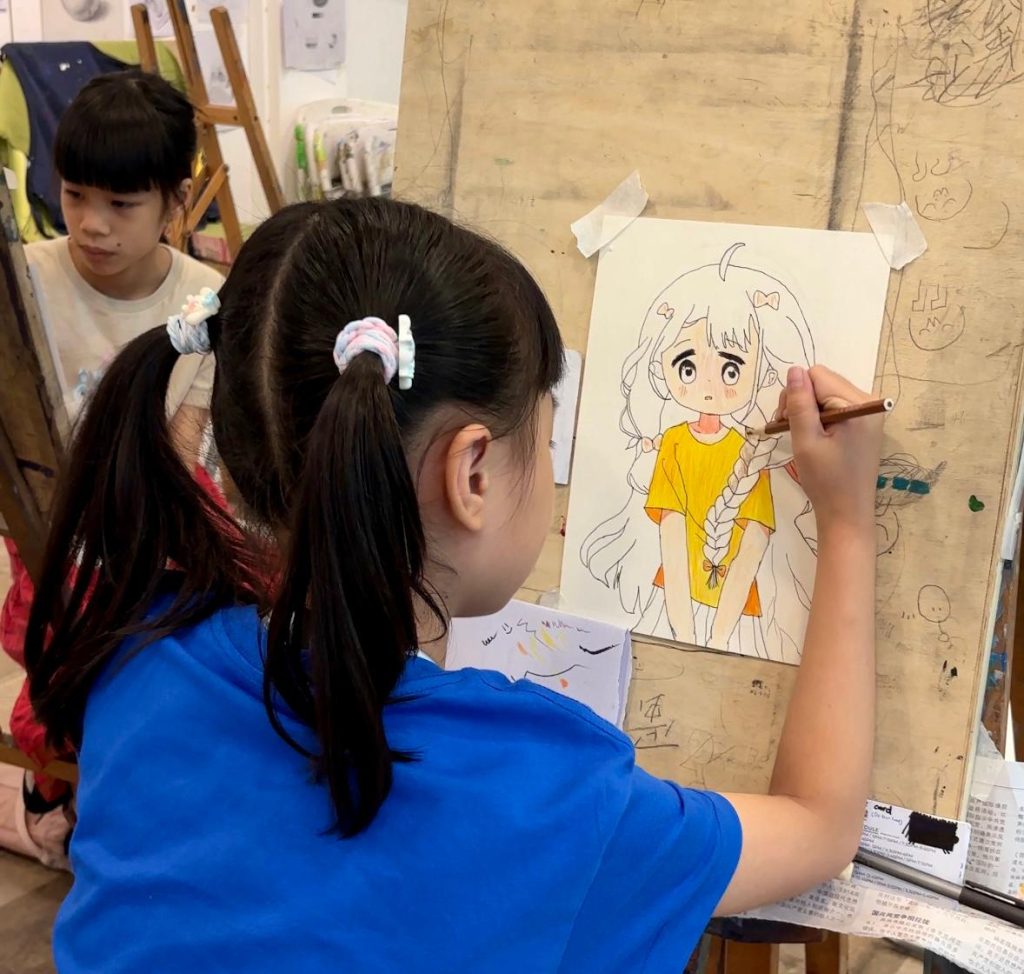
Our student (child/kid) with her manga drawing & sketching artwork
Age 13–17: Advanced Sketching for Portfolio & Artistic Development
Goal: Master figure sketching and thematic drawing; suitable for students preparing for art school applications or portfolio submissions.
Learning Content:
Plaster Cast Studies: Start with facial features (eyes, nose, mouth, ears), progressing to full antique head casts such as David or Voltaire. Study bone and muscle structure and its effect on light and shadow.
Portrait Sketching: Learn human proportions, practice head drawings, and capture facial structure, hairstyle, likeness, and expression.
Landscape Sketching: Study composition and spatial depth, learning techniques for foreground, middle ground, and background. Render textures of trees, buildings, mountains, rivers, rocks, and coastal elements.
Sketching Composition: Create sketch works based on themes (e.g., “A Corner of My School,” “My Family”), incorporating personal style. Suitable for arts DSA-Visual Art, DSA-Diploma/Degree exams (on-the-spot test), talent admission assessments, and portfolio preparation building.
About Visual Arts Centre’s Children/Kids Art Class | Art Course (Professional) – Drawing & Sketching:
Visual Arts Centre offers children’s drawing and sketching courses suitable for children aged 9 and above. Classes are structured into beginner, intermediate, and advanced levels according to age groups. Professional teachers tailor the drawing and sketching curriculum specifically for children, starting from fundamentals. Under professional guidance, students are able to make rapid progress based on their existing drawing and sketching abilities.
Visual Arts Centre’s Professional Art Class | Art Course Approach:
Visual Arts Centre Singapore is an art institution supported by the Singapore government. Since its establishment in January 2016, it has nurtured a large number of outstanding art students – some have been admitted into their desired art schools, some have become independent artists, and others have become illustrators and creators in various art-related fields.
Visual Arts Centre adopts an academic, atelier-style teaching approach with a well-structured curriculum. All instructors are professionally trained with formal art school backgrounds. Our drawing and sketching curriculum for children and youths is designed according to age groups (7–9, 10–12, and 13–17) and provides systematic training in sketching. Lessons start from fundamentals and progress step-by-step in increasing levels of difficulty. The curriculum is highly professional and aims to build a strong artistic foundation for students who may pursue art studies or art-related careers in the future.
Have any questions? Please drop us an enquiry form and we’ll respond to you as soon as we can!
"*" indicates required fields
Click and get to our WhatsApp
Embark on a captivating journey into the vibrant world of digital art! Our Foundation in Digital Art workshop invites budding creatives aged nine and above to unleash their imagination and hone their artistic skills in a dynamic, supportive environment. From mastering basic digital tools to crafting mesmerizing digital masterpieces, children will explore a spectrum of techniques guided by seasoned mentors. Through hands-on activities and interactive sessions, participants will discover the endless possibilities of digital expression while fostering creativity and critical thinking. Join us for an exhilarating adventure where young artists transform ideas into stunning visual realities, igniting a passion for digital art
In the Batik Introduction Handkerchief Painting workshop, participants will learn the traditional art of batik, a wax-resist dyeing technique originating from Indonesia. The workshop begins with a brief history and overview of batik, highlighting its cultural significance and various techniques. Participants will then observe a demonstration of applying wax with tjanting tools and dyeing the fabric. Following the demonstration, each participant will design and create their own batik handkerchief, applying wax to create patterns and then dyeing their fabric. The workshop concludes with a group discussion, allowing participants to share their creations and reflect on their learning experience.