专业成人水彩课程就在视觉艺术中心

成人学习水彩画既有趣又充满挑战,它不仅能培养艺术审美,还能带来实际的生活应用价值。
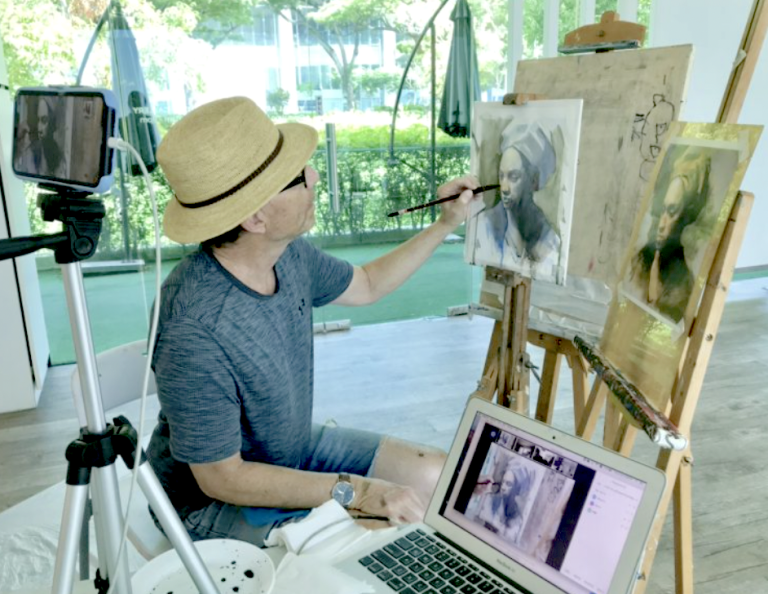
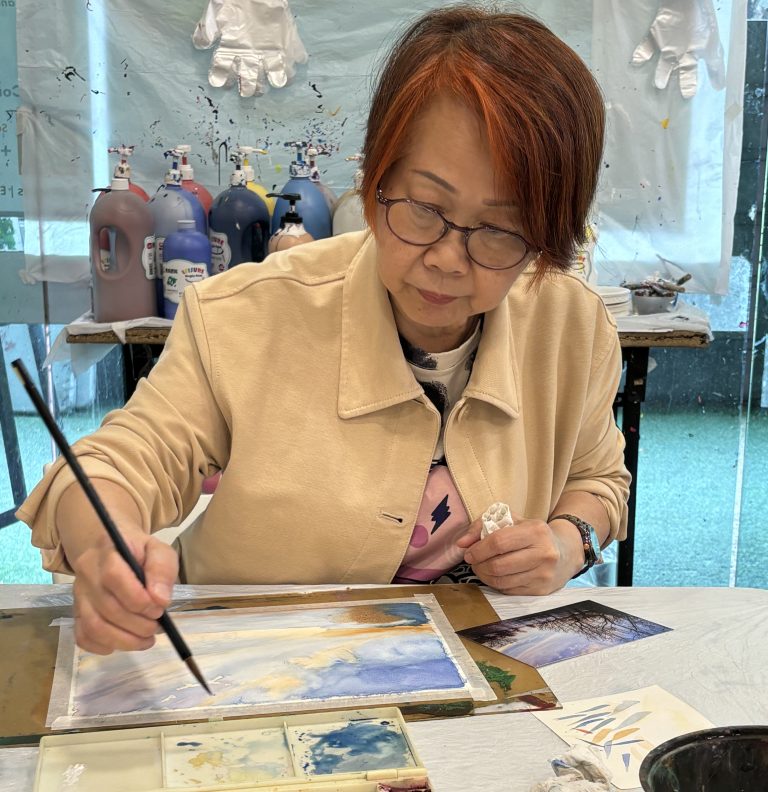
新加坡视觉艺术中心,针对成人开办的专业水彩课程内容包括:水彩静物写生、风景写生、风景钢笔淡彩、肖像水彩、人体水彩、漫画水彩、插画、水彩画主题创作等。

一、成人学水彩需要学习的内容
1. 基础训练
熟悉工具使用
了解水彩颜料的透明性
纸张选择:克数(300g以上更耐用)
画笔使用:圆头笔(细节)、平头笔(铺色)
控水与调色
水分控制:干画法(干纸叠色)、湿画法(湿纸晕染)、半湿画法(边缘自然扩散)。
调色技巧:如何通过水量调节颜色的浓淡,掌握“透明叠加”原理(如先铺黄色再叠蓝色得绿色)。

watercolour painting class singapore

学习基础用笔技法
平涂:均匀铺色,避免水痕。
渐变:单色渐变(从深到浅)、多色渐变
留白:用留白胶或手动留出高光

visual_arts_centre_watercolour_painting_art_course_in_singapore_painting_brush_strokes_step_by_step_guide_demonstration_by_teacher

3,学习构图与色彩理论
色彩搭配:互补色(红绿)、邻近色(蓝紫)的运用,避免画面“脏”或“灰”。
空间层次:前景细节丰富、背景虚化,利用冷暖色(如远山偏蓝灰)表现距离感。

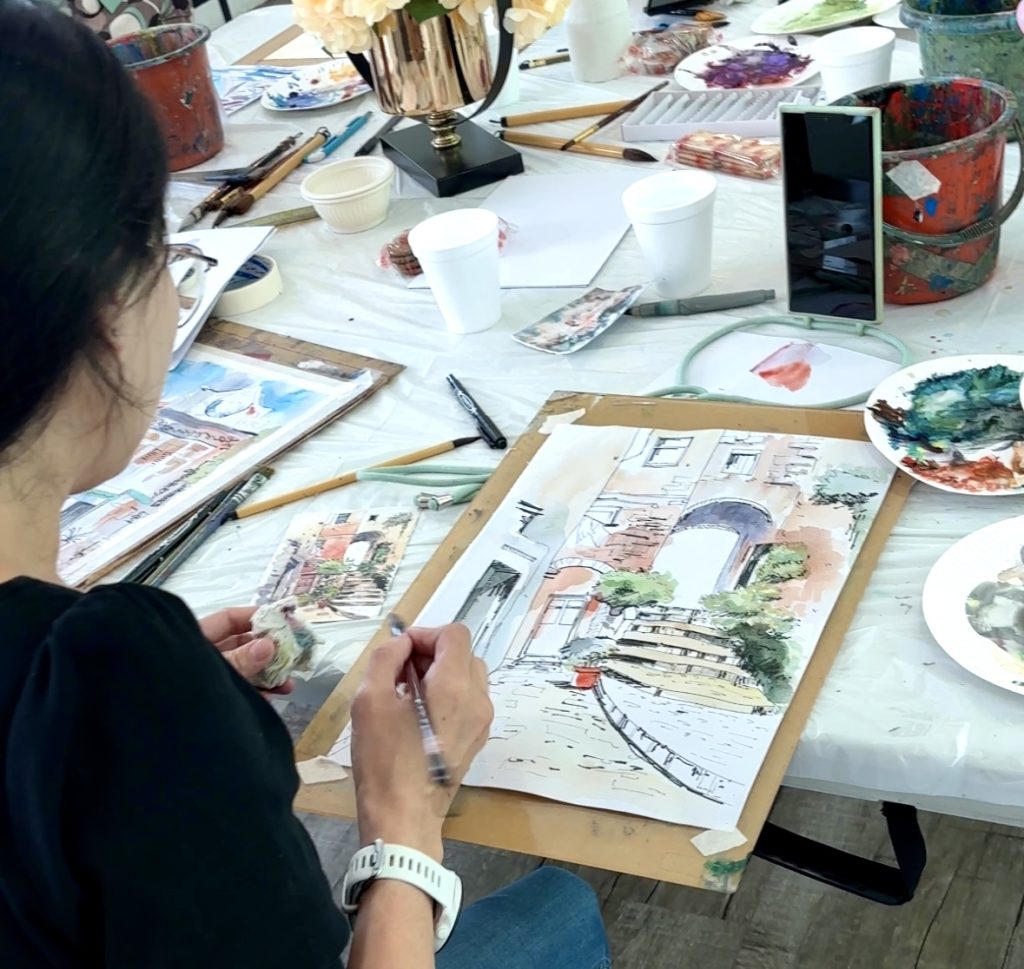
使用马克笔和水彩笔创作玷污水彩画

4 主题创作
风景:快速捕捉自然光影(如夕阳、雨景),处理复杂场景的虚实关系。
人物:肤色渐变、衣褶的湿润晕染。
动植物:花卉的透明花瓣、羽毛或毛发的细腻笔触。

5. 风格探索
写实风:精细刻画细节(如建筑水彩)。
写意风:强调笔触和色彩情绪(如抽象风景)。
插画风:结合线条与色块,用于书籍、文创设计。

二、学习水彩的实用性
1. 生活美学应用
画水彩节日贺卡、家居装饰画的创作,低成本提升生活仪式感。
旅行写生:轻便的水彩工具适合户外记录风景,比摄影更具个性化。

2. 学习水彩提升职业辅助技能
在设计领域:服装设计(面料效果图)、建筑景观草图、插画接单(书籍、商业插图)。

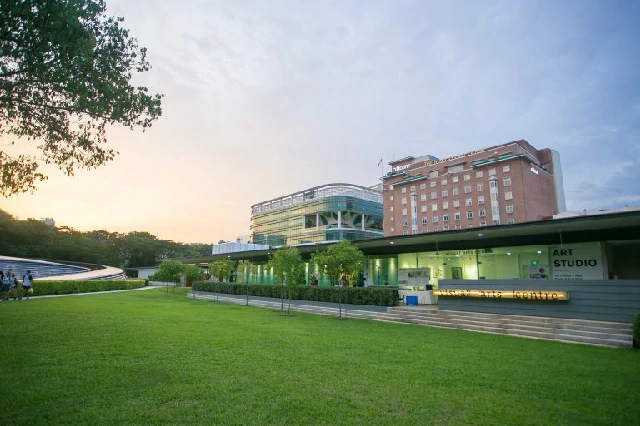
Our Location (视觉艺术中心画室)

Dhoby Ghaut Art Studio

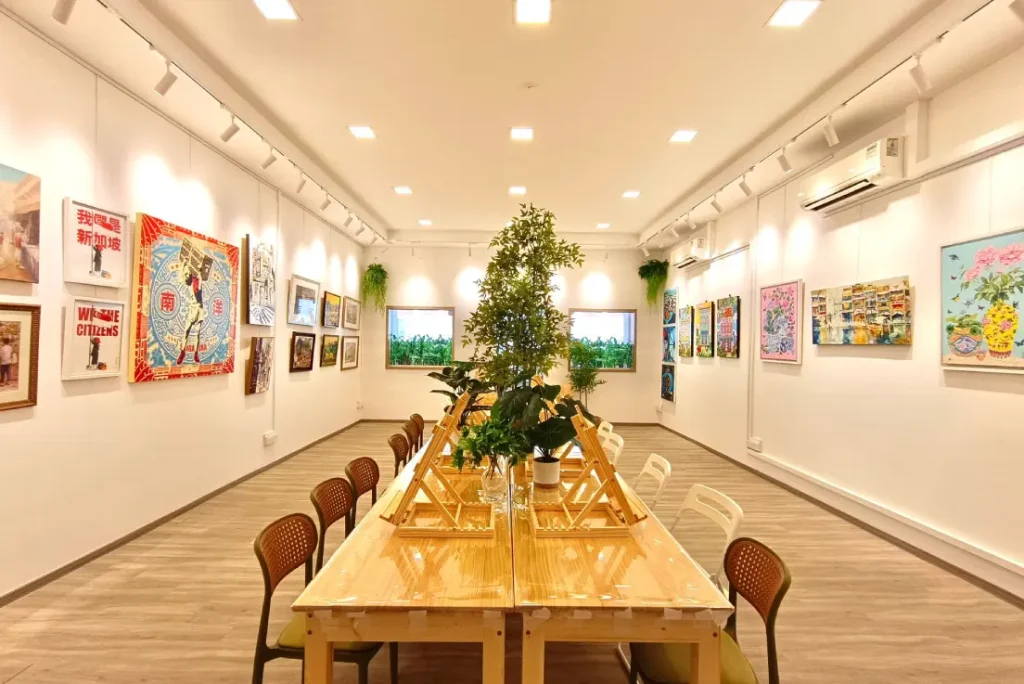
Event space & venue for hire in Singapore for Art exhibition

Address:

10 Penang Road, #01-02 Dhoby Ghaut Green,
Singapore 238469

Exit from Dhoby Ghaut MRT Station Exit B and turn left, we are there in 30m!

MacPherson

macpherson gallery studio in singapore visual arts centre

Address:

AZ@Paya Lebar, 140 Paya Lebar Road, #03-04,
Singapore 409105

Exit from Macpherson MRT Station Exit A and turn left, we are right across the road, 1 minute walk away!

Enquiry Form - Art Courses

Have any questions? Please drop us an enquiry form and we'll respond to you as soon as we can!

"*" indicates required fields

This field is for validation purposes and should be left unchanged.
Name
This field is hidden when viewing the form
Foundation In Digital Art

Embark on a captivating journey into the vibrant world of digital art! Our Foundation in Digital Art workshop invites budding creatives aged nine and above to unleash their imagination and hone their artistic skills in a dynamic, supportive environment. From mastering basic digital tools to crafting mesmerizing digital masterpieces, children will explore a spectrum of techniques guided by seasoned mentors. Through hands-on activities and interactive sessions, participants will discover the endless possibilities of digital expression while fostering creativity and critical thinking. Join us for an exhilarating adventure where young artists transform ideas into stunning visual realities, igniting a passion for digital art

Colour & Texture Exploration With Acrylic Painting & Collage
Prepare to unleash your inner artist in a kaleidoscope of color and creativity with ‘Colour Blast: Acrylic Painting & Collage Techniques’! Dive into a whirlwind adventure where vibrant hues and mesmerizing textures collide in a symphony of imagination. From mastering the art of seamless color blending to discovering the magic of mixed media collage, this journey is a playground for your artistic soul. With each brushstroke, explore new techniques that breathe life into your canvas, transforming it into a vibrant tapestry of expression. Join us and let your creativity run wild as you embark on this colorful escapade!”
World of Manga [Foundation & Styling]
A manga art workshop for children and teenagers sounds like a fantastic idea! Here’s how you might structure it:
Introduction to Manga: Begin by introducing what manga is, its history, and its influence on popular culture worldwide. Show examples of different manga styles and genres to give participants an overview.
Basic Drawing Techniques: Start with the fundamentals of drawing, such as line work, shapes, and proportions. Provide step-by-step instructions on how to draw basic manga characters, focusing on simple shapes that can be built upon.
Character Design: Move on to character design concepts, including creating unique characters, designing their personalities, and developing backstories. Encourage participants to get creative and think outside the box.
Expression and Emotion: Teach how to convey emotions and expressions through facial expressions, body language, and positioning of characters. This can be a fun and interactive exercise where participants practice drawing various emotions.
Storytelling and Paneling: Explore the basics of storytelling in manga, including paneling techniques, pacing, and layout. Show examples of different panel structures and discuss how they affect the flow of the story.
Inking and Coloring: Introduce participants to inking techniques using pens or markers. You can also cover digital inking for those interested. Then, demonstrate basic coloring techniques using markers, colored pencils, or digital software.
Feedback and Collaboration: Provide opportunities for participants to share their work and receive feedback from their peers and instructors. Encourage collaboration by having them work together on short manga projects or collaborative drawings.
Final Showcase: End the workshop with a showcase of participants’ work. This could be in the form of an exhibition, digital gallery, or printed booklet. Celebrate everyone’s creativity and progress throughout the workshop.
Remember to create a supportive and encouraging environment where participants feel free to express themselves and explore their creativity. And don’t forget to have fun! Manga is all about imagination and passion, so let that spirit shine through in your workshop.
Academy Drawing Traditions
The academy drawing and sketching tradition, rooted in centuries of artistic practice, emphasizes disciplined study of form, proportion, and technique. Originating from Renaissance workshops and formalized by institutions like the Royal Academy, it prioritizes meticulous observation and mastery of fundamental skills. Students progress from basic exercises to complex compositions, learning to depict still life and common objects with precision and expression. This tradition values both classical principles and innovation, encouraging artists to push boundaries while maintaining a deep respect for tradition. Through rigorous training and critique, artists within this tradition cultivate a strong foundation for creative exploration and artistic excellence.
Chinese Ink Painting and Calligraphy
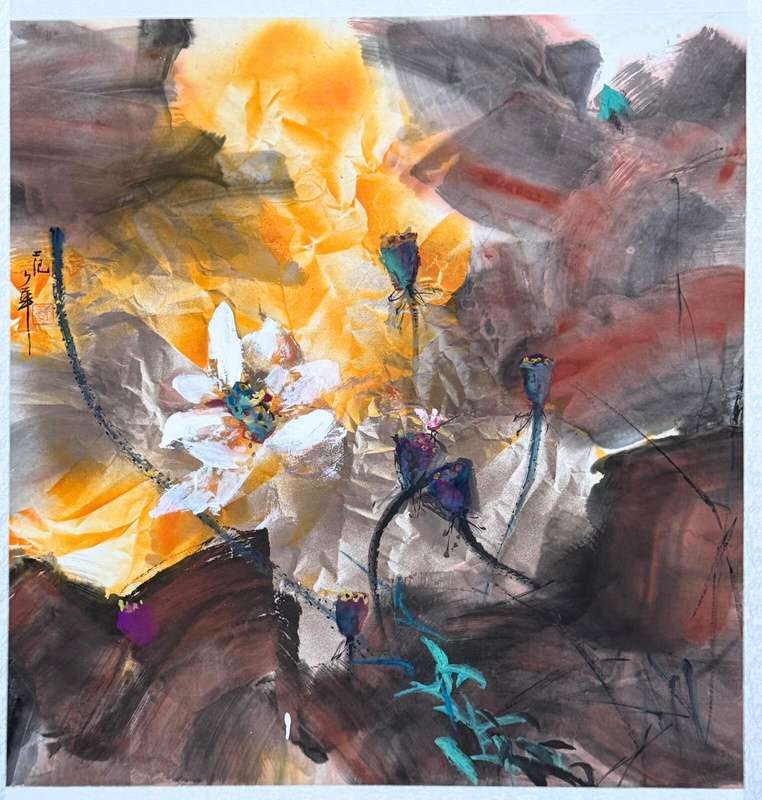
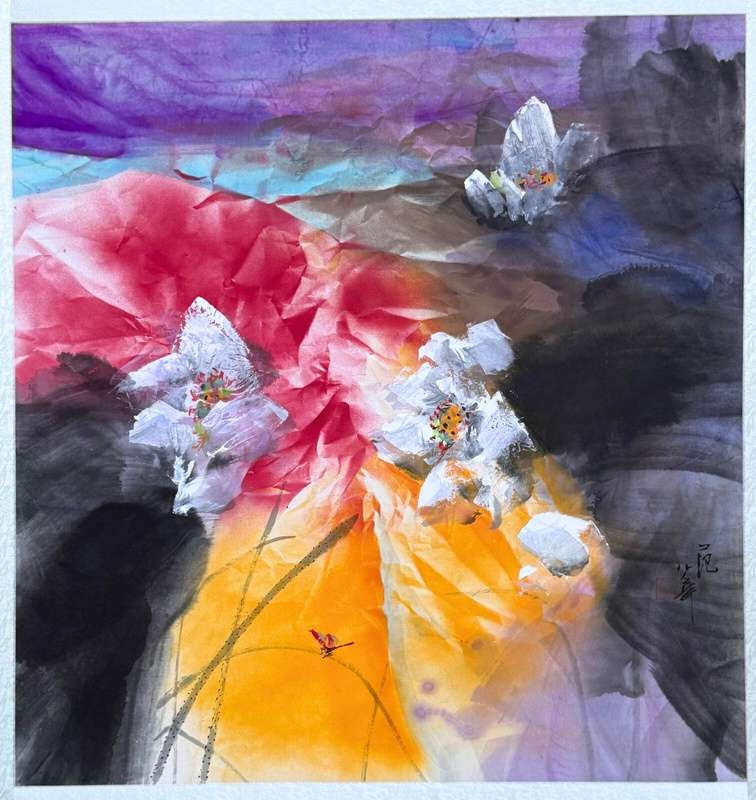
This course on Chinese ink painting and calligraphy introduces young learners to the rich traditions of Chinese art. Through hands-on activities, students explore the basics of brush techniques, ink control, and the delicate art of Chinese script. They learn to appreciate the cultural significance of calligraphy and painting, developing skills in creating elegant strokes and expressive brushwork. The course fosters creativity, patience, and fine motor skills, while also providing insights into Chinese history and aesthetics. By the end, children gain confidence in their artistic abilities and a deeper understanding of Chinese cultural heritage.
Funk with Graffiti
Funk With Graffiti Workshop for children is an engaging and creative program aimed at introducing young artists to the vibrant world of graffiti and funk-inspired street style art. Participants learn the basics of graffiti history, techniques, and safety. Guided by professional graffiti artists, children explore the art of designing their unique tags, emphasizing creativity, expression, and individuality. The workshop includes hands-on activities, from sketching concepts to creating final designs with spray paint on provided surfaces. By the end of the session, children gain confidence in their artistic abilities and an appreciation for graffiti and funk as legitimate forms of street art. Each child completes two original artworks, which they proudly take home, showcasing their newfound skills and personal style.
Batik Tales

In the Batik Introduction Handkerchief Painting workshop, participants will learn the traditional art of batik, a wax-resist dyeing technique originating from Indonesia. The workshop begins with a brief history and overview of batik, highlighting its cultural significance and various techniques. Participants will then observe a demonstration of applying wax with tjanting tools and dyeing the fabric. Following the demonstration, each participant will design and create their own batik handkerchief, applying wax to create patterns and then dyeing their fabric. The workshop concludes with a group discussion, allowing participants to share their creations and reflect on their learning experience.