Video
Video

Yeo Hoe Koon-Artworks Available at 20%-60% Discount in < The Private Art Sale II >

A Second-Generation Singaporean Master Worth Collecting

Singapore’s art history is shaped not only by its celebrated first-generation pioneers but also by the brilliant contributions of its second-generation artists. Among them, Yeo Hoe Koon (b. 1935) stands out as a master painter whose works embody the balance of East and West, tradition and innovation. A versatile artist proficient in both oils and Chinese ink, Yeo’s career spans decades of experimentation, refinement, and recognition, making him a key figure for collectors seeking both cultural resonance and investment value.

In today’s market, as demand for first-generation artists like Chen Wen Hsi and Cheong Soo Pieng continues to soar, the spotlight increasingly shifts toward second-generation masters whose works are still accessible yet poised for strong appreciation. Collecting Yeo Hoe Koon, in particular his signature oil paintings and ink works, presents both a passion-driven pursuit and a sound investment strategy.

Here are 10 key points to understand why Yeo Hoe Koon is a second-generation Singaporean master worth collecting.

1. Bridging Generations and Cultures

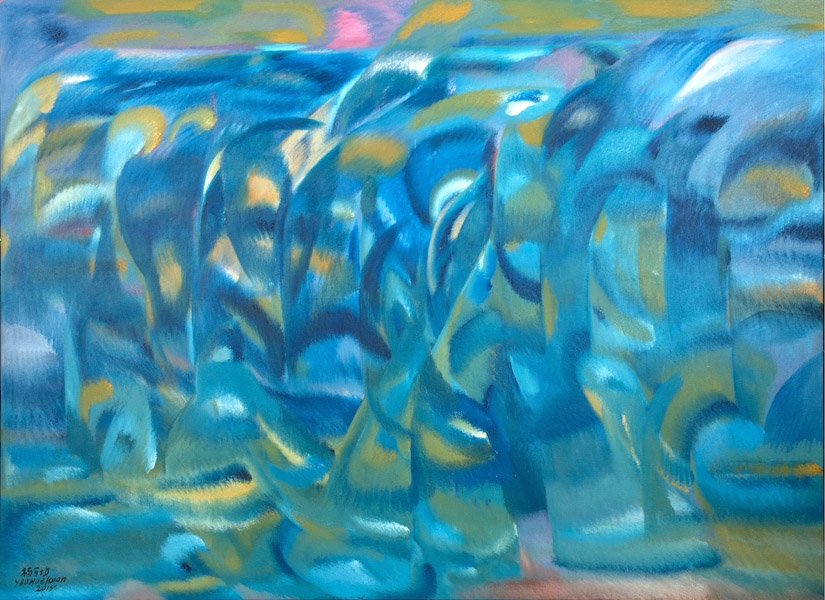
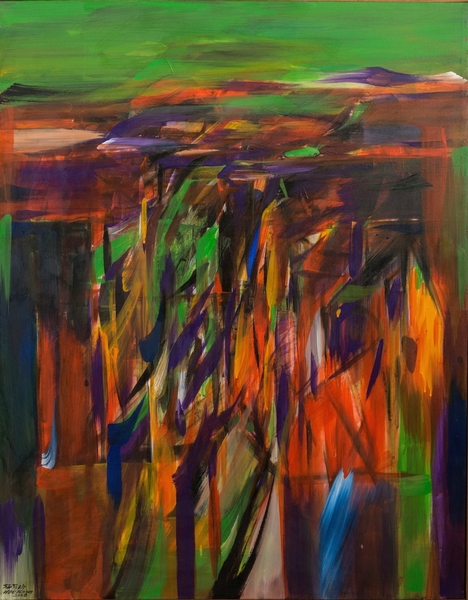
yeo_hoe_koon_杨可均_artwork_for_sale_sunrise

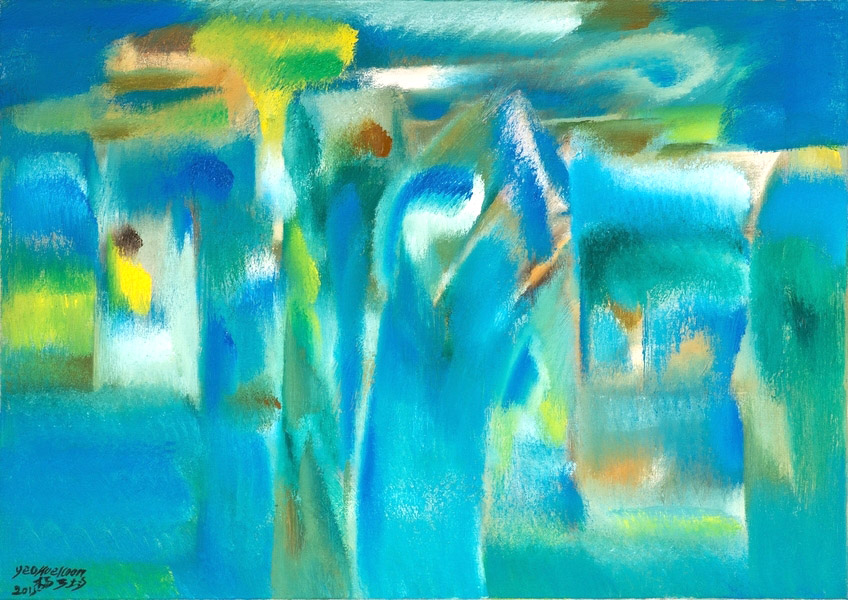
Sunrise, Oil on Canvas, 153 x 209 cm.
Price Range: $46,000 – $56,000. Showcased as part of The Private Art Sale II collection.

Yeo Hoe Koon represents a critical bridge between Singapore’s first-generation pioneers and the subsequent waves of artists. Trained in both Singapore and Paris, he inherited the principles of the Nanyang style—the fusion of Chinese ink and Western modernism—but extended them with his own cosmopolitan sensibilities. His works embody cultural hybridity: landscapes rendered with European brushwork, ink paintings infused with modernist abstraction. For collectors, Yeo’s art captures Singapore’s unique identity as a crossroads of cultures.

2. Signature Oils with Lasting Impact

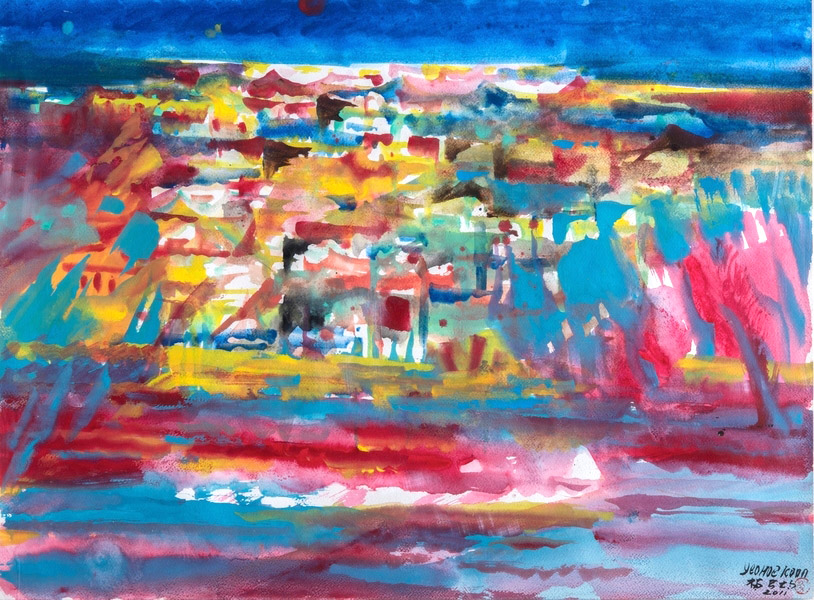
yeo_hoe_koon_杨可均_artwork_for_sale_spring_time

Spring Time, Gouache on Paper, 56 x 76 cm. Price Range: $9,000 – $12,000. Showcased as part of The Private Art Sale II collection.

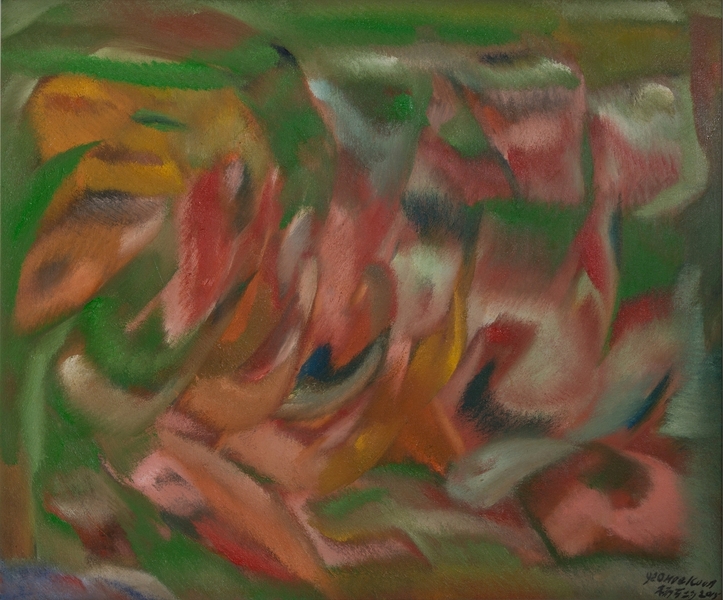
Among Yeo Hoe Koon’s most prized works are his oil paintings, which vividly capture the color, rhythm, and atmosphere of Southeast Asian life. From vibrant market scenes and kampung landscapes to moody portrayals of the Singapore River, his oils resonate with texture and emotional depth. These works demonstrate his command of color and composition, qualities that have made them highly desirable among collectors. For those seeking a strong anchor piece in a Singaporean collection, Yeo’s oils represent the pinnacle of his oeuvre. 

3. Mastery of Chinese Ink Painting

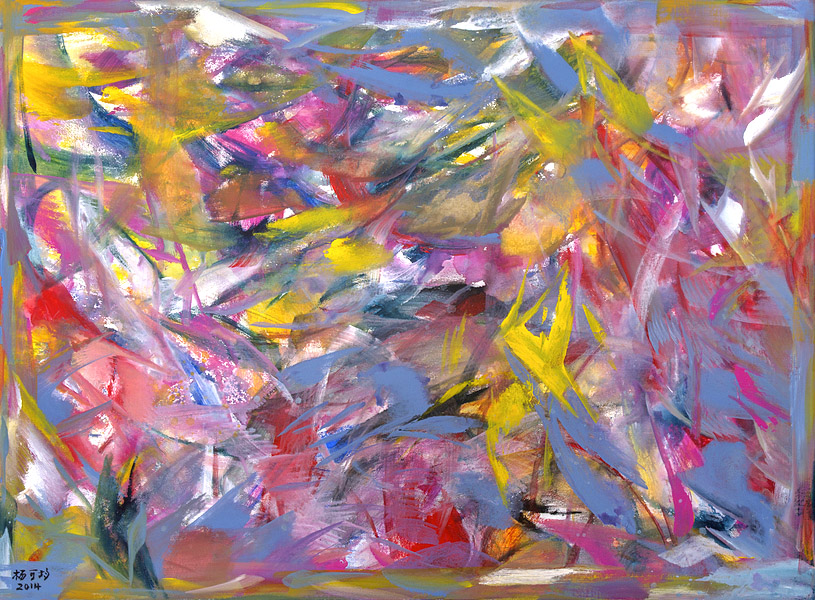
yeo_hoe_koon_杨可均_artwork_for_sale_joy_of_living

Joy of Living, Oil on Canvas, 120 x 163 cm.
Price Range: $26,000 – $32,000. Showcased as part of The Private Art Sale II collection.

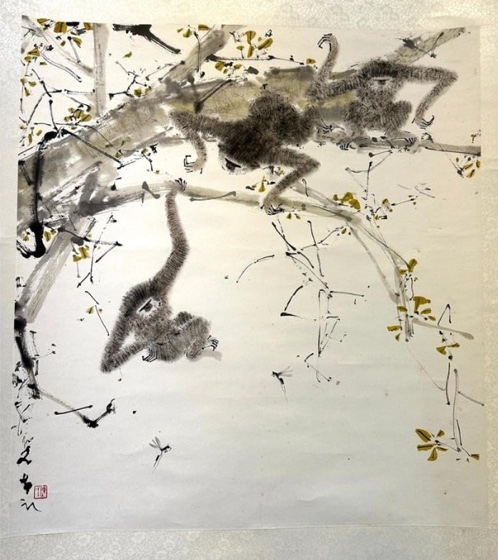
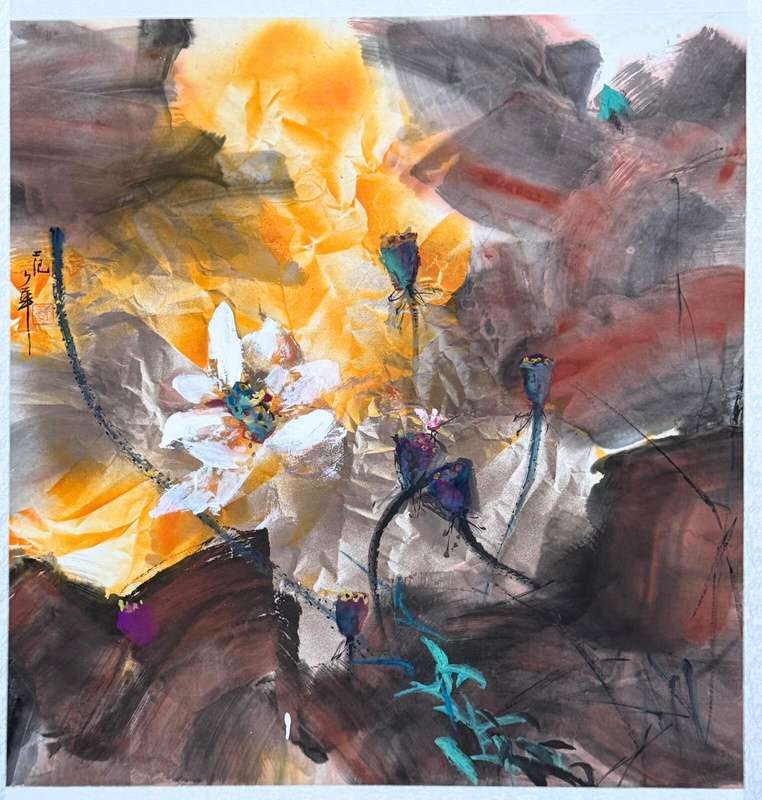
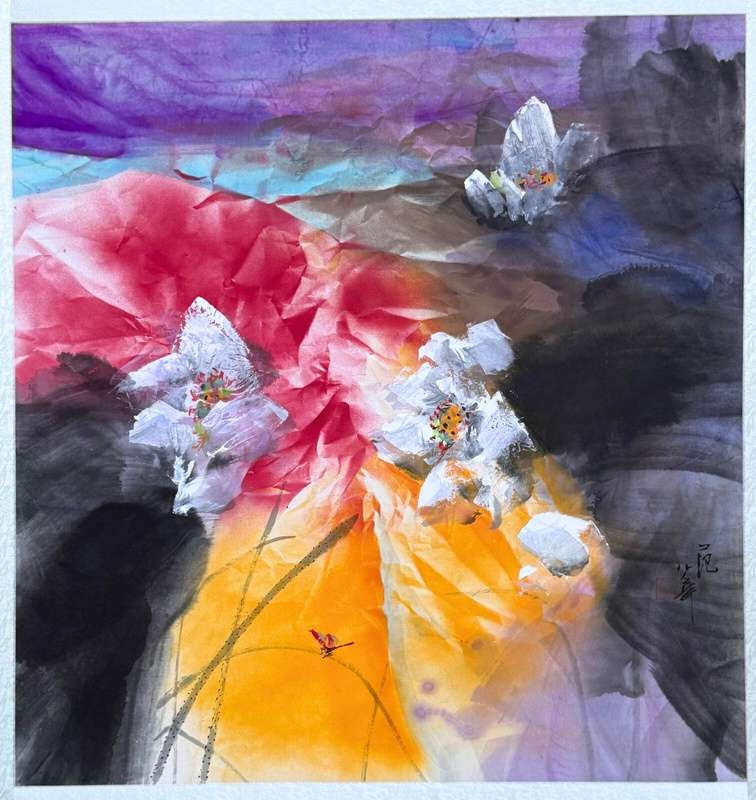
While Yeo’s oils demonstrate his Western training, his Chinese ink works reflect his reverence for tradition. His brushwork conveys energy and elegance, often portraying mountains, figures, or flora and fauna with refined subtlety. Yet Yeo was not bound by convention—he modernized ink painting by experimenting with bold washes, dynamic spatial arrangements, and expressive gestures. For collectors, his ink works are a chance to own pieces that marry classical mastery with contemporary vision, often at more accessible price points than his oils. 

4. A Complete Artist Across Mediums

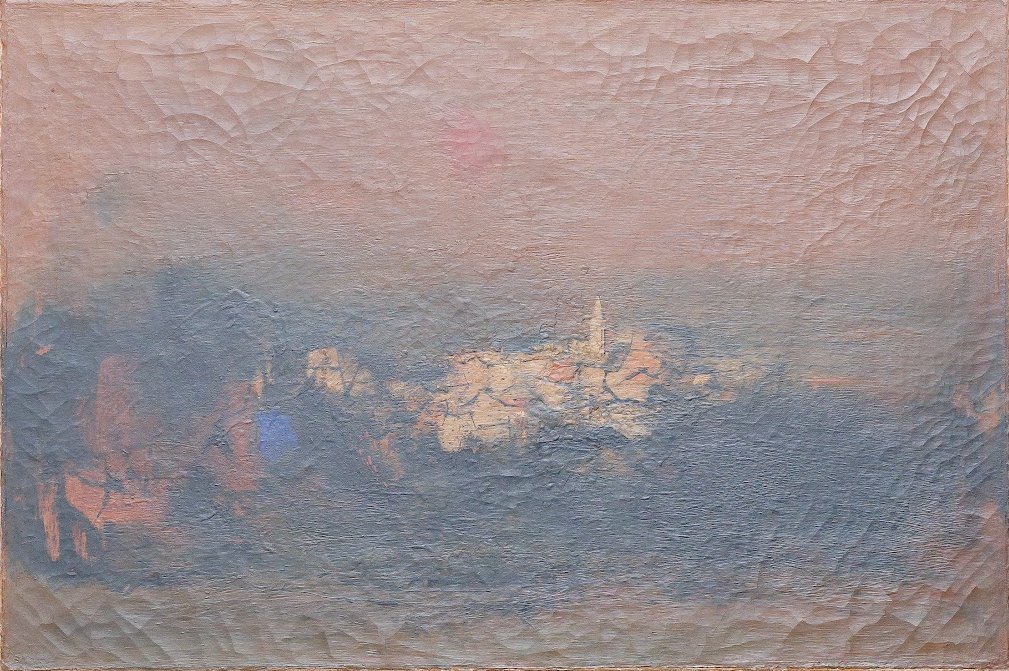
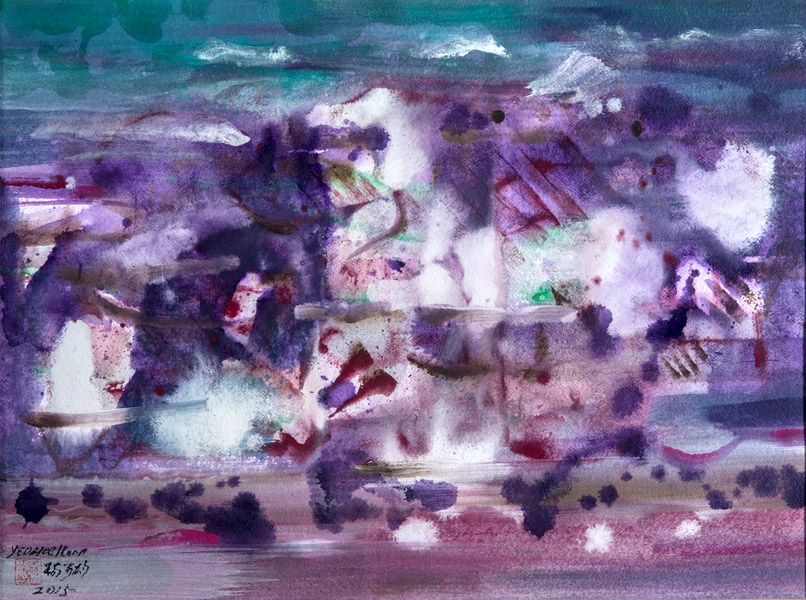
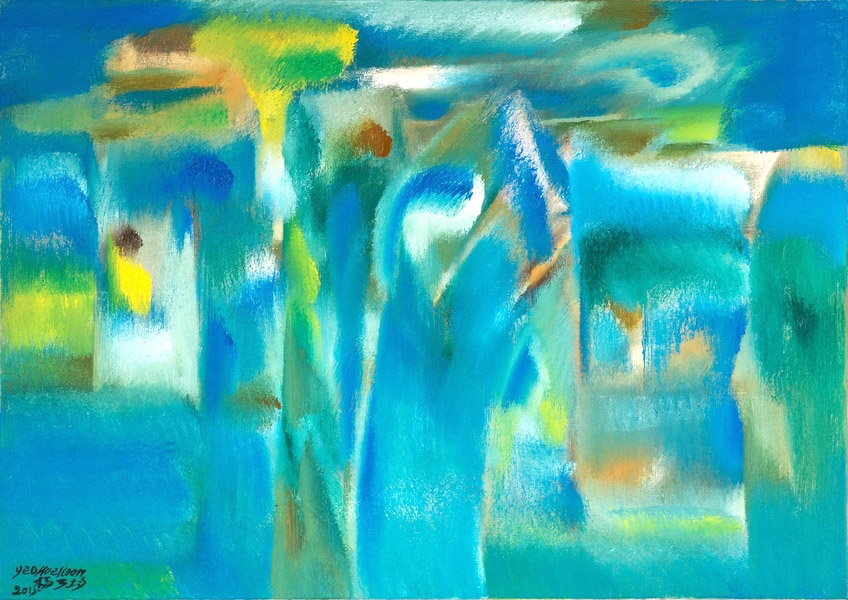
yeo_hoe_koon_杨可均_artwork_for_sale_misty_day
Misty Day, Oil on Canvas, 53.5 x 73 cm. Price Range: $12,000 – $14,000. Showcased as part of The Private Art Sale II collection.

Unlike many of his peers, Yeo Hoe Koon achieved excellence in both oils and ink. This dual mastery allows collectors to experience the full range of his artistic personality. His oils speak of vibrancy, energy, and modern life, while his ink paintings evoke contemplation, lyricism, and poetic expression. Together, they form a complete portrait of an artist who transcended medium boundaries. For collectors building a serious portfolio, this breadth means greater variety and long-term value. 

5. ⁠Cosmopolitan Training and Influence

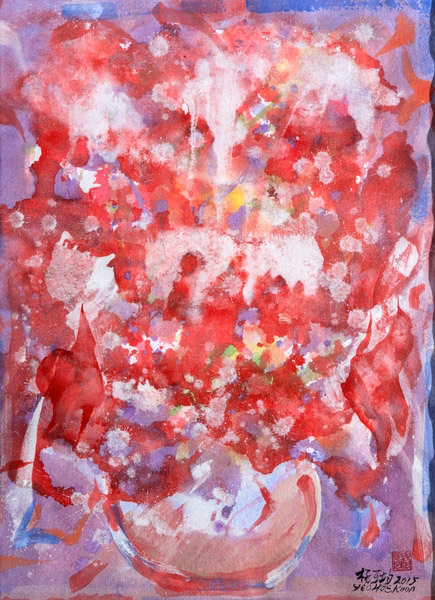
yeo_hoe_koon_杨可均_artwork_for_sale_flowers_in_vase
Flowers in Vase, Oil on Canvas, 73.5 x 54 cm. Price Range: $12,000 – $16,000. Showcased as part of The Private Art Sale II collection.

Yeo Hoe Koon’s formative years in Paris at the École Nationale Supérieure des Beaux-Arts exposed him to the European canon—Impressionism, Cubism, and modernist experimentation. This immersion shaped his approach to oils, enriching his compositions with Western painterly sophistication. Yet he remained deeply rooted in his Asian heritage, carrying forward the ink traditions of China. His art thus reflects a cosmopolitan duality, resonating with both Asian and Western audiences. Collectors benefit from this universality, as his works appeal across geographies and cultures. 

6. Recognition at Home and Abroad

yeo_hoe_koon_杨可均_artwork_for_sale_yellow_trees
Yellow Trees, Oil on Canvas, 64 x 89.5 cm. Price Range: $16,000 – $20,000. Showcased as part of The Private Art Sale II collection.

Yeo has exhibited widely across Singapore, China, and internationally. His works are represented in both private and public collections, underscoring his reputation as a respected second-generation master. Exhibition history and institutional recognition matter to collectors because they validate an artist’s contribution to cultural history. Yeo’s consistent presence in significant showcases ensures that his works remain visible in the art market and continue to be appreciated by new audiences. 

7. Accessible Yet Appreciating Market

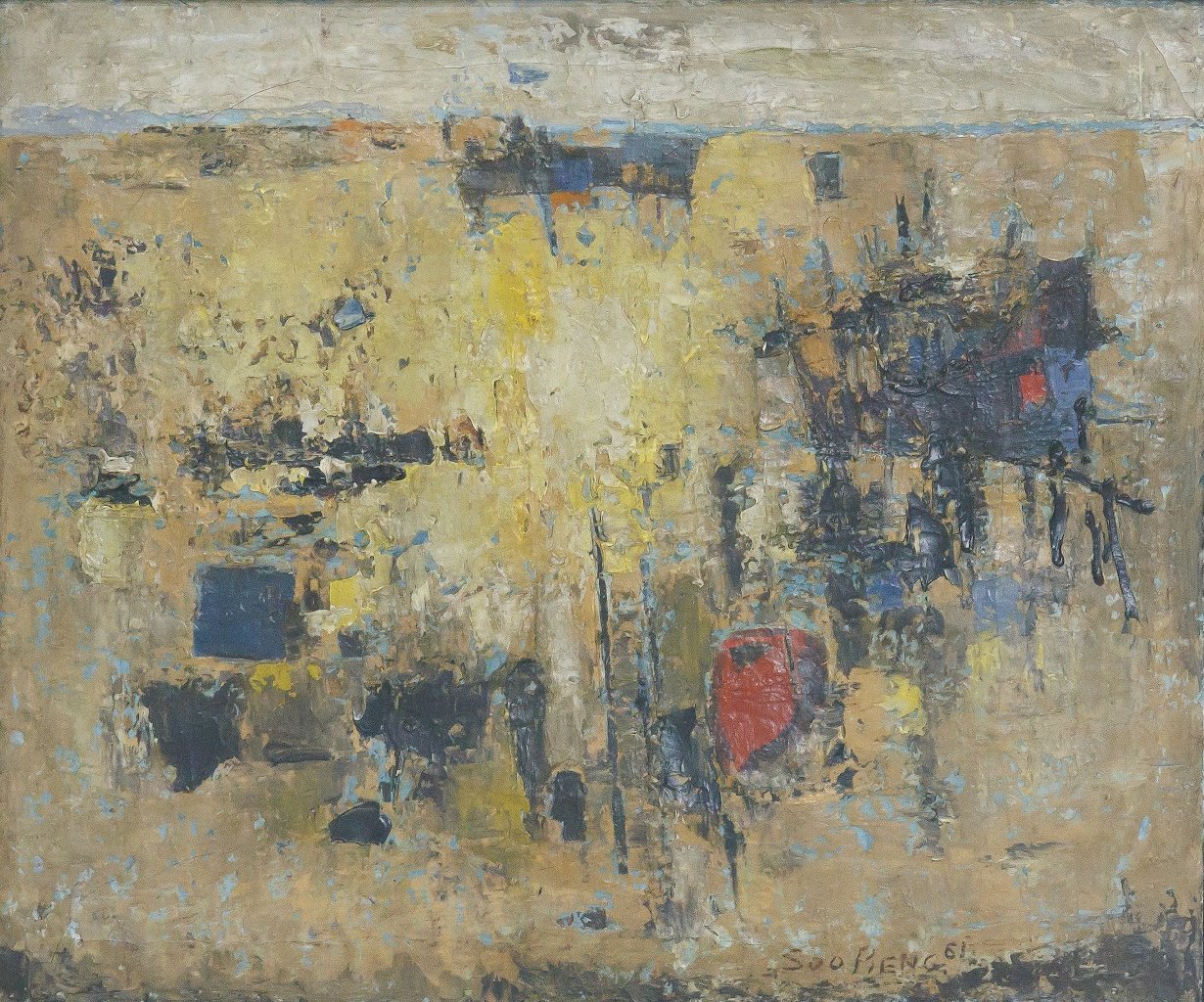
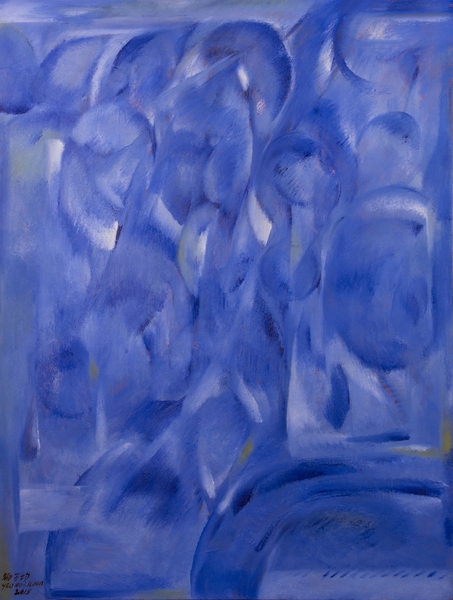
yeo_hoe_koon_杨可均_artwork_for_sale_dream
Dream, Oil on Canvas, 101 x 123 cm. Price Range: $26,000 – $32,000. Showcased as part of The Private Art Sale II collection.

While first-generation masters such as Chen Wen Hsi or Georgette Chen often sell for millions at auction, Yeo Hoe Koon’s works remain comparatively accessible. Collectors can acquire fine ink works or mid-sized oils at prices far below the blue-chip pioneers. This accessibility does not imply lesser value—in fact, it represents an opportunity. As the scarcity and soaring prices of first-generation works push them beyond the reach of many, discerning collectors are increasingly turning to second-generation artists like Yeo Hoe Koon. His market is primed for steady growth. 

8. Cultural Continuity and Relevance

yeo_hoe_koon_杨可均_artwork_for_sale_yellow_trees
Dance, Oil on Canvas, 162 x 123 cm. Price Range: $23,000 – $32,000. Showcased as part of The Private Art Sale II collection.

Yeo Hoe Koon’s works embody cultural continuity: they carry forward the pioneering Nanyang vision while responding to Singapore’s evolving identity. His art captures both the nostalgia of early Singapore landscapes and the broader universality of human and natural subjects. In this sense, his paintings are not only beautiful objects but also cultural documents that connect past, present, and future. For collectors, this relevance adds layers of meaning beyond aesthetic enjoyment. 

9. Investment with Growth Potential

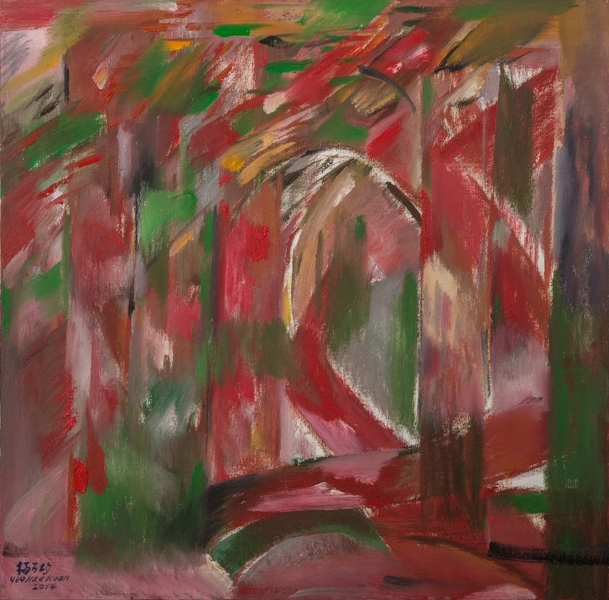
yeo_hoe_koon_杨可均_artwork_for_sale_tropical_forest
Tropical Forest, Oil on Canvas, 100 x 100 cm. Price Range: $26,000 – $32,000. Showcased as part of The Private Art Sale II collection.

From an investment standpoint, Yeo Hoe Koon represents strong growth potential. His works are increasingly sought after in both regional and international auctions, particularly his signature oils. As the market for Southeast Asian modern art matures, second-generation masters are gaining recognition, with prices trending upward. Collectors who acquire Yeo’s works now are positioning themselves ahead of the curve, investing in an artist whose historical importance and artistic quality ensure long-term appreciation. 

10. Art That Inspires Collectors

yeo_hoe_koon_杨可均_artwork_for_sale_misty_day

Green Mountain, Oil on Canvas, 107 x 84.5 cm.
Price Range: $33,000 – $42,000. Showcased as part of The Private Art Sale II collection.

Ultimately, the decision to collect Yeo Hoe Koon goes beyond financial considerations. His works embody lyrical beauty, cultural depth, and timeless themes of nature, humanity, and place. For collectors, living with his art brings daily inspiration, connecting them to both Singapore’s heritage and a universal artistic vision. The emotional rewards of collecting Yeo—his dynamic oils and elegant inks—are as meaningful as the financial returns they promise. 

Conclusion: Why Yeo Hoe Koon Should Be in Your Collection

The narrative of Singaporean art is incomplete without its second-generation masters, and among them, Yeo Hoe Koon stands as a figure of exceptional talent and significance. His ability to command both oil and ink, his grounding in both East and West, and his recognition at home and abroad make his works highly collectible.

For collectors, Yeo Hoe Koon offers the best of both worlds: the gravitas of a master linked to Singapore’s artistic pioneers, and the accessibility and growth potential of a market that is still expanding. His signature works—vibrant oil paintings and refined ink pieces—represent not only excellent investments but also profound cultural treasures.

To collect Yeo Hoe Koon is to embrace a vital chapter of Singapore’s art story, one that continues to inspire, resonate, and appreciate in value.

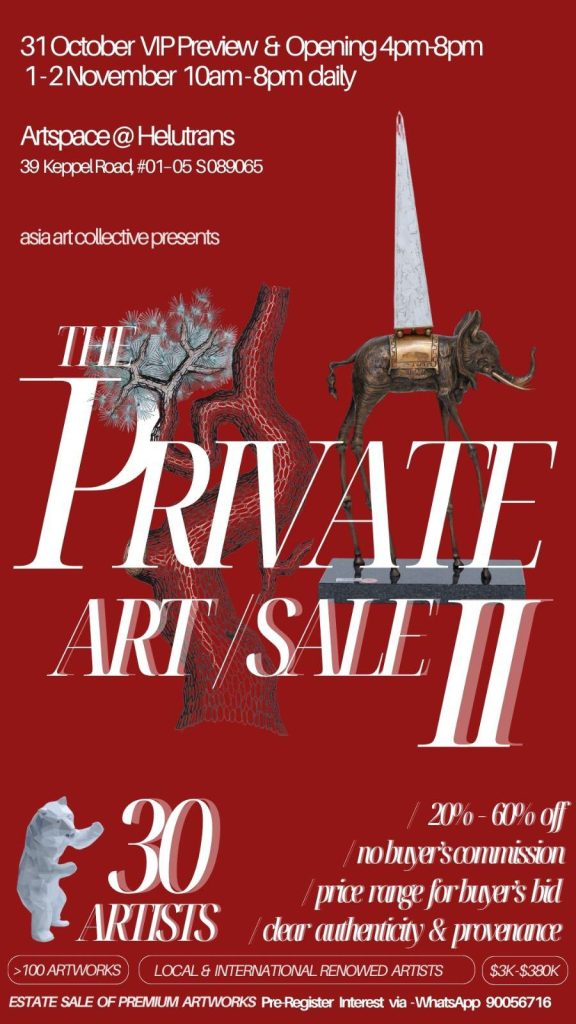
Upcoming Exhibition < The Private Art Sale II >

The Private Art Sale II Asia Art Collective

📌 See Yeo Hoe Koon at The Private Art Sale II

Discover Yeo Hoe Koon’s signature oil and ink works alongside masterpieces by other Singaporean and international masters at The Private Art Sale II.

🗓 31 Oct – 2 Nov 2025
⏰ 10am – 8pm daily
📍 Artspace @ Helutrans, 39 Keppel Road #01-05, Distripark, Singapore 089065
🎟 Free Admission – DM us to request the full catalogue

Don’t miss this rare opportunity to acquire significant works by Yeo Hoe Koon and other celebrated artists at 20–60% below market value, with zero buyer’s commission.

Foundation In Digital Art

Embark on a captivating journey into the vibrant world of digital art! Our Foundation in Digital Art workshop invites budding creatives aged nine and above to unleash their imagination and hone their artistic skills in a dynamic, supportive environment. From mastering basic digital tools to crafting mesmerizing digital masterpieces, children will explore a spectrum of techniques guided by seasoned mentors. Through hands-on activities and interactive sessions, participants will discover the endless possibilities of digital expression while fostering creativity and critical thinking. Join us for an exhilarating adventure where young artists transform ideas into stunning visual realities, igniting a passion for digital art

Colour & Texture Exploration With Acrylic Painting & Collage
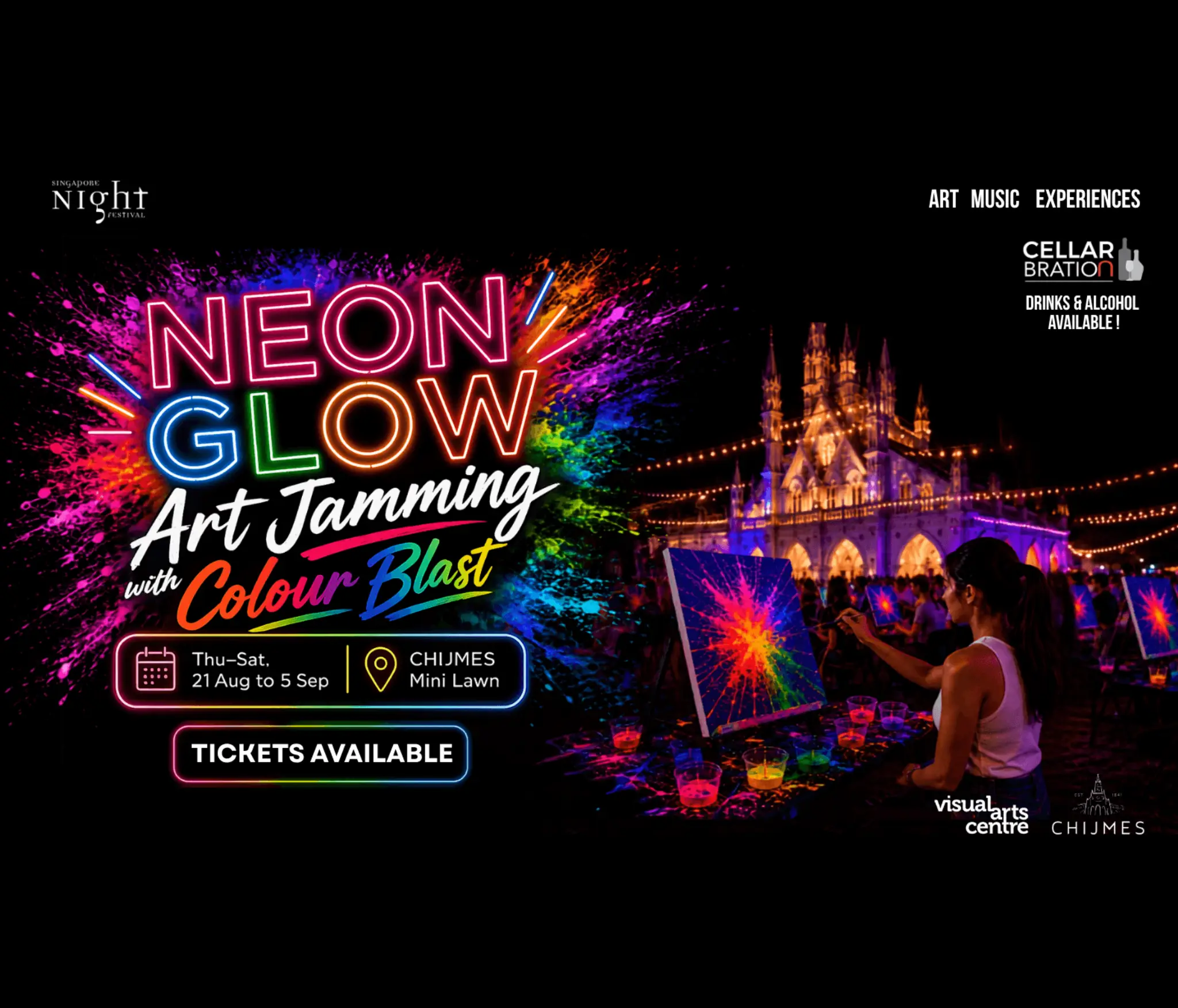
Prepare to unleash your inner artist in a kaleidoscope of color and creativity with ‘Colour Blast: Acrylic Painting & Collage Techniques’! Dive into a whirlwind adventure where vibrant hues and mesmerizing textures collide in a symphony of imagination. From mastering the art of seamless color blending to discovering the magic of mixed media collage, this journey is a playground for your artistic soul. With each brushstroke, explore new techniques that breathe life into your canvas, transforming it into a vibrant tapestry of expression. Join us and let your creativity run wild as you embark on this colorful escapade!”
World of Manga [Foundation & Styling]
A manga art workshop for children and teenagers sounds like a fantastic idea! Here’s how you might structure it:
Introduction to Manga: Begin by introducing what manga is, its history, and its influence on popular culture worldwide. Show examples of different manga styles and genres to give participants an overview.
Basic Drawing Techniques: Start with the fundamentals of drawing, such as line work, shapes, and proportions. Provide step-by-step instructions on how to draw basic manga characters, focusing on simple shapes that can be built upon.
Character Design: Move on to character design concepts, including creating unique characters, designing their personalities, and developing backstories. Encourage participants to get creative and think outside the box.
Expression and Emotion: Teach how to convey emotions and expressions through facial expressions, body language, and positioning of characters. This can be a fun and interactive exercise where participants practice drawing various emotions.
Storytelling and Paneling: Explore the basics of storytelling in manga, including paneling techniques, pacing, and layout. Show examples of different panel structures and discuss how they affect the flow of the story.
Inking and Coloring: Introduce participants to inking techniques using pens or markers. You can also cover digital inking for those interested. Then, demonstrate basic coloring techniques using markers, colored pencils, or digital software.
Feedback and Collaboration: Provide opportunities for participants to share their work and receive feedback from their peers and instructors. Encourage collaboration by having them work together on short manga projects or collaborative drawings.
Final Showcase: End the workshop with a showcase of participants’ work. This could be in the form of an exhibition, digital gallery, or printed booklet. Celebrate everyone’s creativity and progress throughout the workshop.
Remember to create a supportive and encouraging environment where participants feel free to express themselves and explore their creativity. And don’t forget to have fun! Manga is all about imagination and passion, so let that spirit shine through in your workshop.
Academy Drawing Traditions
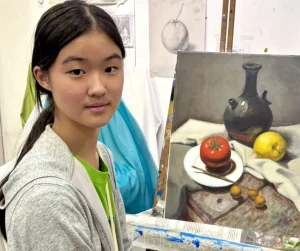
The academy drawing and sketching tradition, rooted in centuries of artistic practice, emphasizes disciplined study of form, proportion, and technique. Originating from Renaissance workshops and formalized by institutions like the Royal Academy, it prioritizes meticulous observation and mastery of fundamental skills. Students progress from basic exercises to complex compositions, learning to depict still life and common objects with precision and expression. This tradition values both classical principles and innovation, encouraging artists to push boundaries while maintaining a deep respect for tradition. Through rigorous training and critique, artists within this tradition cultivate a strong foundation for creative exploration and artistic excellence.
Chinese Ink Painting and Calligraphy
This course on Chinese ink painting and calligraphy introduces young learners to the rich traditions of Chinese art. Through hands-on activities, students explore the basics of brush techniques, ink control, and the delicate art of Chinese script. They learn to appreciate the cultural significance of calligraphy and painting, developing skills in creating elegant strokes and expressive brushwork. The course fosters creativity, patience, and fine motor skills, while also providing insights into Chinese history and aesthetics. By the end, children gain confidence in their artistic abilities and a deeper understanding of Chinese cultural heritage.
Funk with Graffiti
Funk With Graffiti Workshop for children is an engaging and creative program aimed at introducing young artists to the vibrant world of graffiti and funk-inspired street style art. Participants learn the basics of graffiti history, techniques, and safety. Guided by professional graffiti artists, children explore the art of designing their unique tags, emphasizing creativity, expression, and individuality. The workshop includes hands-on activities, from sketching concepts to creating final designs with spray paint on provided surfaces. By the end of the session, children gain confidence in their artistic abilities and an appreciation for graffiti and funk as legitimate forms of street art. Each child completes two original artworks, which they proudly take home, showcasing their newfound skills and personal style.
Batik Tales

In the Batik Introduction Handkerchief Painting workshop, participants will learn the traditional art of batik, a wax-resist dyeing technique originating from Indonesia. The workshop begins with a brief history and overview of batik, highlighting its cultural significance and various techniques. Participants will then observe a demonstration of applying wax with tjanting tools and dyeing the fabric. Following the demonstration, each participant will design and create their own batik handkerchief, applying wax to create patterns and then dyeing their fabric. The workshop concludes with a group discussion, allowing participants to share their creations and reflect on their learning experience.