Fan Shao Hua 范少华

:Artist Biography & Artworks Collection

Fan Shao Hua Artist Biography & Artworks Collection

About Fan Shao Hua :

Table of Contents

Early Life and Education

Fan Shao Hua
Flowers

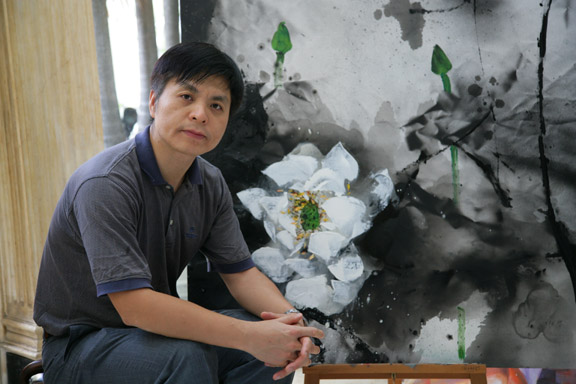
Fan Shao Hua was born in Guangzhou, China, and graduated from the Oil Painting Department of the Guangzhou Academy of Fine Arts with a Bachelor of Arts degree. He went on to teach at the Painting Department of South China University of Arts and the Art and Design Department of Guangzhou University. In 1992, he moved to Singapore, where he joined the Nanyang Academy of Fine Arts as a lecturer. During this time, his works gained wide recognition, earning First Prize at the Singapore National Art Competition.

Artistic Style and Creative Identity

Fan Shao Hua
Lee Kuan Yew Series

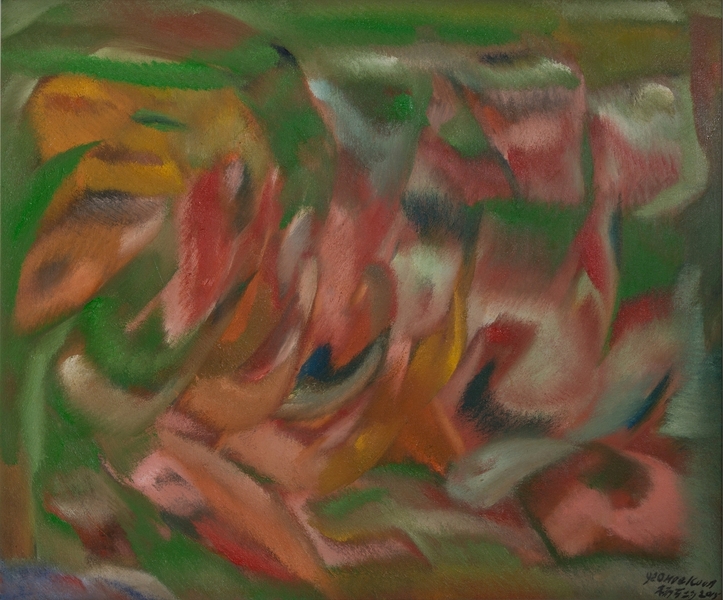
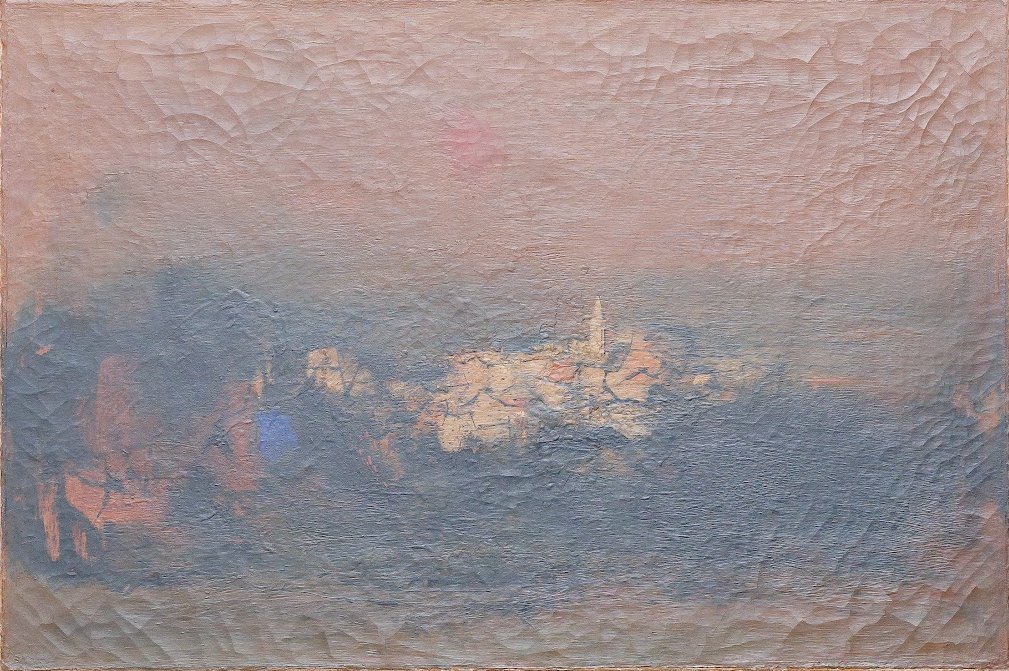
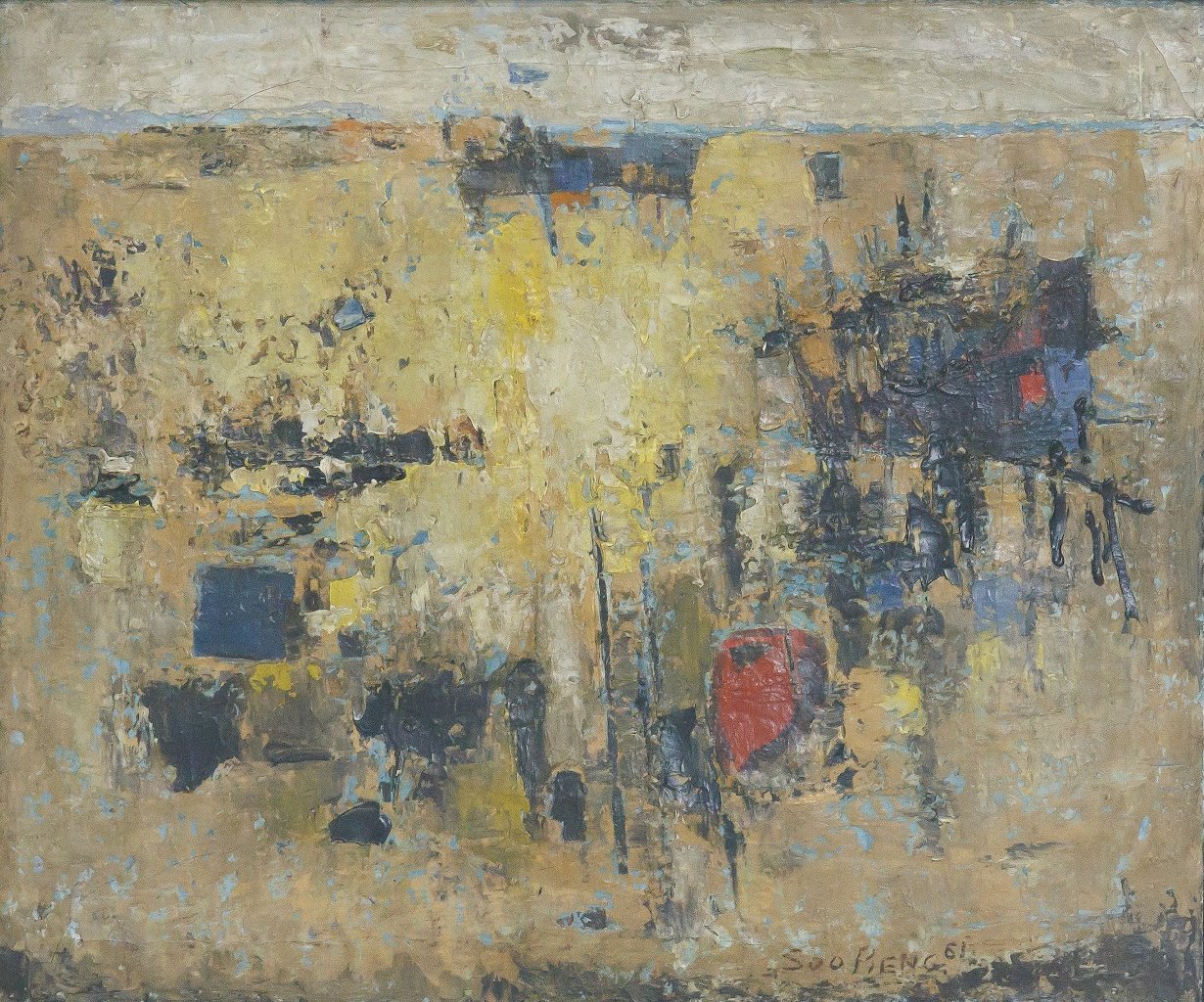
Singapore’s art scene is renowned for its fusion of Eastern traditions, Western modernity, and Southeast Asian culture, forming a uniquely rich artistic language. As a classically trained artist, Fan built on his solid academic foundation and the heritage of Lingnan culture. Through years of keen observation and exploration of daily life, he reinterprets Southeast Asia’s cultural landscapes and Singapore’s multicultural identity with his own painterly language, crafting a style that is both distinctive and deeply personal.

In his paintings—whether in composition, brushwork, or the subtle gradation of colour—Fan demonstrates a masterful balance of space, tension, and atmosphere. From highly realistic portraits to more interpretive series, his works radiate an arresting magnetism, drawing viewers into an evocative world that lingers in the imagination.

The Distinctive Allure of His Lotus and Portrait Series

Fan Shao Hua
Rosses

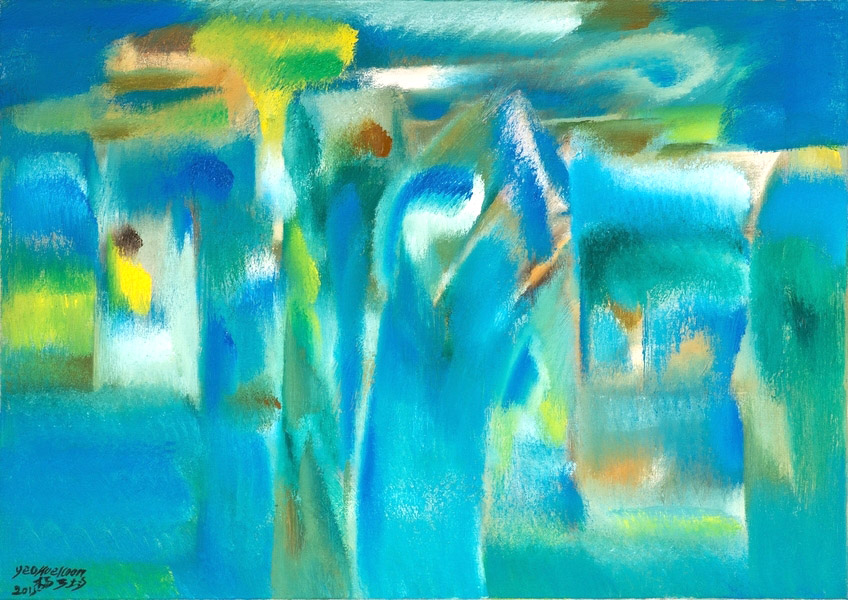
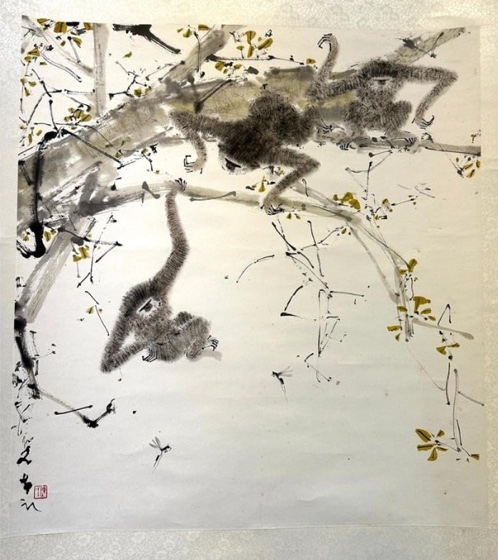
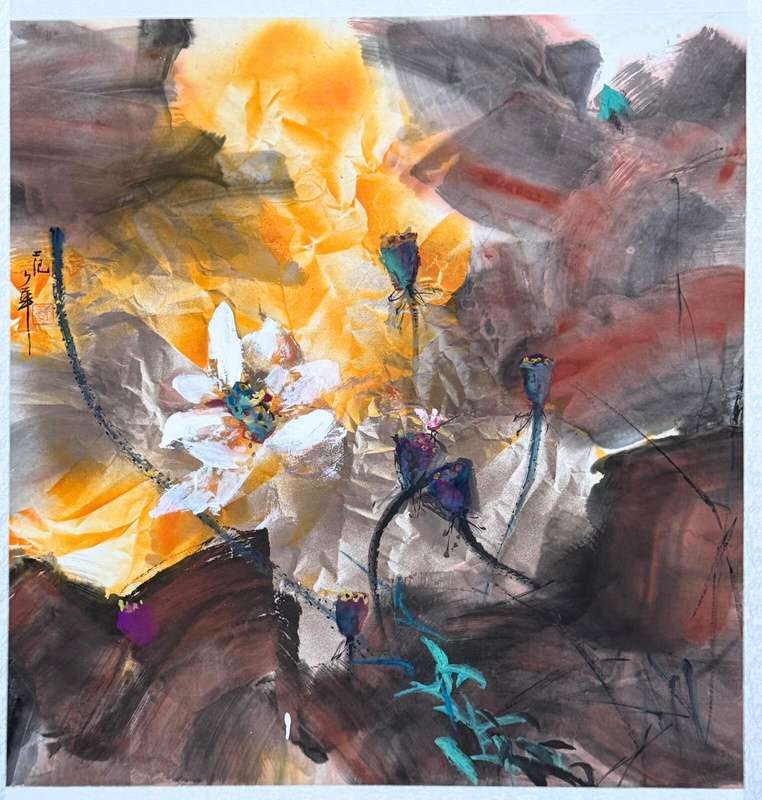
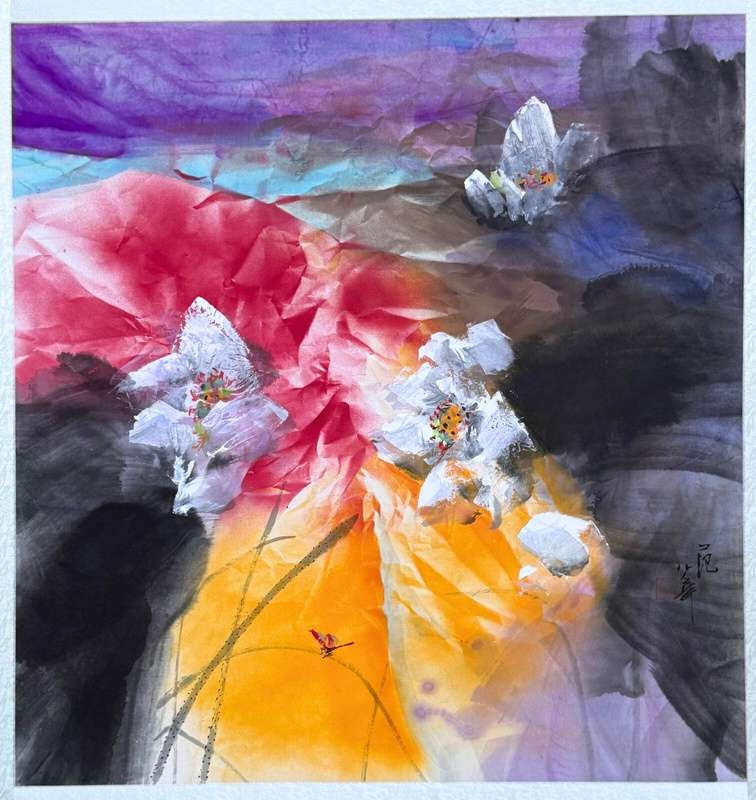
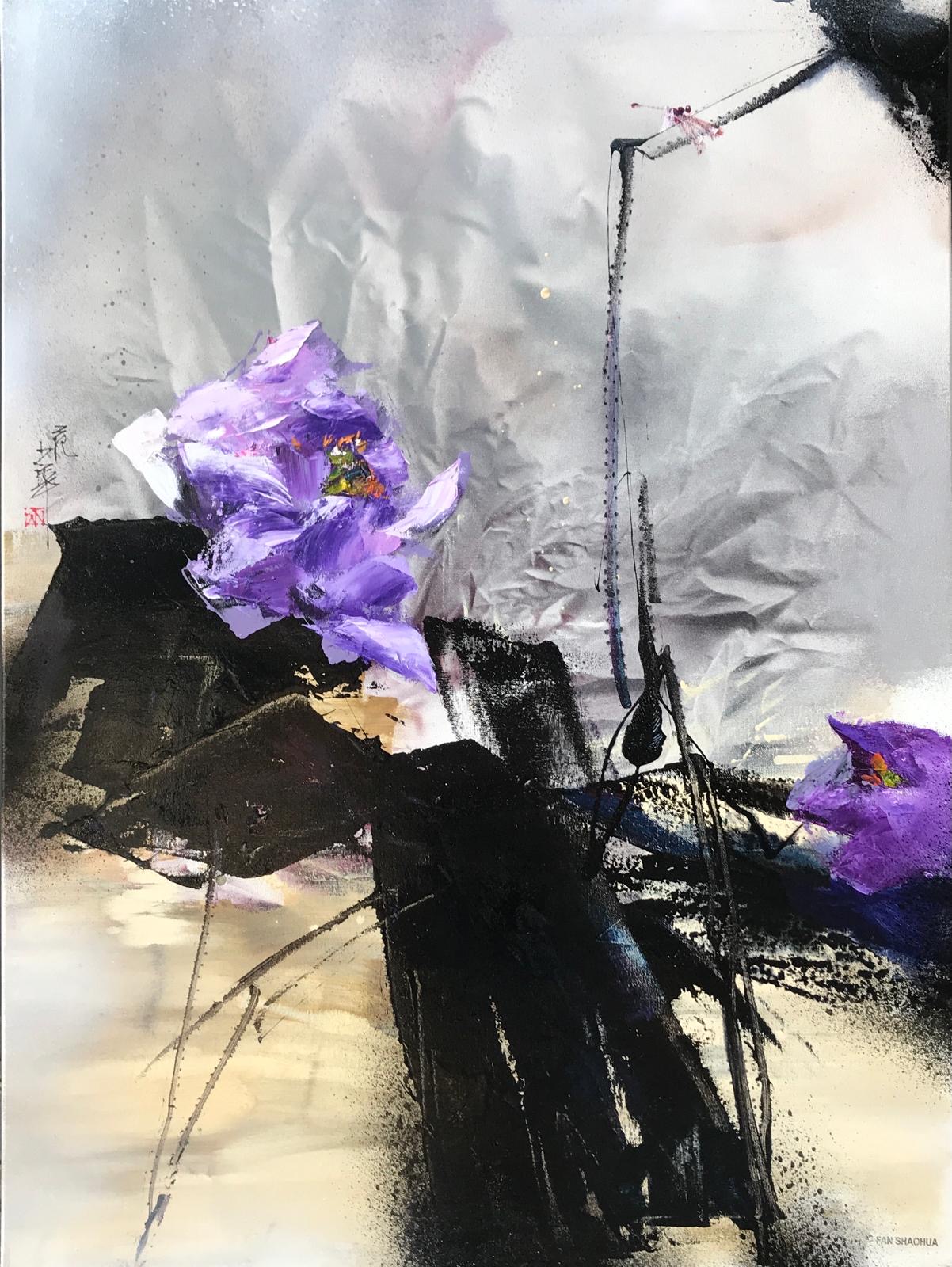
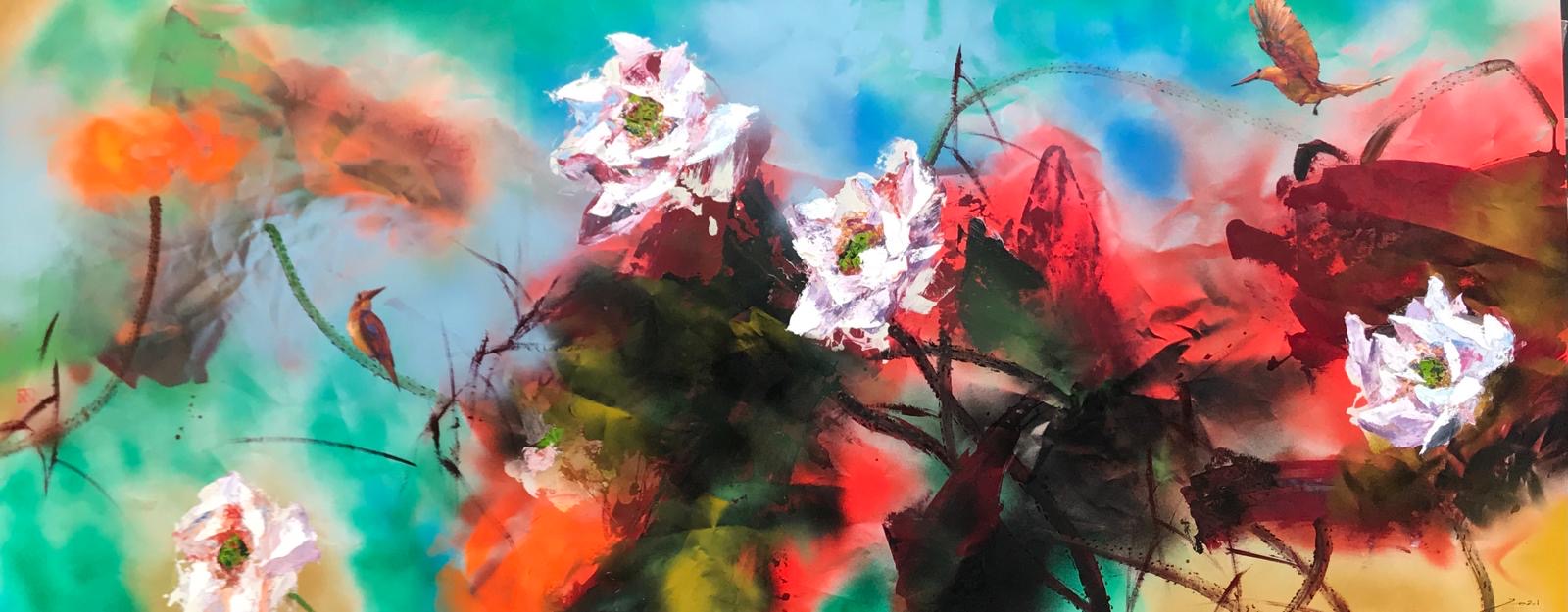
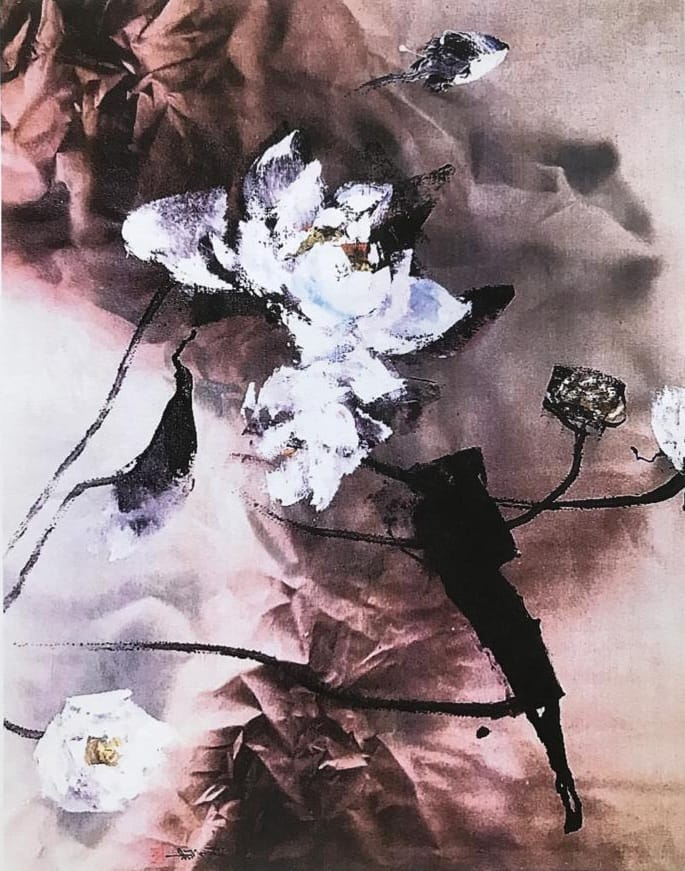
Among Fan’s most celebrated works is his Lotus Series. Rather than merely painting the flower from life, Fan studies its form and essence, personifying its imagery. By merging the traditions of Chinese ink and colour with Western oil techniques, he creates a harmonious blend of East and West. These paintings reflect not only his emotional connection to Nanyang life and Singapore but also his reflections on—and emotional responses to—everyday moments.

Fan’s portraiture is equally acclaimed. Singapore’s multicultural society and unique human landscape have provided him with a wealth of inspiration. Through his portrayals of people across different walks of life, he captures the emotional threads of urban existence.

In 1994, he painted one of the earliest portraits of Singapore’s founding Prime Minister, Lee Kuan Yew, making him among the first artists to immortalise Lee’s image on canvas. Two decades later, in 2014, he was invited again to create a new portrait—this time with a greater maturity and a subtly freer hand, balancing strength and delicacy to convey the nation’s enduring respect for its founding leader.
Artistic Philosophy and Vision

Fan Shao Hua
Lotus Series
Oil on Canvas

As one of Singapore’s most respected oil painters, Fan believes that true artistic maturity does not lie in ostentatious technique, fleeting trends, or dismissing tradition. Rather, it resides in an unwavering dedication to art as a lifelong calling.

This conviction has defined his 40-year artistic journey. Fan has never ceased creating, constantly honing his craft and finding joy and fulfillment in the process. Through his persistence, he has discovered the “artistic realm” and nurtured his own “artistic soul.” His works transcend time and place, using a visual language that is pure, sincere, and harmonious, radiating a spirit of positivity and vitality like sunlight.

Exhibition and Collector's Note

Fan Shao Hua’s art reflects both mastery and meaning, shaped by decades of dedicated practice and a life lived between cultures. His paintings weave together the discipline of his classical training with a deep sensitivity to Southeast Asia’s people and places. Through confident brushwork, nuanced colours, and a quiet balance of form and space, his works feel timeless — capturing not just beauty on canvas, but the emotions, stories, and cultural spirit of Singapore itself.

From 31 October to 2 November 2025, collectors and art enthusiasts will have an exclusive opportunity to experience Fan Shao Hua’s legacy at The Private Art Sale 2:

📍 Location: Artspace @ Helutrans, 39 Keppel Road, #01-05, Singapore
📅 Dates: 31 October – 2 November 2025
Time: 11:00am – 8:00pm daily

This highly anticipated event will feature 90 carefully curated artworks offered at 20%–80% below current market prices, giving collectors a rare opportunity to acquire significant pieces of Singapore’s art history while engaging deeply with Fan’s oeuvre.

For years, Asia Arts Collective has been a trusted art advisory and consultancy specialising in Singaporean and Asian Modern & Contemporary Art. Their expertise spans artwork acquisition and sales, valuation and assessment, collection planning, brokerage, and commissioning services. Beyond consultancy, Asia Arts Collective actively fosters a culture of art appreciation through rotating exhibitions, talks, and educational programmes, guiding both seasoned collectors and those just beginning their journey.

Fan Shao Hua’s works are more than paintings—they are windows into a pivotal era of Singapore’s cultural evolution. The Private Art Sale 2 is not only a chance to acquire exceptional art, but also an invitation to connect with the broader story of Singapore’s artistic heritage.

For more information or to preview the full catalogue and pricing, visit here

Foundation In Digital Art

Embark on a captivating journey into the vibrant world of digital art! Our Foundation in Digital Art workshop invites budding creatives aged nine and above to unleash their imagination and hone their artistic skills in a dynamic, supportive environment. From mastering basic digital tools to crafting mesmerizing digital masterpieces, children will explore a spectrum of techniques guided by seasoned mentors. Through hands-on activities and interactive sessions, participants will discover the endless possibilities of digital expression while fostering creativity and critical thinking. Join us for an exhilarating adventure where young artists transform ideas into stunning visual realities, igniting a passion for digital art

Colour & Texture Exploration With Acrylic Painting & Collage
Prepare to unleash your inner artist in a kaleidoscope of color and creativity with ‘Colour Blast: Acrylic Painting & Collage Techniques’! Dive into a whirlwind adventure where vibrant hues and mesmerizing textures collide in a symphony of imagination. From mastering the art of seamless color blending to discovering the magic of mixed media collage, this journey is a playground for your artistic soul. With each brushstroke, explore new techniques that breathe life into your canvas, transforming it into a vibrant tapestry of expression. Join us and let your creativity run wild as you embark on this colorful escapade!”
World of Manga [Foundation & Styling]
A manga art workshop for children and teenagers sounds like a fantastic idea! Here’s how you might structure it:
Introduction to Manga: Begin by introducing what manga is, its history, and its influence on popular culture worldwide. Show examples of different manga styles and genres to give participants an overview.
Basic Drawing Techniques: Start with the fundamentals of drawing, such as line work, shapes, and proportions. Provide step-by-step instructions on how to draw basic manga characters, focusing on simple shapes that can be built upon.
Character Design: Move on to character design concepts, including creating unique characters, designing their personalities, and developing backstories. Encourage participants to get creative and think outside the box.
Expression and Emotion: Teach how to convey emotions and expressions through facial expressions, body language, and positioning of characters. This can be a fun and interactive exercise where participants practice drawing various emotions.
Storytelling and Paneling: Explore the basics of storytelling in manga, including paneling techniques, pacing, and layout. Show examples of different panel structures and discuss how they affect the flow of the story.
Inking and Coloring: Introduce participants to inking techniques using pens or markers. You can also cover digital inking for those interested. Then, demonstrate basic coloring techniques using markers, colored pencils, or digital software.
Feedback and Collaboration: Provide opportunities for participants to share their work and receive feedback from their peers and instructors. Encourage collaboration by having them work together on short manga projects or collaborative drawings.
Final Showcase: End the workshop with a showcase of participants’ work. This could be in the form of an exhibition, digital gallery, or printed booklet. Celebrate everyone’s creativity and progress throughout the workshop.
Remember to create a supportive and encouraging environment where participants feel free to express themselves and explore their creativity. And don’t forget to have fun! Manga is all about imagination and passion, so let that spirit shine through in your workshop.
Academy Drawing Traditions
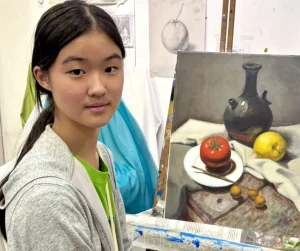
The academy drawing and sketching tradition, rooted in centuries of artistic practice, emphasizes disciplined study of form, proportion, and technique. Originating from Renaissance workshops and formalized by institutions like the Royal Academy, it prioritizes meticulous observation and mastery of fundamental skills. Students progress from basic exercises to complex compositions, learning to depict still life and common objects with precision and expression. This tradition values both classical principles and innovation, encouraging artists to push boundaries while maintaining a deep respect for tradition. Through rigorous training and critique, artists within this tradition cultivate a strong foundation for creative exploration and artistic excellence.
Chinese Ink Painting and Calligraphy
This course on Chinese ink painting and calligraphy introduces young learners to the rich traditions of Chinese art. Through hands-on activities, students explore the basics of brush techniques, ink control, and the delicate art of Chinese script. They learn to appreciate the cultural significance of calligraphy and painting, developing skills in creating elegant strokes and expressive brushwork. The course fosters creativity, patience, and fine motor skills, while also providing insights into Chinese history and aesthetics. By the end, children gain confidence in their artistic abilities and a deeper understanding of Chinese cultural heritage.
Funk with Graffiti
Funk With Graffiti Workshop for children is an engaging and creative program aimed at introducing young artists to the vibrant world of graffiti and funk-inspired street style art. Participants learn the basics of graffiti history, techniques, and safety. Guided by professional graffiti artists, children explore the art of designing their unique tags, emphasizing creativity, expression, and individuality. The workshop includes hands-on activities, from sketching concepts to creating final designs with spray paint on provided surfaces. By the end of the session, children gain confidence in their artistic abilities and an appreciation for graffiti and funk as legitimate forms of street art. Each child completes two original artworks, which they proudly take home, showcasing their newfound skills and personal style.
Batik Tales

In the Batik Introduction Handkerchief Painting workshop, participants will learn the traditional art of batik, a wax-resist dyeing technique originating from Indonesia. The workshop begins with a brief history and overview of batik, highlighting its cultural significance and various techniques. Participants will then observe a demonstration of applying wax with tjanting tools and dyeing the fabric. Following the demonstration, each participant will design and create their own batik handkerchief, applying wax to create patterns and then dyeing their fabric. The workshop concludes with a group discussion, allowing participants to share their creations and reflect on their learning experience.