DSA Visual Arts Portfolio Preparation Art Course Art Class for DSA-SOTA & DSA-MOE Secondary and JC Visual Arts Centre

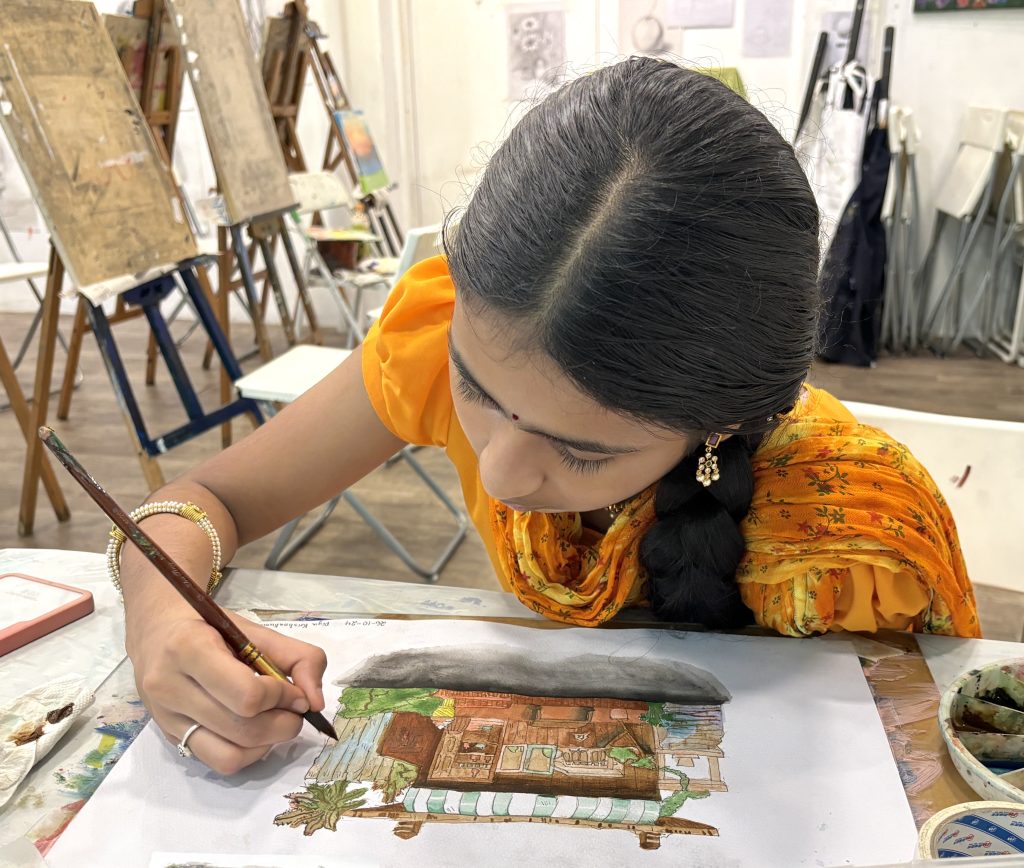
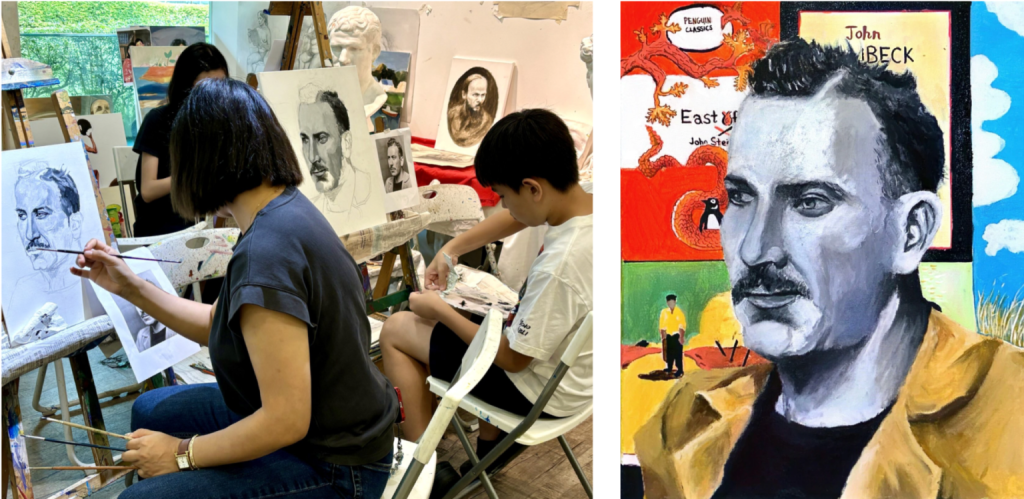
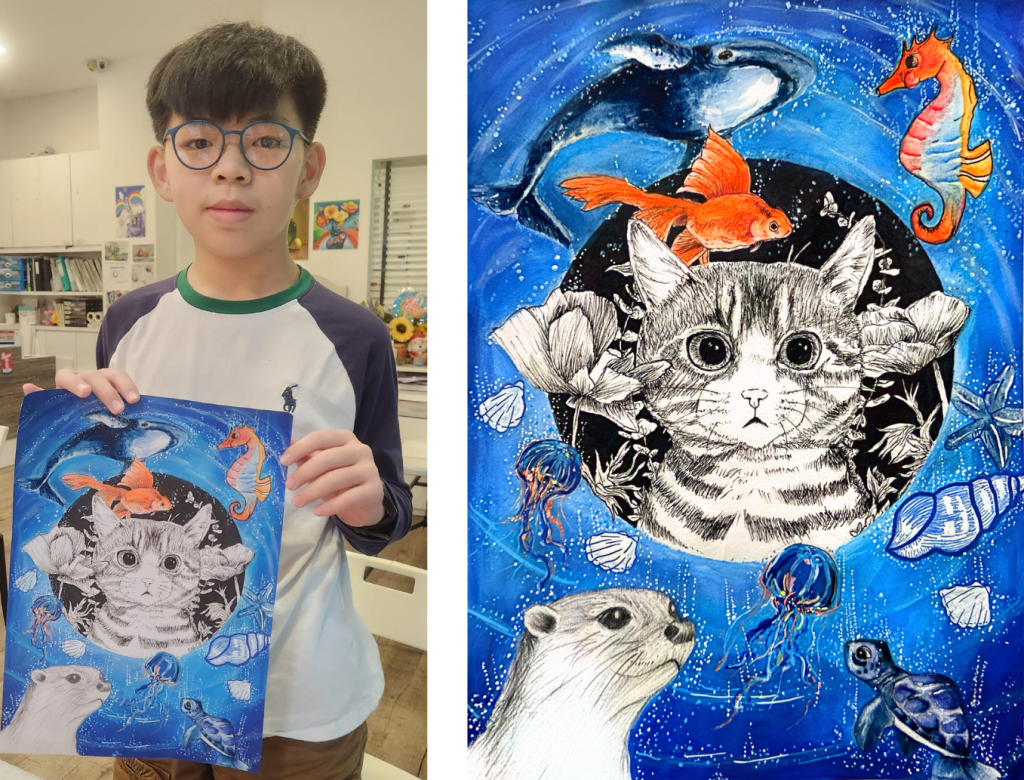
Our student working on her Creative Work for her Portfolio Preparation DSA

Singapore’s Direct School Admission (DSA) program is a special admission pathway that allows students to apply for secondary schools or junior colleges based on their talents in academics, arts, sports, or leadership, rather than relying solely on their PSLE (Primary School Leaving Examination) scores.

One might think that building a DSA Visual Arts portfolio is as simple as putting together a few artworks you have done over the years, and submitting them to the schools of your choice. However, taking into consideration the increasingly high standards and growing competition of art schools and DSA programmes, only extremely devoted and passionate students will be admitted to the prestigious art and design schools of their choice!

How to Apply for Singapore’s DSA Visual Arts? Let our professional art instructors guide you through the process!

Who Can Apply for DSA Visual Arts?

Primary 6 students with outstanding artistic talent can apply for DSA Visual Arts to gain admission into secondary schools. The application period usually falls between May and June each year.

DSA Visual Arts Portfolio Preparation Art Course Art Class for DSA-SOTA & DSA-MOE Secondary and JC Visual Arts Centre

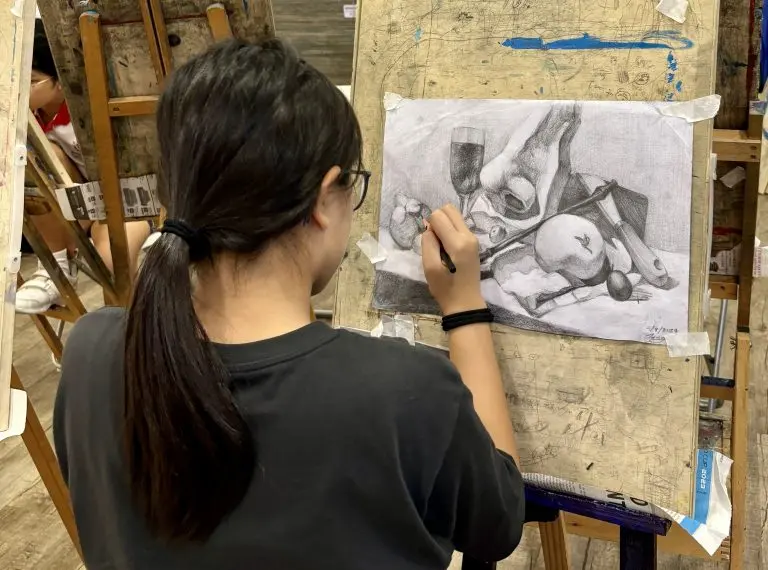
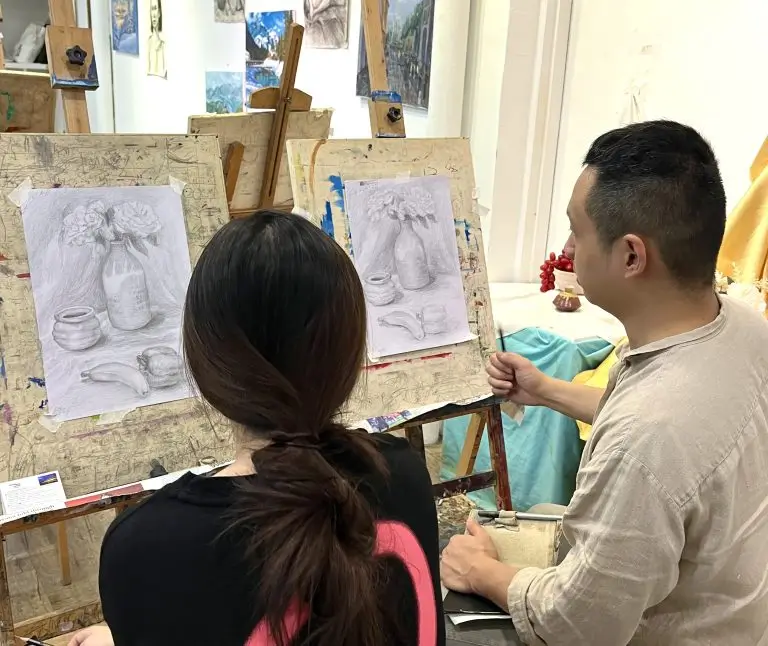
Our student working on a drawing & sketching still-life artwork

What Do You Need To Apply for DSA Visual Arts?

A strong Visual Arts portfolio is essential for DSA-SOTA & DSA-MOE Visual Arts Portfolio applications. Typically, the portfolio should include:

  • 10 – 15 of your best artworks (specific requirements vary by school)
  • Diverse range of art styles & mediums – drawing & sketching, acrylic painting, watercolour painting, digital art, etc.
  • Thematic and personal creations – Schools prefer artworks that showcase creativity and personal artistic style, not just classroom assignments.
A strong DSA Visual Arts portfolio consists of four essential components: a clear personal introduction, a body of well-developed artworks, documented creative processes, and proper presentation with labels and descriptions. Each component will be carefully guided by our art instructors to ensure the student’s portfolio meets the expectations of Singapore schools.
DSA Visual Arts Portfolio Preparation Art Course Art Class for DSA-SOTA & DSA-MOE Secondary and JC Visual Arts Centre

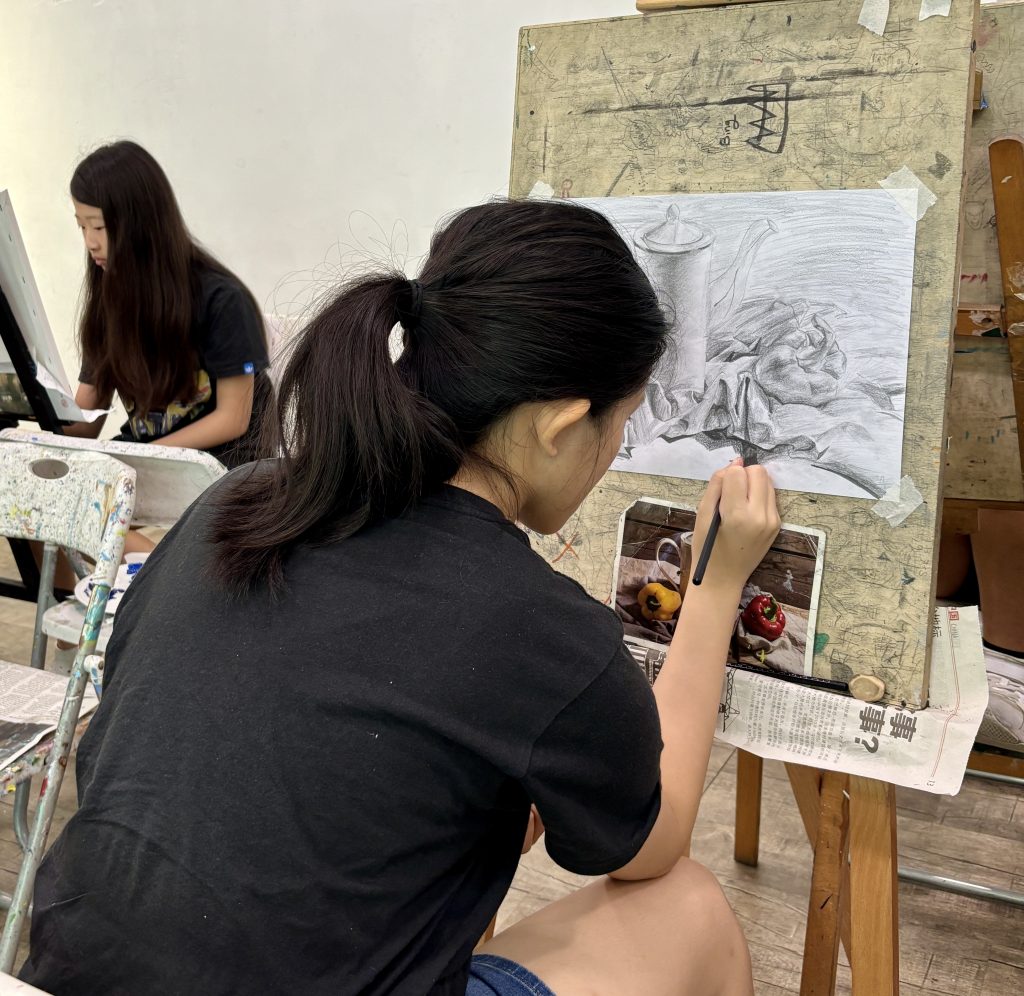
Our student working on a drawing & sketching still-life artwork

What You Will Learn in DSA - Visual Arts Portfolio Preparation Art Course

  • Develop a complete DSA-ready portfolio (10–15 artworks)
  • Gain strong foundation in observational drawing and composition
  • Learn how to create creative and thematic artworks with meaning
  • Explore multiple art mediums and techniques such as drawing & sketching, acrylic painting, watercolour painting, digital art, etc.
  • Understand how to present process work and artistic thinking
  • Build confidence for DSA interviews and selection tasks

Attending DSA – Visual Arts Portfolio Preparation Art Course allow students to build a strong artistic foundation in Drawing & Sketching, Acrylic Painting, and Watercolour Painting. Throughout the course, students will also have opportunities to explore a variety of other mediums, broadening their artistic range and strengthening their overall portfolio. 

For students who wish to accelerate their portfolio development, one-on-one private art classes are also available. Our professional art instructors will work closely with each student on how to create their artwork and provide personalized feedback and guidance based on their progress. This focused approach ensures that every student is able to maximise their potential and build a portfolio within a shorter timeframe.
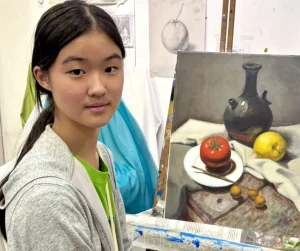
DSA Student work Visual arts Visual Art Centre

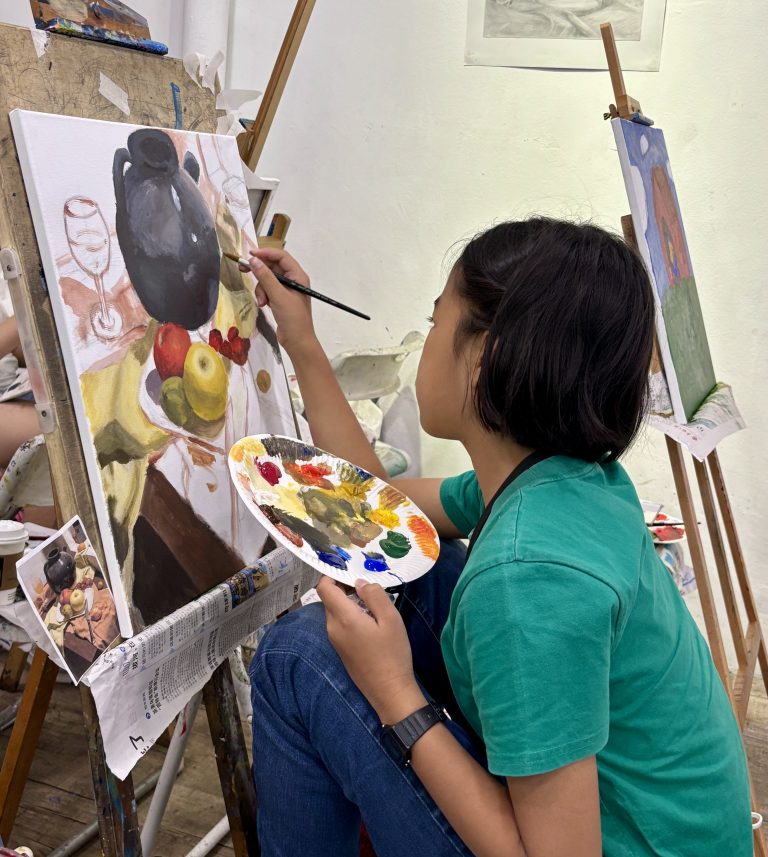
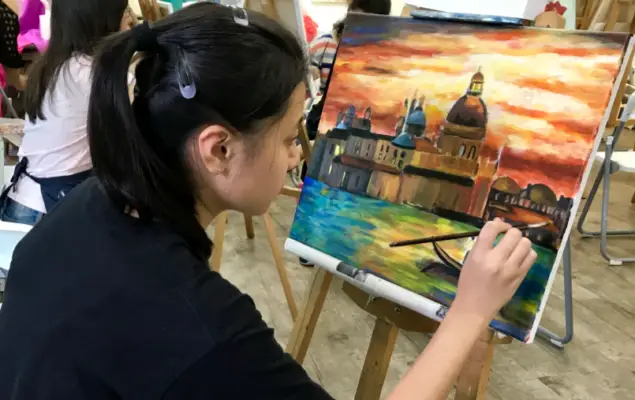
Our student working on an acrylic still-life painting artwork

Learning Topics for Drawing & Sketching

  • Still Life Drawing & Sketching with assorted objects
  • Actual Still Life Drawing & Sketching
  • Landscape Sketching
  • Urban Landscape Sketching
  • Architectural Drawing & Sketching
  • Portraiture Drawing & Sketching
  • Plaster Cast Bust Sketching
  • Creative Drawing with Illustrative Style Sketching
  • Interior Design Sketching
  • Fashion Illustration
  • Gesture Drawing and Sketching
  • Perspective Drawing & Sketching – Aerial, Linear
  • Line Art Drawing & Sketching
  • Quick Drawing & Sketching
DSA Visual Arts Portfolio Preparation Art Course Art Class for DSA-SOTA & DSA-MOE Secondary and JC Visual Arts Centre

Learning Topics for Acrylic Painting

DSA Art Portfolio Preparation Course ( Process) Acrylic Painting with Private Coaching at Visual Arts Centre
  • Still Life Acrylic Painting with assorted objects
  • Architectural Acrylic Painting
  • Plaster Cast Bust Acrylic Painting
  • Interior Design Acrylic Painting
  • Fashion Acrylic Painting
  • Perspective Acrylic Painting
  • Landscape Acrylic Painting, En Plein Air Acrylic Painting
  • Seascapes Acrylic Painting
  • Cityscapes Acrylic
  • Portraiture Acrylic Painting
  • Nude Life Figure Acrylic Painting
  • Animal Acrylic Painting
  • Still Life Acrylic Painting
  • Pure and Semi Abstract Style Acrylic Painting
  • Realism and Hyper Realism Acrylic Painting style

Learning Topics for Watercolour Painting

  • Still Life Watercolour Painting with assorted objects
  • Architectural Watercolour Painting
  • Fashion Watercolour Painting
  • Perspective Watercolour Painting
  • Landscape Watercolour Painting
  • Seascapes Watercolour Painting
  • Portraiture Watercolour Painting
  • Nude Life Figure Watercolour Painting
  • Animal Watercolour Painting
  • Realism and Hyper Realism Watercolour Painting style
  • Floral theme Watercolour painting
  • Fruits and Vegetables Watercolour Painting
DSA Visual Arts Portfolio Preparation Art Course Art Class for DSA-SOTA & DSA-MOE Secondary and JC Visual Arts Centre

Teaching Approach of DSA - Visual Arts Portfolio Preparation Art Course

At Visual Arts Centre, we focus on developing both technical and independent creative thinking skills within our students. Students are guided step-by-step through structured lessons, while receiving personalised feedback tailored to their individual progress and strengths. Within a small group setting, each student receives close attention from their instructors, ensuring that their visual arts portfolio is carefully developed and refined.

Rather than simply producing finished artworks, students are encouraged to explore ideas, experiment with materials, and reflect on their work. This approach helps them build confidence, develop a deeper understanding of art, and prepare effectively for DSA expectations.

DSA Visual Arts Portfolio Preparation Art Course Art Class for DSA-SOTA & DSA-MOE Secondary and JC Visual Arts Centre

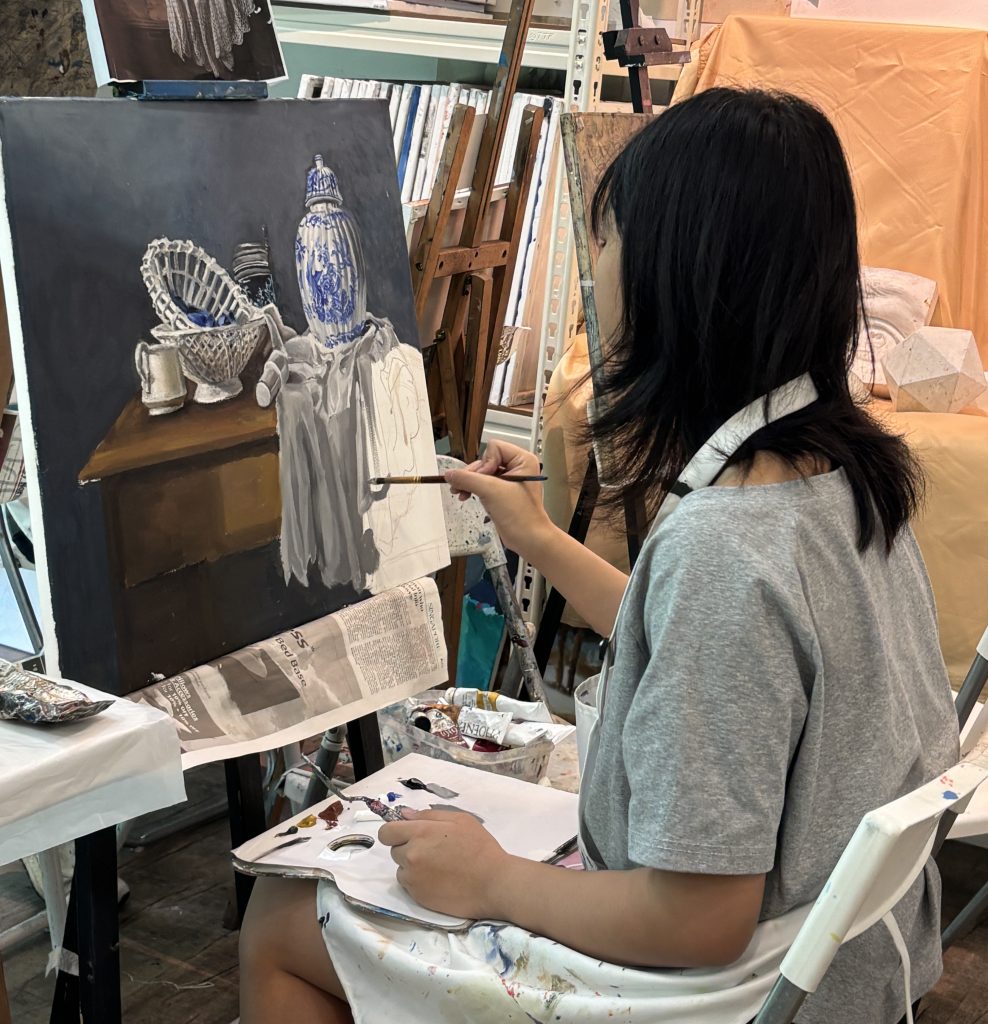
Our student working on a still-life oil painting artwork

How Can Visual Arts Centre & Our DSA-SOTA & DSA-MOE Visual Arts Portfolio Preparation (Process) Course help?

At Visual Arts Centre, our experienced art instructors provide customized coaching tailored to different school requirements. We offer:

  • Visual Arts Portfolio preparation guidance – How to choose, present, and articulate your artworks.
  • Interview training – Learn interview techniques to confidently present your portfolio.
  • Expert consultations – Gain clear understanding of the application process and school-specific expectations.
DSA Visual Arts Portfolio Preparation Art Course Art Class for DSA-SOTA & DSA-MOE Secondary and JC Visual Arts Centre

Our student working on an acrylic still-life painting artwork

DSA Visual Arts Portfolio Preparation Art Course Art Class for DSA-SOTA & DSA-MOE Secondary and JC Visual Arts Centre

Our student working on a portrait oil painting artwork

DSA Visual Arts Portfolio Preparation Art Course Art Class for DSA-SOTA & DSA-MOE Secondary and JC Visual Arts Centre

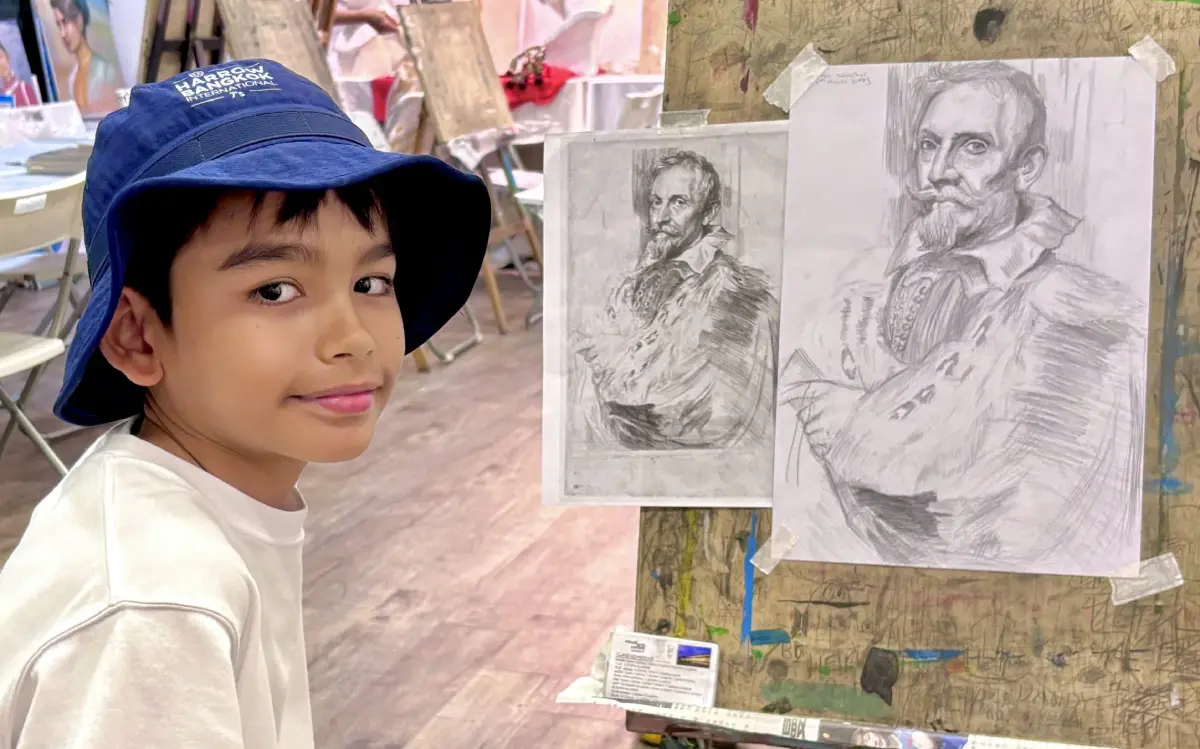
Our student completing his Creative Work for DSA Portfolio Preparation

DSA Visual Arts Portfolio Preparation Art Course Art Class for DSA-SOTA & DSA-MOE Secondary and JC Visual Arts Centre

Our student working on an acrylic still-life painting artwork

✨ FREE Consultation & Trial Available! ✨
We offer a complimentary consultation to help students and parents navigate the DSA Visual Arts application.

📞 Contact us via WhatsApp or call 6255 0711 to book an appointment.
Our goal is to help young artists successfully gain admission to their dream secondary schools through DSA Visual Arts!

Our Schedule

VISUAL ARTS CENTRE DHOBY GHAUT STUDIO

2026 - 2027

CLASS SCHEDULE

MON

11am -
1:15pm

5pm -
7:15pm

7:30pm -
9:45pm

TUE

3:30pm -
5:45pm

WED

11am -
1:15pm

1:30pm -
3:45pm

5pm -
7:15pm

7:30pm -
9:45pm

(Chinese Ink
Painting)

THU

1pm -
3:15pm

3:30pm -
5:45pm

FRI

11am -
1:15pm

5pm -
7:15pm

7:30pm -
9:45pm

SAT

10:30am -
12:45pm

1pm -
3:15pm

3:30pm -
5:45pm

6:30pm -
8:45pm

SUN

10:30am -
12:45pm

1pm -
3:15pm

3:30pm -
5:45pm

*TO BE ENQUIRED

Call/WhatsApp: +65-6255-0711
E: [email protected]

logo vac

MacPherson Art Studio

Call/WhatsApp: +65-6255-0711

CLASS SCHEDULE

140 Paya Lebar Rd, 03-04 AZ @Paya Lebar Building, S(409015)

Contact us for any enquiries!

logo vac
Our Location

Dhoby Ghaut Art Studio

Address:

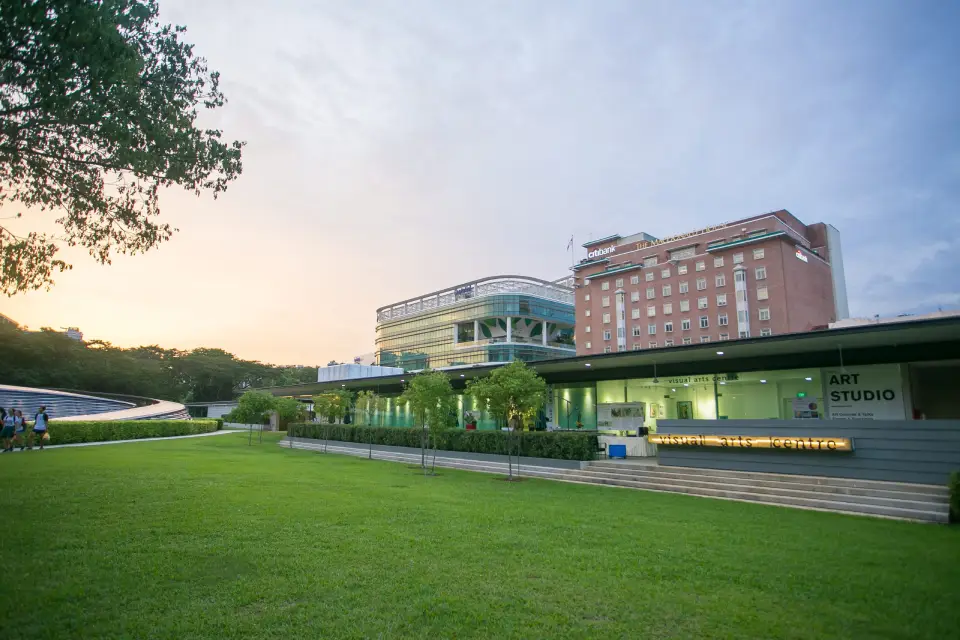
10 Penang Road, #01-02 Dhoby Ghaut Green,
Singapore (238469)

Exit from Dhoby Ghaut MRT Station Exit B and turn left, we are there in 30m!

VAC Chinatown Art Gallery & Studio

Address:

20B Mosque Street, Singapore (059500)
*2 minutes walk from Chinatown MRT Station Exit A

Take a left turn upon exiting the Chinatown MRT Station Exit A (Pagoda Street). Turn right to go to Mosque Street. Finally, walk towards 20B, we’re on the 3rd floor of the shophouse.

INTERESTED?

Schedule a Portfolio Consultation/Trial with us through the following contact information:

Leave us a message!

Have any questions? Please drop us an enquiry form and we’ll respond to you as soon as we can!

"*" indicates required fields

This field is for validation purposes and should be left unchanged.
Name
This field is hidden when viewing the form
Foundation In Digital Art

Embark on a captivating journey into the vibrant world of digital art! Our Foundation in Digital Art workshop invites budding creatives aged nine and above to unleash their imagination and hone their artistic skills in a dynamic, supportive environment. From mastering basic digital tools to crafting mesmerizing digital masterpieces, children will explore a spectrum of techniques guided by seasoned mentors. Through hands-on activities and interactive sessions, participants will discover the endless possibilities of digital expression while fostering creativity and critical thinking. Join us for an exhilarating adventure where young artists transform ideas into stunning visual realities, igniting a passion for digital art

Colour & Texture Exploration With Acrylic Painting & Collage
Prepare to unleash your inner artist in a kaleidoscope of color and creativity with ‘Colour Blast: Acrylic Painting & Collage Techniques’! Dive into a whirlwind adventure where vibrant hues and mesmerizing textures collide in a symphony of imagination. From mastering the art of seamless color blending to discovering the magic of mixed media collage, this journey is a playground for your artistic soul. With each brushstroke, explore new techniques that breathe life into your canvas, transforming it into a vibrant tapestry of expression. Join us and let your creativity run wild as you embark on this colorful escapade!”
World of Manga [Foundation & Styling]
A manga art workshop for children and teenagers sounds like a fantastic idea! Here’s how you might structure it:
Introduction to Manga: Begin by introducing what manga is, its history, and its influence on popular culture worldwide. Show examples of different manga styles and genres to give participants an overview.
Basic Drawing Techniques: Start with the fundamentals of drawing, such as line work, shapes, and proportions. Provide step-by-step instructions on how to draw basic manga characters, focusing on simple shapes that can be built upon.
Character Design: Move on to character design concepts, including creating unique characters, designing their personalities, and developing backstories. Encourage participants to get creative and think outside the box.
Expression and Emotion: Teach how to convey emotions and expressions through facial expressions, body language, and positioning of characters. This can be a fun and interactive exercise where participants practice drawing various emotions.
Storytelling and Paneling: Explore the basics of storytelling in manga, including paneling techniques, pacing, and layout. Show examples of different panel structures and discuss how they affect the flow of the story.
Inking and Coloring: Introduce participants to inking techniques using pens or markers. You can also cover digital inking for those interested. Then, demonstrate basic coloring techniques using markers, colored pencils, or digital software.
Feedback and Collaboration: Provide opportunities for participants to share their work and receive feedback from their peers and instructors. Encourage collaboration by having them work together on short manga projects or collaborative drawings.
Final Showcase: End the workshop with a showcase of participants’ work. This could be in the form of an exhibition, digital gallery, or printed booklet. Celebrate everyone’s creativity and progress throughout the workshop.
Remember to create a supportive and encouraging environment where participants feel free to express themselves and explore their creativity. And don’t forget to have fun! Manga is all about imagination and passion, so let that spirit shine through in your workshop.
Academy Drawing Traditions
The academy drawing and sketching tradition, rooted in centuries of artistic practice, emphasizes disciplined study of form, proportion, and technique. Originating from Renaissance workshops and formalized by institutions like the Royal Academy, it prioritizes meticulous observation and mastery of fundamental skills. Students progress from basic exercises to complex compositions, learning to depict still life and common objects with precision and expression. This tradition values both classical principles and innovation, encouraging artists to push boundaries while maintaining a deep respect for tradition. Through rigorous training and critique, artists within this tradition cultivate a strong foundation for creative exploration and artistic excellence.
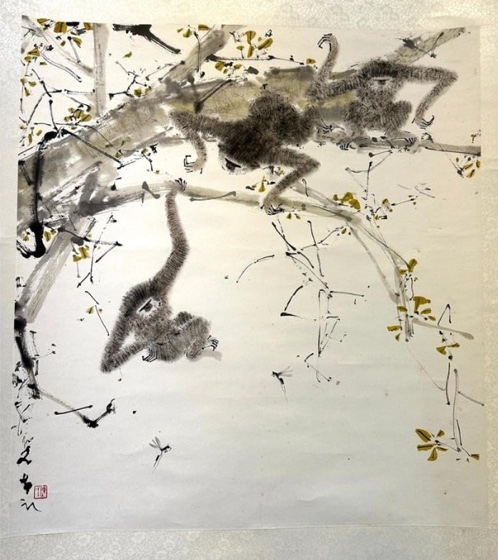
Chinese Ink Painting and Calligraphy
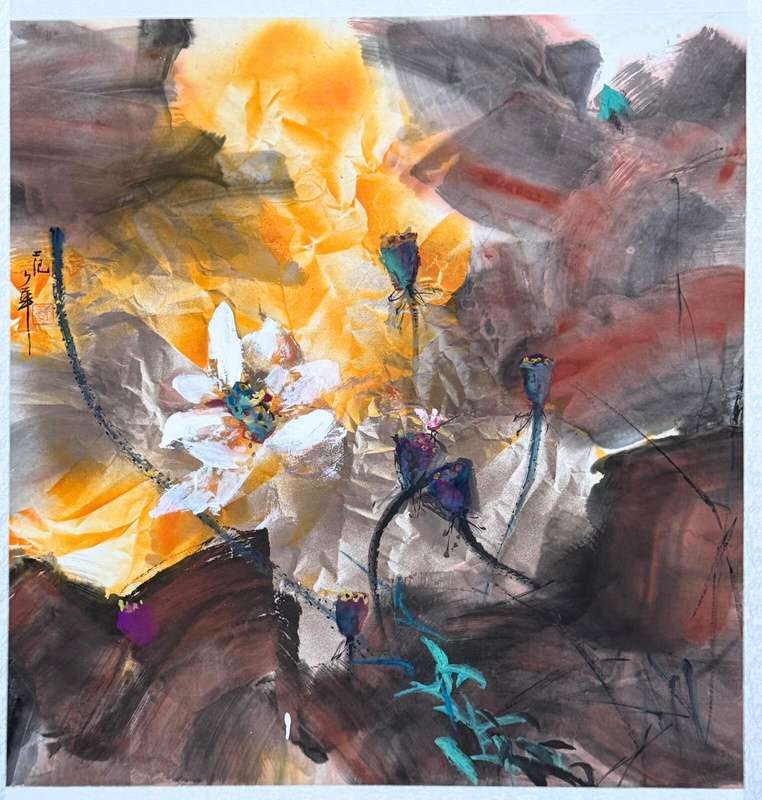
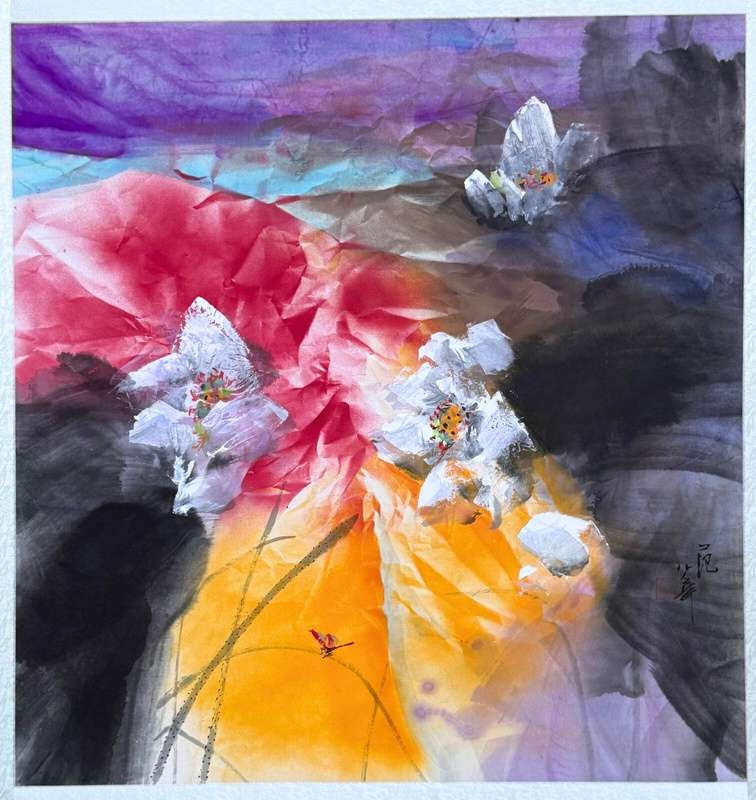
This course on Chinese ink painting and calligraphy introduces young learners to the rich traditions of Chinese art. Through hands-on activities, students explore the basics of brush techniques, ink control, and the delicate art of Chinese script. They learn to appreciate the cultural significance of calligraphy and painting, developing skills in creating elegant strokes and expressive brushwork. The course fosters creativity, patience, and fine motor skills, while also providing insights into Chinese history and aesthetics. By the end, children gain confidence in their artistic abilities and a deeper understanding of Chinese cultural heritage.
Funk with Graffiti
Funk With Graffiti Workshop for children is an engaging and creative program aimed at introducing young artists to the vibrant world of graffiti and funk-inspired street style art. Participants learn the basics of graffiti history, techniques, and safety. Guided by professional graffiti artists, children explore the art of designing their unique tags, emphasizing creativity, expression, and individuality. The workshop includes hands-on activities, from sketching concepts to creating final designs with spray paint on provided surfaces. By the end of the session, children gain confidence in their artistic abilities and an appreciation for graffiti and funk as legitimate forms of street art. Each child completes two original artworks, which they proudly take home, showcasing their newfound skills and personal style.
Batik Tales

In the Batik Introduction Handkerchief Painting workshop, participants will learn the traditional art of batik, a wax-resist dyeing technique originating from Indonesia. The workshop begins with a brief history and overview of batik, highlighting its cultural significance and various techniques. Participants will then observe a demonstration of applying wax with tjanting tools and dyeing the fabric. Following the demonstration, each participant will design and create their own batik handkerchief, applying wax to create patterns and then dyeing their fabric. The workshop concludes with a group discussion, allowing participants to share their creations and reflect on their learning experience.