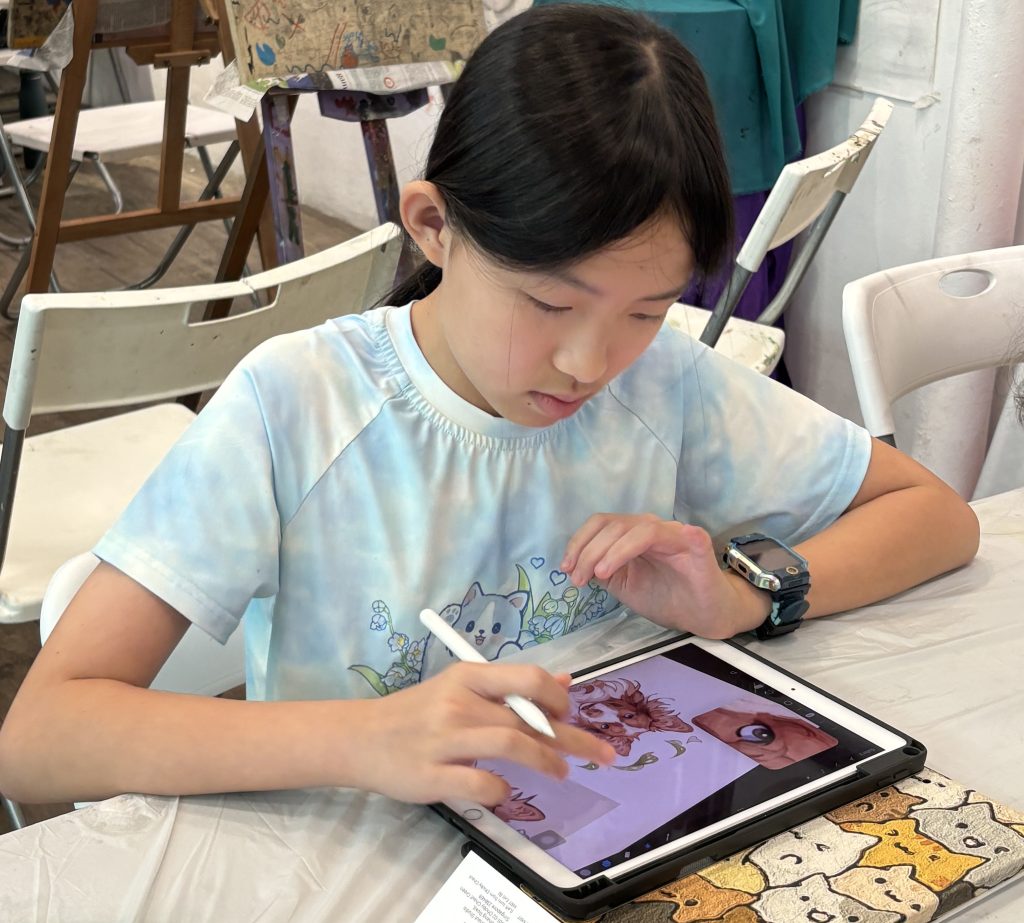
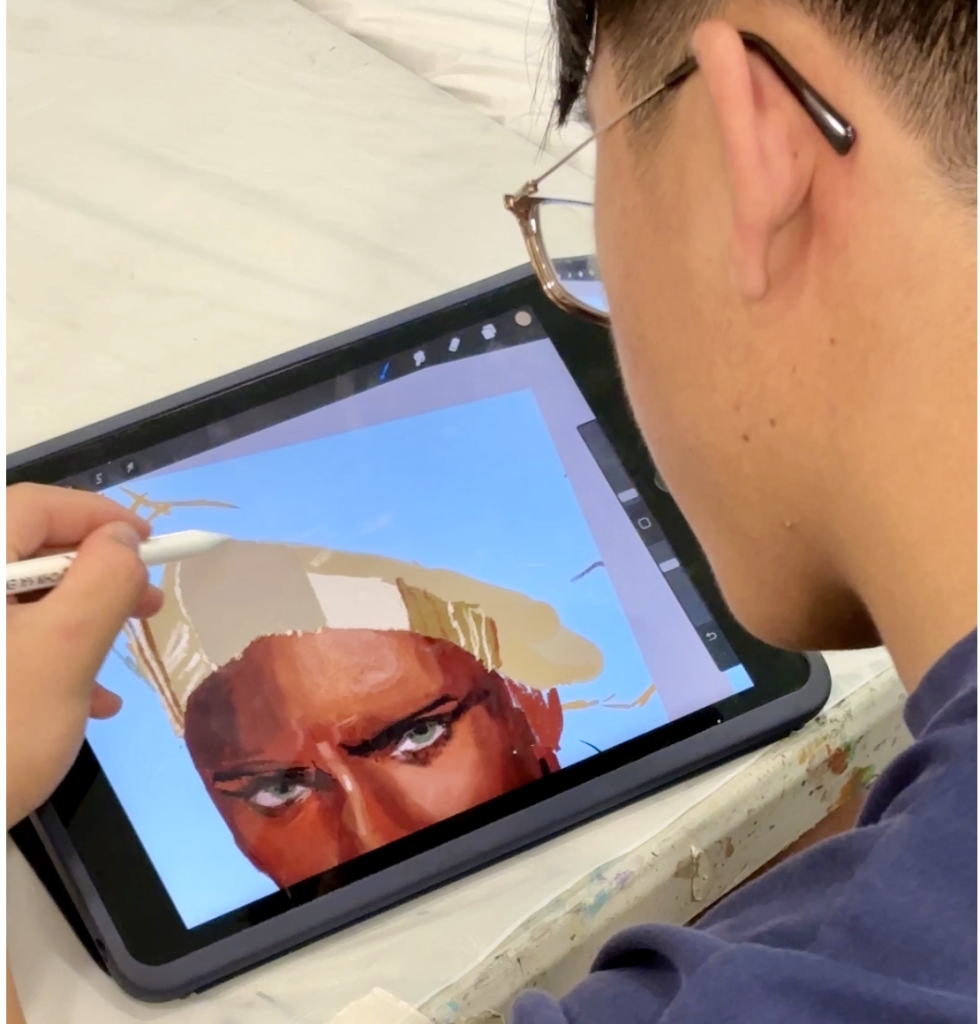
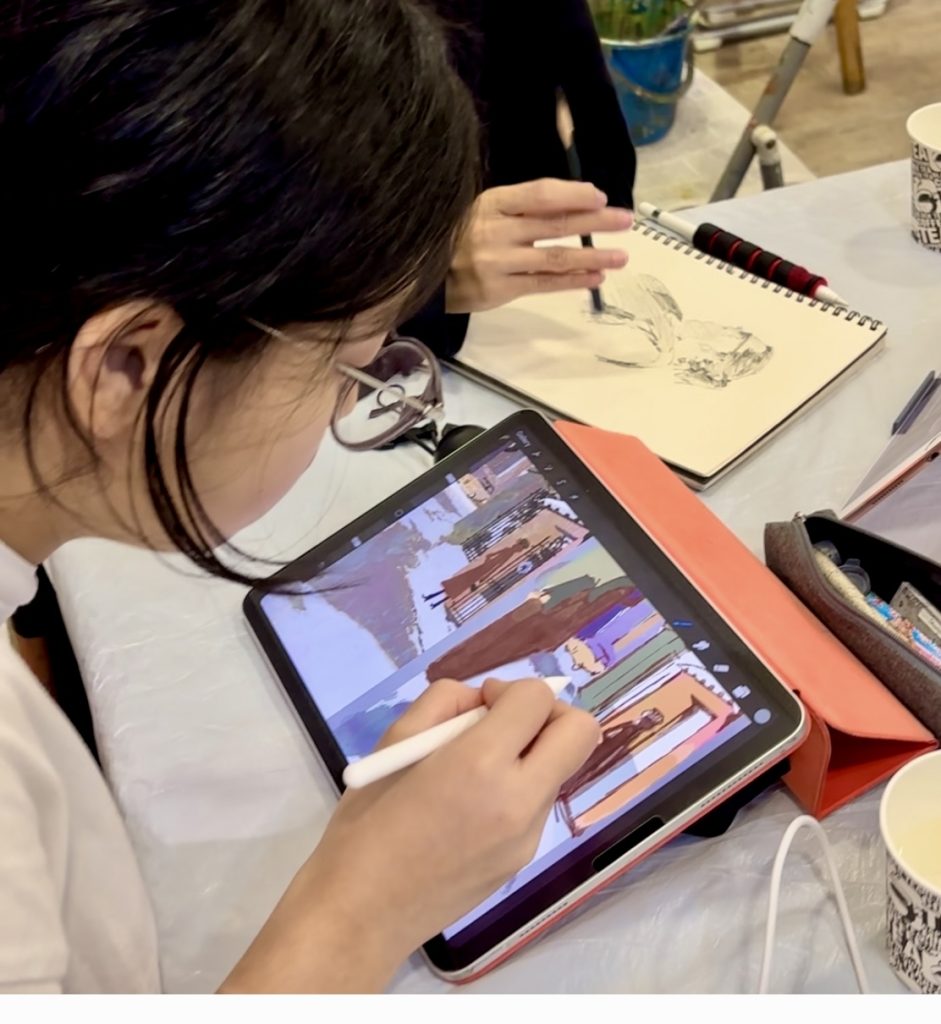
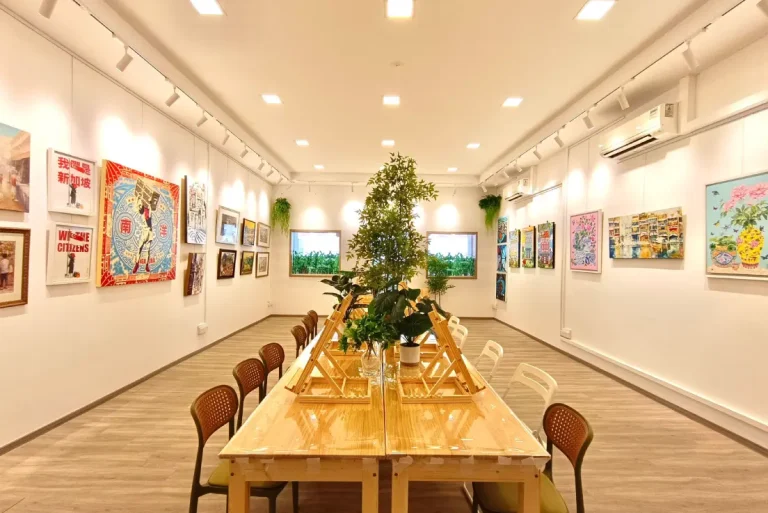
When a child over 7 enters the growing stage of imagination, the traditional limitations of pen and paper can no longer contain the amazing ideas in their minds. Digital art arrives at the perfect moment — opening a door to a limitless creative world. It offers a brand-new form of artistic expression that allows children to simultaneously develop logical thinking, aesthetic sensibility, and digital literacy, empowering both their present and their future.
For children and teens aged between 7 to 16 years old, the benefits of learning digital art have already gone far beyond “learning how to draw.” It becomes a journey of comprehensive ability development:
1) Releasing imagination and turning creativity into reality.
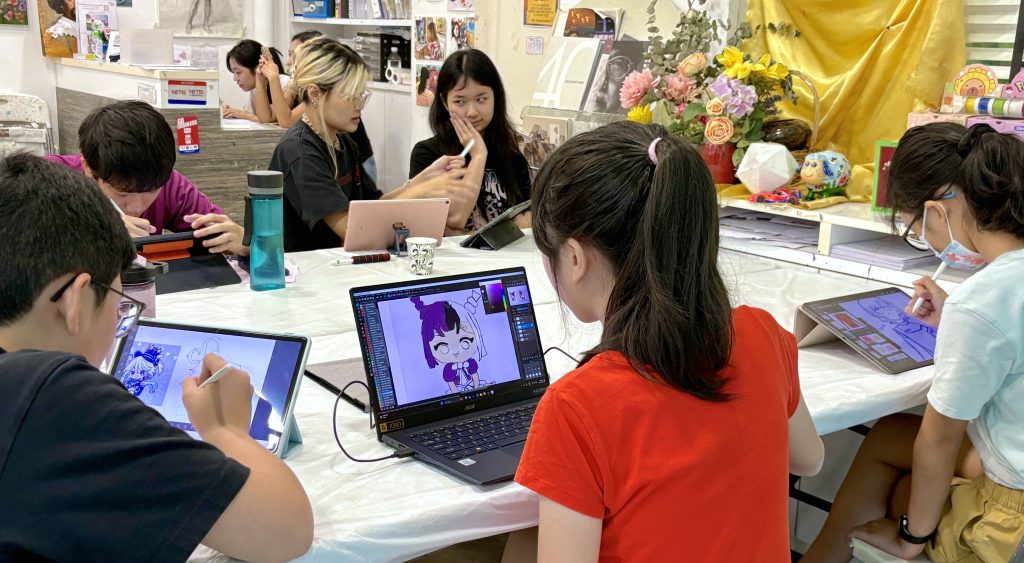
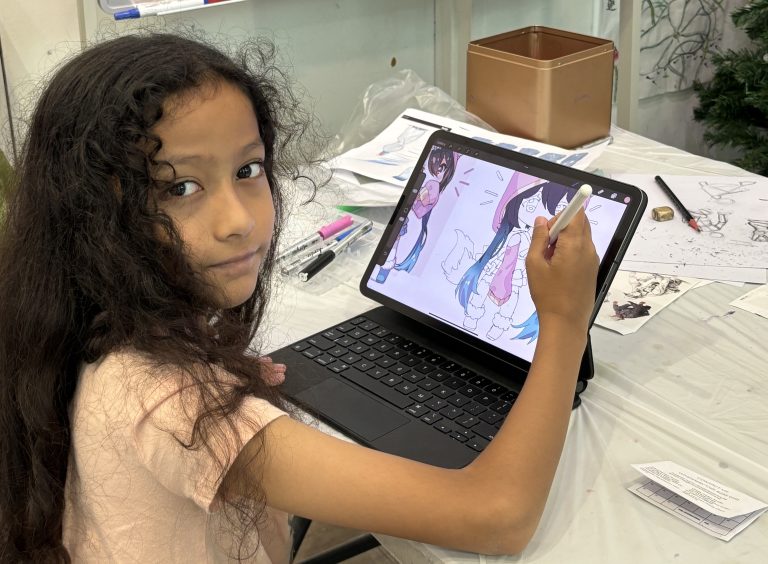
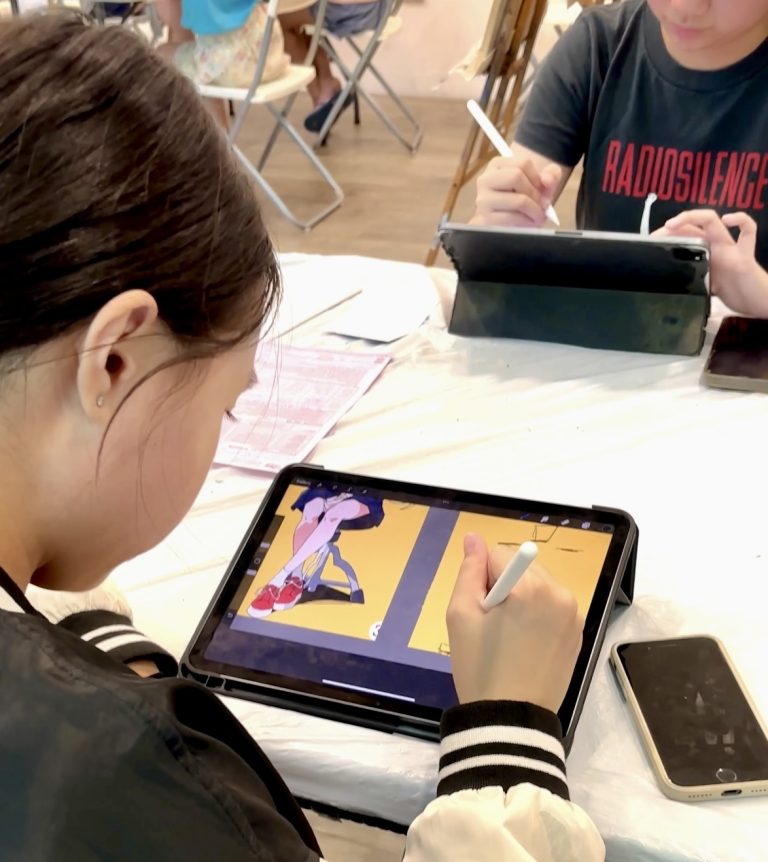
In this digital age where technology has taken over, new tools such as IPads (Procreate) have become a nrom providing limitless canvas space, rich brushes, and convenient editing tools, children no longer feel frustrated by “making a mistake,” nor are they limited by paper size or paint types. They can freely design anime characters, sci-fi worlds, or scenes from their daily life – every imaginative idea can be precisely expressed through digital tools.
2) Training logical thinking and focus.
From tablet control and software operation, to visual composition, contrast, lighting, and colour planning. Every step requires active thinking and decision-making. This not only builds hand-eye coordination but also develops focus, planning, and logical reasoning.
3) Developing digital literacy for future studies and careers.
Through digital art, children learn foundational professional software skills: a type of digital tool literacy that transfers into many areas of study and daily life, laying the groundwork for future academic pathways (e.g., design, animation) and professional development.
4) Building confidence and a sense of achievement
When children’s works are recognised and showcased, they gain a tangible sense of achievement and form healthy confidence, becoming more willing to express themselves.