
- About Us 关于我们
- Venue Hire 场地出租
- FAQ 常问问题
- Blog 博客
-
-
- Kids Art Jamming Birthday Party Workshops
- 艺术生日派对-DIY粘土主题
- Art Birthday Party with DIY clay
- Art Birthday Party with Tote bag painting 艺术生日派对-画托特包主题
- Birthday Party with t-shirt painting
- 艺术生日派对-画T恤衫主题
-
- Art Competition and Affordable Art Fair Workshops
- Children and Youth Art Competition 2025 – “Life in an AI-Era”
- (Embracing Nature) Children and Youth Art Competition
- Workshops & Fair Activities
-
- Artist Collections
-
-
- Aaron Gan 颜明正
- Adi Gunawan
- Ang Ah Tee 洪亚弟
- Anthony Chua Say Hua 蔡世华
- Aw Tee Hong 欢世鸿
- Boo Sze Yang 巫思远
- Chaichana Luetrakun
- Chan Shi Jin 陈士仅
- Chen Chong Swee 陈宗瑞
- Chen Wen Hsi 陈文希
- Cheong Soo Pieng 钟泗滨
- Chieu Shuey Fook 丘瑞福
- Choo Keng Kwang 朱庆光
- Choy Weng Yang 蔡荣恩
- Chua Ek Kay 蔡逸溪
- Chua Mia Tee 蔡名智
- Coplu
- Eng Siak Loy 翁锡礼
- Eric Koh Leep Chee 许立志
- Fan Chang Tien 范昌乾
-
- Fan Shao Hua 范少华
- Fernando Botero
- Foo Chee San 符致珊
- Gao Xing Jian
- Georgette Chen 張荔英
- Gog Sing Hooi 吴承惠
- Goh Beng Kwan 吴珉权
- Goh Chiew Lye 吴秋來
- Grace Chen Liang
- Henri Chen Ke Zhan 陈克湛
- Ho Ho Ying
- Ho Kah Leong 何家良
- Ho Ming Leung 何明亮
- Hong Sek Chern 洪雪珍
- Hong Zhu An
- I Nyoman Gunarsa
- Jung Kwang Sik
- Kang Hai Eng 康海英
- Koeh Sia Yong 许锡勇
- Lai Kui Fang 赖桂芳
-
- Lee Boon Wang 李文苑
- Lee Gil Rae
- Lee Hock Moh 李福茂
- Lee Jung Woong
- Lee Lee Nam
- Leo Hee Tong 梁其栋
- Li Chen 李真
- Lim Leong Seng 林龙成
- Lim Tze Peng 林子平
- Ling Cher Eng 林子影
- Liu Kang 刘抗
- Liu Kuo-Sung 刘国松
- Lloyd Zhao Hong 赵宏部分
- Low Puay Hua 劉培和
- M. Suriyamoorthy
- Ma Shuang Lu 马双禄
- Mo Ni 莫尼
- Mohammad Din Mohammad
- Nai Swee Leng 赖瑞龙
- Naidee Changmoh
-
-
- Contact Us 地址
- Chinatown Art Gallery & Studio
- Press
- 狮城五画家联展 丹青各有韵 笔墨自成章
- Over S$30 million in SG Culture Pass credits used; new portal to help seniors access cultural outings
- Veteran Painter Christine Mak Raises Funds for Bt Baf with Never-before-seen Artworks
- Catch Dance Shows by Barrowland Ballet and Akram Khan at Esplanade’s March On festival
- 他们从这里出发 20艺术家重返摩士街20B
- “Welcome Home!” Exhibition at Visual Arts Centre Mentioned in The Straits Times
- For small players, SG Culture Pass a 'valuable kickstarter' – but sustaining interest is the real art
- How to use SG Culture Pass credits from Sept 1: Choose from over 400 events such as shows, workshops
- SG Culture Pass: Sneak peek at where you can spend your $100 credit
- SG Culture Pass Starting 1 Sept 2025: What You Can Book With Your $100 Credits
- 无常无畏办漫画展 无语交出人生成绩单
- Art Courses 艺术课程
- Art Courses 艺术课程
-
-
- Private One-to-One 1对1私人课Portfolio Preparation Course (DSA/Diploma/Tertiary)
-
Art Courses
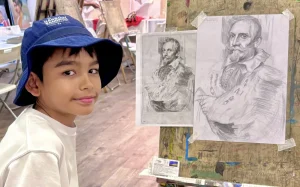
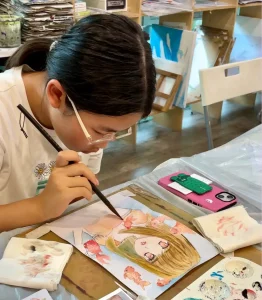
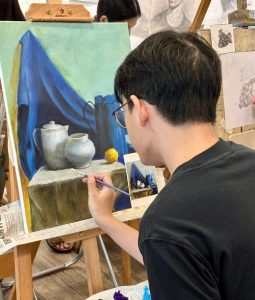
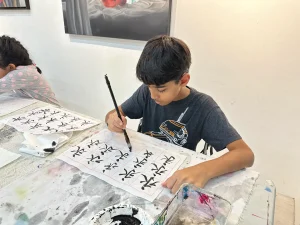
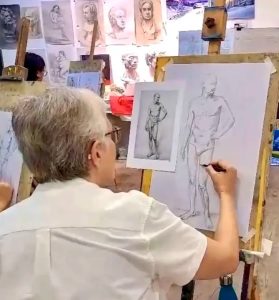
Visual Arts Centre provides professional art courses suitable for art learners of all ages and experiences. Art courses include Drawing and Sketching, Acrylic Painting, Watercolour Painting, Chinese Ink Painting, Creative Kids Art Immersion Course, Private Art Classes and Portfolio Preparation Art Course, Nude Life Drawing, Portrait Drawing course and others.
-
- Featured Courses
- Private One-to-One 1对1私人课
- Portfolio Preparation Course (DSA/Diploma/Tertiary)
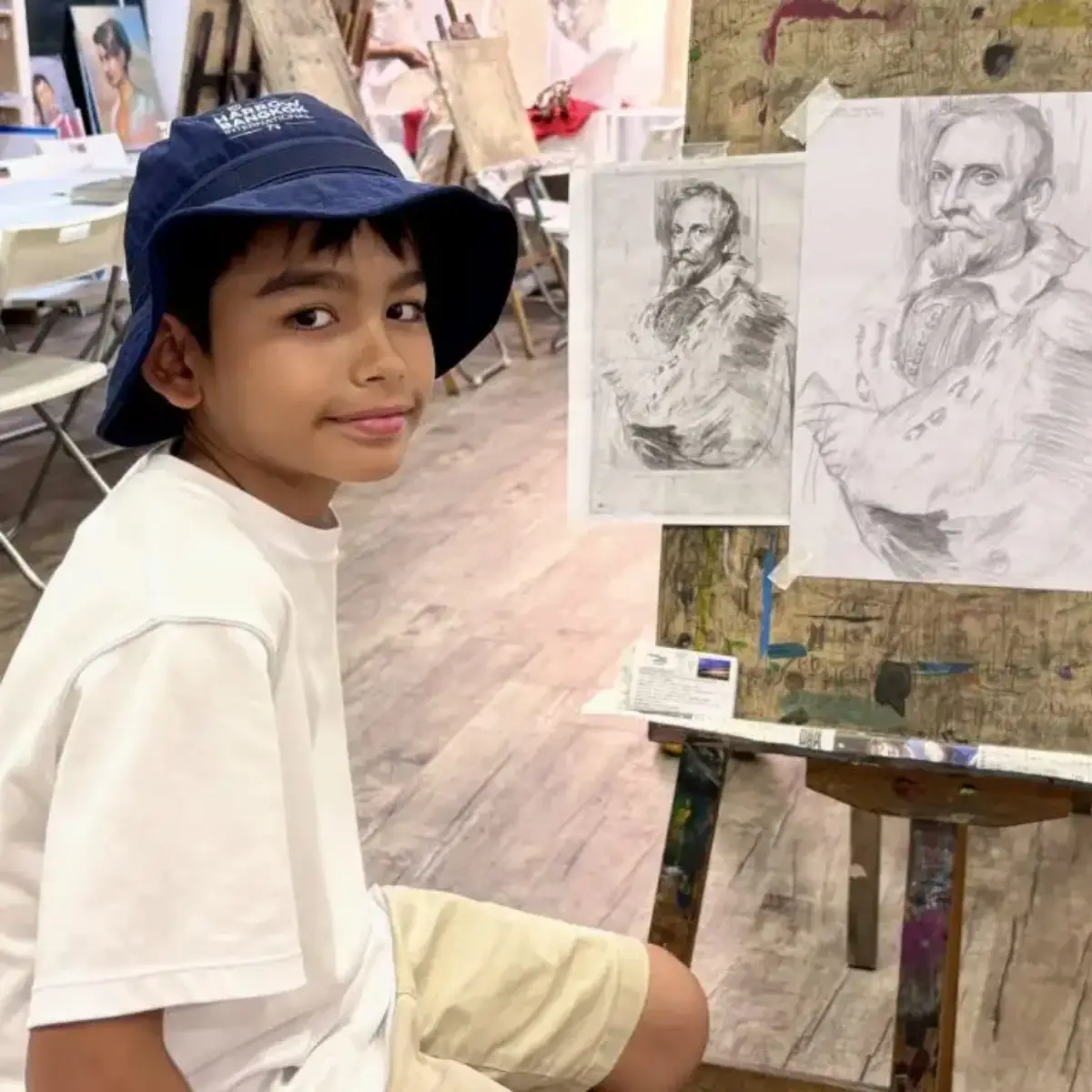
- Drawing & Sketching Course 素描课程
- Acrylic Painting Course 丙烯画课程
- Watercolour Painting Course 水彩画课程
- Art Immersion 3 Medium Course 综合媒介绘画课 [Popular]
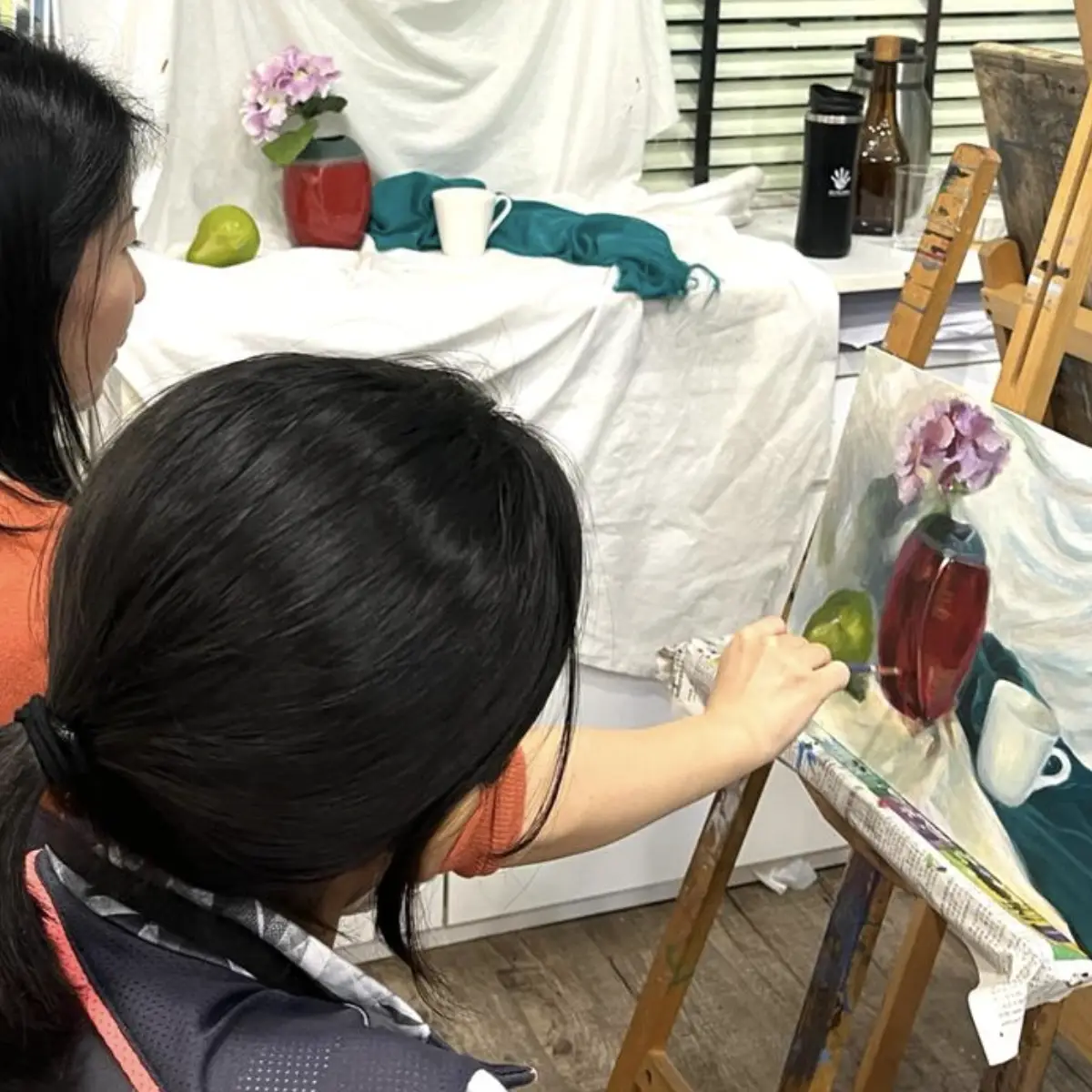
- Oil Painting Course 油画课程
- Chinese Calligraphy 书法
- Chinese Ink Painting Course 水墨绘画课程
- Chinese Calligraphy and Ink Painting Course
- Drawing & Sketching
- Acrylic Painting
- Watercolour Painting
- Art Immersion 3 Mediums Course *Most Popular!
- Oil Painting
- Chinese Ink Painting
- Chinese Calligraphy
- Urban Sketching
- Digital Drawing & Painting
- Nude Life Drawing
- Private
- Professional 3Med Art Masterclass
- Senior Drawing & Sketching
- Senior Art Immersion 3 Mediums Course *Most Popular!
- Senior Acrylic Painting
- Senior Watercolour Painting
- Senior Oil Painting
- Senior Chinese Ink Painting
- Senior Chinese Calligraphy
- Senior Outdoor Urban Landscape Sketching
- Senior Digital Drawing & Painting
- Senior Nude Life Drawing or Art of Anatomy
- Senior Interior Design & Freehand Rendering Art Class
- Senior Private Art Class
-
- Specialised Art Courses
- Architectural Illustration 建筑插画
- Fashion Illustration Art Course 服装插画
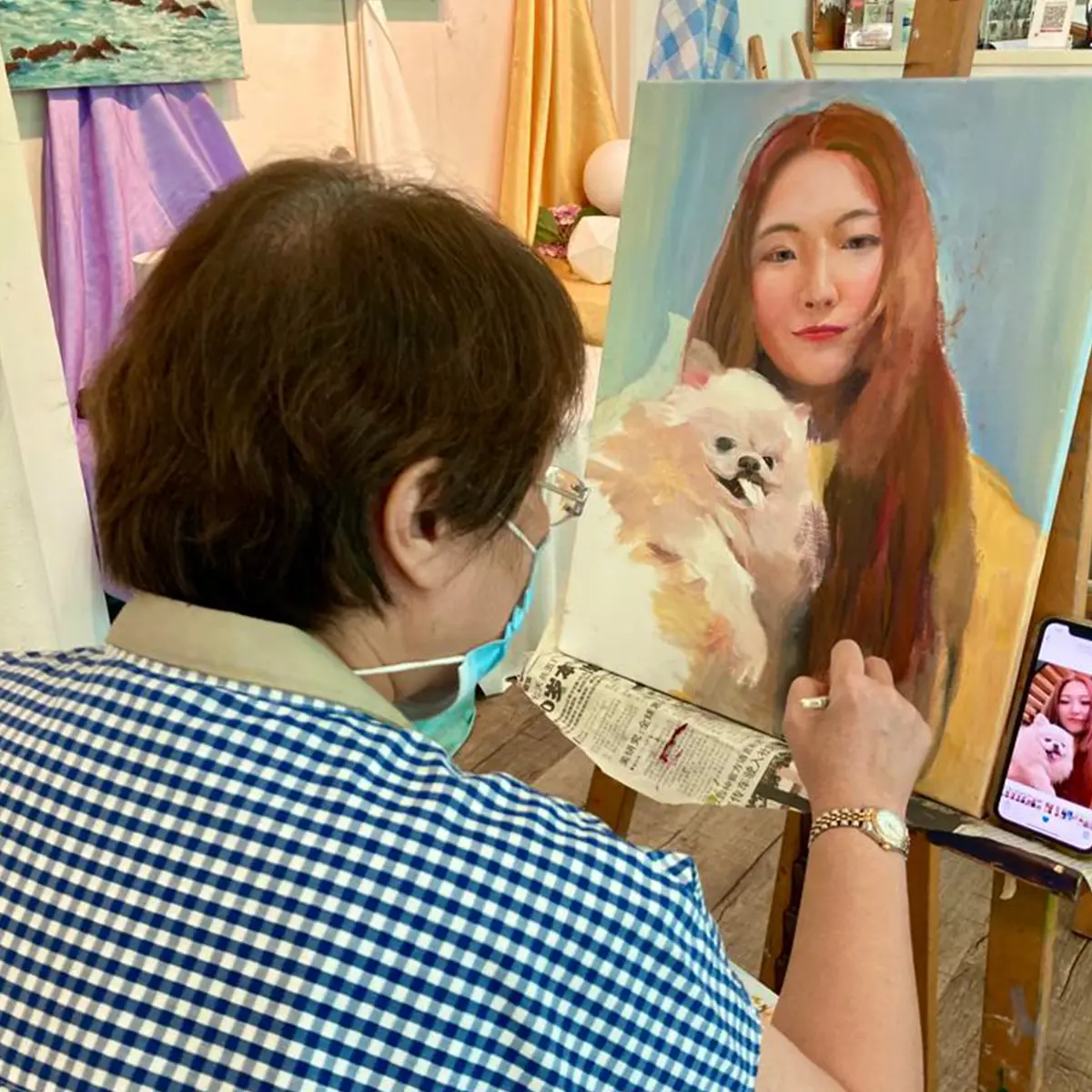
- Pet Portrait & Animal Drawing & Painting Art Course
- Chinese Hard Pen Calligraphy Art Course 硬笔书法
- Japanese Calligraphy
- Caricature Art - Drawing & Painting
- Manga Course 漫画
- Interior Design & Freehand Rendering Course 专业室内设计和设计图手绘
- Urban Sketching
- Graffiti Spray Painting Course 涂鸦
- Henna Art Course
- Nude Life / Portrait Drawing with Artist Guidance Workshop
- One-to-one Private Art Classes 一对一私人课程
- Specialised Art Course - Digital Art
- Professional Manga Course
- Digital Art Drawing & Painting Art Course for Beginners
- Professional Digital Art Drawing & Painting Course 数码绘画课程
- Traditional & Digital Course 插画课程
- Traditional Drawing + AI Art Creation Course
- Professional Illustration Course (Traditional & Digital)
- Professional Graphic Design & Graphic Art Illustration Course 平面插画设计课程
- Portfolio Preparation Art Courses
- DSA (DSA-Sec & DSA-SOTA)
- SOTA
- AEP/EAP
- O-level, A-level
- Tertiary
- Drawing and Sketching
- Acrylic Painting
- Watercolour Painting
- Manga Drawing and Coloured Illustration
- Digital Drawing and Painting
- Art Immersion 3 Medium Course
- One Day Art Camp
- One-to-one Private Art Course
- Drawing and Sketching
- Acrylic Painting
- Watercolour Painting
- Manga Drawing and Coloured Illustration
- Digital Drawing and Painting
- Art Immersion 3 Medium Course
- One Day Art Camp
- One-to-one Private Art Course
- Master Class
- Art Masterclass with International Art Master in Singapore
- Ong Kim Seng Watercolour Art Master Class
- Fan Shao Hua Master Class
- Character Design & Animation Masterclass
-
- Kids Art Courses
- Creative Kids Art Immersion Course 儿童创意绘画课程
- Art Immersion 3 Medium (Most Popular)
- Drawing & Sketching
- Acrylic Painting
- Line Drawing with Watercolour Painting
- Manga Drawing & Coloured Illustration
- Creative Drawing & Painting
- Chinese Ink Painting & Calligraphy
- Air Dry Clay Modelling
- Art Immersion 3 Medium (Most Popular)
- Drawing & Sketching
- Acrylic Painting
- Line Drawing
- Watercolour Painting
- Manga Drawing & Coloured Illustration
- Creative Drawing & Painting
- Chinese Ink Painting & Chinese Calligraphy
- Urban Sketching
- Digital Art - Drawing & Painting
- Digital Art & Manga Coloured Illustration
- Digital Art - Character Costume Design
- DSA (Visual Arts) Art Portfolio Preparation (Process)
- Art Immersion 3 Medium (Most Popular)
- Drawing & Sketching
- Line Drawing
- Acrylic Painting
- Watercolour Painting
- Art Immersion 3 Mediums
- Manga Drawing & Coloured Illustration
- Digital Art - Character Costume Design
- DSA (Visual Arts) Art Portfolio Preparation (Process)
- Interior Design & Freehand Rendering Art Class
- Private Art Class
-
-
-
-
- Workshops & Events 工作坊与团建
- Workshops & Events 工作坊与团建
-
-
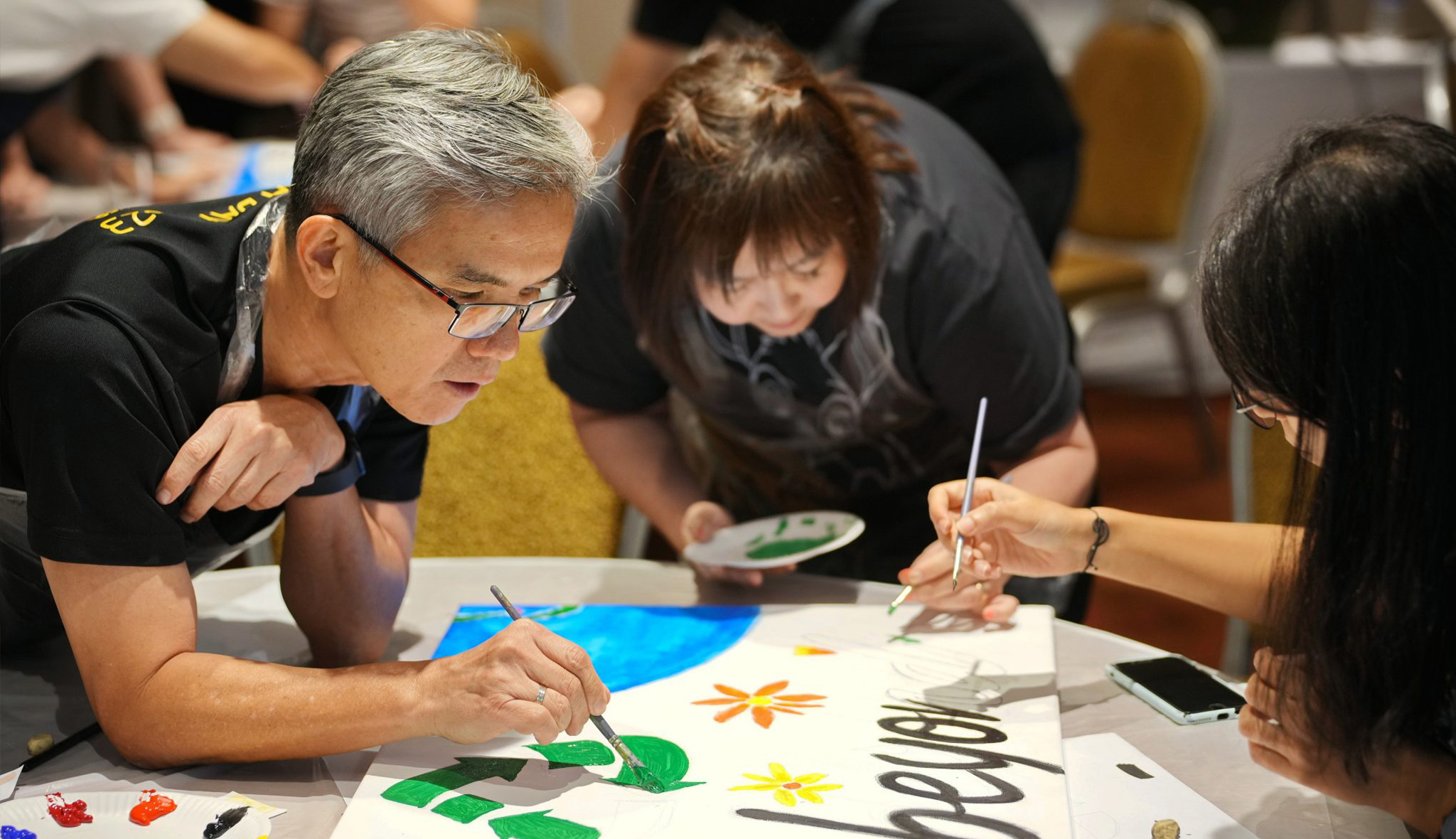 Acrylic Painting on Canvas Team Bonding Art Jamming Singapore Visual Arts CentreAcrylic Painting on Canvas Team Bonding Art Jamming Singapore Visual Arts Centre
 Batik Handkerchief Painting Team Bonding Art Jamming Singapore Visual Arts CentreBatik Handkerchief Painting Team Bonding Art Jamming Singapore Visual Arts Centre
 Chinese Ink Painting and Calligraphy Team Bonding Art Jamming Singapore Visual Arts CentreChinese Ink Painting and Calligraphy Team Bonding Art Jamming Singapore Visual Arts CentreGraffiti Spray Painting on Canvas Team Bonding Art Jamming Singapore Visual Arts CentreGraffiti Spray Painting on Canvas Team Bonding Art Jamming Singapore Visual Arts Centre

 Outdoor Urban Landscape Sketching Team Bonding Art Jamming Singapore Visual Arts Centre.Outdoor Urban Landscape Sketching Team Bonding Art Jamming Singapore Visual Arts Centre.
-
Art Workshops & Events
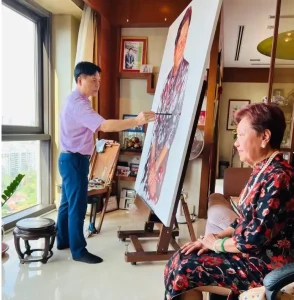
Visual Arts Centre offers regular themed art workshops as well as our most popular Team Bonding Art Jamming, Family Day Bonding Art Workshops and various customised creative workshops and art events throughout the year.
-
- Team Bonding Programmes
- Team Building Art Jamming
- Art Jamming Team Bonding Catalogue
- Team Bonding Art Jamming (Fully guided & art materials provided!)
- Others
- Mental Health Wellness
- Live Wedding Painting
- Student's Arts & Culture Programmes
- Hotel Gala Dinner and D&D
- Hen's Night/ Bachelorette Party
- Art Competition
- 2025 Art Competition Open for Registration!
- 2025新加坡“AI时代的梦想”儿童与青少年绘画大赛开始报名!
- Overseas Art Journeys & Tours
- Manila Unframed Learning Journey
- Bangkok Learning Journey
- Art Tour
- Manila Unframed - A 5D4N Curated Creative Learning Journey led by Jeffrey Say
-
- Themed/Festival Celebration
- Chinese New Year
- Valentine Day
- International Women Day
- Easter Day
- Labour Day
- Mother's Day
- Father Day
- Hari Raya
- National Day
- Racial Harmony Day
- Deepavali
- Christmas
- Int'l Students Art & Cultural Exchange Program
- 2-2.5H Art Course or Art Workshop
- Art Exhibition and Art competition
- Workshop Completion Certificate
- Guided sight seeing (art school tour and gallery, museum tour)
- Ongoing Art Workshops
- Acrylic Landscape Painting for Beginners
- Batik Painting
- Batik Tjanting Painting
- Nanyang-style Peranakan Tile Painting
- Botanical Postcard Design & Painting with Watercolour Illustration
- Urban Sketching – Singapore Shophouse with Watercolour Painting
- Chinese Idioms & Calligraphy Writing
- Chinese Ink Painting
- Sculpture Making of Figurines
- Chinese Paper Cutting & Handicraft Making (Traditional)
- Traditional Drawing + AI Art Creation Experience
- Digital Drawing & Painting
- Manga Drawing
- Marquage Leather Painting
- Caricature Portrait Drawing
-
- Kids Birthday
- Themed Acrylic Painting Art Jamming
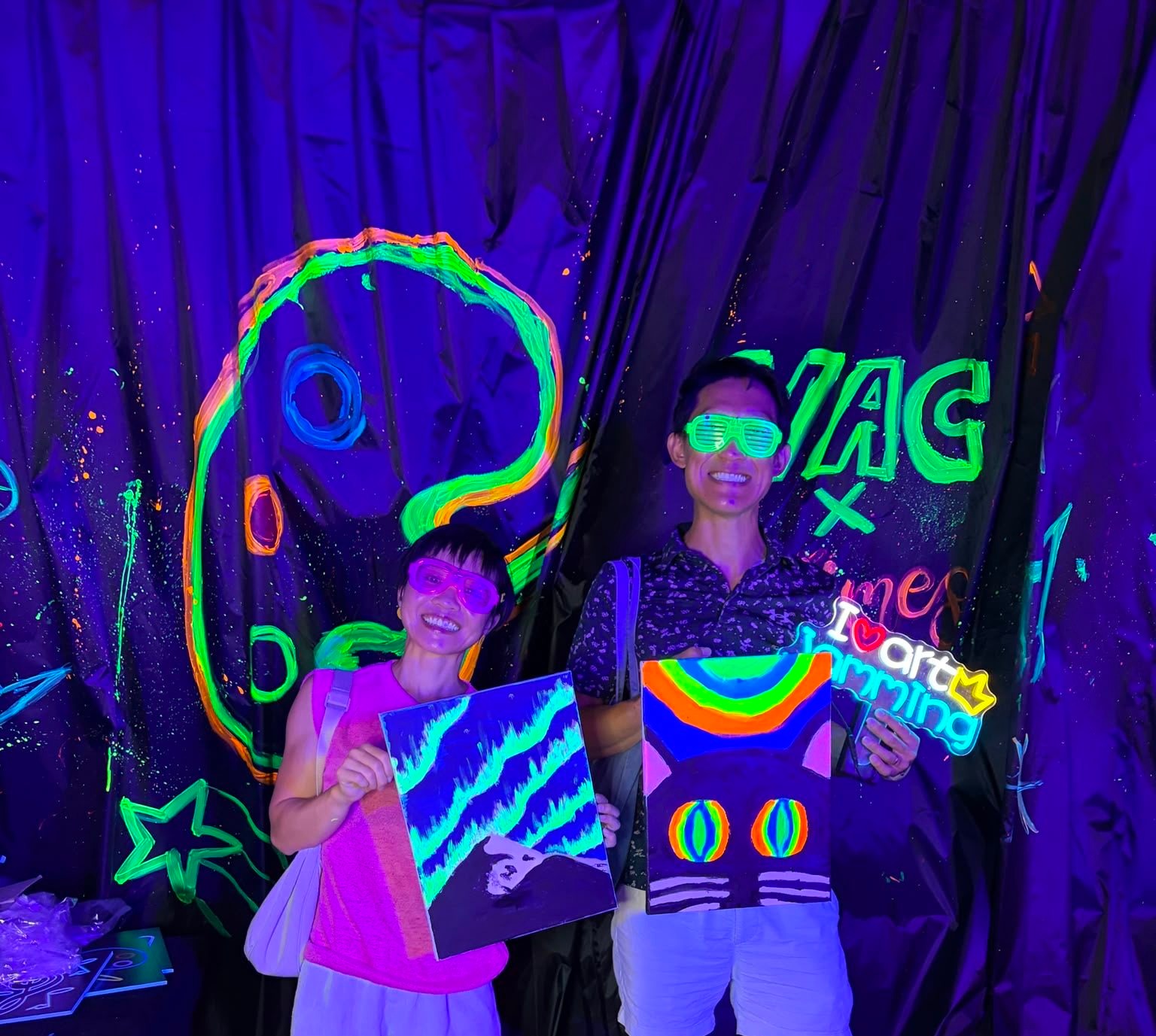
- Neon Glow Art Jamming & Face Painting
- Graffiti Spray & Paint Birthday Bash
- Manga Character Badge Making Workshop
- Tote Bag Painting
- Tile Painting
- Marquage Notebook Painting & Journaling Workshop
- Collage & Texture Art Workshop
- Caricature Drawing Workshop
- Sticker Making Workshop - Birthday Party
- Air-Dry Clay Moulding Birthday Party
- T-Shirt Painting Birthday Workshop
- Batik Tote Bag Painting Birthday Workshop
- Pokemon Design & Paint Birthday Workshop
- Flower Universe - Dried Flower Artwork Design
- SG Culture Pass Art Workshops
- Caricature Drawing Workshop
- Introduction to Digital Art Workshop
- An Introduction To Chinese Ink Painting Workshop – Tropical Fruits & The Nanyang School
- Still Life Drawing and Sketching Workshop
- Batik Tote Bag Workshop
- Acrylic Landscape Painting Art Workshop For Beginners
- Botanical Watercolour Painting For Beginners
- Marquage Leather Painting Workshop
- Batik Painting Workshop
- Colourful Expressions – Abstraction & Texture Workshop
- Couplet Writing Workshop
- Chinese Calligraphy Writing Worksho
- Urban Sketching Workshop – Multiple Locations
- The Art of Anatomy
-
- Venue Hire 场地出租
- Venue Hire 场地出租
-
-
- Dhoby Ghaut Exhibition Gallery
 Dhoby Ghaut Exhibition GalleryAcrylic Painting on Canvas Team Bonding Art Jamming Singapore Visual Arts Centre
 Chinatown Studio & Gallery
-
Venue Hire
The Exhibition Gallery is a modern glasshouse exhibition gallery space for hire of 190square metres at Dhoby Ghaut Green, centrally located in Singapore. Chinatown Art Gallery & Studio is 1000 sqft space brightly lit and fully equipped space for hire for meetings, workshops and various functions and gatherings.
-
- Exhibitions 展览
- Exhibitions 展览
-
-
-
Exhibitions
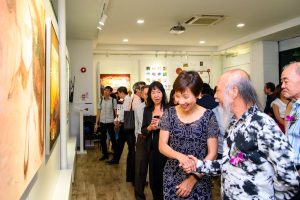
Upcoming and Past Exhibitions of a range of offerings; from art exhibitions to fashion shows and pop-up fairs
-
- Venue Hire (Only)
- Visual Arts Centre - Dhoby Ghaut
- VAC Chinatown Gallery & Studio
-
-
- Art Collection 作品收藏
- Art Collection 作品收藏
-
-
-
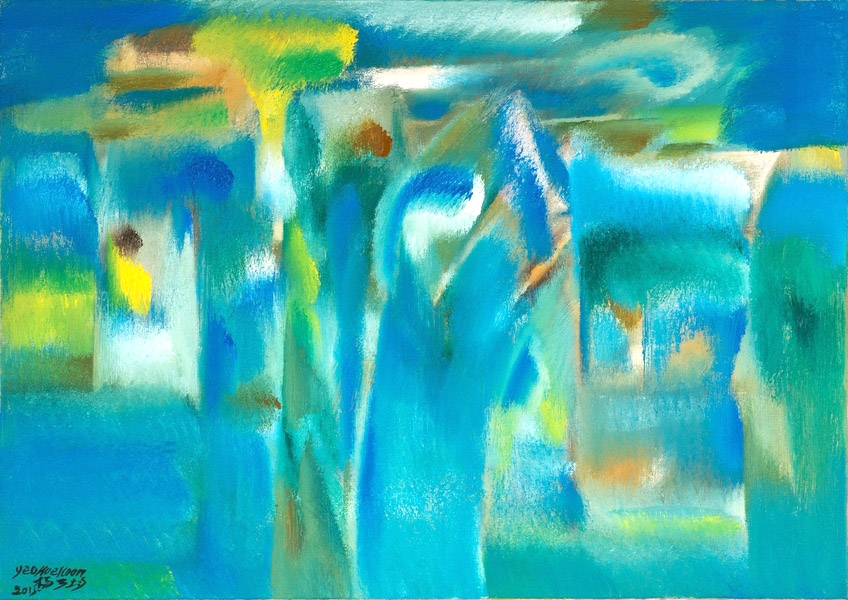
Yeo Hoe Koon
Oil on Canvas
64 x 89.5 cm
Price Range: $16,000 - $20,000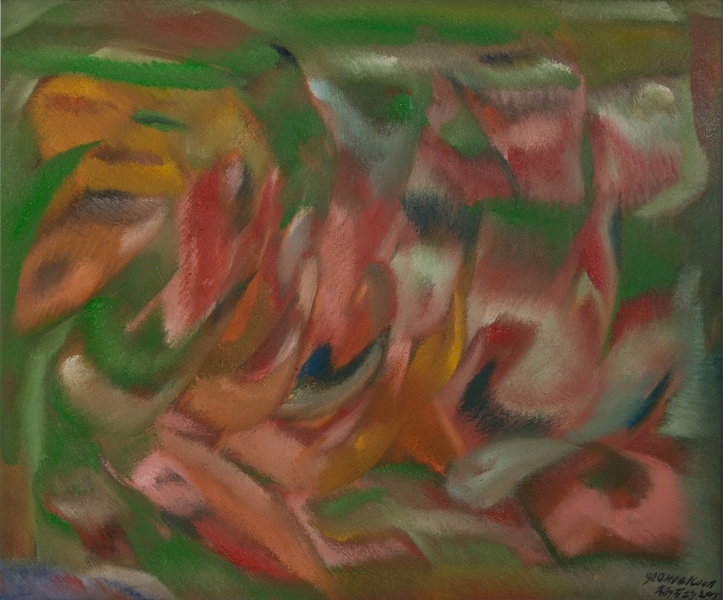
Yeo Hoe Koon
Oil on Canvas
101 x 123 cm
Price Range: $26,000 - $32,000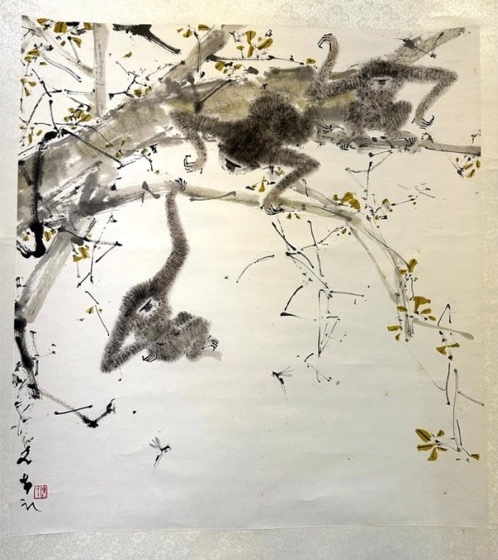
Chen Wen Hsi
Chinese Ink and Color on Paper
50 x 54cm
Price Range: SGD $42,000 - $50,000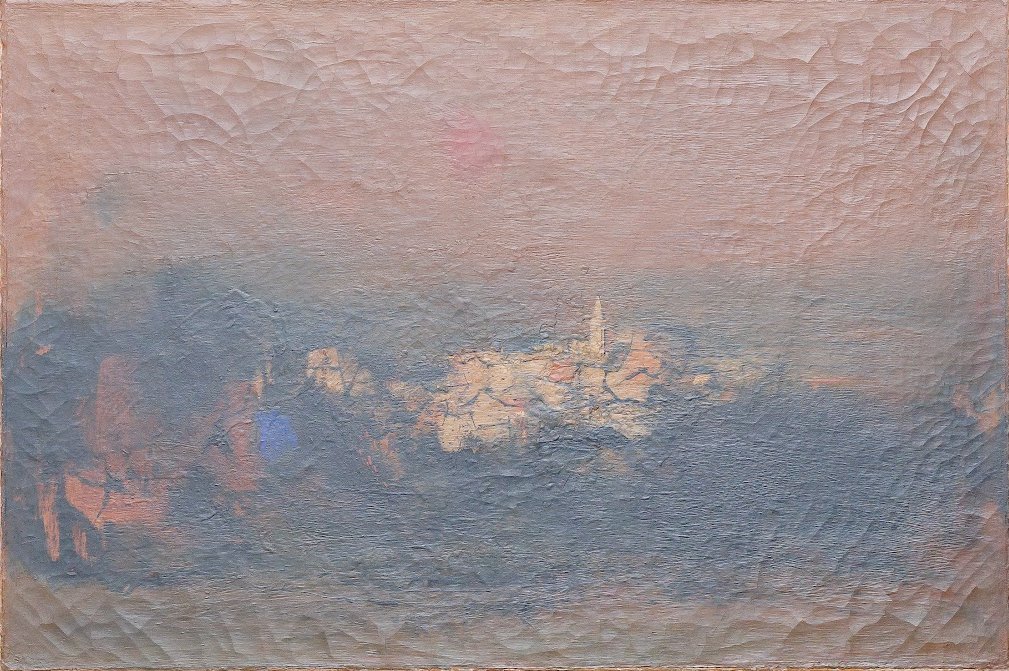
Cheong Soo Pieng
Red Tone
61 x 91.5cm
Price Range: SGD $108,000 - $138,000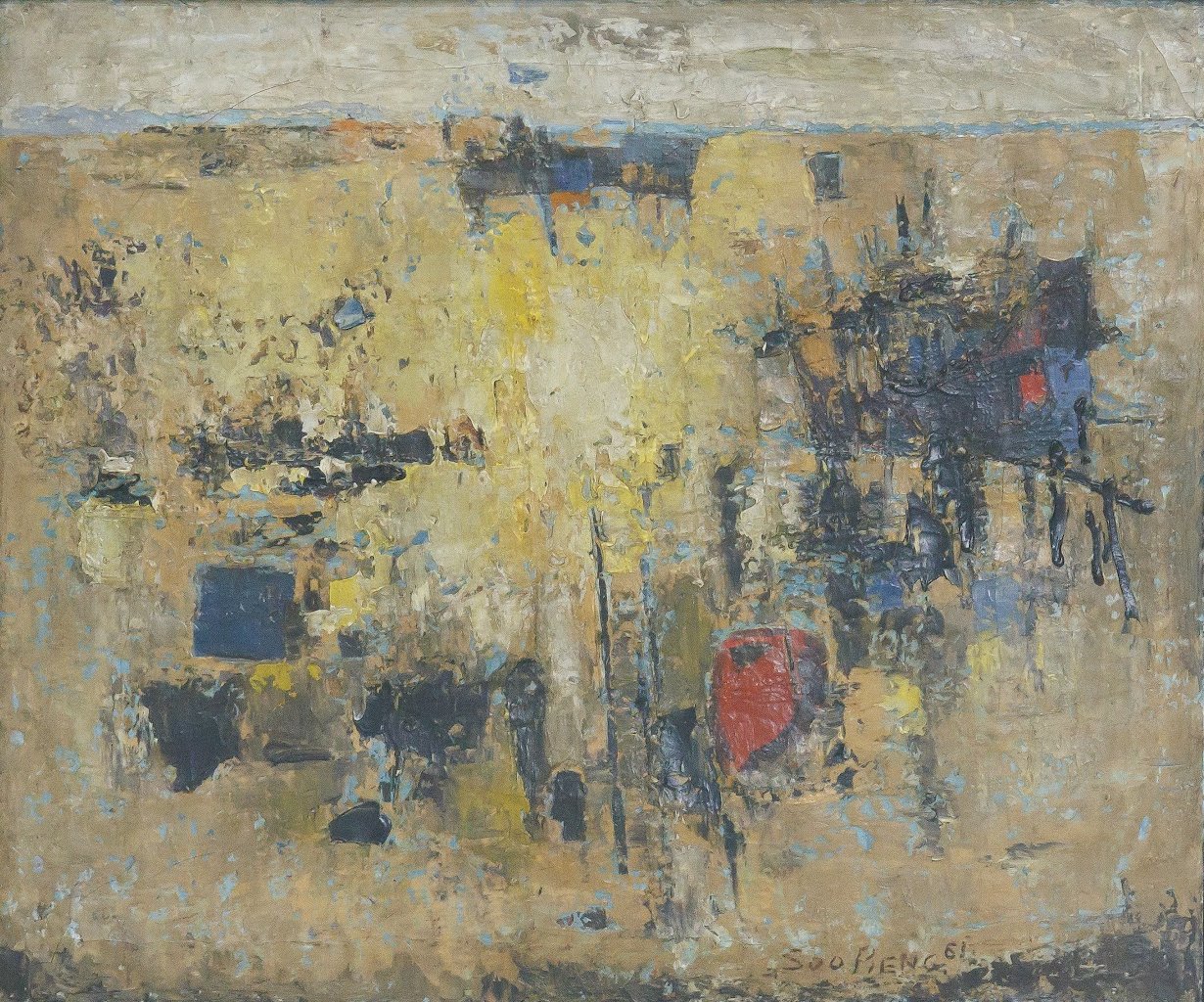
Cheong Soo Pieng
Abstract Landscape
50 x 61cm
Price Range: SGD $95,000 -$128,000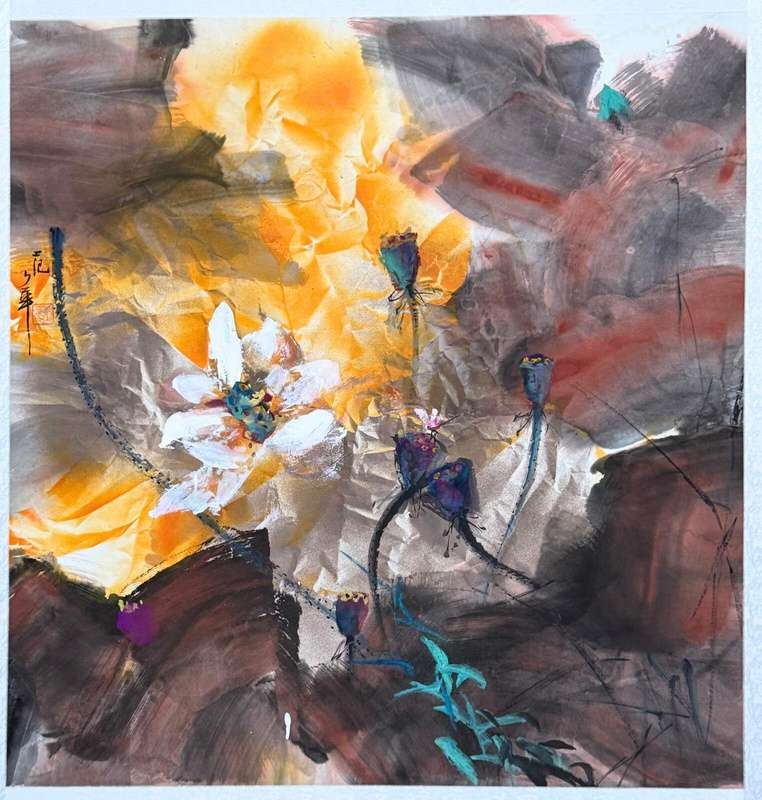
Fan Shao Hua
Chinese Ink and Colour on Paper
100 x 100cm
Price Range: SGD $9,800 - $14,800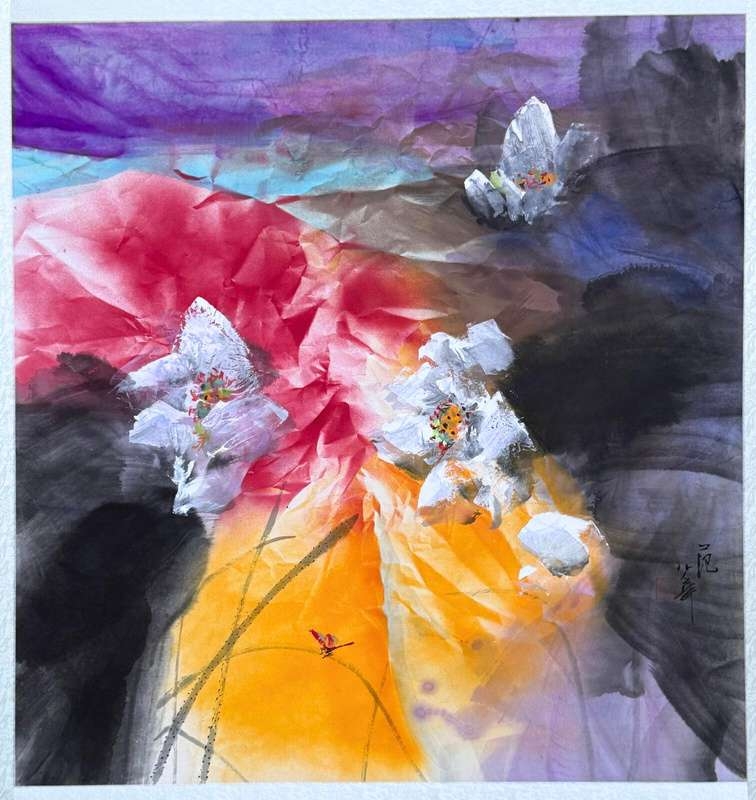
Fan Shao Hua
Chinese Ink and Colour on Paper
100 x 100cm
Price Range: SGD $8,800 - $13,800
-
-
Art Collection
Collect and invest in works of famed artists situated both locally and internationally
-
-