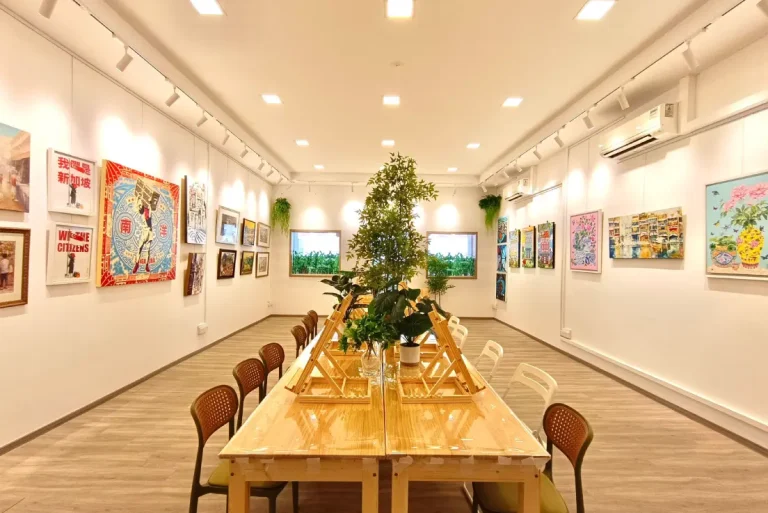
Acrylic Painting on Canvas Team Bonding Art Jamming Singapore Visual Arts Centre


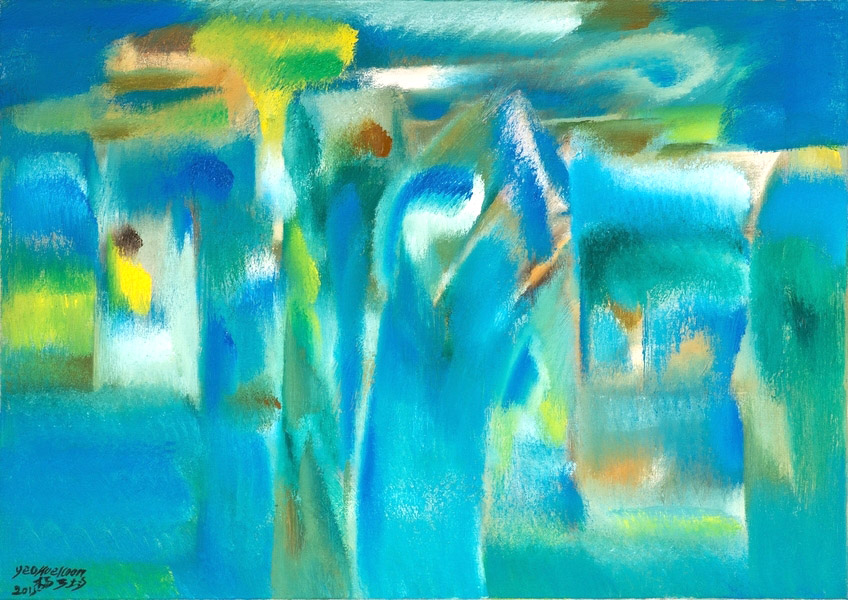
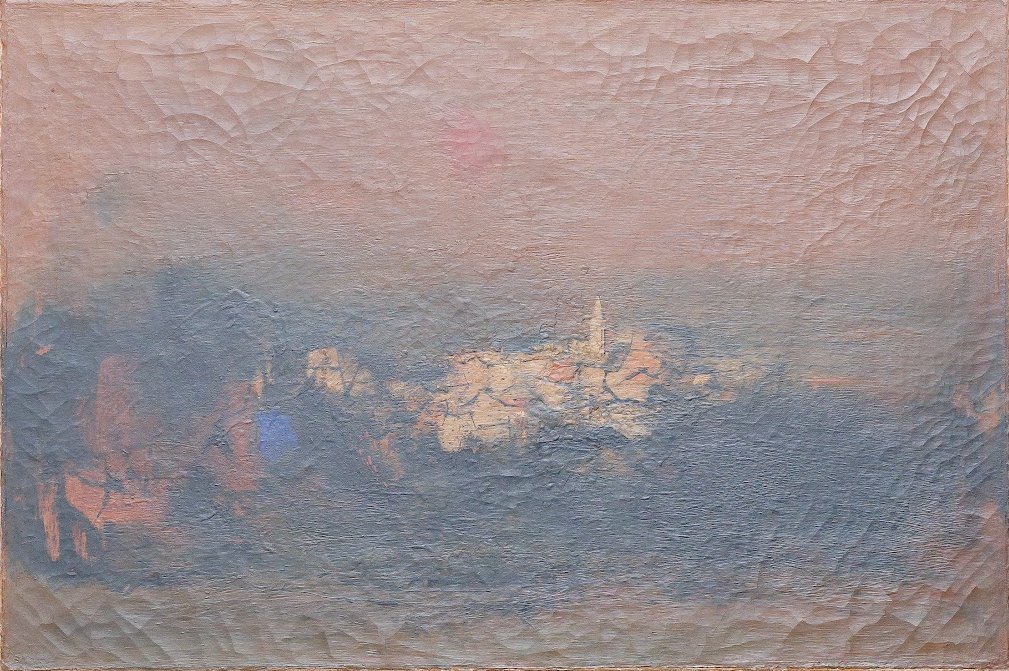
Yeo Hoe Koon
Oil on Canvas
64 x 89.5 cm
Price Range: $16,000 - $20,000
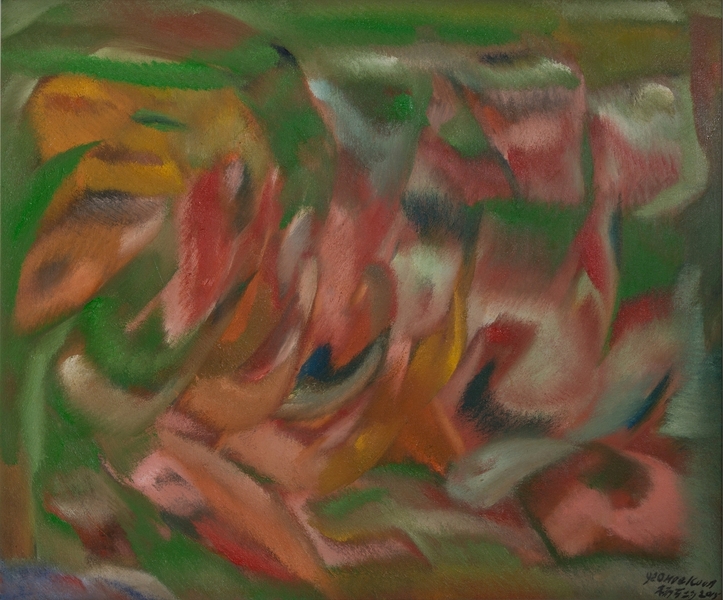
Yeo Hoe Koon
Oil on Canvas
101 x 123 cm
Price Range: $26,000 - $32,000
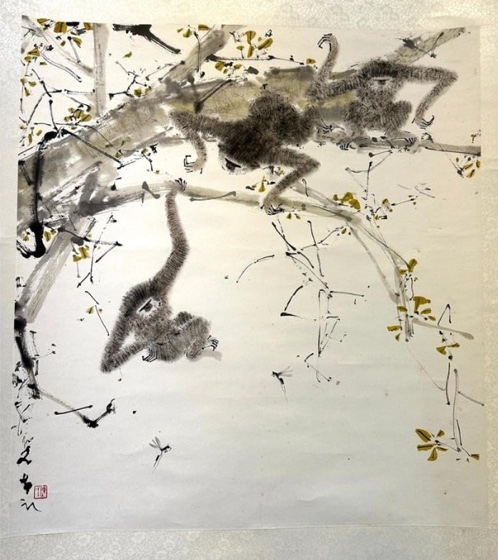
Chen Wen Hsi
Chinese Ink and Color on Paper
50 x 54cm
Price Range: SGD $42,000 - $50,000
Cheong Soo Pieng
Red Tone
61 x 91.5cm
Price Range: SGD $108,000 - $138,000
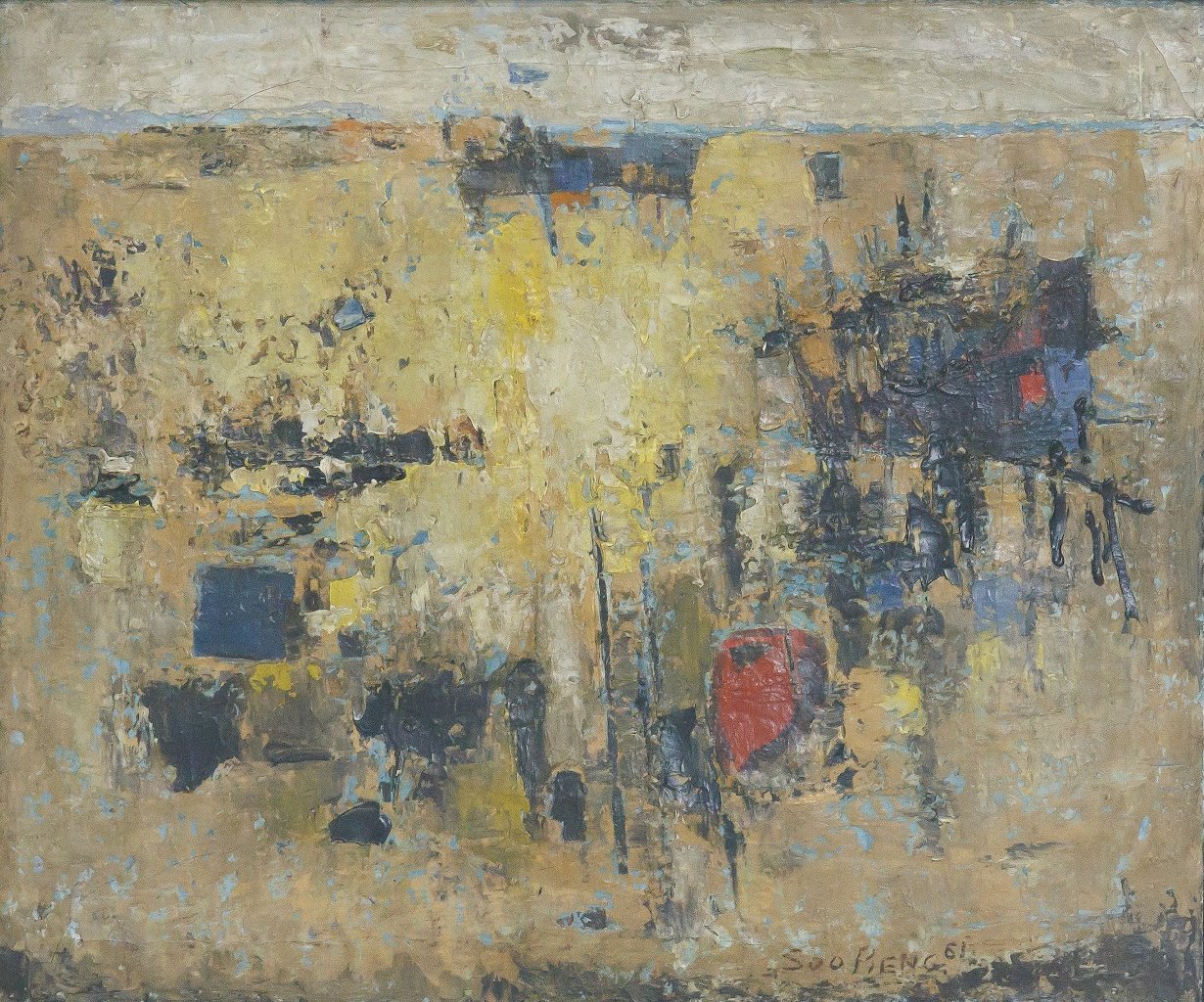
Cheong Soo Pieng
Abstract Landscape
50 x 61cm
Price Range: SGD $95,000 -$128,000
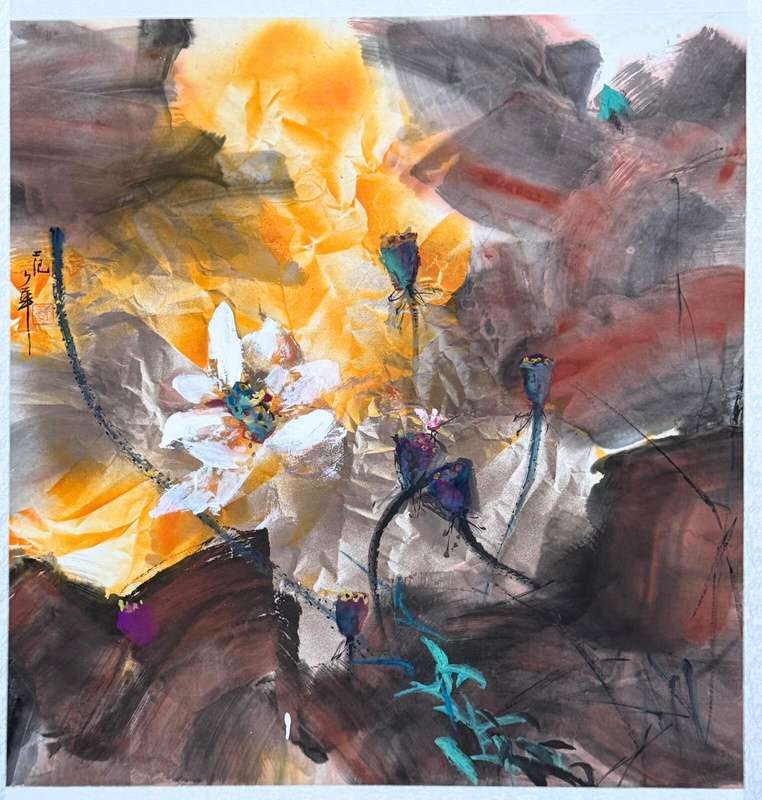
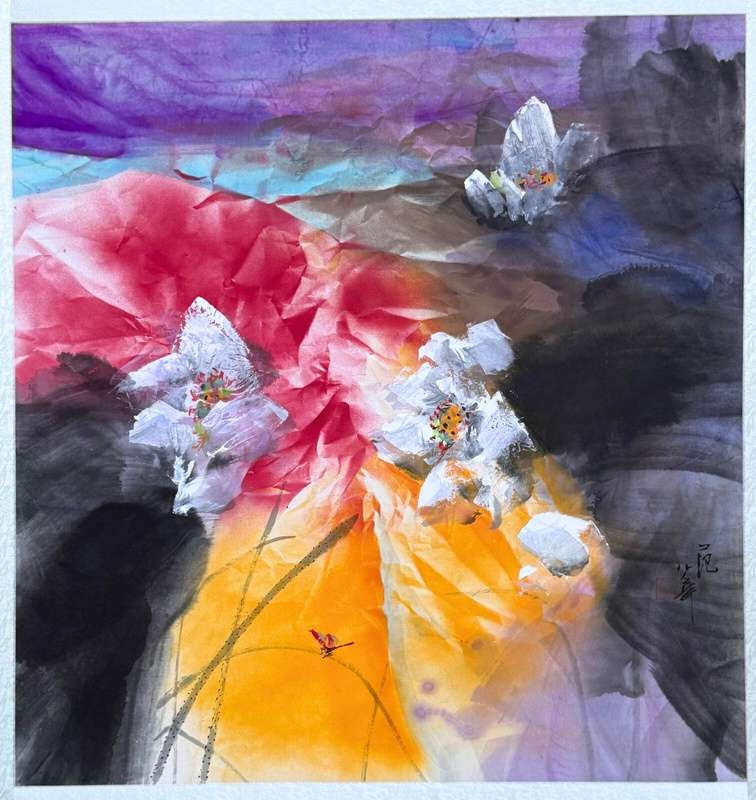
Fan Shao Hua
Chinese Ink and Colour on Paper
100 x 100cm
Price Range: SGD $9,800 - $14,800
Fan Shao Hua
Chinese Ink and Colour on Paper
100 x 100cm
Price Range: SGD $8,800 - $13,800
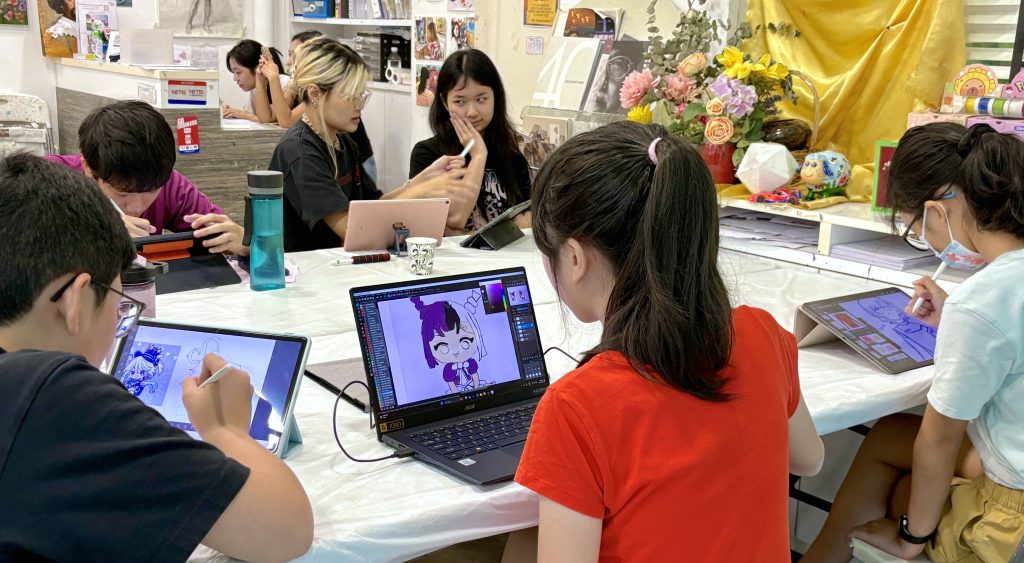
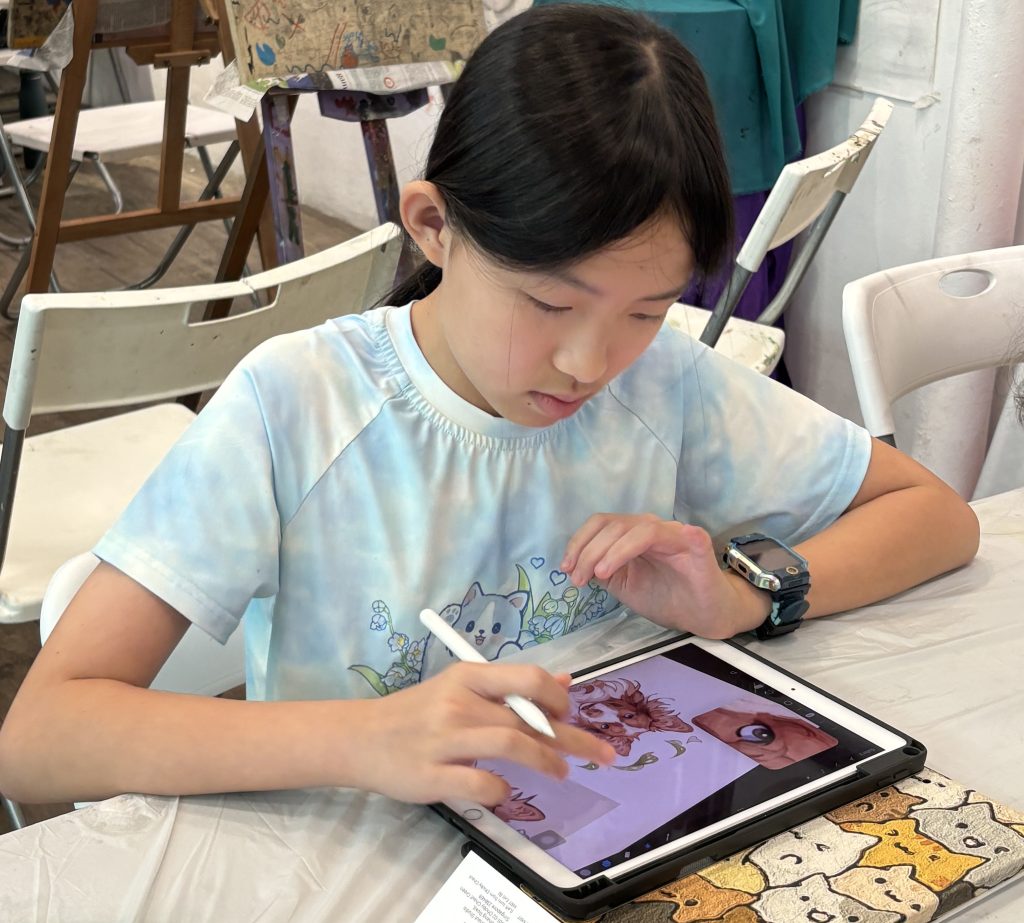
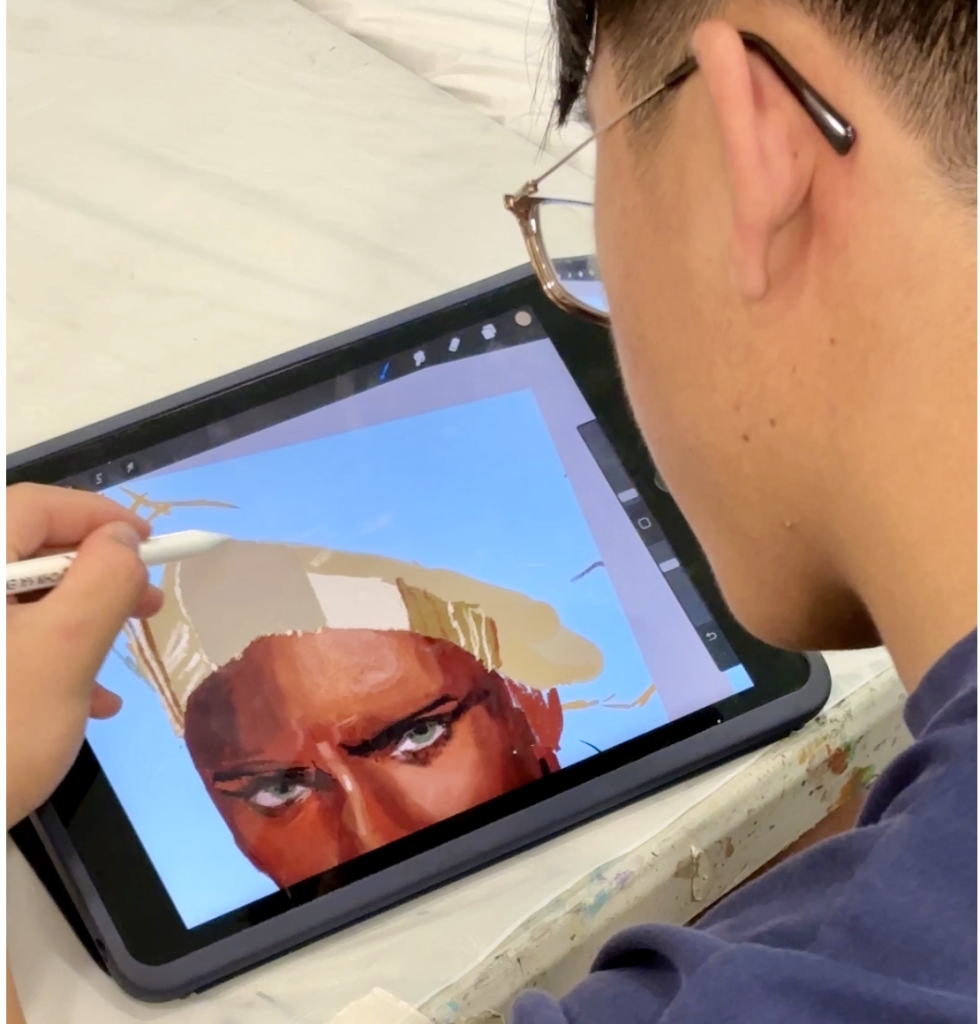
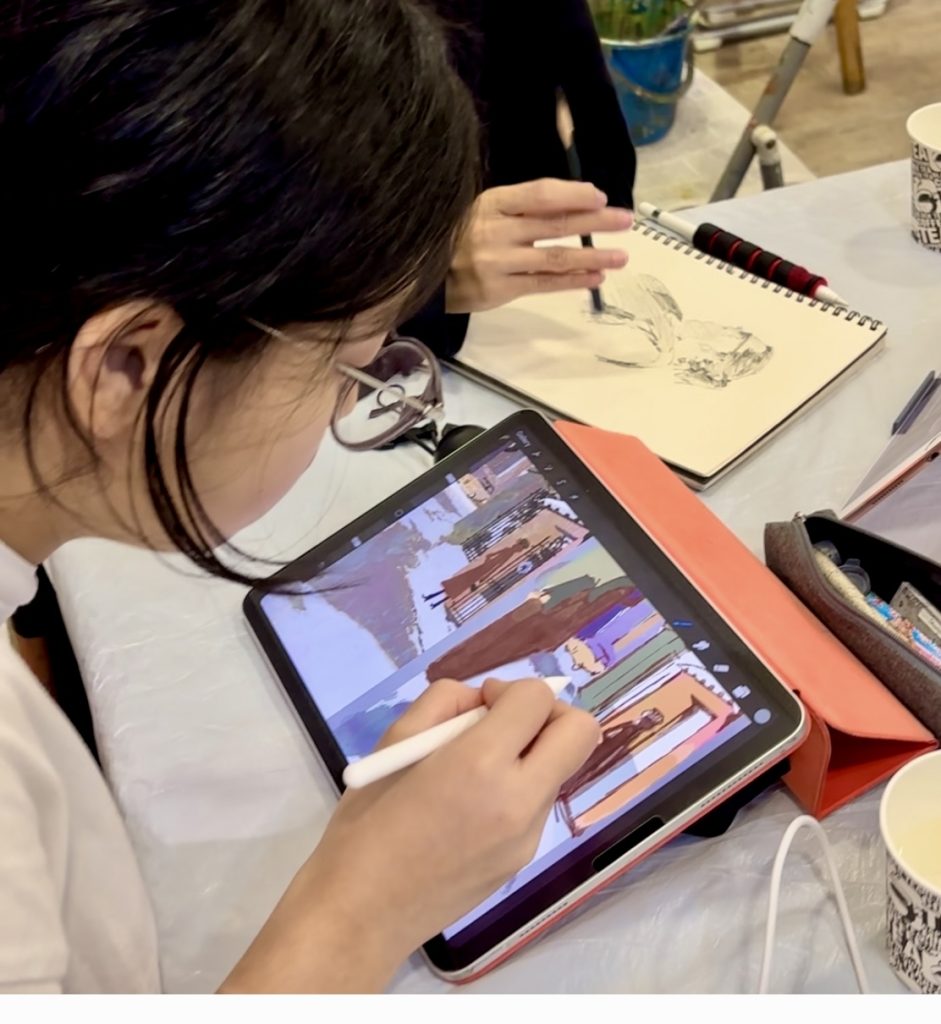
When a child over 7 enters the growing stage of imagination, the traditional limitations of pen and paper can no longer contain the amazing ideas in their minds. Digital art arrives at the perfect moment — opening a door to a limitless creative world. It offers a brand-new form of artistic expression that allows children to simultaneously develop logical thinking, aesthetic sensibility, and digital literacy, empowering both their present and their future.
For children and teens aged between 7 to 16 years old, the benefits of learning digital art have already gone far beyond “learning how to draw.” It becomes a journey of comprehensive ability development:
1) Releasing imagination and turning creativity into reality.
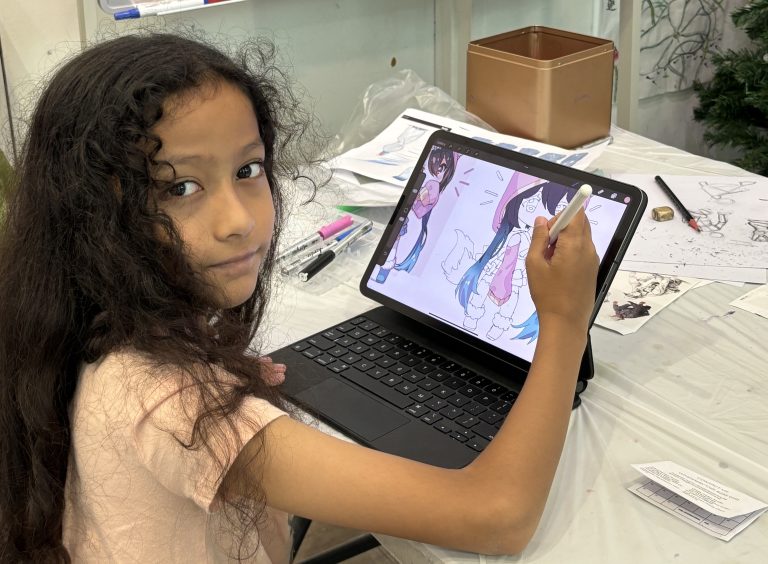
In this digital age where technology has taken over, new tools such as IPads (Procreate) have become a nrom providing limitless canvas space, rich brushes, and convenient editing tools, children no longer feel frustrated by “making a mistake,” nor are they limited by paper size or paint types. They can freely design anime characters, sci-fi worlds, or scenes from their daily life – every imaginative idea can be precisely expressed through digital tools.
2) Training logical thinking and focus.
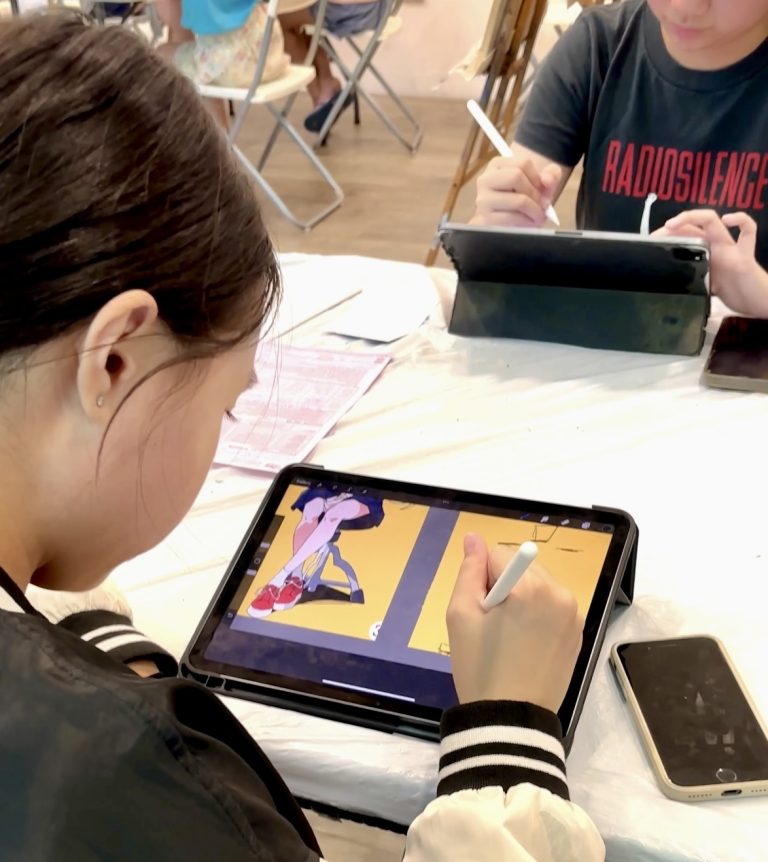
From tablet control and software operation, to visual composition, contrast, lighting, and colour planning. Every step requires active thinking and decision-making. This not only builds hand-eye coordination but also develops focus, planning, and logical reasoning.
3) Developing digital literacy for future studies and careers.
Through digital art, children learn foundational professional software skills: a type of digital tool literacy that transfers into many areas of study and daily life, laying the groundwork for future academic pathways (e.g., design, animation) and professional development.
4) Building confidence and a sense of achievement
When children’s works are recognised and showcased, they gain a tangible sense of achievement and form healthy confidence, becoming more willing to express themselves.
Our courses are designed for children aged 7 and above, divided by foundation level:
Learning content includes:
Tools & Software Introduction:
Pen pressure control, brush settings, and beginner-friendly apps (e.g., Procreate, Draw World).
Art Fundamentals:
Line exercises (smoothness, weight variation), understanding colour (colour matching, gradients), basic shapes and forms (cartoon characters, animals, simple scenes).
Creative Thematic Projects:
Illustration based on familiar themes such as school life, fairy tales, or sci-fi adventures, learning composition and decorative visual design.
The Visual Arts Centre’s professionally developed curriculum focuses on interactive, gamified and story-based learning- allowing children to learn through play and progress quickly.
儿童数码绘画课程 (7-10 years old)
Learning content includes:
Professional Software & Techniques:
Advanced functions in apps such as Procreate and Photoshop — mastering lighting, texture rendering, character proportions, and dynamic movement.
Interest-Based Specialisation:
Students may choose pathways such as anime concept art, illustration, manga storyboarding, or beginner CG frame animation.
Creative & Logical Integration:
Learning how to plan a complete work: character design, environment building, and story expression — developing full creative thinking.
青少年数码绘画课程 (11-16 years old)
The Visual Arts Centre’s digital art curriculum also strengthens:
✔ Language & Writing Skills
When children illustrate story scenes and characters, they gain an intuitive understanding of “descriptive detail” and “scene building,” enabling more vivid writing.
✔ Math & Spatial Reasoning
Composition ratio, perspective, and colour value adjustments are closely linked to mathematical concepts, helping children better understand geometry and quantification.
✔ Focus & Perseverance
Completing a digital artwork requires time and concentration — skills that transfer directly into academic study.
When traditional art meets digital technology, children gain not only a new skill but a new mode of thinking and new possibilities for growth.
Join our Children (7-10 years old) & Teenagers (11-16 years old) Digital Art Programme and let them explore the ocean of creativity with confidence and joy!
The Visual Arts Centre Singapore is an arts institution supported by the National Parks Board and officially commenced operations since 31 January 2016.
Visual Arts Centre Singapore has a comprehensive and well-structured teaching system. All instructors are academically trained with strong formal art backgrounds and extensive teaching experience. Lessons are tailored according to each student’s skill level, ensuring personalised and progressive learning. Through structured training, students build a solid foundation in professional drawing and painting techniques. Our instructors transform traditional academic long-term art education into efficient “accelerated” training modules, enabling students to grasp professional techniques in a shorter period and eventually achieve the ability to draw and create independently.
Dhoby Ghaut Studio
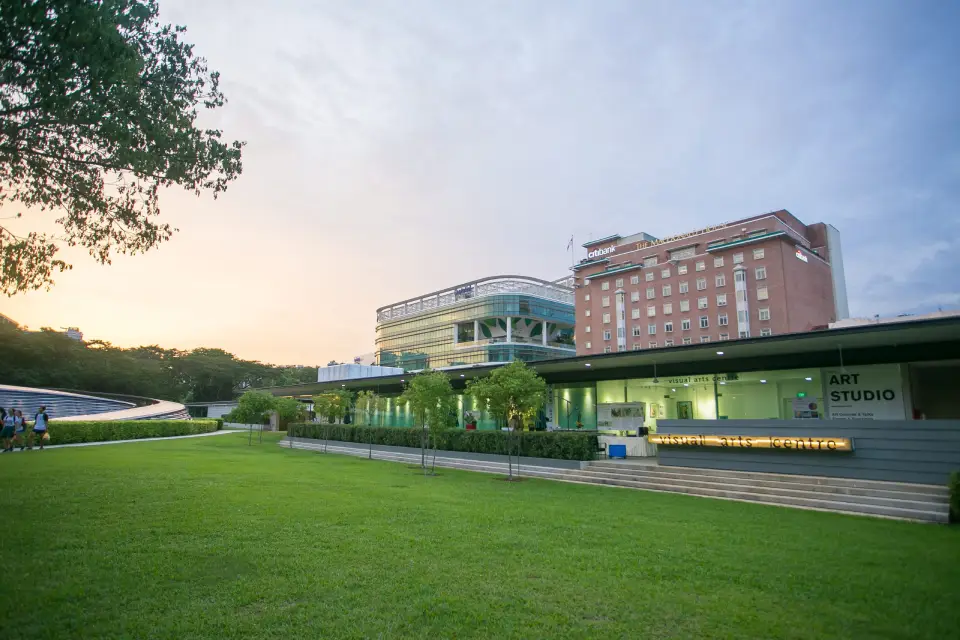
Located on the central-district of Orchard Road in the bustling city centre, the Dhoby Ghaut studio sits within a garden above Dhoby Ghaut MRT Station, housed in a beautiful green glass pavilion. The space is spacious, bright, and surrounded by greenery and flowers — a tranquil environment rich in artistic ambience, offering a peaceful retreat amidst the busy city.
VAC Chinatown Art Gallery & Studio
Located in the 20B Mosque Street, Singapore (059500)
*2 minutes walk from Chinatown MRT Station Exit A, the Chinatown Art Gallery & Studio studio is conveniently accessible and features a spacious, bright interior. Designed with natural greenery and art displays, the space carries a strong artistic atmosphere ideal for both learning and creative expression.
Address:
10 Penang Road, #01-02 Dhoby Ghaut Green,
Singapore 238469
Exit from Dhoby Ghaut MRT Station Exit B and turn left, we are there in 30m!
Address:
20B Mosque Street, Singapore (059500)
*2 minutes walk from Chinatown MRT Station Exit A
Take a left turn upon exiting the Chinatown MRT Station Exit A (Pagoda Street). Make a right turn at Fragrance Bak Kwa store to go to Mosque Street. Finally, walk towards 20B, we’re on the 3rd floor of the shophouse.
Have any questions? Please drop us an enquiry form and we’ll respond to you as soon as we can!
"*" indicates required fields
Click and get to our WhatsApp
Embark on a captivating journey into the vibrant world of digital art! Our Foundation in Digital Art workshop invites budding creatives aged nine and above to unleash their imagination and hone their artistic skills in a dynamic, supportive environment. From mastering basic digital tools to crafting mesmerizing digital masterpieces, children will explore a spectrum of techniques guided by seasoned mentors. Through hands-on activities and interactive sessions, participants will discover the endless possibilities of digital expression while fostering creativity and critical thinking. Join us for an exhilarating adventure where young artists transform ideas into stunning visual realities, igniting a passion for digital art
In the Batik Introduction Handkerchief Painting workshop, participants will learn the traditional art of batik, a wax-resist dyeing technique originating from Indonesia. The workshop begins with a brief history and overview of batik, highlighting its cultural significance and various techniques. Participants will then observe a demonstration of applying wax with tjanting tools and dyeing the fabric. Following the demonstration, each participant will design and create their own batik handkerchief, applying wax to create patterns and then dyeing their fabric. The workshop concludes with a group discussion, allowing participants to share their creations and reflect on their learning experience.