Acrylic Painting on Canvas Team Bonding Art Jamming Singapore Visual Arts Centre



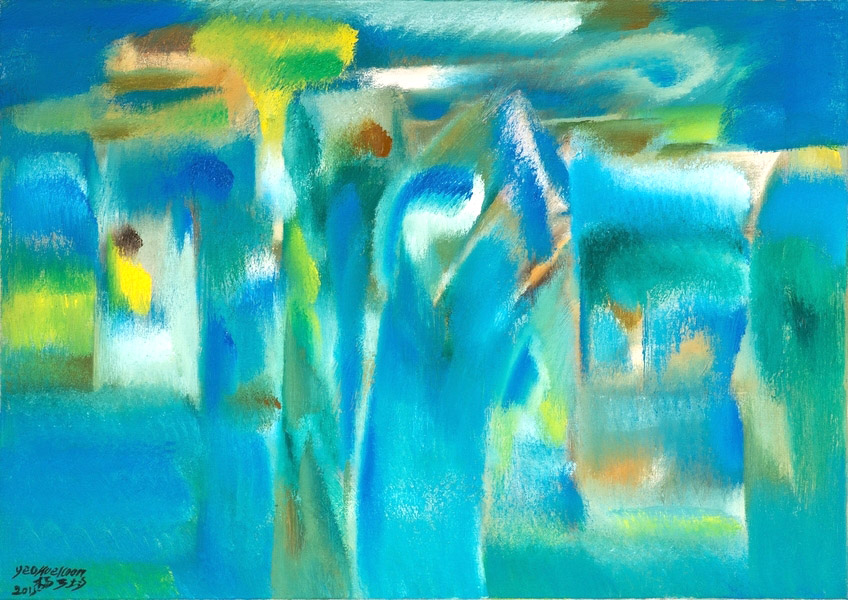
Yeo Hoe Koon
Oil on Canvas
64 x 89.5 cm
Price Range: $16,000 - $20,000
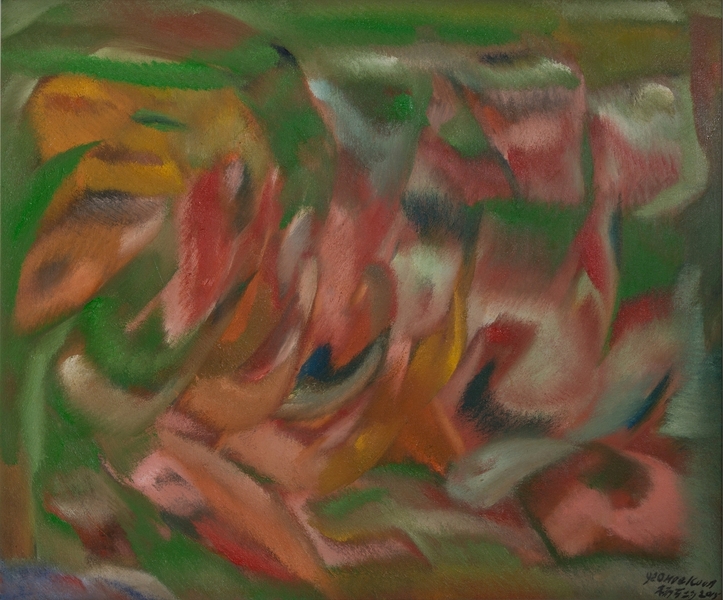
Yeo Hoe Koon
Oil on Canvas
101 x 123 cm
Price Range: $26,000 - $32,000
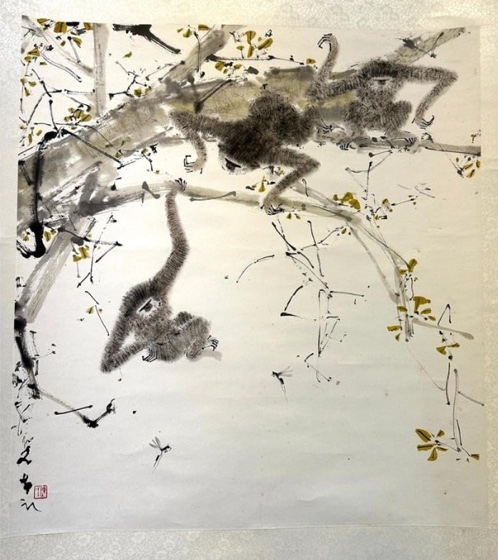
Chen Wen Hsi
Chinese Ink and Color on Paper
50 x 54cm
Price Range: SGD $42,000 - $50,000
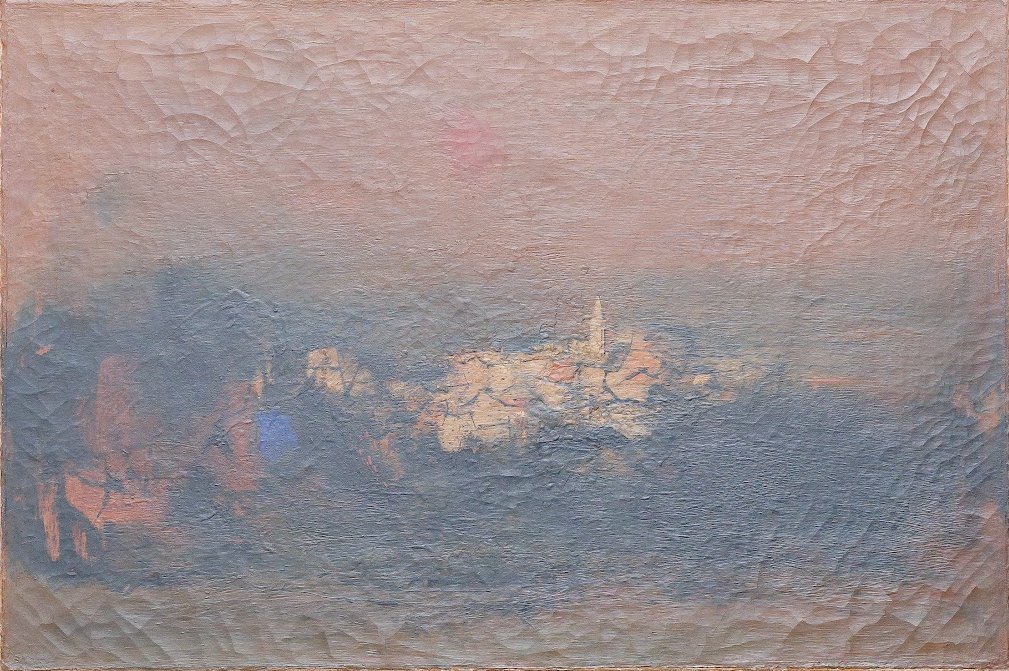
Cheong Soo Pieng
Red Tone
61 x 91.5cm
Price Range: SGD $108,000 - $138,000
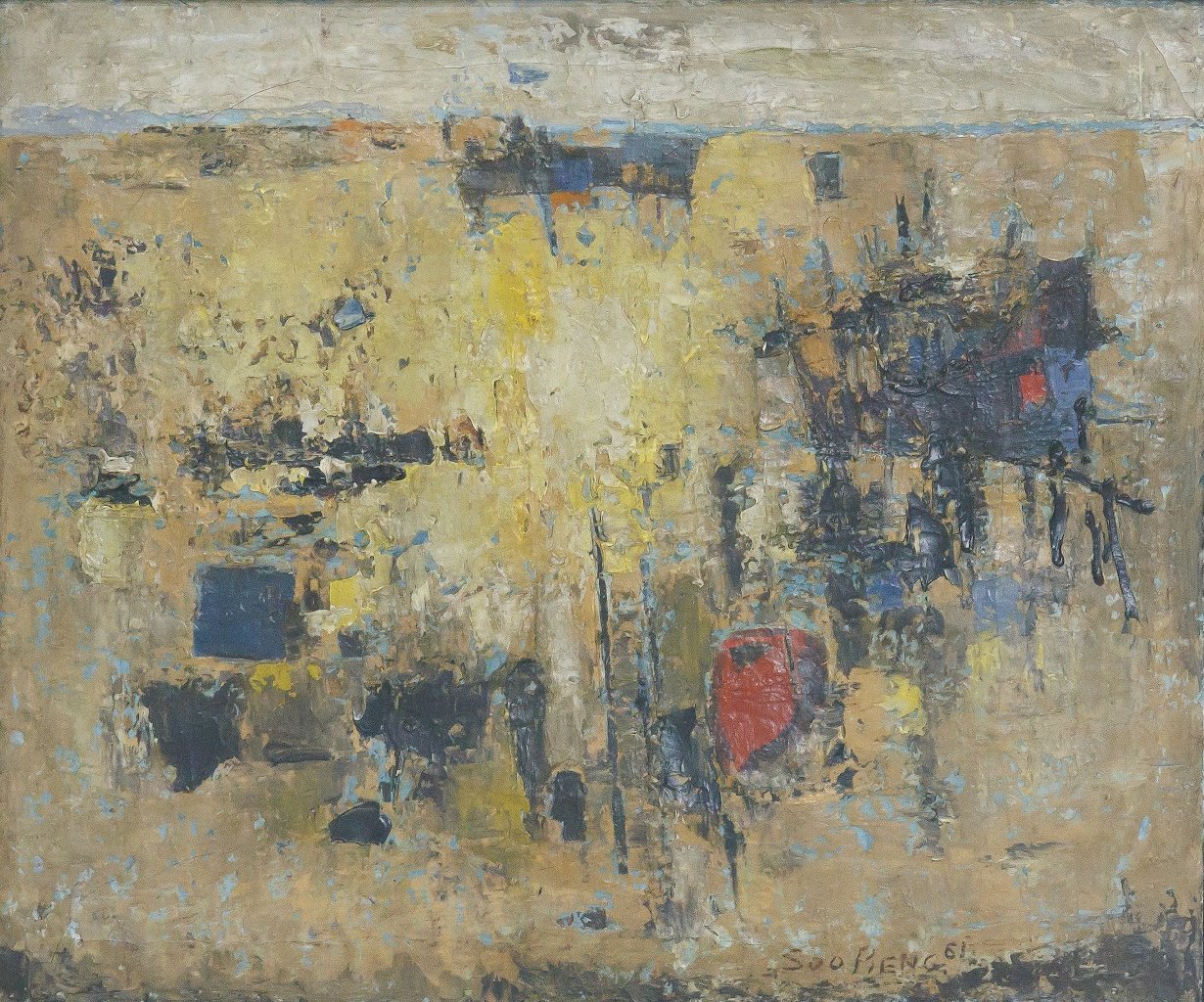
Cheong Soo Pieng
Abstract Landscape
50 x 61cm
Price Range: SGD $95,000 -$128,000
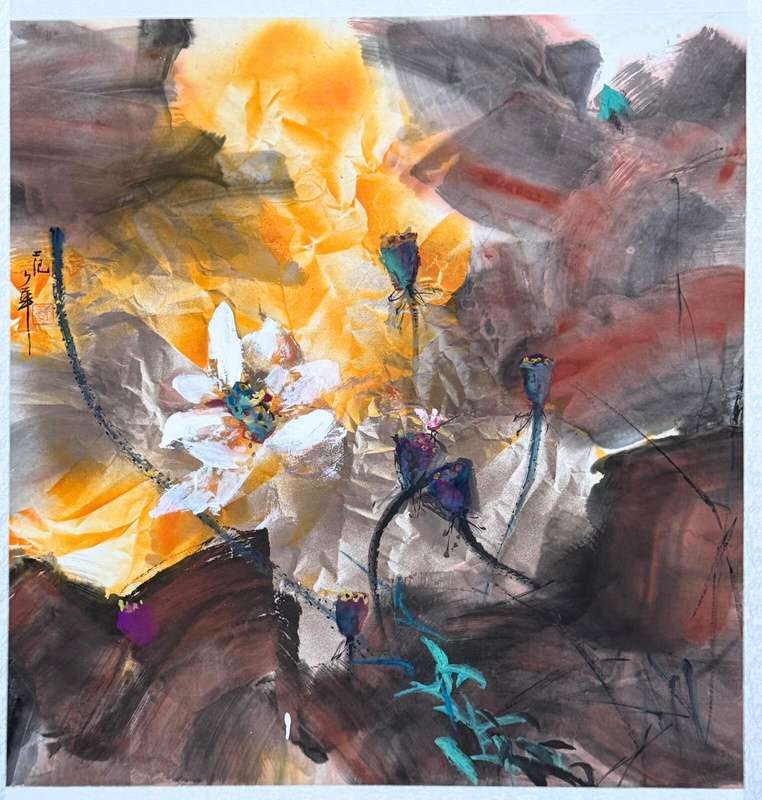
Fan Shao Hua
Chinese Ink and Colour on Paper
100 x 100cm
Price Range: SGD $9,800 - $14,800
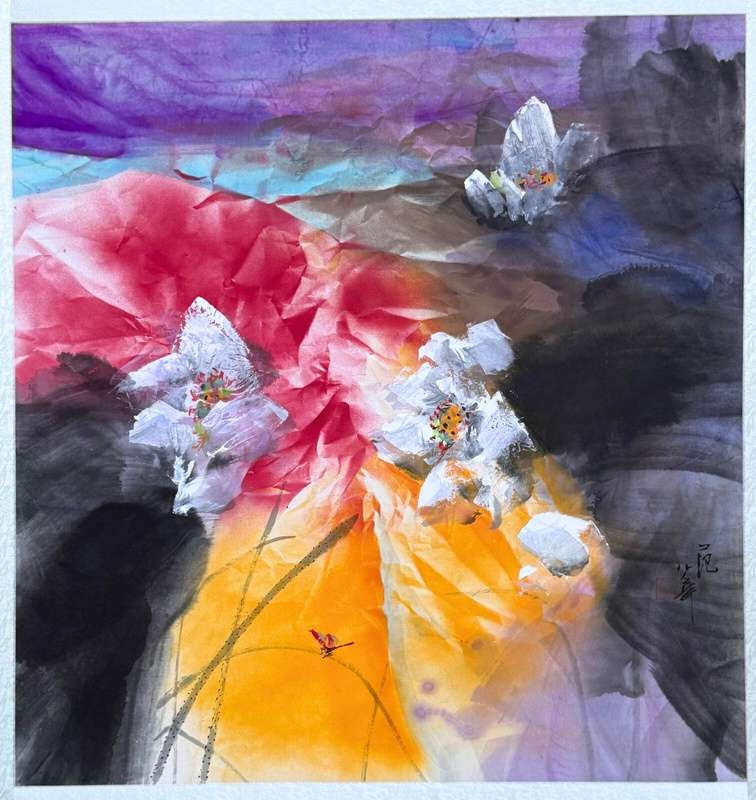
Fan Shao Hua
Chinese Ink and Colour on Paper
100 x 100cm
Price Range: SGD $8,800 - $13,800
The Silence of Ink presents a contemplative journey through calligraphy, structured as a passage that begins in silence and ultimately returns to silence. Moving through the key themes of silence, breath, playful spirit, flow, depth, and return, the exhibition invites viewers to encounter calligraphy not only as written form, but as an embodied language of presence, rhythm, and resonance.
At the heart of the exhibition lies an exploration of the unspoken: the subtle vibration of ink, the measured breath behind each gesture, and the eloquence of empty space. Here, the brushstroke is not merely a mark, but a living trace of movement, stillness, and intention. Through the interplay of form and void, gesture and restraint, each work reveals the quiet expressive power that emerges when language approaches its limits.
Rather than offering itself solely to be read, this exhibition asks to be sensed—to be received through atmosphere, cadence, and feeling. In these works, silence is not absence, but presence; not emptiness, but depth. It becomes a space of inward listening, where the unsounded may still be profoundly heard.
The Silence of Ink invites the viewer not to read, but to enter to dwell in the interval between mark and void, to hear the language of space, and to follow the quiet reverberation of ink until it returns, at last, to silence.
Where letters disappear, ink begins. In stillness, the brush breathes. Listen closely. Silence has a voice. Do not read—feel.
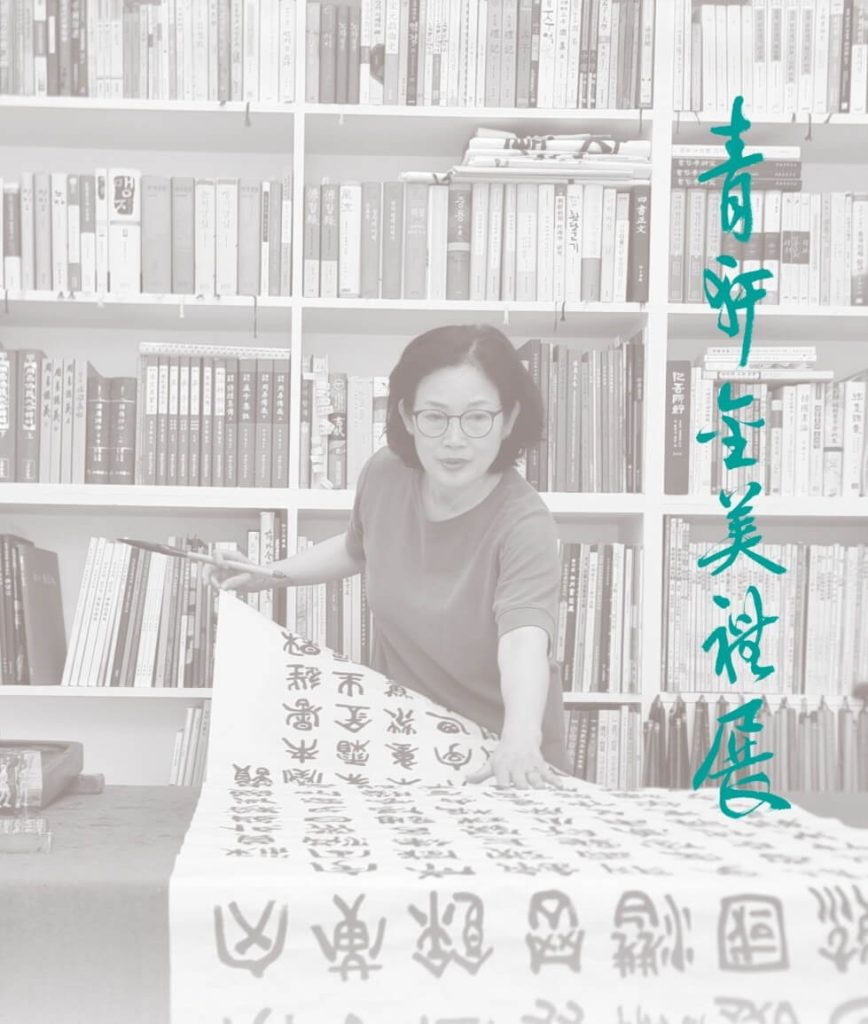
Kim Mi-rey (Cheongheon)
Kim Mi-rey (Cheongheon) is a calligrapher and scholar whose practice is rooted in the philosophical and aesthetic traditions of East Asia. She holds a PhD in Philosophy from Sungkyunkwan University and a Master’s degree in Confucian Studies from the university’s Graduate School of Confucian Studies. Her work is distinguished by its rare synthesis of intellectual depth, spiritual sensitivity, and refined visual expression.
Widely recognised for her contribution to contemporary calligraphy, Kim has served as an invited artist and judge for the Korean Calligraphy Association. She has also participated as an invited artist in major calligraphy exhibitions, including the Gyeonggi Calligraphy Grand Exhibition, the Korean Chusa Calligraphy Exhibition, and the Shin Saimdang–Yulgok Calligraphy Exhibition.
Her works are held in the collections of important institutions such as the Korean Calligraphy National Museum, Chuncheon National University of Education, the Korea Art Museum, and the Jeonju Gangam Calligraphy Foundation. Alongside her artistic practice, she continues to engage in research that thoughtfully bridges scholarship and creative expression.
Following her recent exhibition at the Gyeongin Museum of Fine Art in Seoul, Cheongheon’s work is also scheduled to be presented in May 2026 at Art International Zurich in Switzerland.
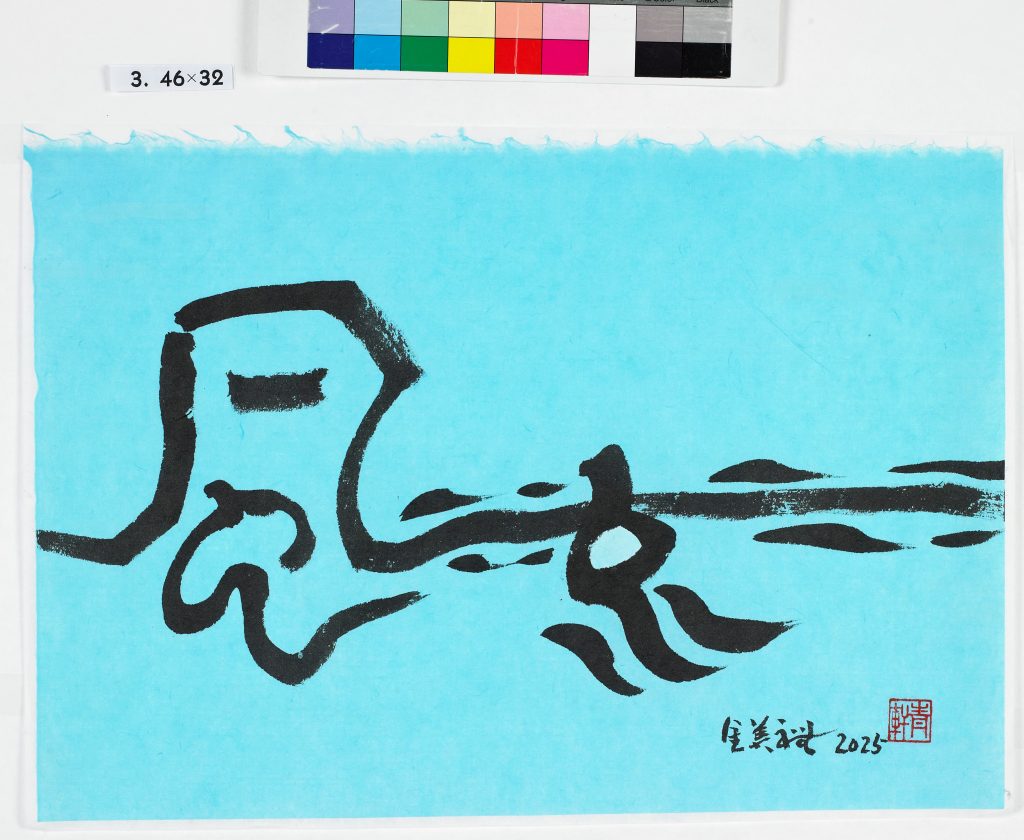
風流 풍류 Cultured Elegance
46 x 32 cm
Unbroken and perpetual flow.
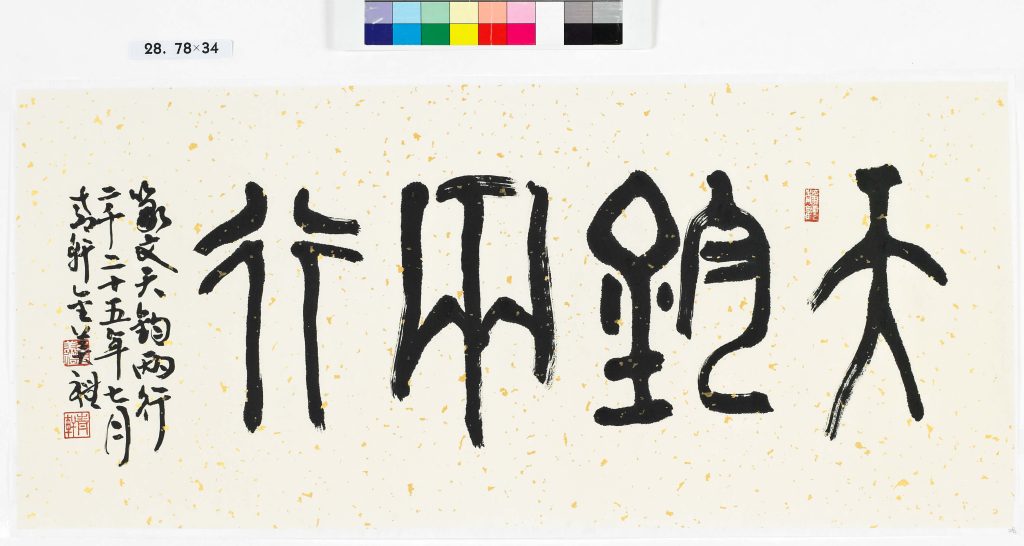
天鈞兩行 (천균양행)
78 x 34 cm
“Discussion on Making All Things Equal” in the Zhuangzi: “The natural balance and harmony of all things.”
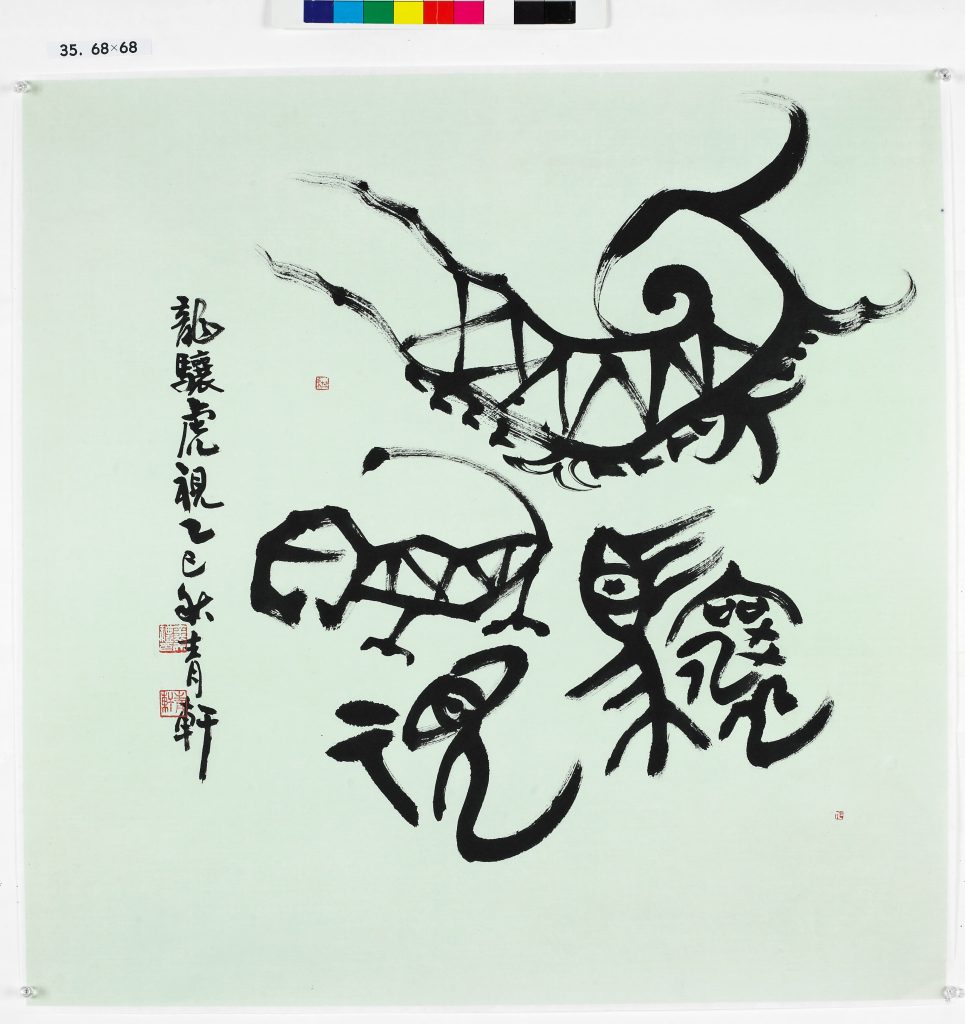
龍驤虎視 (용양호시)
45 x 70 cm
Soaring like a dragon, gazing with the fierce intensity of a tiger.
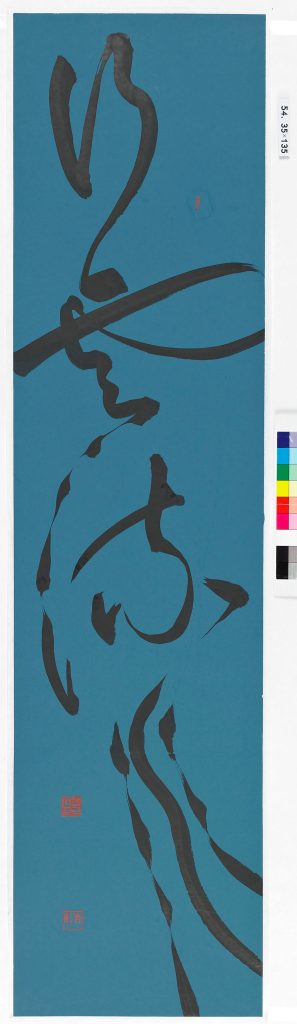
行雲流水(행운유수)
35 x 135 cm
Wandering clouds and flowing water.
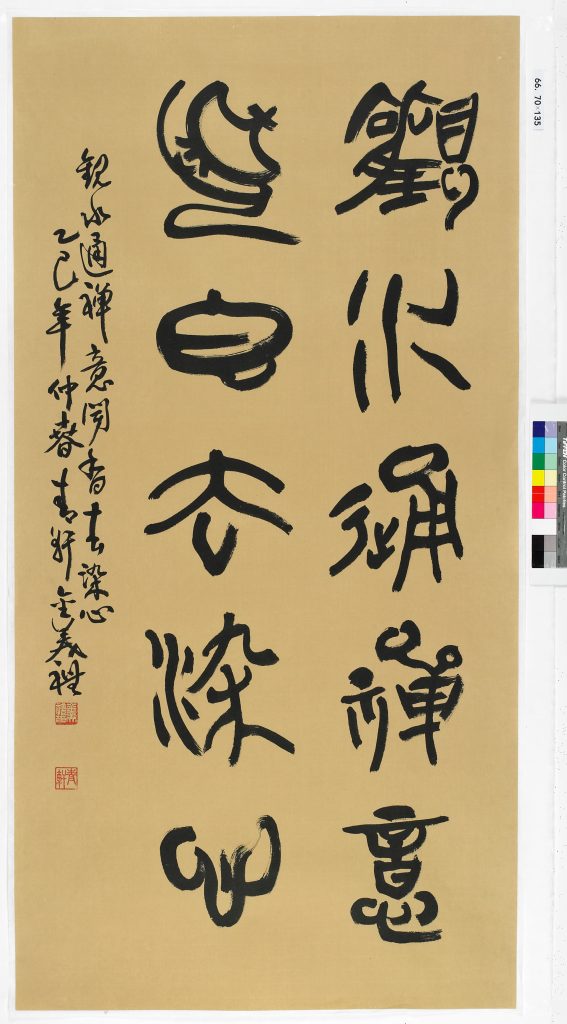
觀水通禪意 聞香去染心(관수통선의 문향거염심)
70 x 135 cm
By contemplating flowing water, awaken to goodness; through pure fragrance, cleanse away the dust of the mundane world.
Dates
24-26 April 2026
Venue
Visual Arts Centre
10 Penang Road, #01-02, Dhoby Ghaut Green, Singapore 238469
Parking available at Plaza Singapura

Embark on a captivating journey into the vibrant world of digital art! Our Foundation in Digital Art workshop invites budding creatives aged nine and above to unleash their imagination and hone their artistic skills in a dynamic, supportive environment. From mastering basic digital tools to crafting mesmerizing digital masterpieces, children will explore a spectrum of techniques guided by seasoned mentors. Through hands-on activities and interactive sessions, participants will discover the endless possibilities of digital expression while fostering creativity and critical thinking. Join us for an exhilarating adventure where young artists transform ideas into stunning visual realities, igniting a passion for digital art
In the Batik Introduction Handkerchief Painting workshop, participants will learn the traditional art of batik, a wax-resist dyeing technique originating from Indonesia. The workshop begins with a brief history and overview of batik, highlighting its cultural significance and various techniques. Participants will then observe a demonstration of applying wax with tjanting tools and dyeing the fabric. Following the demonstration, each participant will design and create their own batik handkerchief, applying wax to create patterns and then dyeing their fabric. The workshop concludes with a group discussion, allowing participants to share their creations and reflect on their learning experience.