Acrylic Painting Art Class
Professional Art Therapy Course
Led by certified art therapist
Certificate is provided

Professional Art Therapy in Singapore

led by certified art therapist

“Art therapy uses the creative process of art making to improve and enhance the physical, mental and emotional well-being of individuals of all ages.”

— American Art Therapy Association

We live in an era of relentless noise — digital, emotional, social. Many of us carry stresses, anxieties, and unspoken feelings that conventional conversations struggle to reach. Art therapy offers a different kind of access. Through colour, mark-making, texture, and form, it creates a space where what cannot be said can still be expressed — and where expression itself becomes a path to healing.

This is not about artistic talent. It never has been. Art therapy is about the process, not the product — the act of making, not the quality of what is made.

art therapy course Visual Arts Centre

Understanding Art Therapy

What is Art Therapy — and how is it different from art class?

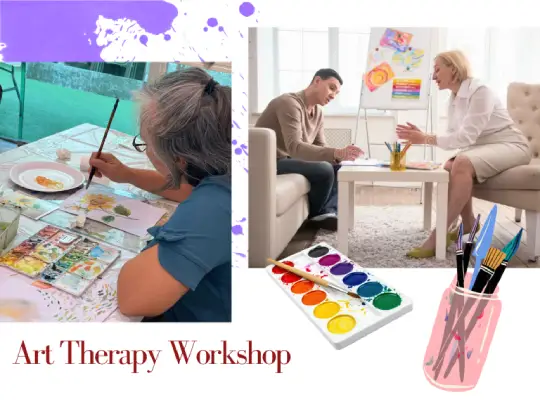
Art therapy is a distinct mental health profession that integrates the visual arts with psychotherapy and counselling. In other words, professional personal development programme that integrates artistic creation, psychological principles, and emotional support.

It is not a creative hobby, and it is not an art lesson. Unlike traditional art classes, it does not focus on artistic skills or the aesthetic quality of the artwork. Instead, it uses visual art as a non-verbal form of communication, creating a bridge between inner emotions and outward expression. It is a professionally guided process in which the making of art becomes a therapeutic medium — a way to explore emotions, process experiences, and build psychological resilience. 

Feelings that are often difficult to express through words—such as anxiety, stress, confusion, emotional exhaustion, or inner conflict—can be safely released through colours, lines, and mixed-media creative expression. 

art therapy course Visual Arts Centre

Art therapists are Master’s level professionals trained in both the theory and application of art as therapy, as well as in counselling and psychotherapy. They are skilled in a range of art modalities — drawing, painting, sculpture, mixed media — and trained in assessment, ethical practice, and working with diverse populations and needs. Regardless of artistic experience, anyone can use the creative process to explore subconscious emotions, develop self-awareness, integrate emotional experiences, and promote inner healing. Art Therapy is a gentle and accessible pathway to emotional well-being and personal growth, suitable for people of all ages and backgrounds.

The discipline was formalised in the mid-20th century. British artist Adrian Hill coined the term “art therapy” after observing the emotional benefits that creative activity brought to tuberculosis patients recovering in hospital. Around the same time, American educator and psychoanalyst Margaret Naumburg advocated for art as a form of psychotherapy, emphasising its role in surfacing the unconscious through symbolic imagery. The influence of Carl Jung — who encouraged patients to draw mandalas as a tool for self-discovery — remains deeply present in the field today.

Source: American Art Therapy Association (AATA); Naumburg, M. — foundational texts in art psychotherapy.

art therapy Visual Arts Centre

Today, art therapy is practised in hospitals, schools, rehabilitation centres, wellness centres, prisons, and private practice settings around the world. In Singapore, the Art Therapists’ Association of Singapore (ATAS) — founded in 2008 with just ten registered therapists — has grown steadily as awareness of art therapy’s effectiveness has deepened.

“The aim of art is not to represent the outward appearance of things, but their inward significance.” — Aristotle

The Therapeutic Mechanism

How does making art actually heal the mind? How Art Therapy Helps People Achieve Better Emotional Well-being?

In today’s fast-paced and high-pressure world, many people experience academic stress, workplace burnout, relationship challenges, anxiety, and emotional fatigue. However, few have a safe, non-judgemental space to express and process their emotions. Over time, suppressed emotions can lead to mental and physical exhaustion, emotional imbalance, and reduced overall well-being.

art therapy course Visual Arts Centre

The therapeutic power of art is not mystical — it is neurological. When we engage in focused creative activity, the brain enters a state of absorbed attention that quiets the prefrontal cortex — the seat of self-criticism, rumination, and anxiety. The art-making process activates the brain’s reward pathways, promotes the release of dopamine, and reduces cortisol, the body’s primary stress hormone.

A landmark study published in Art Therapy: Journal of the American Art Therapy Association found that 45 minutes of creative activity significantly reduced cortisol levels in 75% of participants — regardless of prior artistic experience or skill level. You do not need to be talented. You simply need to make.

Kaimal, G., Ray, K., & Muniz, J. (2016). Reduction of Cortisol Levels and Participants' Responses Following Art Making. Art Therapy: Journal of the AATA, 33(2), 74–80.

Art also engages what psychologists call the “right-brain” mode of processing — the part of us that thinks in images, feelings, and sensations rather than words and logic. For many people, emotions that resist verbal articulation find a natural expression through mark-making, colour, and form. Art therapy gives the unspeakable a shape.

Research published in Humanities and Social Sciences Communications (2025) found that art therapy combined with mindfulness approaches significantly improved emotional regulation, reduced anxiety, and enhanced relaxation levels among participants — with measurable effects visible even in EEG (brainwave) monitoring during sessions.

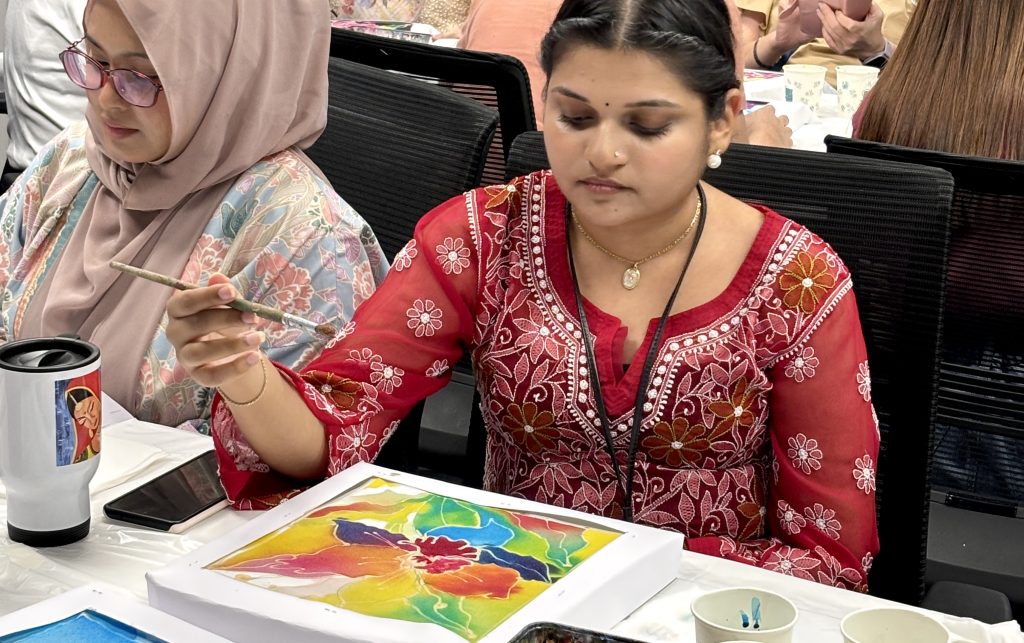
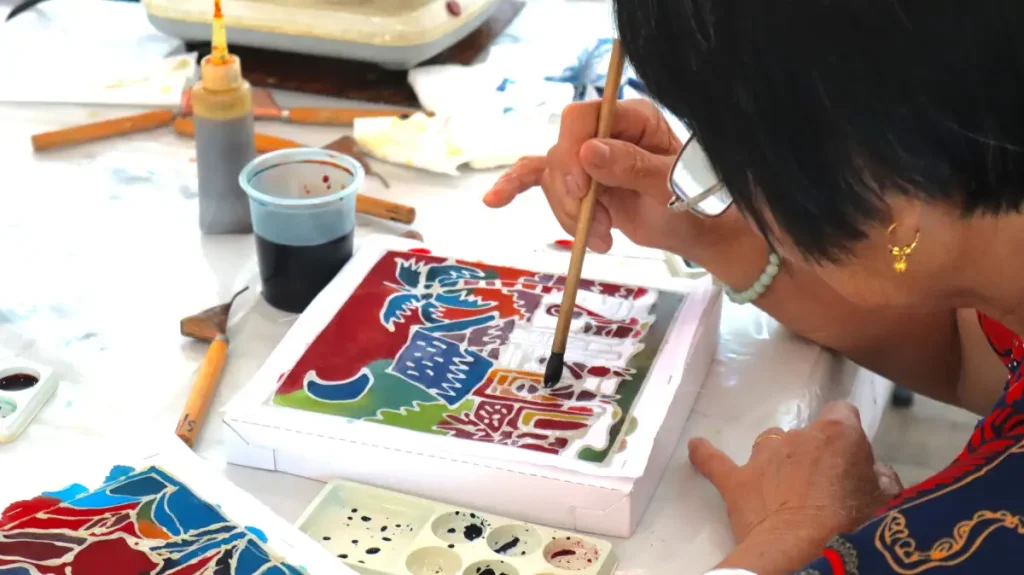
Batik Painting Workshop

Nature/Humanities and Social Sciences Communications (2025). Effects of EEG-based art therapy on emotion regulation, psychological well-being, relaxation and attention levels.

The Therapeutic Mechanism

How does making art actually heal the mind?

01

Emotional Release Without Words
Relieves Stress and Promotes Relaxation

Many emotions — grief, anger, fear, overwhelm — resist language. Art provides an alternative channel: a place to put what cannot be spoken. The act of making externalises internal experience, creating distance and perspective that words alone cannot always achieve. In art therapy, the artwork becomes a safe container for difficult feelings.

02

Mindfulness Through Making
Focused art-making is inherently a mindfulness practice. When you are mixing colour, observing how paint moves, or carefully rendering a line, you are fully present — anchored in the sensory now. Research on Mindfulness-Based Art Therapy (MBAT) consistently shows reductions in stress and anxiety, improvements in sleep quality, and enhanced emotional regulation comparable to formal meditation practice.

03

Stress and Cortisol Reduction
Creative activity directly reduces cortisol — the body’s stress hormone — and activates the parasympathetic nervous system, shifting the body from “fight-or-flight” into a state of rest and recovery. This is not just a feeling of relaxation; it is a measurable physiological change. Regular creative engagement builds stress resilience over time.
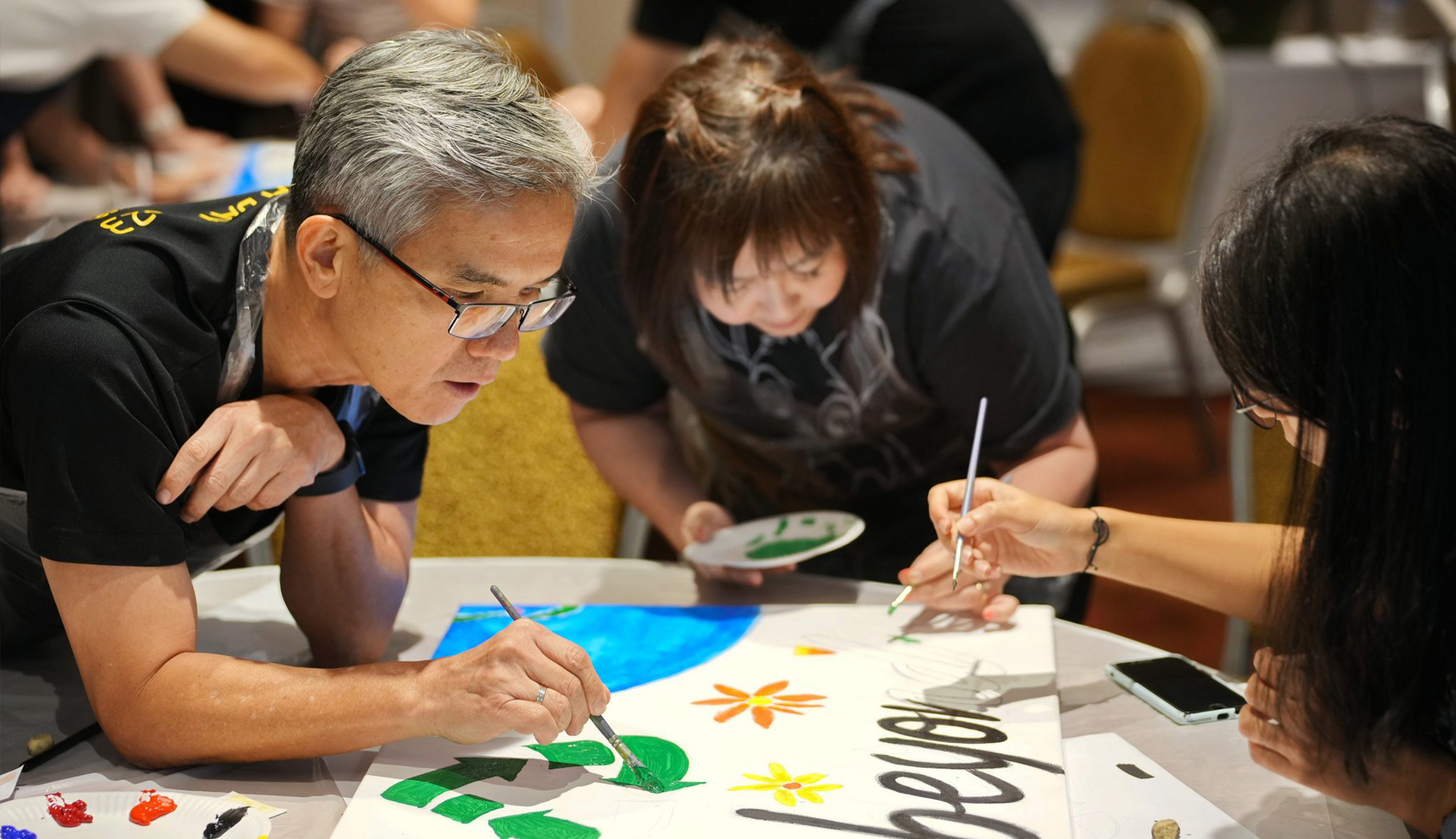
Through immersive painting and hands-on creative activities, participants gradually release tension and relax both mentally and physically. Visual art provides a natural outlet for emotions, helping to reduce anxiety, frustration, and emotional stress while restoring a sense of inner calm.

04

Letting Go and Processing Trauma
Art therapy is particularly effective for trauma, because traumatic memories are often stored in the body and in imagery rather than in linear narrative. Creating art about difficult experiences — even symbolically or abstractly — can access and process these stored experiences in ways that conventional talk therapy sometimes cannot reach. It allows release without re-traumatisation.

05

Self-Awareness and Inner Discovery & Understanding
The symbolic language of art — the colours we choose, the marks we make, the subjects that draw us — often reveals aspects of our inner life that conscious thought conceals. Creative expression provides direct access to the subconscious mind. Within a supportive, pressure-free environment, participants can discover their authentic emotions through their artwork, identify the root causes of emotional challenges, clarify their inner needs, and develop a deeper understanding of themselves. This strengthens emotional resilience, self-awareness, and emotional regulation. Carl Jung observed that the images we create can be windows into the deeper self. Art therapy uses this reflective quality deliberately, fostering insight, self-understanding, and personal growth.

06

Restored Calm, Improved Wellbeing
A meta-analysis of mindfulness-based art interventions published in 2025 found that creative art practices consistently reduced anxiety symptoms across diverse populations, with effects sustained over follow-up periods. Regular art-making builds what researchers call “eudaimonic wellbeing” — a deep sense of meaning, purpose, and psychological flourishing that goes beyond the absence of stress.

art therapy Visual Arts Centre

Art as Mindfulness Practice

When the brush becomes a meditation

Mindfulness is the practice of bringing full, non-judgemental attention to the present moment. Art-making, when approached with this intention, is one of its most natural expressions. The sensation of a brush on paper, the watching of colour spread and bleed, the rhythm of mark-making — these absorb the attention completely, leaving no space for past regret or future worry.

Mindfulness-Based Art Therapy (MBAT) formalises this connection, pairing guided mindfulness awareness with art-making activities. A 2024–2025 scoping review in ScienceDirect found that MBAT interventions effectively reduced stress and anxiety while improving emotional regulation and sleep quality — often outperforming mindfulness-only or art-only interventions.

You do not need a diagnosis or a crisis to benefit. Anyone carrying the weight of a busy life, difficult emotions, or simply the need to pause and return to themselves can find in art-making a genuinely restorative practice.

Participants learn structured methods and creative tools that can be applied in daily life, while also gaining the ability to offer gentle emotional support and creative guidance to family members, friends, and others

ScienceDirect (2025). A scoping review on mindfulness-based art therapy for psychological well-being.

Art as Emotional Release

The freedom of making without judgement

One of the most liberating aspects of therapeutic art-making is the removal of the expectation to produce something “good.” In art therapy, the work is not evaluated aesthetically. It is witnessed. The process of making — the physical act of putting colour or mark on a surface — is itself the point, and in that freedom, something remarkable often happens: we release what we have been holding.

Expressive art-making activates the body’s own natural relaxation response. The repetitive, rhythmic aspects of drawing or painting — similar in this way to breathing exercises or walking meditation — calm the nervous system and create space for emotional processing. Feelings that have been suppressed or stored can surface through the artwork, and in surfacing, begin to dissolve.

This is the “letting go” that art therapy practitioners describe — not a forced release, but a gentle permission: to feel, to express, and to move on.

The research is clear: creative expression measurably improves mental health

75%

of participants showed reduced cortisol after 45 minutes of art-making, regardless of skill level

Kaimal et al., Art Therapy Journal, 2016

4%

slower biological ageing rate in weekly arts participants — equivalent to regular physical exercise

Fancourt et al., Innovation in Aging, 2026

31%

lower risk of dementia among regular arts participants over a 14-year follow-up study

Fancourt & Steptoe, BMJ, 2019

MBAT

Mindfulness-Based Art Therapy reduces anxiety and improves sleep quality — often exceeding mindfulness-only interventions

ScienceDirect Scoping Review, 2025

“Every child is an artist. The problem is how to remain an artist once we grow up.” — Pablo Picasso

Why Choose Art Therapy Course by Visual Arts Centre?

1) Learn from Experienced Art Therapy Instructors

Our instructors possess extensive experience in both professional art education and Art Therapy practice. They combine strong artistic expertise with psychological knowledge and have worked with participants from diverse backgrounds. 

Their warm, supportive teaching style encourages self-expression through attentive listening, thoughtful guidance, and personalised mentoring throughout the course.

yen chua Art Workshop (Let It Flow - Art as Therapy & Release) Art therapy workshop by Visual Arts Centre

Workshop Facilitator

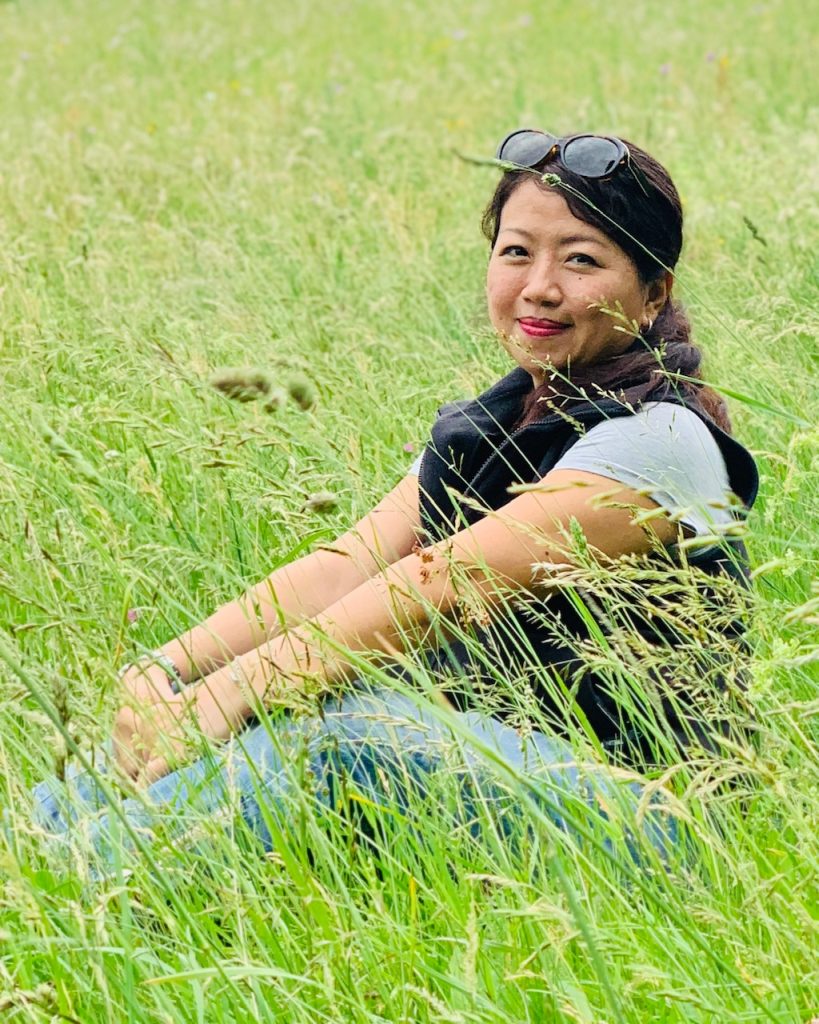
Yen Chua

BFA — San Francisco Art Institute, USA (1993)

Diploma in Chinese Painting — Beijing Central Academy of Fine Arts (1996)

MA (Research) — National Institute of Education, Singapore (2002)

MA in Art Therapy — LASALLE College of the Arts, Singapore (2007)

Certified Art Therapist & Co-Founder, Art Therapists’ Association of Singapore (ATAS)

About the Art Therapist

Two decades at the intersection of art, healing, and education

Yen Chua is one of Singapore’s most experienced and respected art therapists — an artist, educator, and one of the founding members of the Art Therapists’ Association of Singapore (ATAS). Her path to art therapy is both professional and deeply personal: despite a challenging childhood, Yen found in art a means of transcendence, and has spent the past two decades helping others find the same.

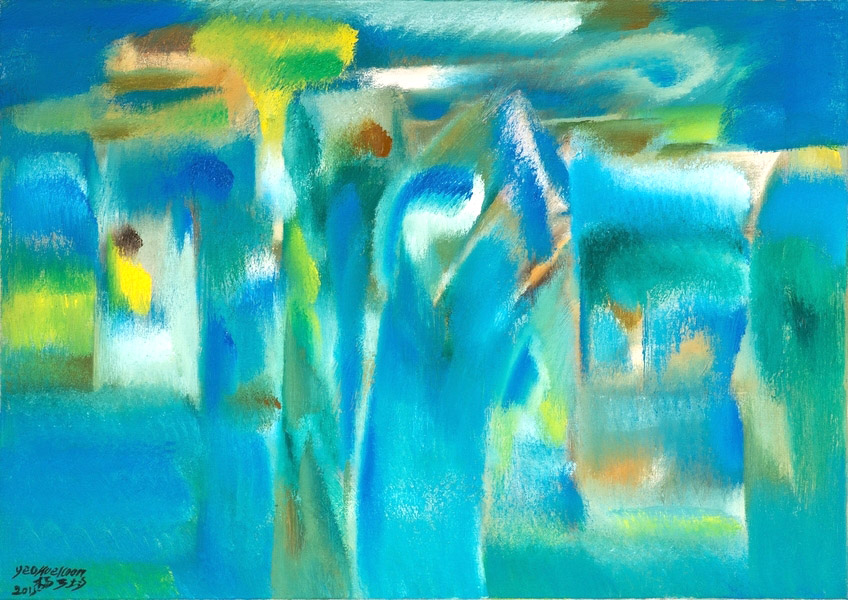
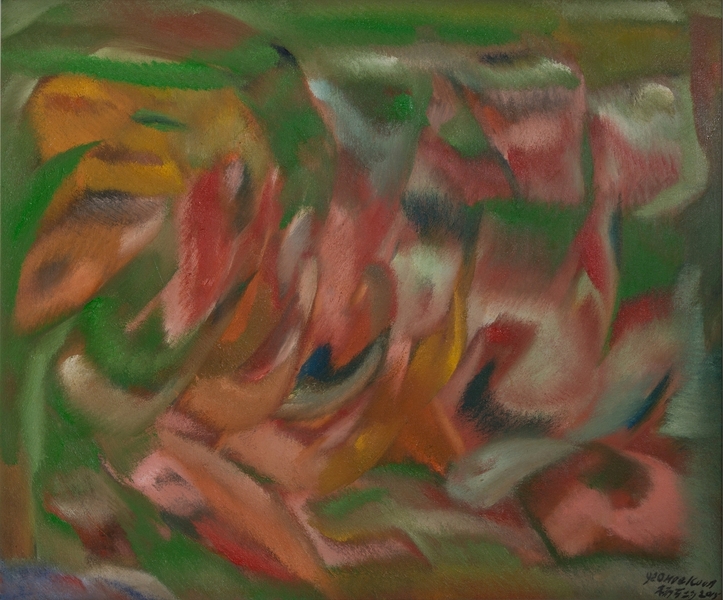
With a Master of Arts in Art Therapy from LASALLE College of the Arts (2007) and a Bachelor of Fine Arts from the San Francisco Art Institute, Yen brings to her practice a rare combination of rigorous clinical training and a life fully committed to artistic making. She works predominantly with acrylic, charcoal, and ink — and her own mixed-media artworks are described as “vivid portrayals of the surreal, mythical and magical realm, echoes of her different mental states, dreams and aspirations.”

“Art therapy uses the creative process to help people resolve conflicts, manage behaviour, reduce stress, increase self-esteem and self-awareness, and achieve insight.”

Yen has worked in an extraordinarily diverse range of settings — with individuals experiencing social-emotional difficulties, addiction, trauma, behavioural challenges, and mental health issues; with cancer patients, elderly clients, teenagers, children with special needs, and prison inmates. She has taught at the National Institute of Education, NAFA, Temasek Polytechnic, and LASALLE College of the Arts, and has participated in art therapy missions in India through The Red Pencil Singapore.

In 2008, when ATAS was founded with only ten registered art therapists in Singapore, Yen was among them. Today she continues to shape the field she helped create — through her clinical practice, her teaching, and, now, her workshops at VAC Art Gallery & Studio.

art, art healing, art therapy, distress, heal, healing, mental health, mental wellbeing, reduce anxiety, art therapy course, visual art therapy course

2) Theory and Practical Training for Meaningful Growth

The programme balances professional theory with hands-on practice, enabling participants to achieve comprehensive personal growth within a relatively short period.

Participants study Art Therapy principles while exploring a wide range of visual art forms, including:

  • Oil Painting
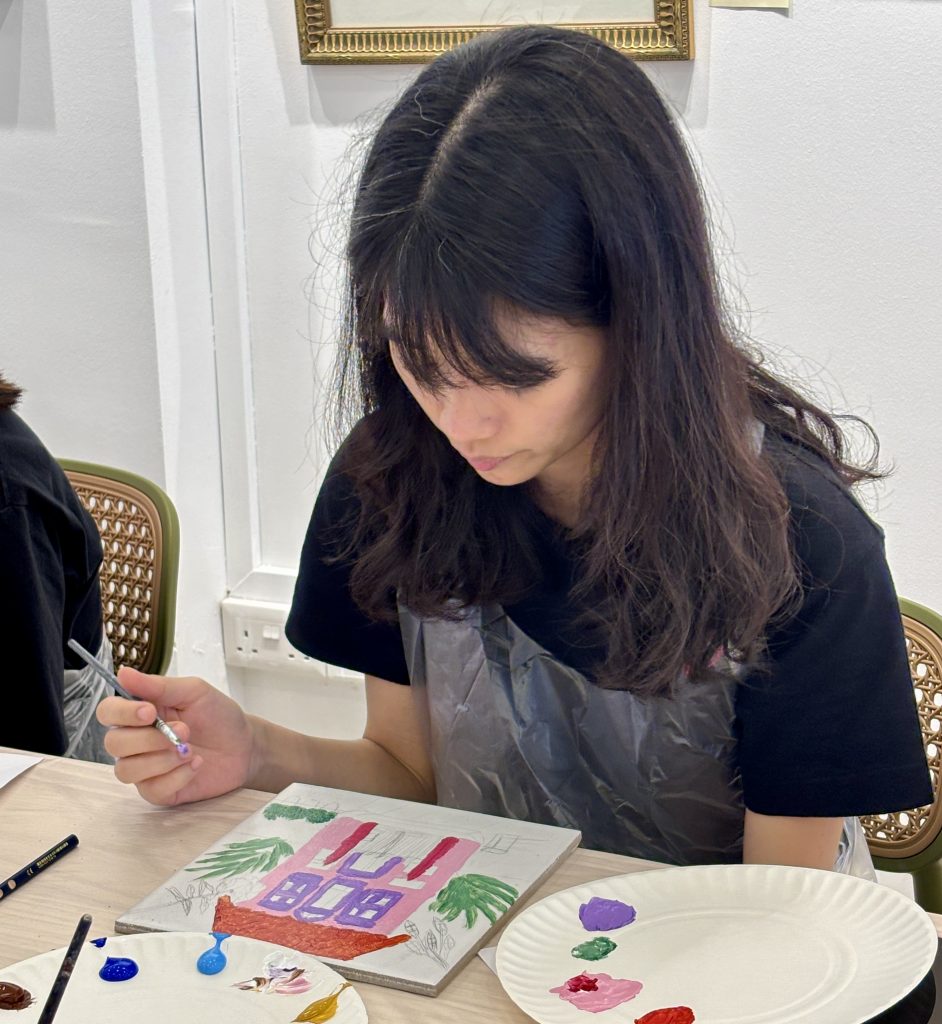
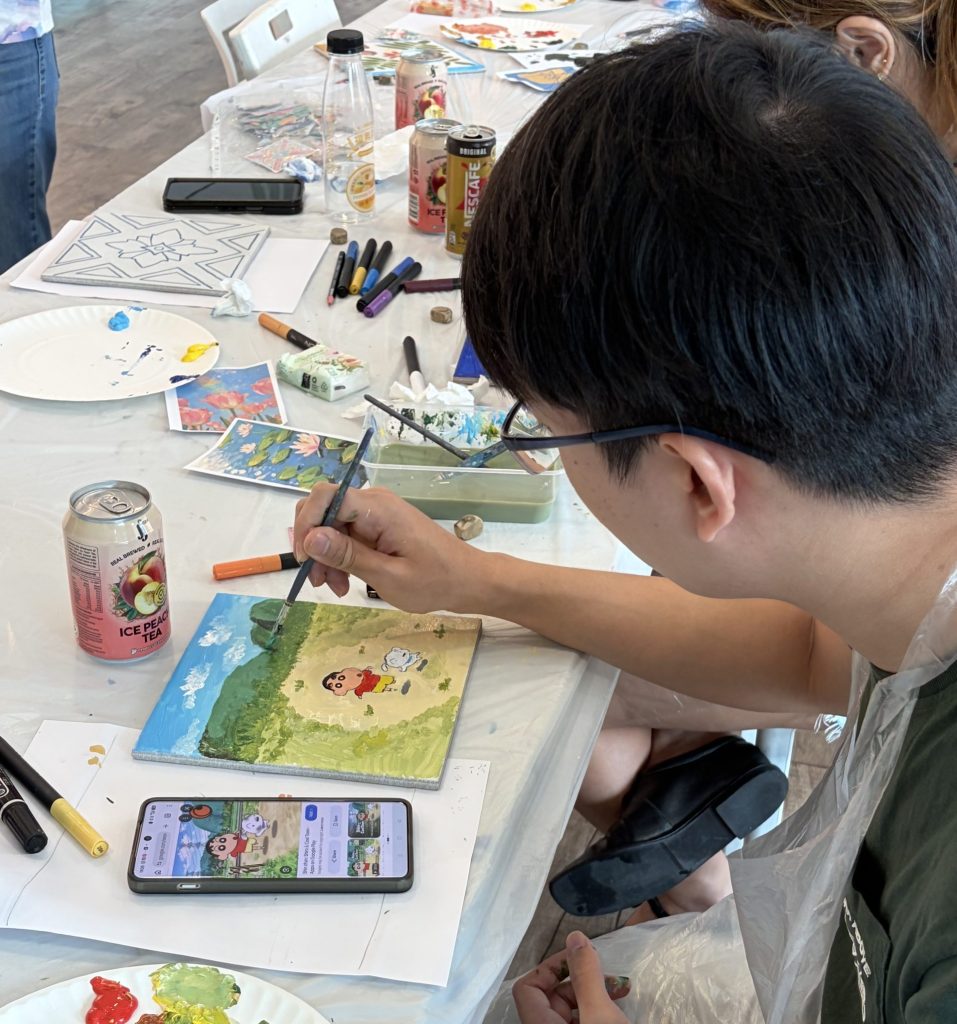
  • Acrylic Painting
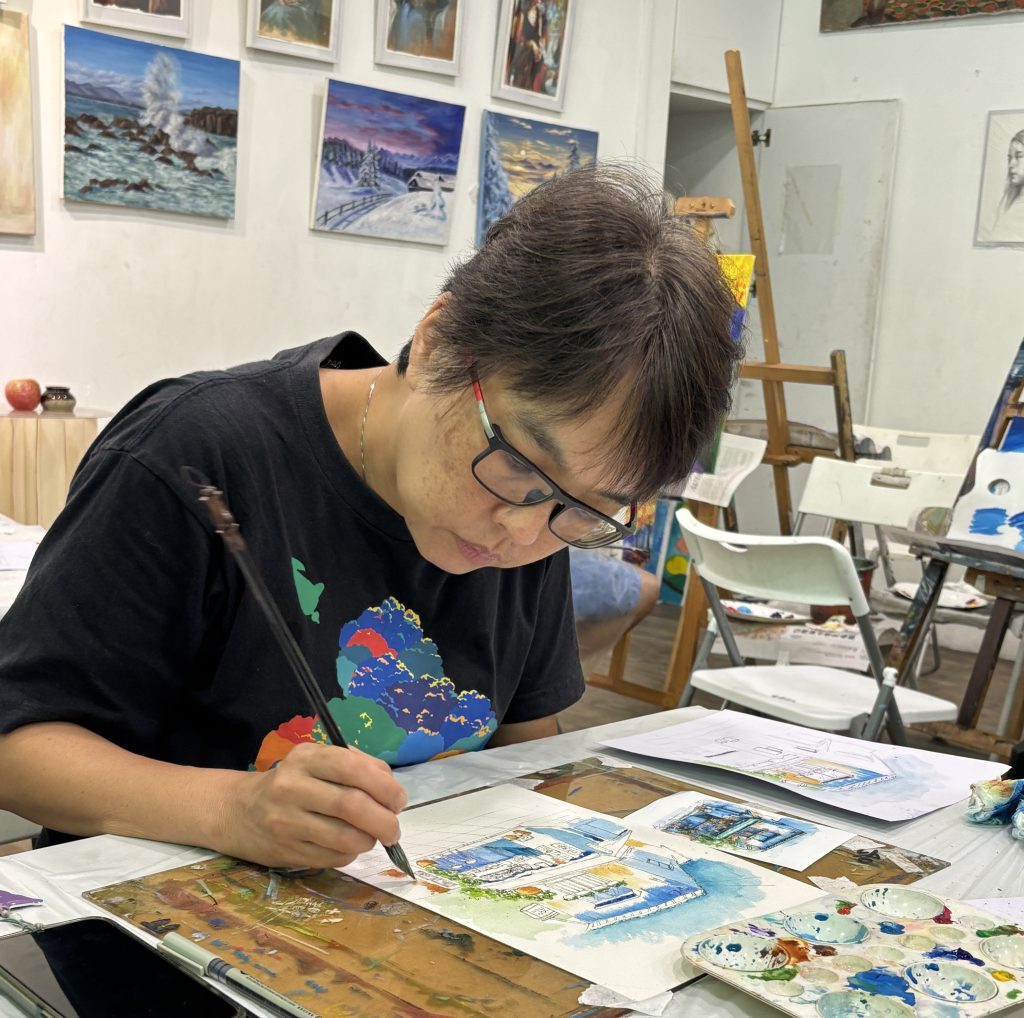
  • Watercolour
  • Chinese Ink Painting
  • Mixed Media Art
  • Nanyang Batik
  • Creative Collage
  • Clay Sculpting
  • Paper Cutting
  • Expressive Doodling
  • Handcrafted Creative Projects

Through step-by-step guidance, participants learn structured Art Therapy processes and practical techniques that can be confidently applied in both personal and professional settings.

Led by Yen Chua, this Art Therapy Course explores how creative expression can become a process of emotional release, mindfulness, and self-reflection.

Participants are guided through intuitive art-making exercises designed to reduce stress, encourage calm, and create space for emotional exploration in a safe and supportive environment.

The workshop includes:

  • Mindfulness-based art exercises
  • Reflective drawing and painting activities
  • Emotional release through creative expression
  • Relaxation-focused creative practice
  • Gentle guidance suitable for all experience levels
Best Professional Watercolour Painting Art Therapy Art Based Healing Art Course in Singapore by Visual Arts Centre for All Ages Adults Seniors Children Teens Beginners

3) Suitable for Everyone — No Artistic Experience Required

No prior art experience is necessary.

The programme welcomes students, working professionals, parents, counsellors, educators, mental health practitioners, and anyone interested in personal growth and emotional well-being.

Whether you wish to reduce stress, explore your inner self, develop emotional resilience, or acquire Art Therapy skills for supporting others or pursuing related helping professions, this course offers a personalised learning journey that nurtures both emotional well-being and practical competence at your own pace.

Upon successful completion of the comprehensive Art Therapy programme, participants will receive a Certificate of Completion issued by the Visual Arts Centre Singapore.

Our Location

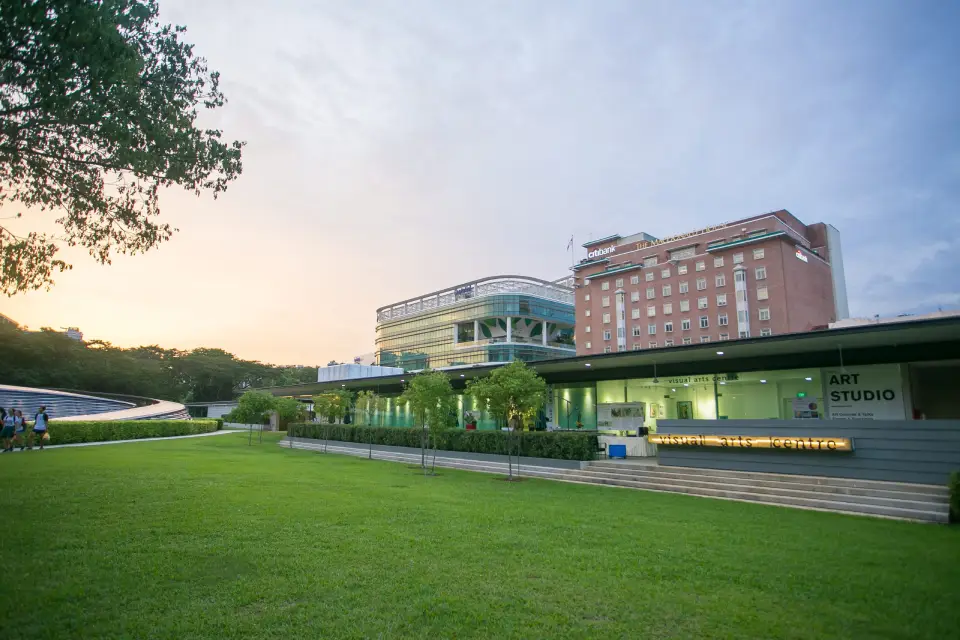
Dhoby Ghaut Art Studio

Address:

10 Penang Road, #01-02 Dhoby Ghaut Green,
Singapore (238469)

Exit from Dhoby Ghaut MRT Station Exit B and turn left, we are there in 30m!

VAC Chinatown Art Gallery & Studio

Address:

20B Mosque Street, Singapore (059500)
*2 minutes walk from Chinatown MRT Station Exit A

Take a left turn upon exiting the Chinatown MRT Station Exit A (Pagoda Street). Turn right to go to Mosque Street. Finally, walk towards 20B, we’re on the 3rd floor of the shophouse.

Foundation In Digital Art

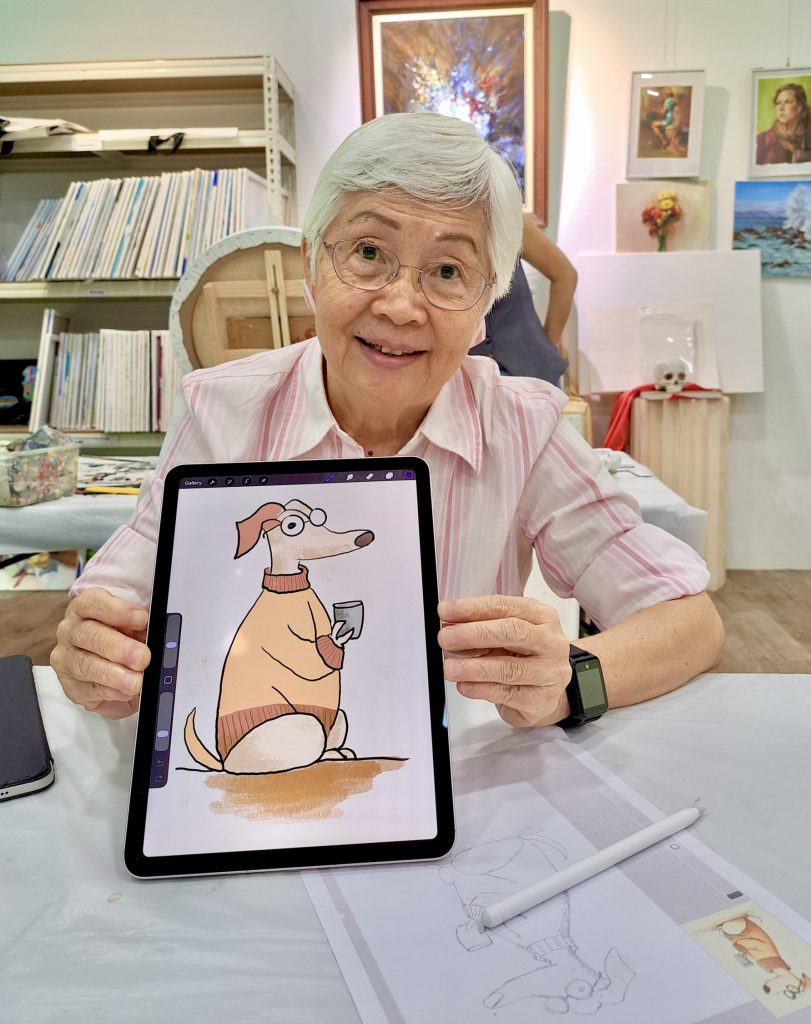
Embark on a captivating journey into the vibrant world of digital art! Our Foundation in Digital Art workshop invites budding creatives aged nine and above to unleash their imagination and hone their artistic skills in a dynamic, supportive environment. From mastering basic digital tools to crafting mesmerizing digital masterpieces, children will explore a spectrum of techniques guided by seasoned mentors. Through hands-on activities and interactive sessions, participants will discover the endless possibilities of digital expression while fostering creativity and critical thinking. Join us for an exhilarating adventure where young artists transform ideas into stunning visual realities, igniting a passion for digital art

Colour & Texture Exploration With Acrylic Painting & Collage
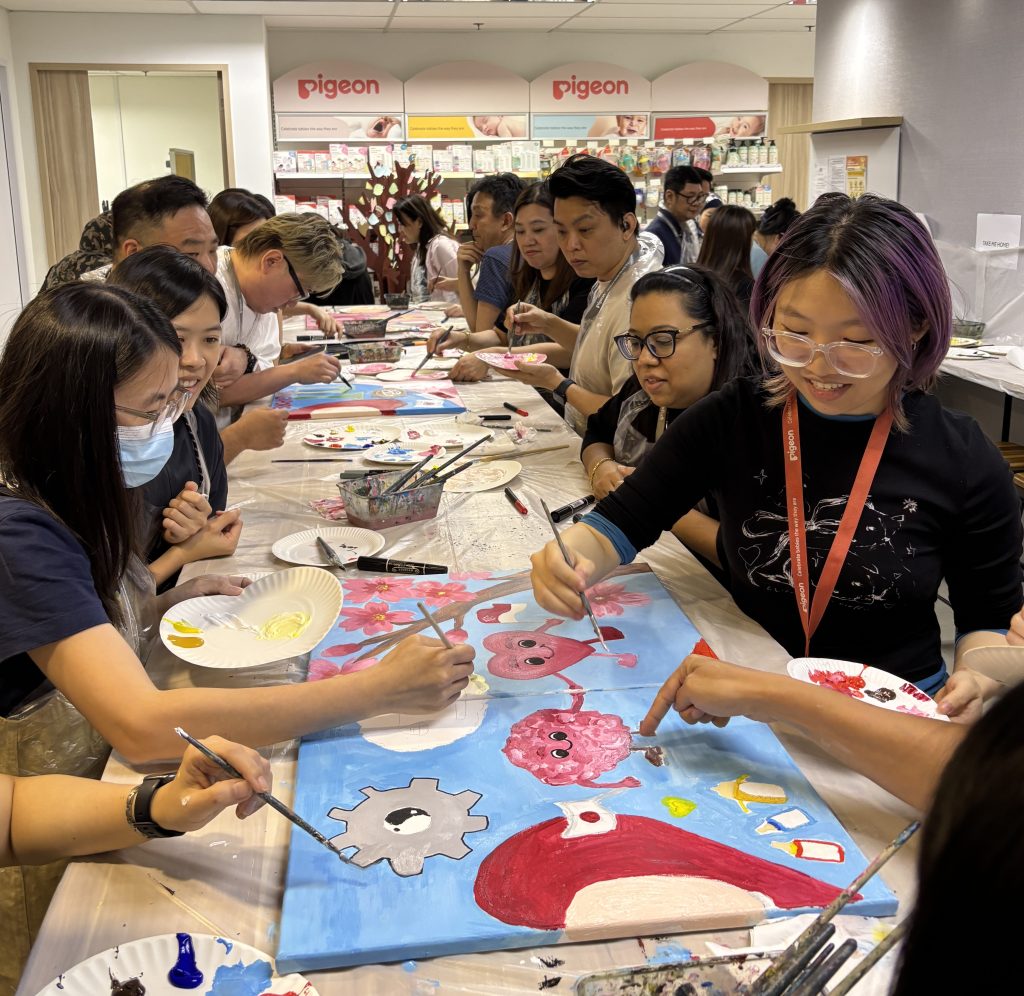
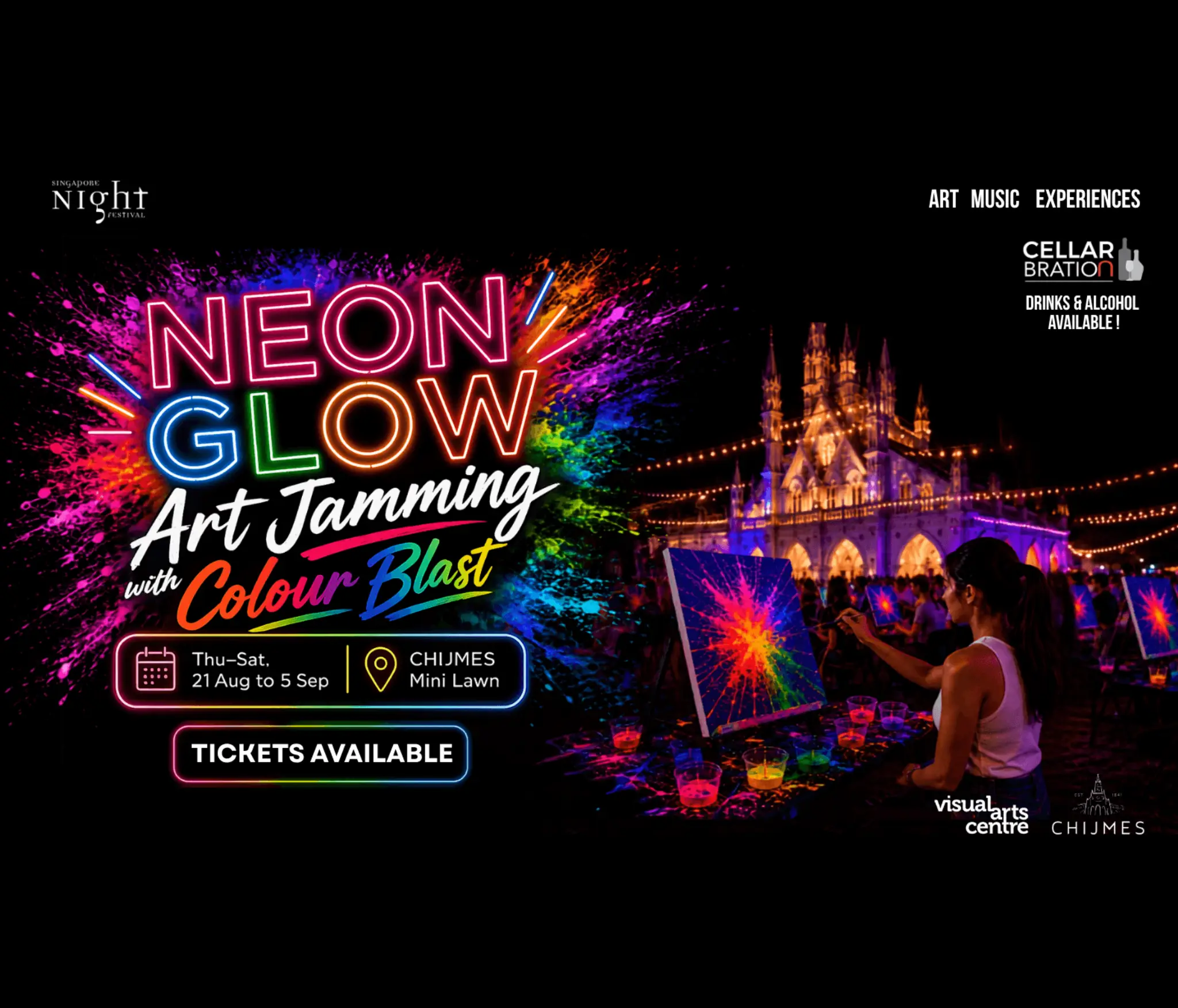
Prepare to unleash your inner artist in a kaleidoscope of color and creativity with ‘Colour Blast: Acrylic Painting & Collage Techniques’! Dive into a whirlwind adventure where vibrant hues and mesmerizing textures collide in a symphony of imagination. From mastering the art of seamless color blending to discovering the magic of mixed media collage, this journey is a playground for your artistic soul. With each brushstroke, explore new techniques that breathe life into your canvas, transforming it into a vibrant tapestry of expression. Join us and let your creativity run wild as you embark on this colorful escapade!”
World of Manga [Foundation & Styling]
A manga art workshop for children and teenagers sounds like a fantastic idea! Here’s how you might structure it:
Introduction to Manga: Begin by introducing what manga is, its history, and its influence on popular culture worldwide. Show examples of different manga styles and genres to give participants an overview.
Basic Drawing Techniques: Start with the fundamentals of drawing, such as line work, shapes, and proportions. Provide step-by-step instructions on how to draw basic manga characters, focusing on simple shapes that can be built upon.
Character Design: Move on to character design concepts, including creating unique characters, designing their personalities, and developing backstories. Encourage participants to get creative and think outside the box.
Expression and Emotion: Teach how to convey emotions and expressions through facial expressions, body language, and positioning of characters. This can be a fun and interactive exercise where participants practice drawing various emotions.
Storytelling and Paneling: Explore the basics of storytelling in manga, including paneling techniques, pacing, and layout. Show examples of different panel structures and discuss how they affect the flow of the story.
Inking and Coloring: Introduce participants to inking techniques using pens or markers. You can also cover digital inking for those interested. Then, demonstrate basic coloring techniques using markers, colored pencils, or digital software.
Feedback and Collaboration: Provide opportunities for participants to share their work and receive feedback from their peers and instructors. Encourage collaboration by having them work together on short manga projects or collaborative drawings.
Final Showcase: End the workshop with a showcase of participants’ work. This could be in the form of an exhibition, digital gallery, or printed booklet. Celebrate everyone’s creativity and progress throughout the workshop.
Remember to create a supportive and encouraging environment where participants feel free to express themselves and explore their creativity. And don’t forget to have fun! Manga is all about imagination and passion, so let that spirit shine through in your workshop.
Academy Drawing Traditions
The academy drawing and sketching tradition, rooted in centuries of artistic practice, emphasizes disciplined study of form, proportion, and technique. Originating from Renaissance workshops and formalized by institutions like the Royal Academy, it prioritizes meticulous observation and mastery of fundamental skills. Students progress from basic exercises to complex compositions, learning to depict still life and common objects with precision and expression. This tradition values both classical principles and innovation, encouraging artists to push boundaries while maintaining a deep respect for tradition. Through rigorous training and critique, artists within this tradition cultivate a strong foundation for creative exploration and artistic excellence.
Chinese Ink Painting and Calligraphy
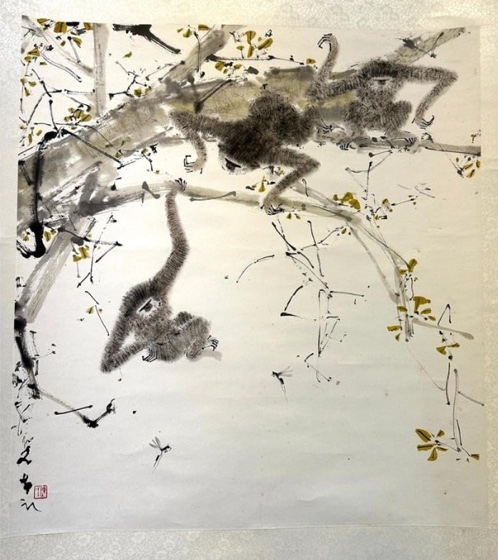
This course on Chinese ink painting and calligraphy introduces young learners to the rich traditions of Chinese art. Through hands-on activities, students explore the basics of brush techniques, ink control, and the delicate art of Chinese script. They learn to appreciate the cultural significance of calligraphy and painting, developing skills in creating elegant strokes and expressive brushwork. The course fosters creativity, patience, and fine motor skills, while also providing insights into Chinese history and aesthetics. By the end, children gain confidence in their artistic abilities and a deeper understanding of Chinese cultural heritage.
Funk with Graffiti
Funk With Graffiti Workshop for children is an engaging and creative program aimed at introducing young artists to the vibrant world of graffiti and funk-inspired street style art. Participants learn the basics of graffiti history, techniques, and safety. Guided by professional graffiti artists, children explore the art of designing their unique tags, emphasizing creativity, expression, and individuality. The workshop includes hands-on activities, from sketching concepts to creating final designs with spray paint on provided surfaces. By the end of the session, children gain confidence in their artistic abilities and an appreciation for graffiti and funk as legitimate forms of street art. Each child completes two original artworks, which they proudly take home, showcasing their newfound skills and personal style.
Batik Tales

In the Batik Introduction Handkerchief Painting workshop, participants will learn the traditional art of batik, a wax-resist dyeing technique originating from Indonesia. The workshop begins with a brief history and overview of batik, highlighting its cultural significance and various techniques. Participants will then observe a demonstration of applying wax with tjanting tools and dyeing the fabric. Following the demonstration, each participant will design and create their own batik handkerchief, applying wax to create patterns and then dyeing their fabric. The workshop concludes with a group discussion, allowing participants to share their creations and reflect on their learning experience.