Video Dekstop-Chen Wen HSI
Video Chen Wen HSI

Appreciating the Art of Chen Wen Hsi: 10 Key Points on His Legacy and Collectibility

Chen Wen Hsi (1906–1991) is one of Singapore’s most celebrated and influential pioneer artists. Regarded as a first-generation artist, Chen was at the forefront of the Chinese avant-garde movement in Singapore during the 1950s. He was a member of the distinguished group of five who founded the Nanyang style—a landmark achievement in the art history of Southeast Asia. A highly esteemed painter and educator, Chen’s works shaped decades of artistic development even before Singapore’s independence. His endless inventiveness and mastery in Chinese painting have earned him the enduring respect of both Chinese and international art circles.
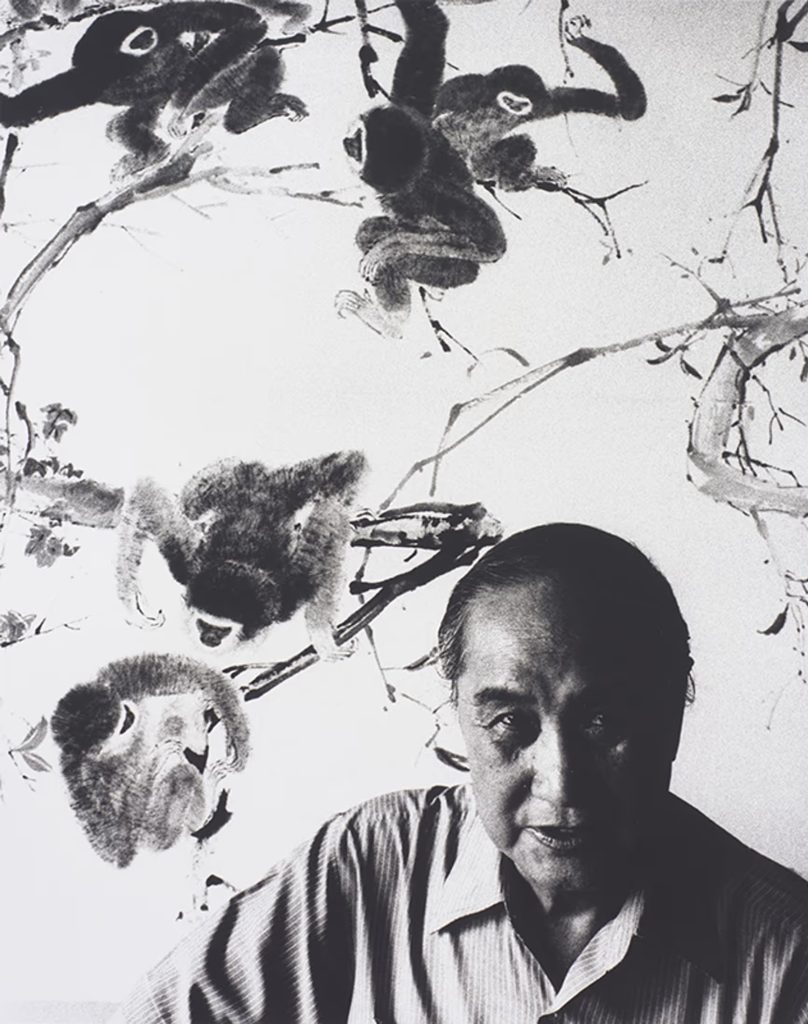
Painter Chen Wen Hsi (1985-1988) in a portrait photograph (silver gelatin print)

Painter Chen Wen Hsi (1985-1988) in a portrait photograph (silver gelatin print) taken by Singaporean photographer and Cultural Medallion recipient Chua Soo Bin. PHOTO: COURTESY OF NATIONAL GALLERY SINGAPORE, via The Straits Times.

To fully appreciate Chen Wen Hsi’s art and determine his significance as a collectible artist, here are ten essential points.

1. A Founding Pioneer of the Nanyang Style

The Nanyang style emerged when Chen Wen Hsi, together with Cheong Soo Pieng, Liu Kang, Chen Chong Swee, and Georgette Chen, integrated Chinese ink traditions with Western modernist techniques, adapting them to Southeast Asian subject matter. This synthesis created a visual language that reflected Singapore’s multicultural identity and tropical environment. Chen’s role in this pioneering moment places him among the most important figures in Singaporean and Southeast Asian art history.

2. Versatility Across Ink and Oil

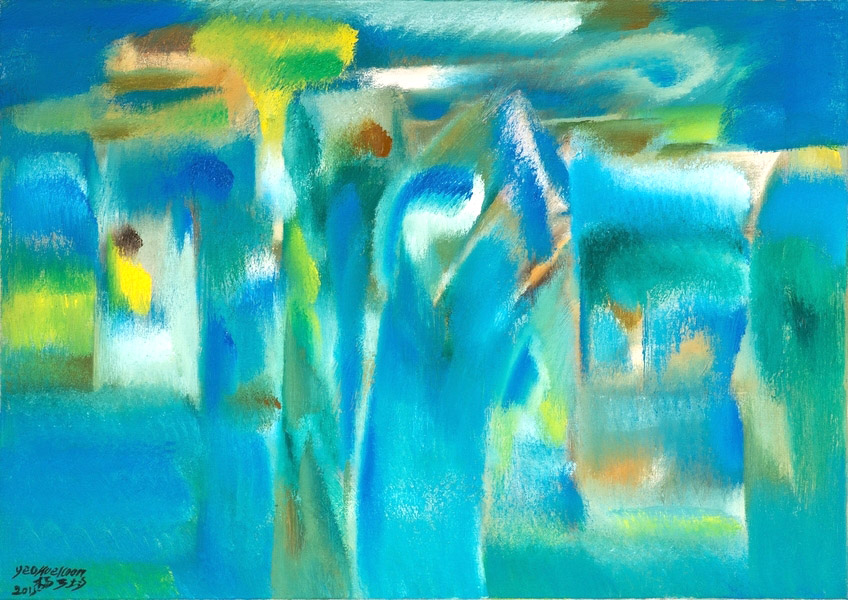
Abstract Cranes, c. 1960s, Oil on canvas

Abstract Cranes, c. 1960s, Oil on canvas. Collection: National Heritage Board, Singapore. PHOTO: Google Arts and Culture.

Chen Wen Hsi’s brilliance lay in his dual mastery of traditional Chinese ink painting and Western oil painting. While his ink works reflect centuries of Chinese artistic tradition, his oil paintings reveal his engagement with Western movements such as Cubism and Fauvism. Few artists could traverse these worlds with equal authenticity. His ability to harmonize two contrasting traditions made his oeuvre both innovative and timeless.

3. Themes Rooted in Nature and Daily Life

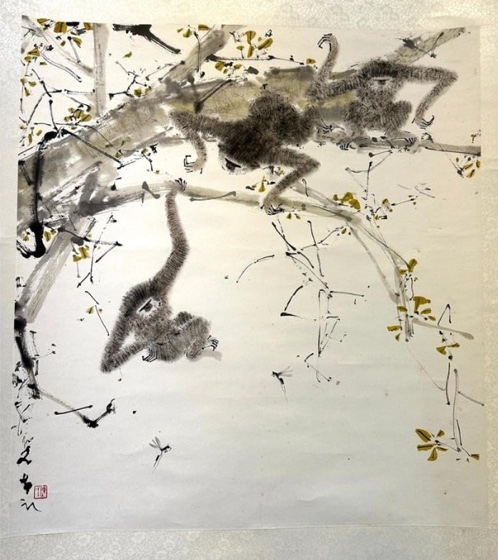
chen_wen_hsi_陈文希_artwork_for_sale_gibbons

Gibbons, Chinese Ink and Color on Paper, 50 x 54cm. Price Range: SGD $42,000 – $50,000. Showcased as part of The Private Art Sale II collection.

Chen is perhaps best known for his animal paintings, particularly gibbons, birds, fish, and squirrels. His brushwork imbued these creatures with vitality, elegance, and symbolism. His gibbons became iconic representations of freedom, playfulness, and grace, appearing repeatedly in his oeuvre. Beyond animals, he depicted local market scenes (Pasar), landscapes, and ordinary people, encapsulating the vibrancy of Southeast Asian life with lyrical sensitivity.

4. Avant-Garde Spirit and Abstraction

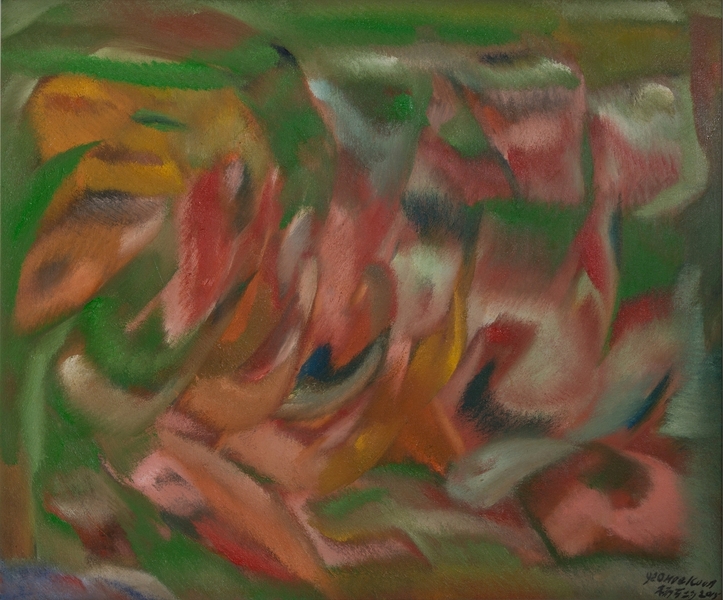
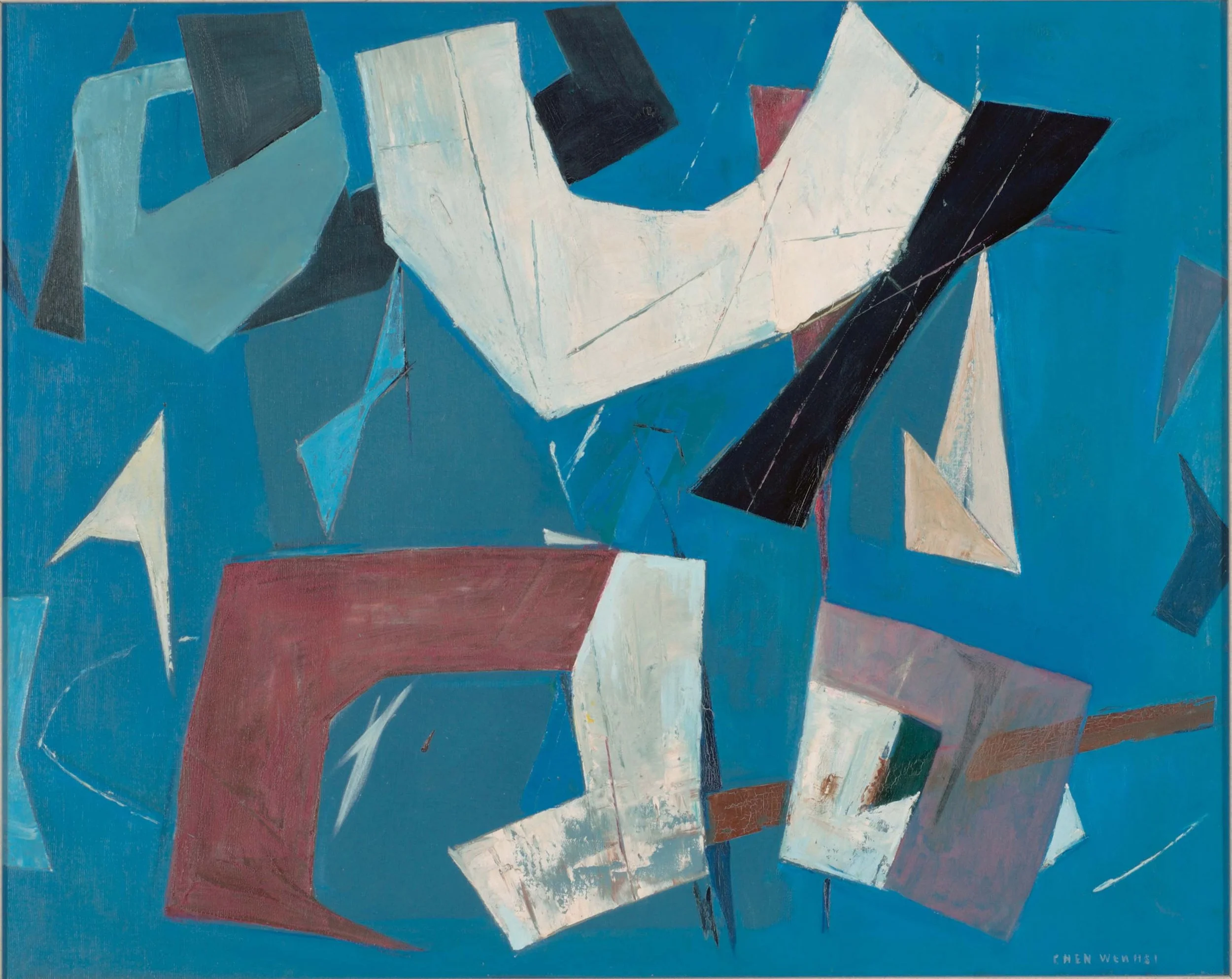
Teo Hui Min (left) discussing Chen Wen Hsi’s oil on board work Oasis (1972) during a media tour on Sept 5

National Gallery Singapore curator Teo Hui Min (left) discussing Chen Wen Hsi’s oil on board work Oasis (1972) during a media tour on Sept 5. The painting was previously conserved, so it only needed a light dusting and protection on the verso in preparation for exhibition. PHOTO: The Straits Times.

While deeply rooted in tradition, Chen was also an avant-garde thinker. His works often employed angular compositions, fragmented perspectives, and experimentation with form influenced by Cubism and abstraction. Yet he balanced this modernist impulse with the rhythmic fluidity of Chinese brushwork. This fusion made his art universally appealing while retaining a distinct Asian essence.

5. Cultural Legacy and National Identity

Chen Wen Hsi’s work is part of Singapore’s collective memory. His paintings have been reproduced on stamps, commemorative ingots, EZ-link cards, and other national memorabilia. Most notably, his painting Two Gibbons Amidst Vines is immortalized on the reverse side of the Singapore S$50 banknote. Few artists achieve such cultural enshrinement, making his works symbolic not just of art history, but of national identity itself.

6. Influence as a Teacher and Mentor

Beyond his studio practice, Chen was an inspiring educator. He taught at the Nanyang Academy of Fine Arts (NAFA), shaping generations of artists with his commitment to discipline, creativity, and cross-cultural fluency. His role as a mentor extended his influence beyond his lifetime, as many of his students became leading figures in the Singaporean and regional art scenes. This impact cements his place not just as a painter, but as a visionary who nurtured Singapore’s artistic growth.

7. Institutional and Critical Recognition

Chen Wen Hsi received the Cultural Medallion in 1982, Singapore’s highest honor for artistic achievement. His works are housed in major collections such as the National Gallery Singapore, the Singapore Art Museum, and private holdings internationally. Institutional recognition validates his role as a master of Singaporean modern art, ensuring his continued presence in exhibitions, catalogues, and critical discourse.

8. Auction Market Records

Chen Wen Hsi’s market performance reflects his standing among collectors of Asian modern art. Some of his most notable auction results include:

Pasar (Oil on canvas) – Sold for HK$17.22 million (approx. US$2.2 million) at Sotheby’s Hong Kong in 2013, his highest record to date.
Abstract Composition (1963) – Achieved HK$7.9 million at Christie’s Hong Kong in 2019.
Two Gibbons Amidst Vines – Variations of this theme have consistently fetched between HK$3–6 million in regional auctions.

These achievements place him in the same league as the most collectible Southeast Asian modernists, underscoring both his cultural importance and investment value.

9. Investment Potential and Accessibility

Chen’s market is robust and stable, appealing to seasoned investors as well as first-time collectors. While masterpieces like Pasar command multi-million-dollar bids, smaller ink works, sketches, and studies remain accessible to collectors at different levels, often starting below US$50,000. This range ensures that his works are both attainable and aspirational, giving collectors multiple entry points into his oeuvre.

10. A Legacy Beyond the Marketplace

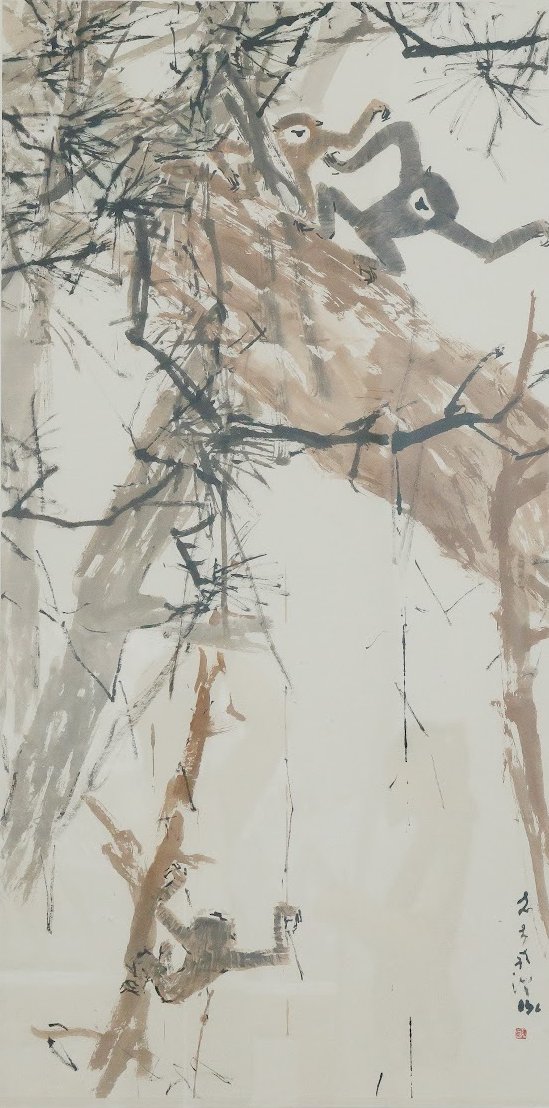
chen_wen_hsi_陈文希_artwork_for_sale_gibbons_on_the_pine

Gibbons on the Pine, Chinese Ink on Paper, 191 x 100cm. Price Range: SGD $78,000 – $108,000. Showcased as part of The Private Art Sale II collection.

Ultimately, Chen Wen Hsi’s significance transcends monetary value. His art embodies the story of Singapore’s cultural awakening, reflecting its journey from colonial settlement to independent nation. To own a Chen Wen Hsi piece is to hold a fragment of this journey—a cultural anchor that bridges East and West, tradition and modernity. Collecting his works is not just about investment but about preserving a piece of Southeast Asia’s artistic heritage.

Conclusion: Why Chen Wen Hsi Is Worth Collecting

Chen Wen Hsi is not only worth collecting; he is essential to any serious collection of Southeast Asian modern art. His pioneering role in the Nanyang style, his mastery of both ink and oil, his influence as an educator, and his deep imprint on Singapore’s national identity make him a cornerstone of regional art history.

His highest auction record of US$2.2 million reflects the market’s recognition of his brilliance, while his cultural immortality—appearing on stamps, commemorative items, and currency—underscores his enduring legacy. For collectors, his works offer both cultural depth and financial stability. For Singapore and beyond, Chen Wen Hsi remains an artist whose vision continues to inspire, decades after his passing.

In appreciating Chen Wen Hsi, we do not merely celebrate a painter; we honor a pioneer, an educator, and a cultural icon whose works will remain treasures for generations.

Foundation In Digital Art

Embark on a captivating journey into the vibrant world of digital art! Our Foundation in Digital Art workshop invites budding creatives aged nine and above to unleash their imagination and hone their artistic skills in a dynamic, supportive environment. From mastering basic digital tools to crafting mesmerizing digital masterpieces, children will explore a spectrum of techniques guided by seasoned mentors. Through hands-on activities and interactive sessions, participants will discover the endless possibilities of digital expression while fostering creativity and critical thinking. Join us for an exhilarating adventure where young artists transform ideas into stunning visual realities, igniting a passion for digital art

Colour & Texture Exploration With Acrylic Painting & Collage
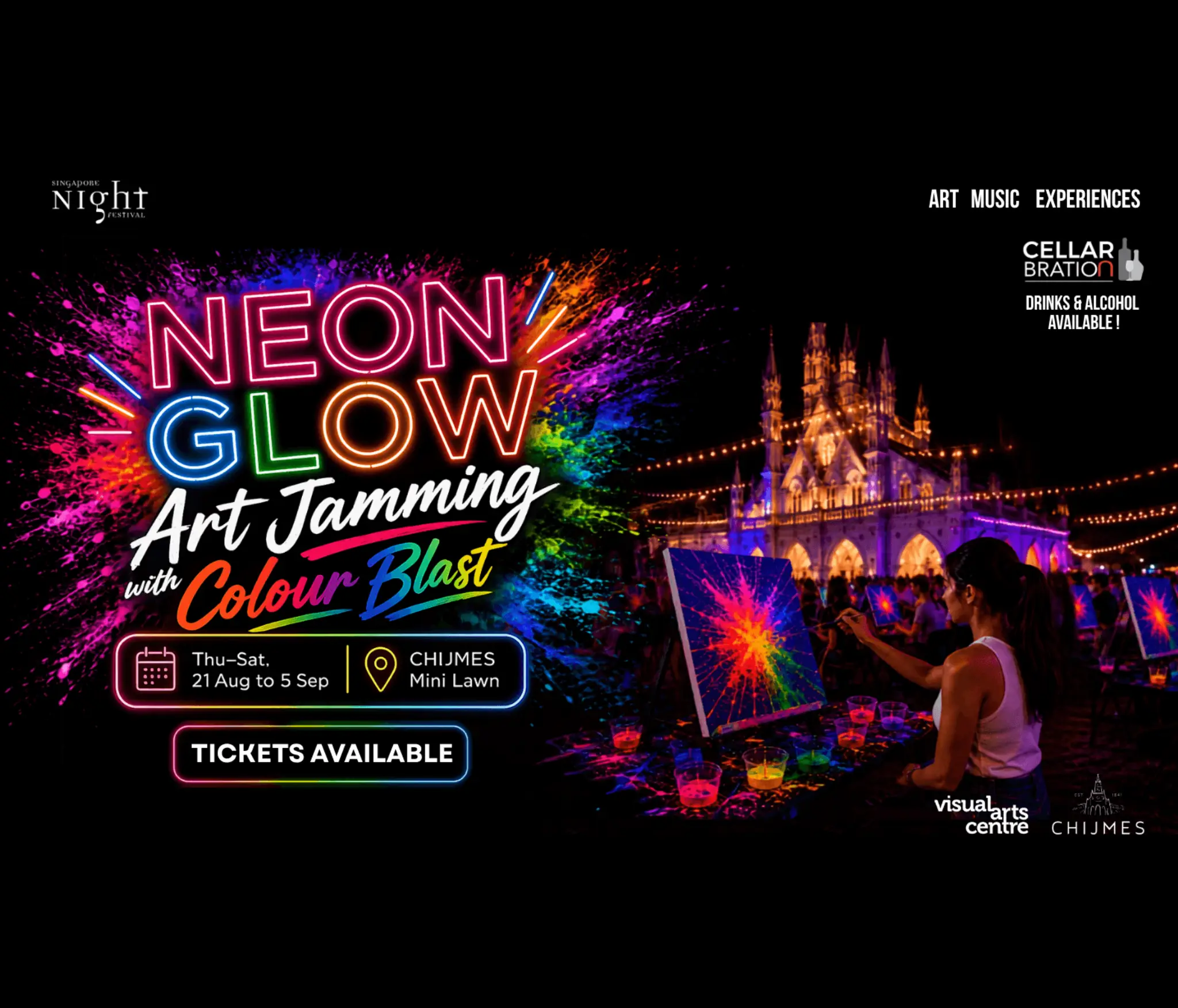
Prepare to unleash your inner artist in a kaleidoscope of color and creativity with ‘Colour Blast: Acrylic Painting & Collage Techniques’! Dive into a whirlwind adventure where vibrant hues and mesmerizing textures collide in a symphony of imagination. From mastering the art of seamless color blending to discovering the magic of mixed media collage, this journey is a playground for your artistic soul. With each brushstroke, explore new techniques that breathe life into your canvas, transforming it into a vibrant tapestry of expression. Join us and let your creativity run wild as you embark on this colorful escapade!”
World of Manga [Foundation & Styling]
A manga art workshop for children and teenagers sounds like a fantastic idea! Here’s how you might structure it:
Introduction to Manga: Begin by introducing what manga is, its history, and its influence on popular culture worldwide. Show examples of different manga styles and genres to give participants an overview.
Basic Drawing Techniques: Start with the fundamentals of drawing, such as line work, shapes, and proportions. Provide step-by-step instructions on how to draw basic manga characters, focusing on simple shapes that can be built upon.
Character Design: Move on to character design concepts, including creating unique characters, designing their personalities, and developing backstories. Encourage participants to get creative and think outside the box.
Expression and Emotion: Teach how to convey emotions and expressions through facial expressions, body language, and positioning of characters. This can be a fun and interactive exercise where participants practice drawing various emotions.
Storytelling and Paneling: Explore the basics of storytelling in manga, including paneling techniques, pacing, and layout. Show examples of different panel structures and discuss how they affect the flow of the story.
Inking and Coloring: Introduce participants to inking techniques using pens or markers. You can also cover digital inking for those interested. Then, demonstrate basic coloring techniques using markers, colored pencils, or digital software.
Feedback and Collaboration: Provide opportunities for participants to share their work and receive feedback from their peers and instructors. Encourage collaboration by having them work together on short manga projects or collaborative drawings.
Final Showcase: End the workshop with a showcase of participants’ work. This could be in the form of an exhibition, digital gallery, or printed booklet. Celebrate everyone’s creativity and progress throughout the workshop.
Remember to create a supportive and encouraging environment where participants feel free to express themselves and explore their creativity. And don’t forget to have fun! Manga is all about imagination and passion, so let that spirit shine through in your workshop.
Academy Drawing Traditions
The academy drawing and sketching tradition, rooted in centuries of artistic practice, emphasizes disciplined study of form, proportion, and technique. Originating from Renaissance workshops and formalized by institutions like the Royal Academy, it prioritizes meticulous observation and mastery of fundamental skills. Students progress from basic exercises to complex compositions, learning to depict still life and common objects with precision and expression. This tradition values both classical principles and innovation, encouraging artists to push boundaries while maintaining a deep respect for tradition. Through rigorous training and critique, artists within this tradition cultivate a strong foundation for creative exploration and artistic excellence.
Chinese Ink Painting and Calligraphy
This course on Chinese ink painting and calligraphy introduces young learners to the rich traditions of Chinese art. Through hands-on activities, students explore the basics of brush techniques, ink control, and the delicate art of Chinese script. They learn to appreciate the cultural significance of calligraphy and painting, developing skills in creating elegant strokes and expressive brushwork. The course fosters creativity, patience, and fine motor skills, while also providing insights into Chinese history and aesthetics. By the end, children gain confidence in their artistic abilities and a deeper understanding of Chinese cultural heritage.
Funk with Graffiti
Funk With Graffiti Workshop for children is an engaging and creative program aimed at introducing young artists to the vibrant world of graffiti and funk-inspired street style art. Participants learn the basics of graffiti history, techniques, and safety. Guided by professional graffiti artists, children explore the art of designing their unique tags, emphasizing creativity, expression, and individuality. The workshop includes hands-on activities, from sketching concepts to creating final designs with spray paint on provided surfaces. By the end of the session, children gain confidence in their artistic abilities and an appreciation for graffiti and funk as legitimate forms of street art. Each child completes two original artworks, which they proudly take home, showcasing their newfound skills and personal style.
Batik Tales

In the Batik Introduction Handkerchief Painting workshop, participants will learn the traditional art of batik, a wax-resist dyeing technique originating from Indonesia. The workshop begins with a brief history and overview of batik, highlighting its cultural significance and various techniques. Participants will then observe a demonstration of applying wax with tjanting tools and dyeing the fabric. Following the demonstration, each participant will design and create their own batik handkerchief, applying wax to create patterns and then dyeing their fabric. The workshop concludes with a group discussion, allowing participants to share their creations and reflect on their learning experience.