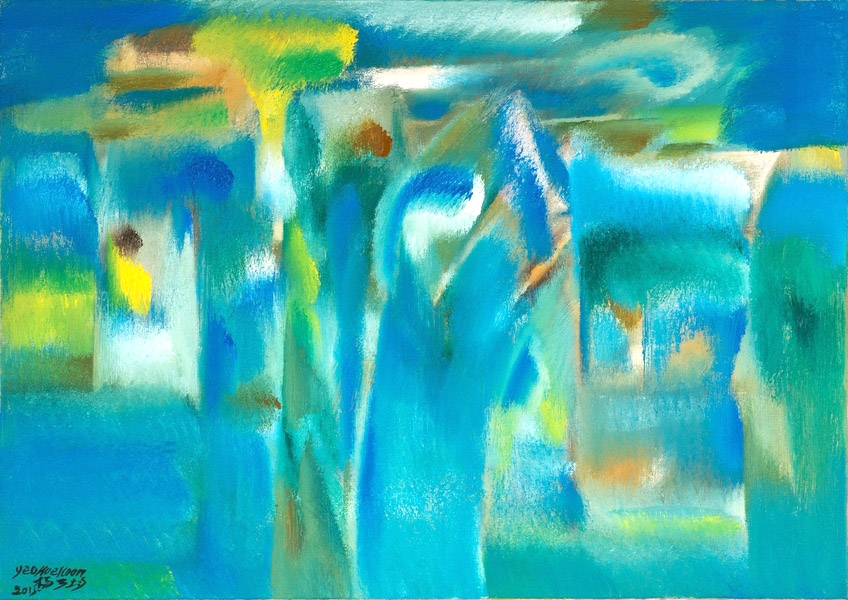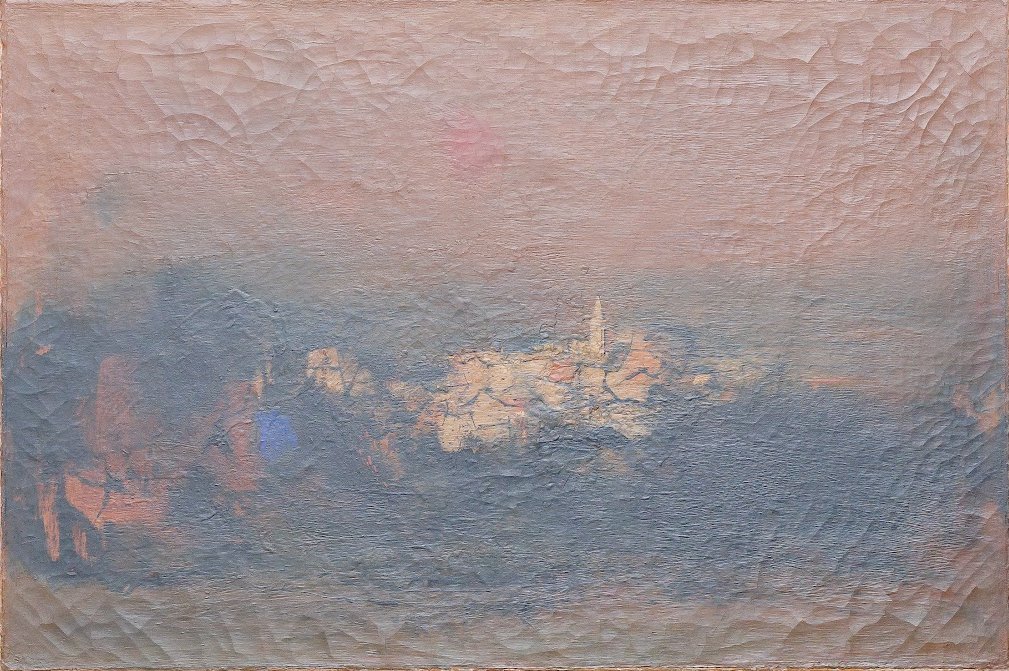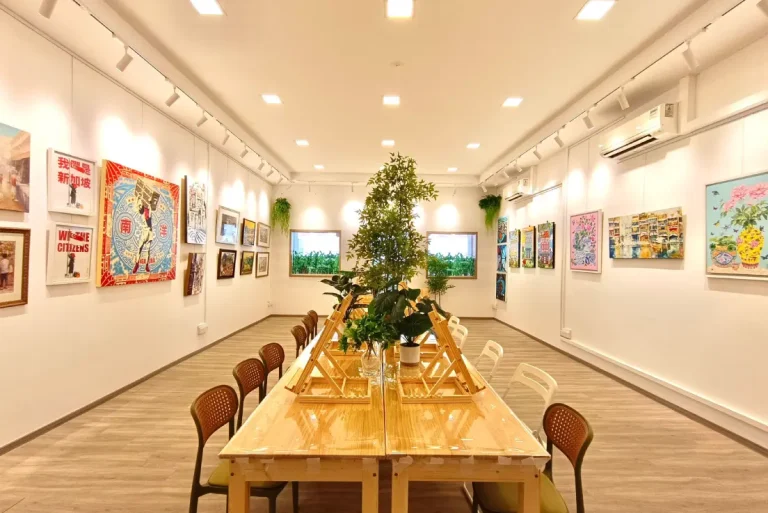


Yeo Hoe Koon
Oil on Canvas
64 x 89.5 cm
Price Range: $16,000 - $20,000
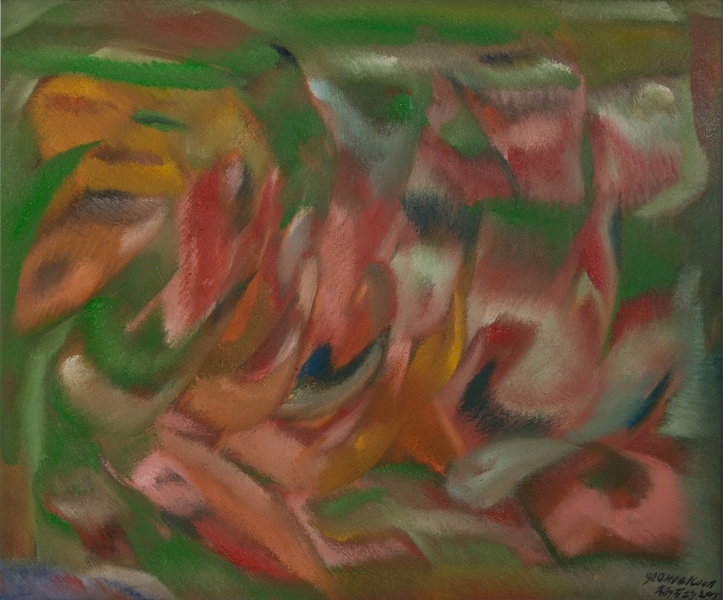
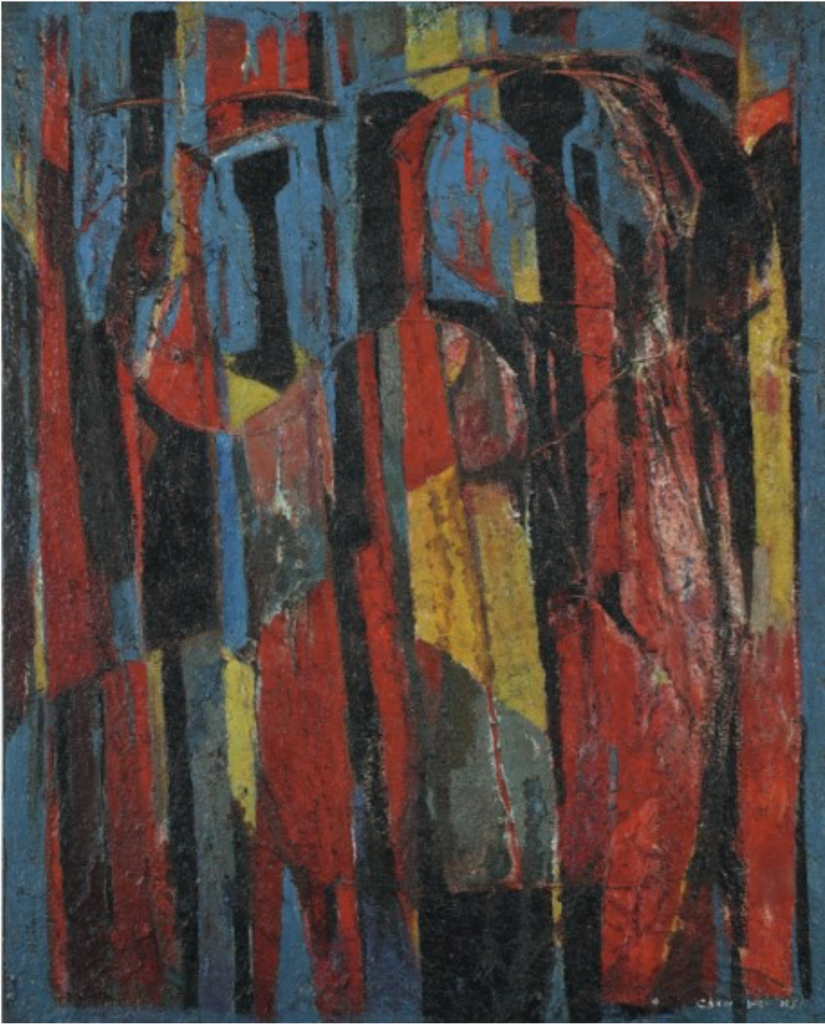
Yeo Hoe Koon
Oil on Canvas
101 x 123 cm
Price Range: $26,000 - $32,000
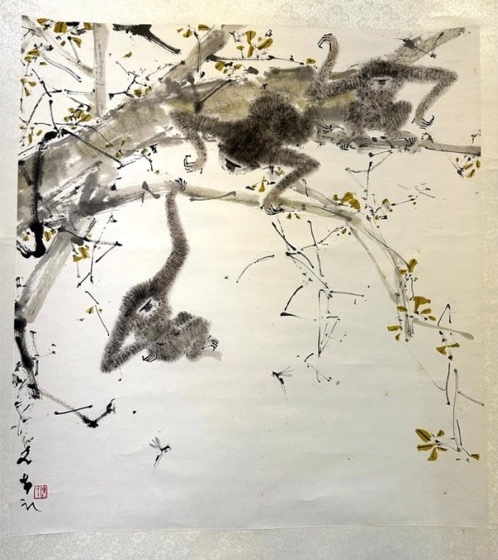
Chen Wen Hsi
Chinese Ink and Color on Paper
50 x 54cm
Price Range: SGD $42,000 - $50,000
Cheong Soo Pieng
Red Tone
61 x 91.5cm
Price Range: SGD $108,000 - $138,000
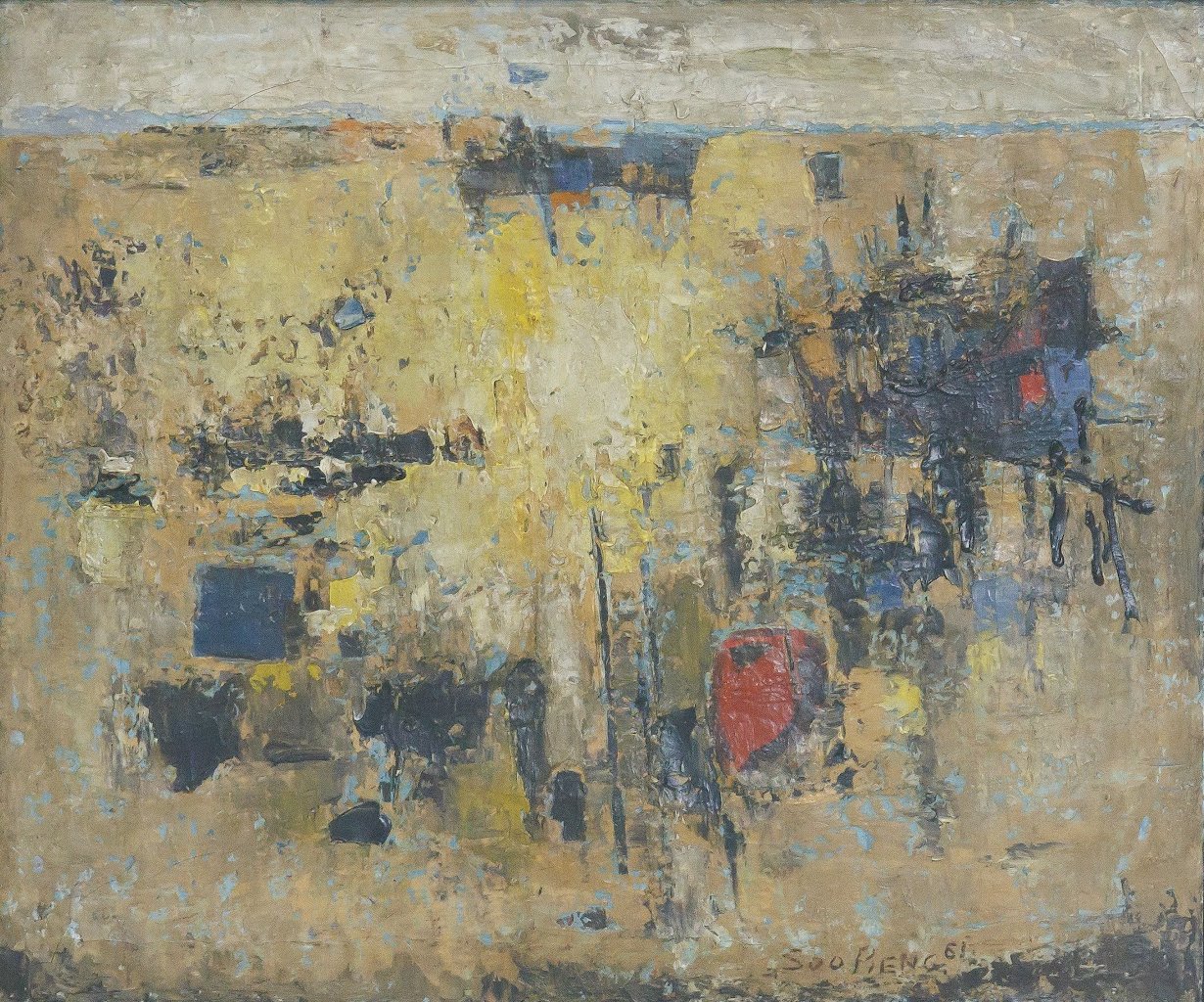
Cheong Soo Pieng
Abstract Landscape
50 x 61cm
Price Range: SGD $95,000 -$128,000
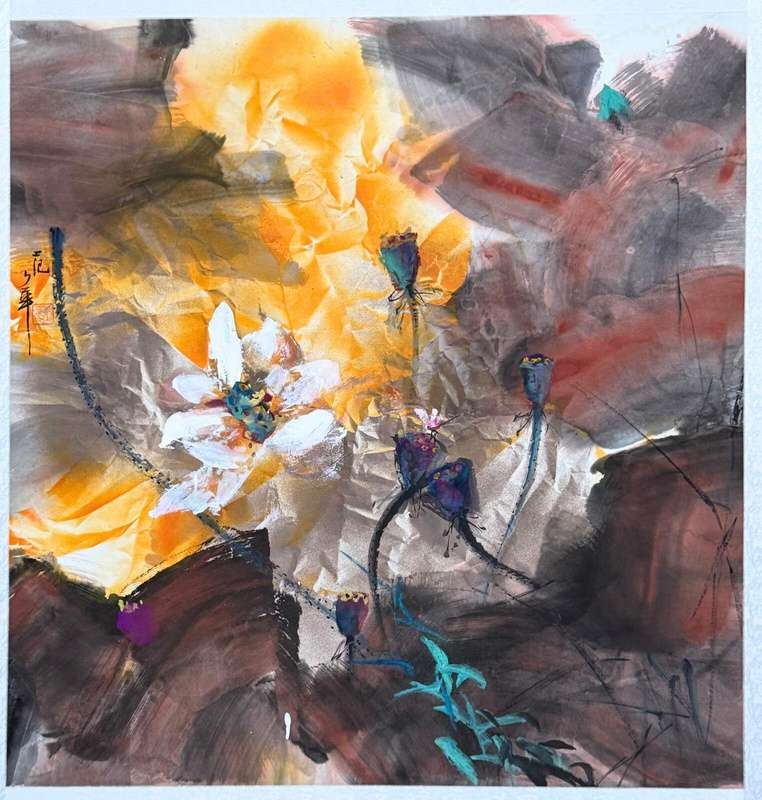
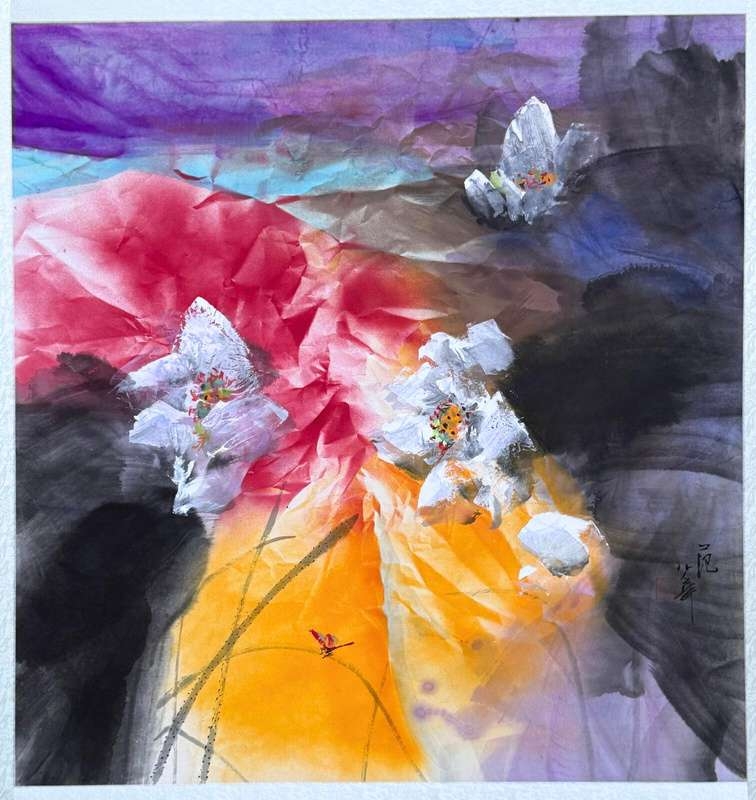
Fan Shao Hua
Chinese Ink and Colour on Paper
100 x 100cm
Price Range: SGD $9,800 - $14,800
Fan Shao Hua
Chinese Ink and Colour on Paper
100 x 100cm
Price Range: SGD $8,800 - $13,800
In the Southeast Asian art market, works by Singapore’s first- and second-generation artists are prized for their scarcity and their place in the nation’s history. Together, these artists chart Singapore’s art history and gave rise to Nanyang art, the first distinctly Singaporean and Malayan modern art style. “Nanyang” (南洋), meaning “Southern Seas”, is the Chinese term for Southeast Asia.
The style was pioneered largely by Chinese immigrant artists who had trained in Shanghai, Xiamen and, in some cases, Paris, before settling in Singapore from the 1930s onward. Many taught at the Nanyang Academy of Fine Arts (NAFA), founded in 1938 by Lim Hak Tai, which became the heart of the movement. Their work fused the brushwork and calligraphic line of Chinese ink painting with the bold colour and flattened forms of the School of Paris, and turned both towards Southeast Asian subjects: kampongs, fishing villages, markets, rubber plantations, tropical fruit and the people of the region. A defining moment came in 1952, when Liu Kang, Chen Chong Swee, Chen Wen Hsi and Cheong Soo Pieng travelled to Bali in search of an authentically regional subject. The exhibition that followed in 1953 is widely regarded as the high point of the Nanyang style.
These paintings record a changing Singapore as the island grew from a colonial port into an independent nation. This historical significance, together with the limited number of works in circulation, has made them a preferred category for museum collections and seasoned private collectors alike.
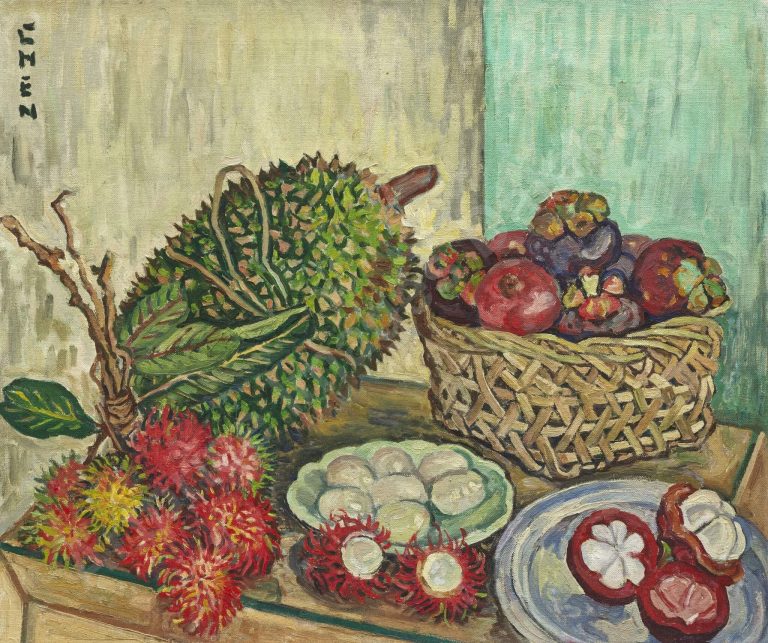
Georgette Chen, Still Life With Big Durian, 1965, S$2.47 million
PHOTO: CHRISTIE’S IMAGES LIMITED 2023
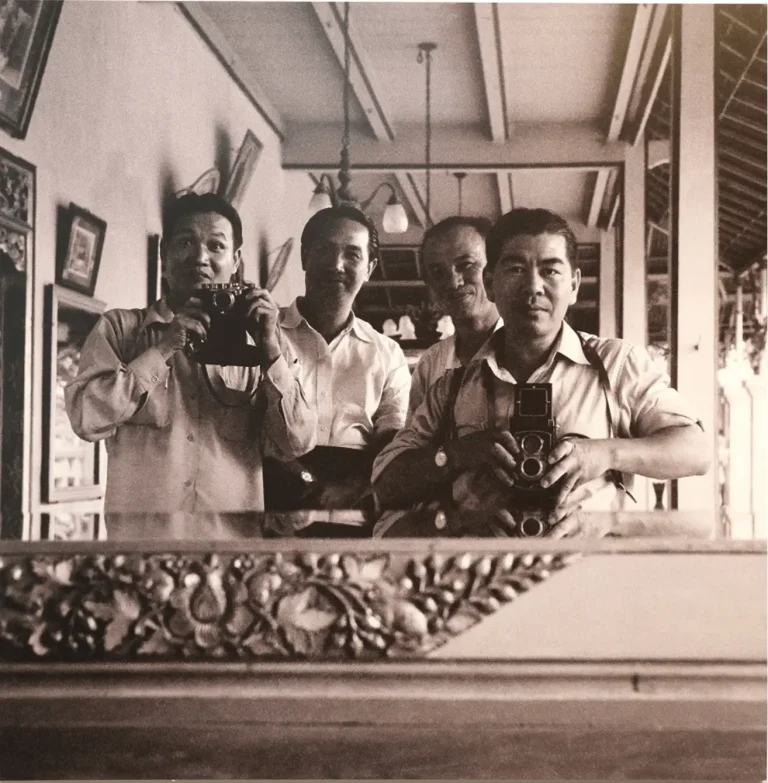
右起:新加坡先驱艺术家刘抗、罗铭(刘抗的上海同学)、陈文希和钟泗宾。
(图片取自 Bali 1952: Through the Lens of Liu Kang )
Singapore’s first-generation artists, also known as the Nanyang artists or Singapore’s pioneer artists, were active from the early 20th century through the 1960s. They laid the foundations of Singapore’s art and created the Nanyang style.
Most of them moved to Singapore with their families in their early years, having received formal art training in China and a grounding in traditional Chinese ink painting. Several went on to study abroad, where they encountered Western art first-hand. As a result, their work draws deeply on both Eastern and Western traditions, combining the brush and ink of Chinese painting with the light and shadow of Western oil technique, and applying both to the tropical landscapes and cultural life of the region. In breaking the boundaries of tradition, they shaped an aesthetic that belongs uniquely to Singapore, and established themselves as pioneers of modern Southeast Asian art. Their works are held in the permanent collections of National Gallery Singapore and other national museums, and stand as benchmarks in the region’s art history.
Liu Kang, Chen Wen Hsi, Chen Chong Swee, Cheong Soo Pieng and Georgette Chen are the defining figures of the Nanyang style, and their place in Singapore’s art history is unrivalled. Other equally notable first-generation artists include Fan Chang Tien, Lim Hak Tai, Chen Jen Hao, See Hiang To, Lim Cheng Hoe, Wu Tsai Yen, and Lee Man Fong.
Liu Kang (刘抗) trained in Shanghai and Paris, and brought the bold colour and flattened forms of the School of Paris to Southeast Asian subjects. His vibrant scenes of Bali and Malayan village life are among the most recognisable images of the Nanyang style, and he was a leading figure in building Singapore’s art community through the Singapore Art Society.
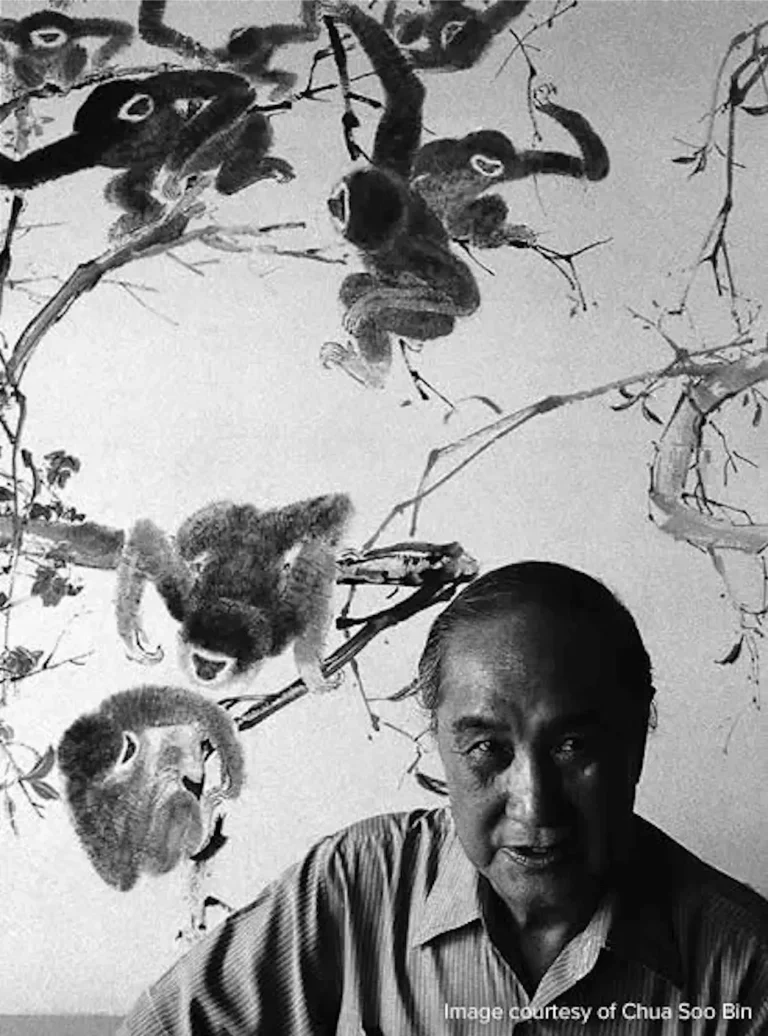
Image of Chen Wen Hsi
(Photo credits: Chua Soo Bin)
Chen Wen Hsi (陈文希) is celebrated for his gibbons and herons, which combine the spontaneity of Chinese ink with the structure of Cubism. A long-serving teacher at NAFA, he influenced generations of Singapore artists, and his painting of gibbons appears on Singapore’s $50 note.
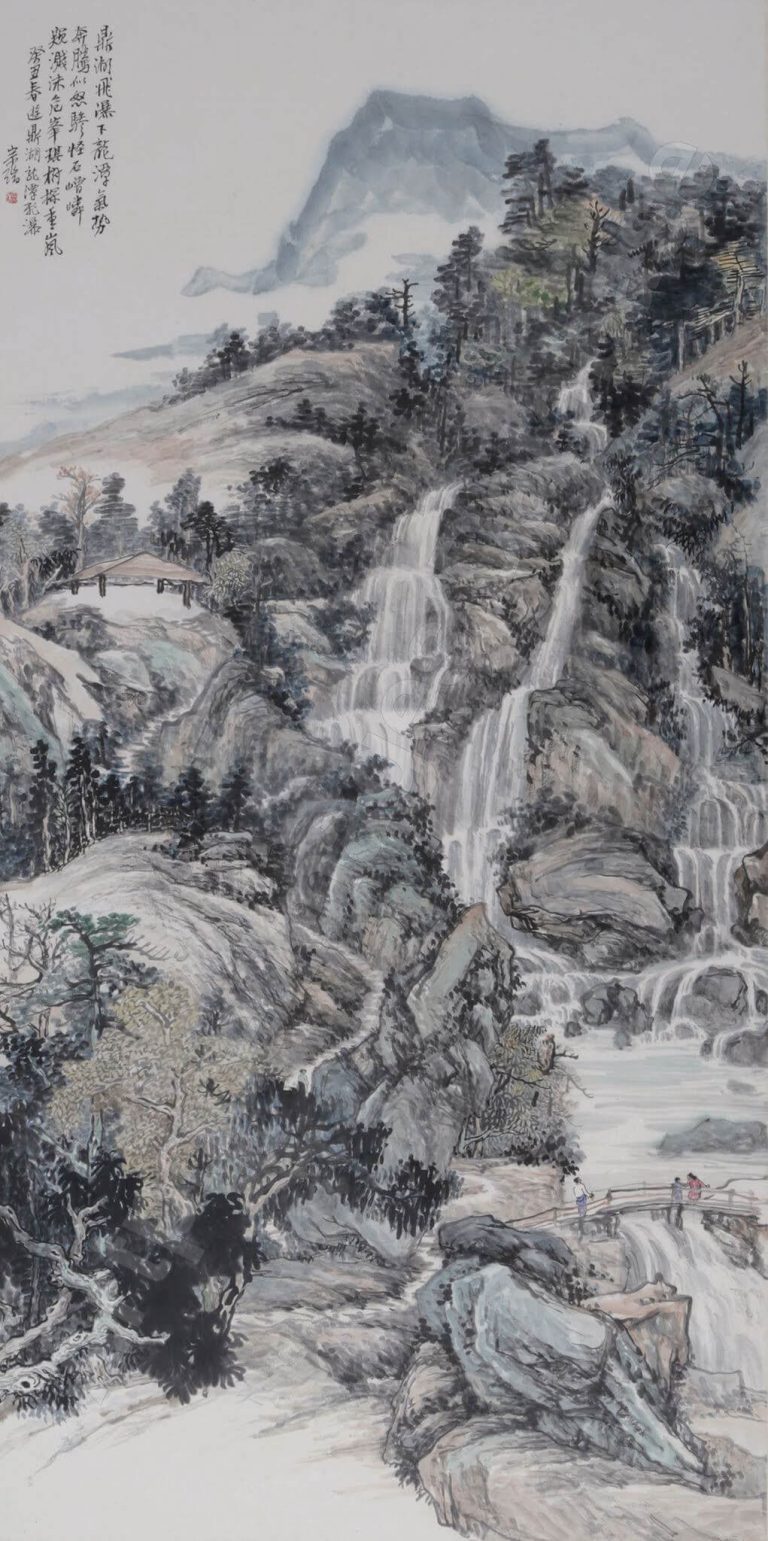
Chen Chong Swee, Dinghu Mountain and Lake, S$35,000
(Photo credits: Larasati Auctioneers)
Chen Chong Swee (陈宗瑞) was among the first to bring local subjects such as kampongs, coconut palms and village life into traditional Chinese ink painting. As both painter and educator, he helped define what a distinctly Nanyang ink painting could be.
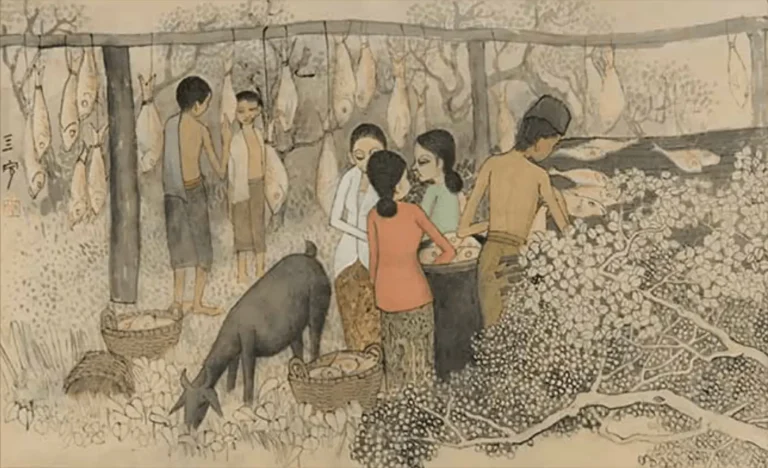
Cheong Soo Pieng, Drying Salted Fish, 1978. 70 x 103 cm, Chinese ink and colour on cloth.
(Collection of National Heritage Board.)
Cheong Soo Pieng (钟泗宾) was the most experimental of the pioneers. His elegant, elongated figures of Malay and Balinese women became a signature of the Nanyang style, and he worked across ink, oil and mixed media, later moving into abstraction. His painting Drying Salted Fish also features on the $50 note.
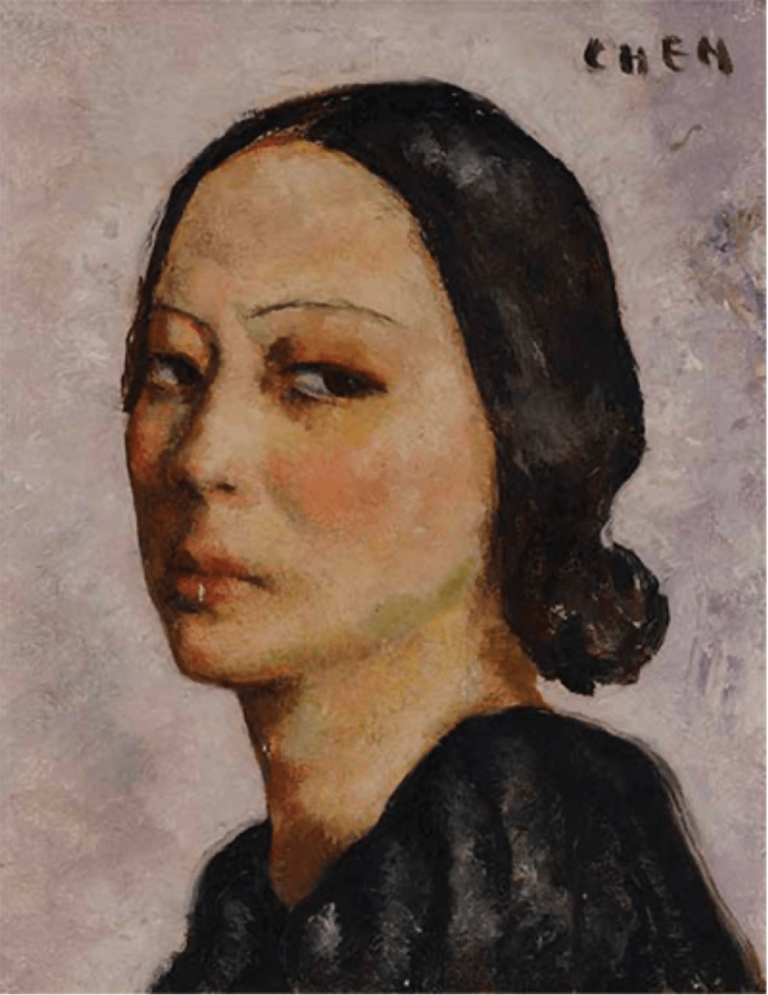
Self Portrait, Georgette Chen, Singapore, c. 1934, oil on canvas. Gift of Lee Foundation, collection of National Gallery Singapore.
(Photo credits: National Gallery Singapore)
Georgette Chen (张荔英) trained in Paris and was one of the few women among the pioneers. Her still lifes of tropical fruit and her portraits bring a refined Post-Impressionist sensibility to local subjects. She taught at NAFA for many years and received the Cultural Medallion in 1982.
Several other pioneers made equally important contributions. Lim Hak Tai (林学大) founded NAFA in 1938 and articulated the ideals that shaped the Nanyang movement. Fan Chang Tien (范昌乾) and See Hiang To (施香沱) carried the literati ink tradition into Singapore, each developing a refined personal style in bird-and-flower and landscape painting. Chen Jen Hao (陈人浩) taught at NAFA and helped shape its early direction in oil painting. Lim Cheng Hoe (林清河) became a pioneer of watercolour in Singapore, capturing the Singapore River and old shophouses with exceptional sensitivity. Lee Man Fong (李曼峰), who worked in Singapore before becoming palace painter to President Sukarno in Indonesia, fused Chinese ink with Western realism, and his works are now among the most sought after in the regional market.
Fan Chang Tien
(Photo credits: Asia Art Collective, Visual Arts Centre)
Fan Chang Tien (范昌乾) brought the Shanghai School of ink painting to Singapore. A student of masters including Wang Yiting, Pan Tianshou and Wang Geyi, he settled here in 1956 and spent three decades teaching. His students became some of Singapore’s leading second-generation ink painters, including Chua Ek Kay, Henri Chen Kezhan and Tan Oe Pang.
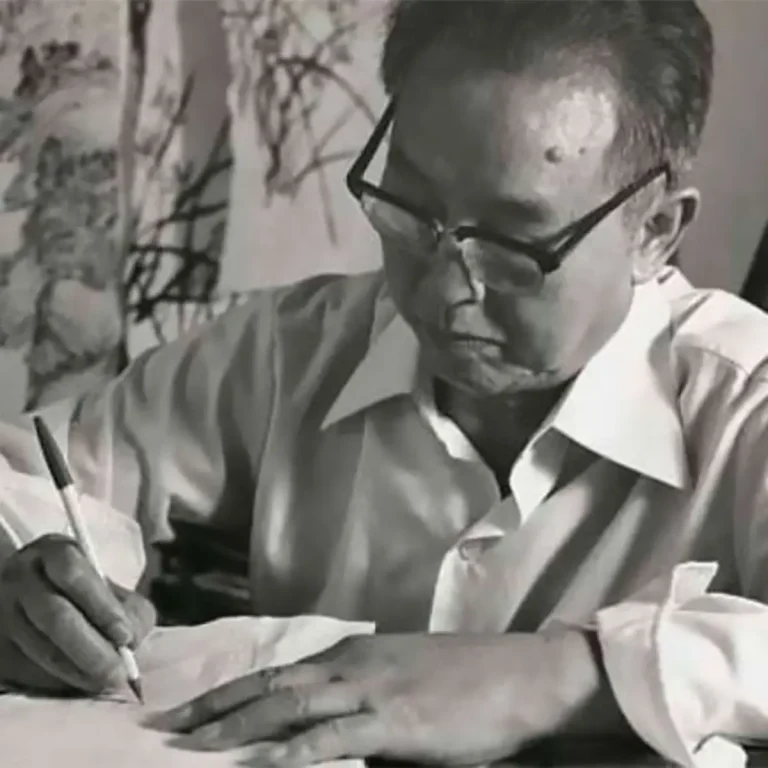
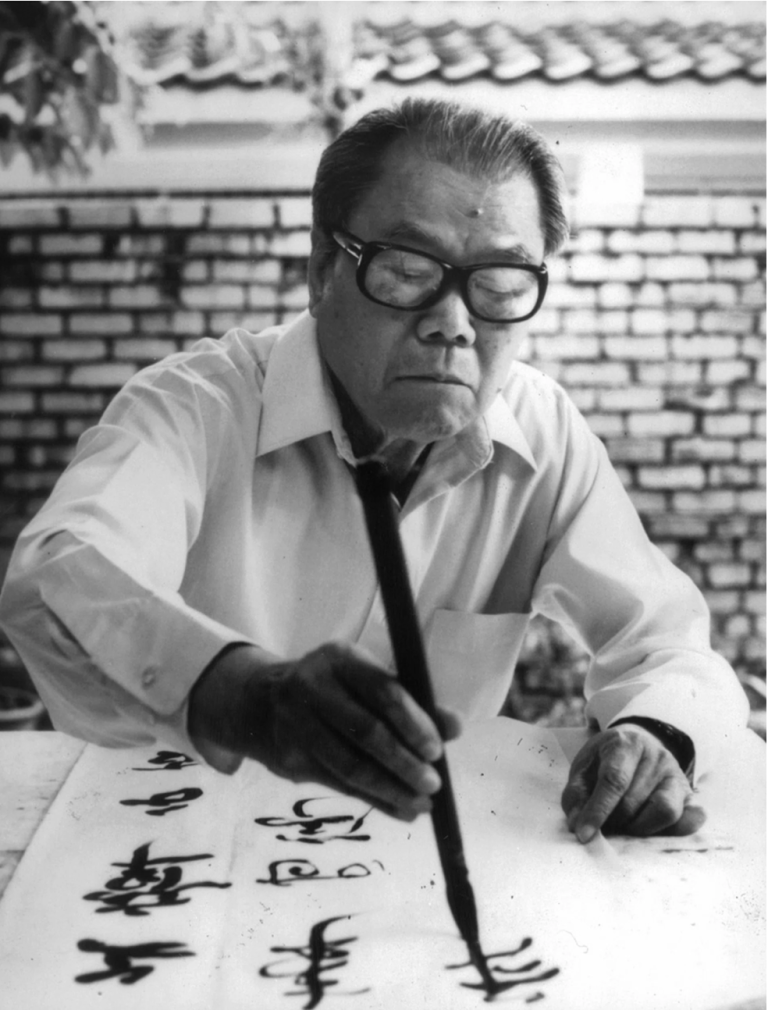
Revered cultural icon and calligrapher Pan Shou.
(SPH Media)
Pan Shou (潘受) was Singapore’s most celebrated calligrapher and poet, often called a national treasure. Born in Quanzhou, Fujian, he came to Singapore at 19 and became the founding secretary-general of Nanyang University. His calligraphy began with Yan Zhenqing and Yu Shinan, then drew on stele inscriptions and the cursive script of Sun Guoting and Huaisu to form his own style. He wrote the masthead of Lianhe Zaobao and received the Cultural Medallion in 1987.
Several other pioneers made equally important contributions. Lim Hak Tai (林学大) founded NAFA in 1938 and articulated the ideals that shaped the Nanyang movement. Fan Chang Tien (范昌乾) and See Hiang To (施香沱) carried the literati ink tradition into Singapore, each developing a refined personal style in bird-and-flower and landscape painting. Chen Jen Hao (陈人浩) taught at NAFA and helped shape its early direction in oil painting. Lim Cheng Hoe (林清河) became a pioneer of watercolour in Singapore, capturing the Singapore River and old shophouses with exceptional sensitivity. Lee Man Fong (李曼峰), who worked in Singapore before becoming palace painter to President Sukarno in Indonesia, fused Chinese ink with Western realism, and his works are now among the most sought after in the regional market.
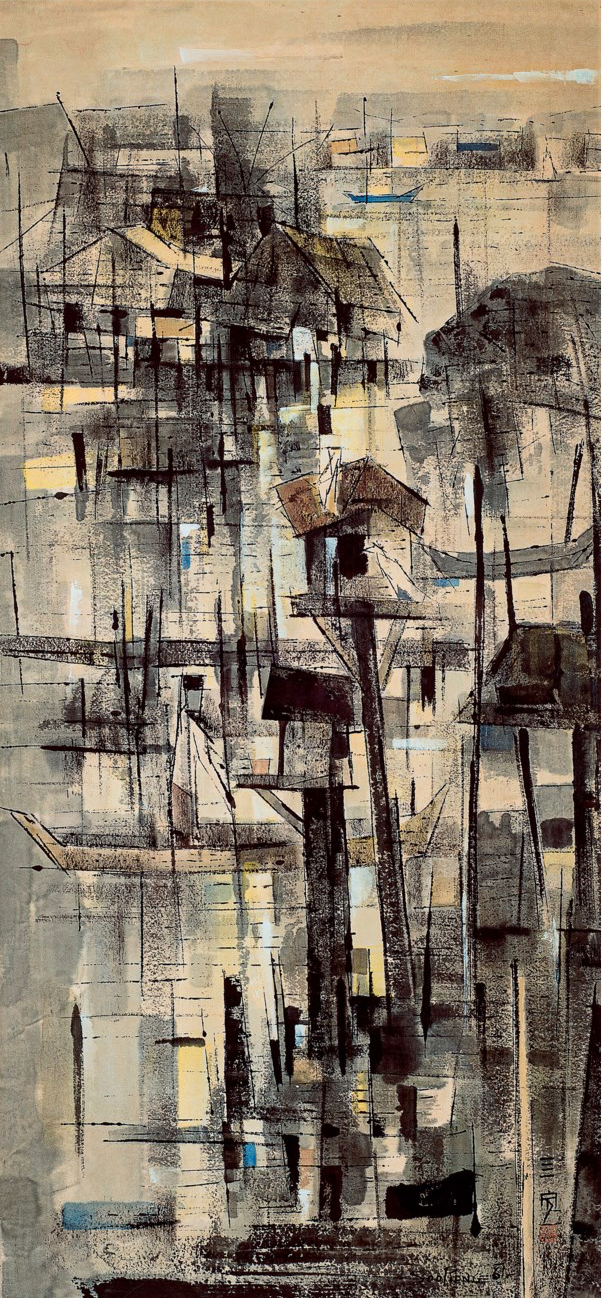
CHEONG SOO PIENG (1917-1983), Fishing Kampong
(Photo credits: Christies)
1. Small format artworks and sketches on paper: Prices generally range from a few thousand to several tens of thousands of Singapore dollars. Subjects are often Nanyang landscapes, figure sketches, tropical fruit and flowers, making them well suited to collectors starting out.
2. Mid-sized signature oil and ink works: Most sales fall between S$40,000 to S$300,000. This is the core category for collectors, both for trading and for long-term holding.
3. Large thematic works and museum-quality masterpieces: These repeatedly set auction records. Peak works by Georgette Chen and Chen Wen Hsi have sold for several million US dollars at Sotheby’s and Christie’s in Hong Kong.
Overall market trend: Prices have grown steadily. As the cultural value of Nanyang art continues to be recognised, and with no new works being produced by the pioneer artists, the supply of fine pieces continues to shrink. Original works by first-generation masters have become a high-end, inflation-resistant asset class. Few works change hands on the secondary market, and collectors rarely find quality first-generation pieces at low prices.
Singapore’s second-generation artists were active from the 1960s to the 1990s. Many trained under the first-generation pioneers, often at NAFA, and grew up alongside a newly independent Singapore. Building on the techniques of the Nanyang style, they turned their attention to the life of the city around them: its shophouses, rivers, markets and multicultural communities, as well as the rapid changes that came with urban development. Their work is more varied and personal than that of the pioneers, and represents the coming of age of Singapore’s own art.
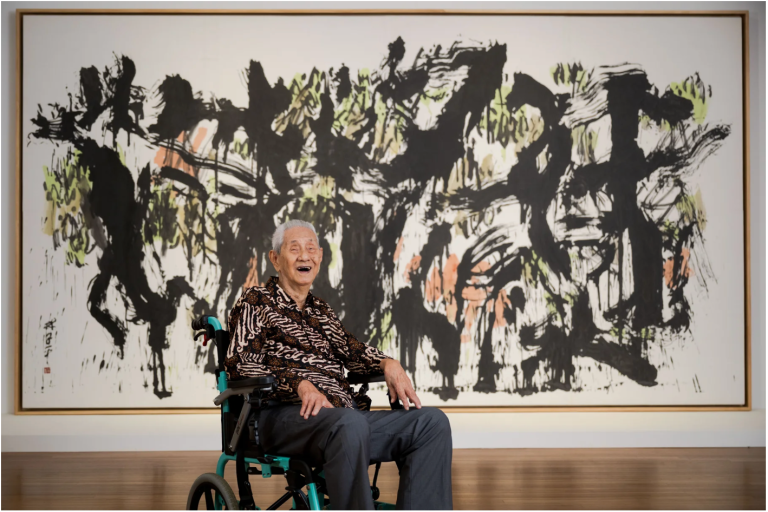
Portrait of Lim Tze Peng at “Becoming Lim Tze Peng,” at National Gallery Singapore, 2024.
(Courtest of National Gallery Singapore.)
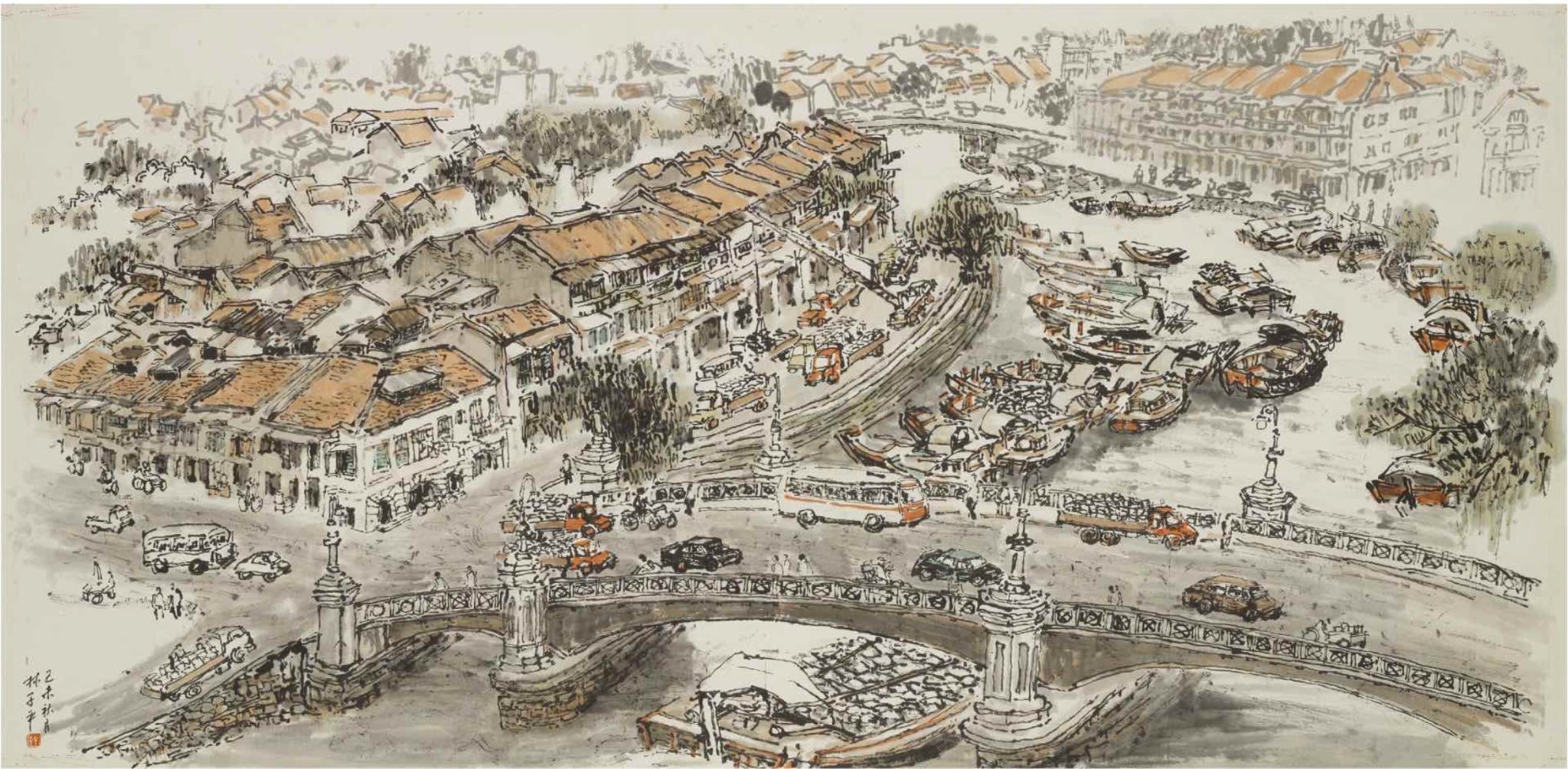
Lim Tze Peng (林子平) is best known for his ink paintings of Chinatown and the Singapore River, which preserve the old streetscapes before redevelopment, and for his bold, expressive hutu zi (糊涂字) calligraphy. He received the Cultural Medallion in 2003.
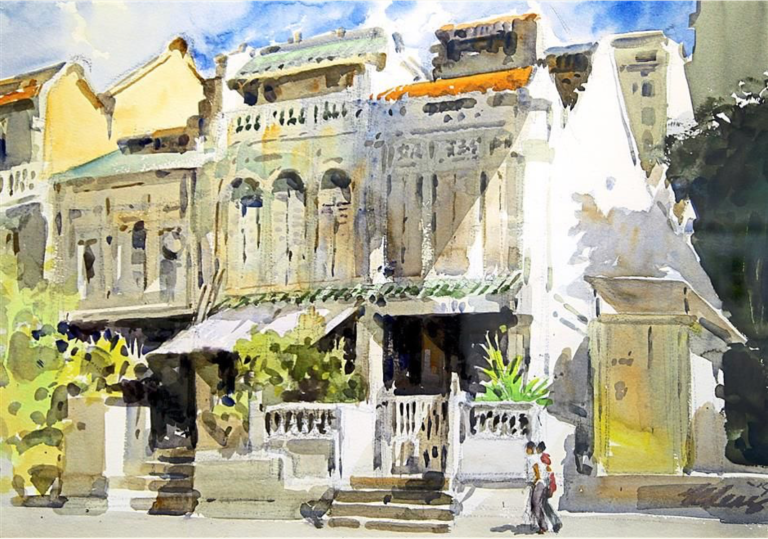
Ong Kim Seng, Shophouse
(Photo credits: Ong Kim Seng)
Ong Kim Seng (王金城) is one of Asia’s foremost watercolourists, celebrated for his luminous scenes of Singapore’s shophouses, Chinatown and travels across Asia. He received the Cultural Medallion in 1990 and has been widely recognised internationally, including by the American Watercolor Society.
Chua Ek Kay (蔡逸溪), a student of Fan Chang Tien, combined the Shanghai School ink tradition with Western modern art to create a distinctly contemporary ink language. His evocative paintings of Chinatown, lotus ponds and abstract compositions earned him the Cultural Medallion in 1999.
Lim Yew Kuan (林友权), son of NAFA founder Lim Hak Tai, trained at NAFA and in London, and later led NAFA, helping to shape the training of later generations of Singapore artists.
Tan Choh Tee (陈楚智) and Ang Ah Tee (洪亚迪) are known for their oil paintings of Singapore’s streets, shophouses, rivers and harbours, recording the character of a city in transformation.
Chua Mia Tee (蔡名智), Koh Sia Yong (许锡勇): social realist known for National Language Class (1959) and portraits of everyday Singaporeans
Other notable second-generation artists include Foo Chee San (符致珊), Koh Sia Yong (许锡勇) and 林子影, whose works continue to capture the local scenes and spirit of their time.
Building on the mature techniques of the Nanyang style, they moved beyond traditional conventions and rooted their work deeply in Singapore’s everyday life, urban development and multicultural traditions, giving it a more local, lived-in and modern character. Compared with the trailblazing work of the first generation, the second generation’s work is more refined and diverse, with subjects drawn closely from Singapore itself. It represents the maturing of Singapore’s own art, and today forms the mid-range of the collecting market: reasonably priced and accessible to new collectors.
Leading second-generation artists include Lim Tze Peng, Ong Kim Seng, Ang Ah Tee, Tan Choh Tee, Lim Yew Kuan, Chua Ek Kay, Foo Chee San, Koh Sia Yong and 林子影.
Compared with the high prices commanded by first-generation works, works by second-generation masters offer a moderate entry point, excellent value and room for growth. They suit collectors who want works for the home or office that carry both collecting and aesthetic value, and are well suited to medium- to long-term holding.
1. Small watercolours and oil sketches: From a few thousand to S$30,000. An accessible entry point for art lovers acquiring authentic Nanyang art for the first time.
2. Standard-sized oils and ink-and-colour works: S$20,000 to S$150,000. Varied in subject, well suited to modern interiors, and highly liquid.
3. Large thematic and exhibition-level works: S100,000toS200,000. Often the artist’s key exhibited pieces, these are scarce and have notable potential for appreciation.
Market trend:Second-generation works remain undervalued. As promotion of Singapore’s local art grows and the collector base widens, transaction volumes have risen steadily in recent years, making this a category with strong potential.
Many collectors ask why works by Singapore’s first- and second-generation masters are so hard to find. Because these works are scarce, they are rarely available through ordinary galleries or online platforms.
Most fine works by first- and second-generation artists are already held by collectors. To acquire one, buyers must wait for a collector to sell, and purchase on the secondary or tertiary market. Collectors who wish to sell typically entrust their works to a professional art agency, which assesses the work and advises on pricing before finding a new buyer. These transactions are not like buying ordinary goods; they require a professional advisor to coordinate and negotiate the sale.
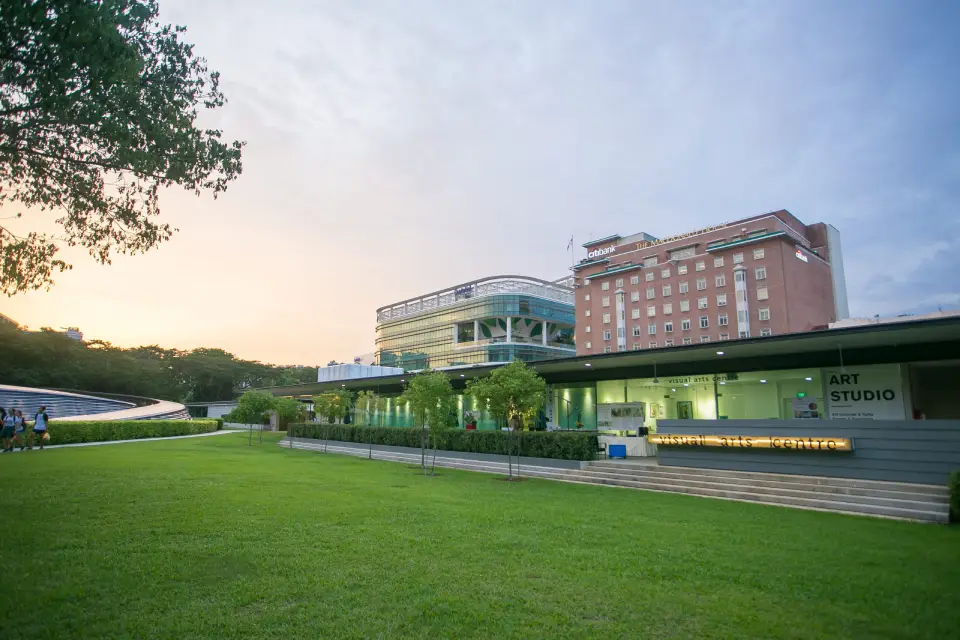
Asia Art Collective and Visual Arts Centre jointly represent works by Singapore’s first- and second-generation artists, offering collection advisory, valuation, exhibition and promotion, sourcing of works, and the buying and selling of fine pieces.
Since 2012, Asia Art Collective and Visual Arts Centre have specialised in representing classic Nanyang art, and hold a substantial number of original works by first- and second-generation Singapore artists on consignment. With experience in exhibitions, auctions and sales, they connect clients to the full range of channels, including private collection transfers, artwork exchanges, art investment and private sales.
Unlike commercial galleries selling decorative pieces for the mass market, both organisations deal in collectible works rather than decorative art. Every work is traceable, can be authenticated and comes with a certificate, giving it full collecting and investment value.
In Singapore’s art market, works by first- and second-generation pioneers and established local masters are not sold through open retail or self-selection. They are acquired through one-to-one consultation with a dedicated advisor at Visual Arts Centre and Asia Art Collective, who guides selection and the transaction. The advisor tailors a collecting direction to the needs of both buyer and seller, analyses current market trends and provides professional guidance.
1. Authenticity and provenance: Every work is carefully vetted to exclude copies, reproductions and imitations, and comes with full artist documentation, a certificate and a record of provenance.
2. Access to rare works: Priority access to rare pieces and exhibition-level originals released by collectors, and to classic subjects that are difficult to find on the market.
3. Tailored matching: We match works to each collector’s budget, preferences, long-term value considerations and display space, and assist with the acquisition.
4. Collection transactions: Full transaction support, including authentication and cataloguing, for private collections, corporate collections and asset allocation.
We welcome enquiries from collectors and offer complimentary consultations. If you are looking to acquire or sell artworks, please register with us at [email protected]
Address:
10 Penang Road, #01-02 Dhoby Ghaut Green,
Singapore (238469)
Exit from Dhoby Ghaut MRT Station Exit B and turn left, we are there in 30m!
Address:
20B Mosque Street, Singapore (059500)
*2 minutes walk from Chinatown MRT Station Exit A
Take a left turn upon exiting the Chinatown MRT Station Exit A (Pagoda Street). Turn right to go to Mosque Street. Finally, walk towards 20B, we’re on the 3rd floor of the shophouse.
Click and get to our WhatsApp
Embark on a captivating journey into the vibrant world of digital art! Our Foundation in Digital Art workshop invites budding creatives aged nine and above to unleash their imagination and hone their artistic skills in a dynamic, supportive environment. From mastering basic digital tools to crafting mesmerizing digital masterpieces, children will explore a spectrum of techniques guided by seasoned mentors. Through hands-on activities and interactive sessions, participants will discover the endless possibilities of digital expression while fostering creativity and critical thinking. Join us for an exhilarating adventure where young artists transform ideas into stunning visual realities, igniting a passion for digital art
In the Batik Introduction Handkerchief Painting workshop, participants will learn the traditional art of batik, a wax-resist dyeing technique originating from Indonesia. The workshop begins with a brief history and overview of batik, highlighting its cultural significance and various techniques. Participants will then observe a demonstration of applying wax with tjanting tools and dyeing the fabric. Following the demonstration, each participant will design and create their own batik handkerchief, applying wax to create patterns and then dyeing their fabric. The workshop concludes with a group discussion, allowing participants to share their creations and reflect on their learning experience.
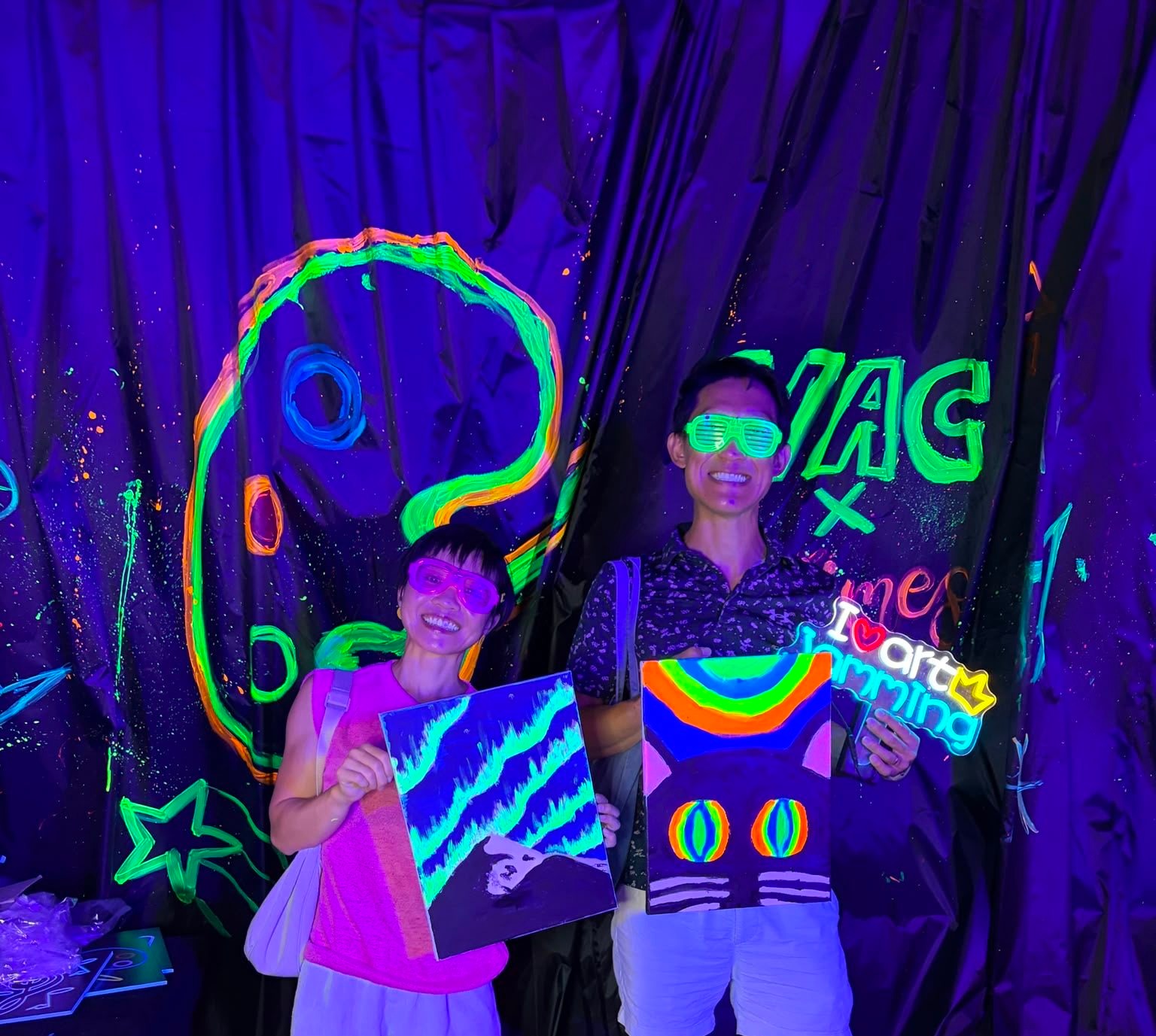
Terms & Conditions – Neon Glow Art Jamming & Colour Blast Party (Saturday Sessions Only)
Terms & Conditions For All Course/Workshop(s) at Visual Arts Centre (VAC):